Plastic Wall Soundproofing Material Textile
CN → US| HS Code | Tariff Rate | Origin | Destination | Doc |
|---|---|---|---|---|
| 6307909891 | 24.5% | CN | US | Official Doc |
| 5903102090 | 35.0% | CN | US | Official Doc |
| 6307908500 | 23.3% | CN | US | Official Doc |
| 5903102010 | 35.0% | CN | US | Official Doc |
| 5903102500 | 42.5% | CN | US | Official Doc |
Product Images
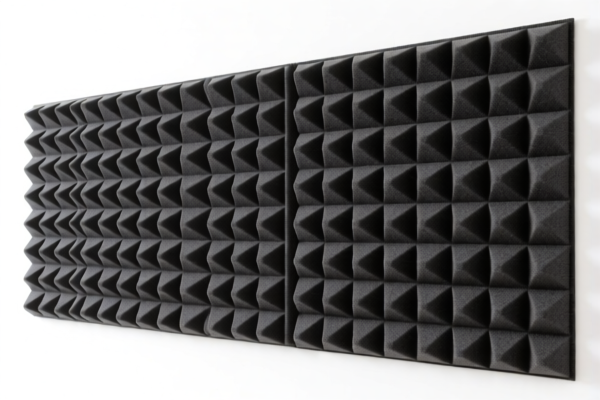
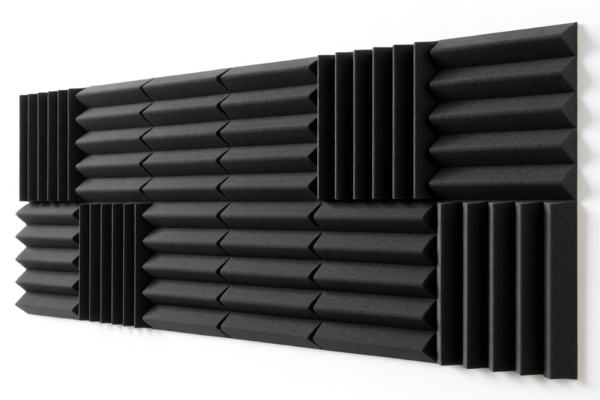
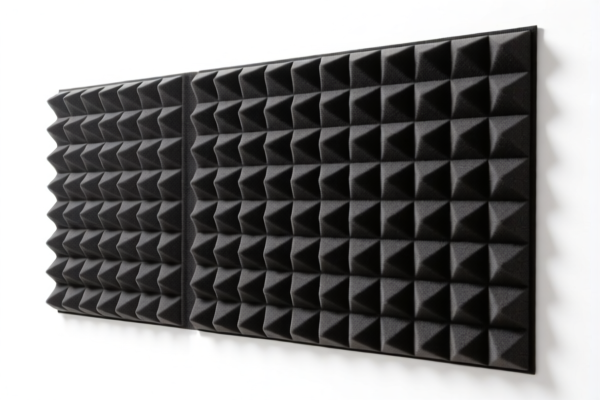
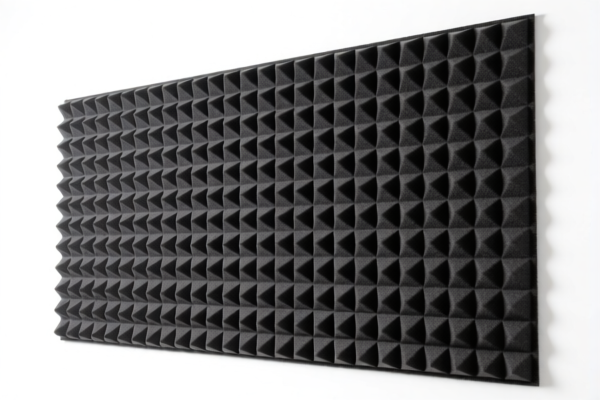
AI Analysis
🧱 Plastic Wall Soundproofing Textile Materials
(Textile-Based Acoustic Insulation with Plastic Components)
🌐 HS Code Reference & Customs Clearance Guide | 2026 Latest Tariff Analysis | Professional Entry Strategy
📌 I. Product Definition & Classification: Do You Truly Understand "Plastic Wall Soundproofing Textile"?
Plastic wall soundproofing materials are composite products designed for acoustic insulation. They typically consist of a textile fabric base that has been impregnated, coated, covered, or laminated with plastics (such as PVC, PE, or PP). In international trade, the classification depends heavily on the primary function (textile vs. plastic) and the degree of plastic integration.
⚠️ Key Distinction Point:
- If the product is primarily a textile coated/laminated with plastic for durability/acoustics → Chapter 59 (Impregnated Textiles)
- If the product is considered a finished article (like a wall covering) where plastic is just a component → Chapter 63 (Other Made-Up Articles)
- Conflict Resolution: Customs authorities often debate whether it’s a "Textile Product" (Ch 59) or a "Wallcovering/Insulation" (Ch 63). The presence of significant plastic content pushes many classifiers toward Chapter 59.
📦 II. HS Code Classification Details (2026 Latest Tariff Authoritative Comparison)
Based on the provided data, here are the five possible HS Code classifications for Plastic Wall Soundproofing Textile Materials, along with their summaries and tax implications.
| HS Code | Product Description Summary | Total Tax Rate | Tax Detail Breakdown |
|---|---|---|---|
6307.90.98.91 |
Classified as Other Made-Up Articles. Material is considered a textile product containing plastic components. | 24.5% | Base: 7.0% Additional: 7.5% Section 301 (122): 10% |
5903.10.20.90 |
Classified as Textile Fabrics Impregnated/Coated/Covered/Laminated with Plastics. No material or form conflict. | 35.0% | Base: 0.0% Additional: 25.0% Section 301 (122): 10% |
6307.90.85.00 |
Classified under the Fallback Category ("Other Made-Up Articles"). No obvious conflict in material or use. | 23.3% | Base: 5.8% Additional: 7.5% Section 301 (122): 10% |
5903.10.20.10 |
Classified as Textile Fabrics Impregnated/Coated with Plastics. No material or form conflict. | 35.0% | Base: 0.0% Additional: 25.0% Section 301 (122): 10% |
5903.10.25.00 |
Classified as PVC-Impregnated/Coated Textile Fabrics for wall support/decoration. Fits PVC material inference. | 42.5% | Base: 7.5% Additional: 25.0% Section 301 (122): 10% |
🔍 Key Analysis:
- Chapter 59 Codes (5903...): Treat the product as a processed textile fabric. The tax base is often lower (0% or 7.5%), but the Additional Tariff (25%) is high, leading to higher total rates (35%-42.5%).
- Chapter 63 Codes (6307...): Treat the product as a finished article (like a wall hanging or insulation panel). The tax base is higher (5.8%-7.0%), but the Additional Tariff (7.5%) is lower, leading to moderate total rates (23.3%-24.5%).
- Critical Decision: Is it a fabric (Ch 59) or a finished good (Ch 63)? This determines if you pay 25% or 7.5% in additional tariffs.
💰 III. 2026 Latest Tariff Rate Details (Including Surtaxes & Policy Add-ons)
✅ Applicable Country: United States (US)
✅ Origin: China (CN)
✅ Effective Time: 2025/2026 Import Period
🎯 1. 6307.90.98.91 —— Other Made-Up Articles (Plastic-Textile Composite)
| Item | Content |
|---|---|
| Base Tax Rate | 7.0% |
| USITC Additional Tariff | +7.5% (Section 301 Footnote) |
| Section 301 (122) Tariff | +10% (Specific to this subheading under Trade Action) |
| Total Tax Rate | 24.5% |
| Calculation Basis | CIF Value × 24.5% |
| De Minimis Exemption | ❌ Not Applicable (De Minimis rules generally do not apply to Section 301 goods from China) |
📌 Explanation:
- This classification assumes the product is a finished soundproofing panel/covering rather than just a fabric roll.
- The 7.5% Additional Tariff is lower than the 25% in Chapter 59, making this a more cost-effective option if customs accepts the "Made-Up Article" definition.
🎯 2. 5903.10.20.90 & 5903.10.20.10 —— Textile Fabrics Impregnated/Coated with Plastics (General)
| Item | Content |
|---|---|
| Base Tax Rate | 0.0% |
| USITC Additional Tariff | +25.0% (Section 301, Footnote 9903.88.01) |
| Section 301 (122) Tariff | +10% |
| Total Tax Rate | 35.0% |
| Calculation Basis | CIF Value × 35.0% |
| De Minimis Exemption | ❌ Not Applicable |
📌 Explanation:
- These codes treat the product as a raw or semi-finished textile fabric.
- The 0% base rate is misleadingly low; the 25% additional tariff is the dominant cost driver.
- Risk: If you classify as a fabric (Ch 59) but the product is clearly a finished soundproofing panel (Ch 63), customs may reclassify and audit you.
🎯 3. 5903.10.25.00 —— PVC-Impregnated/Coated Textile Fabrics (Wall Support/Decoration)
| Item | Content |
|---|---|
| Base Tax Rate | 7.5% |
| USITC Additional Tariff | +25.0% |
| Section 301 (122) Tariff | +10% |
| Total Tax Rate | 42.5% |
| Calculation Basis | CIF Value × 42.5% |
| De Minimis Exemption | ❌ Not Applicable |
📌 Explanation:
- This is the most expensive classification.
- It specifically targets PVC materials used for wall decoration/support.
- Avoid unless your product is definitively PVC-based and classified as a decorative fabric roll.
🎯 4. 6307.90.85.00 —— Other Made-Up Articles (Fallback)
| Item | Content |
|---|---|
| Base Tax Rate | 5.8% |
| USITC Additional Tariff | +7.5% |
| Section 301 (122) Tariff | +10% |
| Total Tax Rate | 23.3% |
| Calculation Basis | CIF Value × 23.3% |
| De Minimis Exemption | ❌ Not Applicable |
📌 Explanation:
- This is the lowest total tax rate in the dataset.
- It relies on the argument that the product is a finished acoustic panel/cover with no specific classification conflict.
- Best Case Scenario: If customs agrees it’s a "made-up article" and not a "fabric," you save significant duty compared to Chapter 59 codes.
🛠️ IV. Customs Clearance Practical Advice (Avoid Pitfalls)
✅ 1. Essential Documentation Checklist
| Document | Required? | Notes |
|---|---|---|
| ✅ Product Specification Sheet | ✔️ | Must detail: Material composition (e.g., "70% Polyester, 30% PVC"), thickness, acoustic rating (NRC). |
| ✅ Technical Diagrams | ✔️ | Show if it’s a roll of fabric or a cut panel. This is critical for Ch 59 vs. Ch 63. |
| ✅ Product Photos | ✔️ | Clear images showing texture, packaging, and any branding. |
| ✅ Commercial Invoice | ✔️ | Description must be precise: "Plastic-Coated Textile Acoustic Wall Panels" vs. "PVC-Impregnated Polyester Fabric." |
| ✅ Packing List | ✔️ | Confirm weight and dimensions. |
| ✅ Third-Party Test Report | Optional | Acoustic performance test (NRC/STC) supports the "Soundproofing" claim, justifying Ch 63. |
✅ 2. Declaration Strategy (Key Tips)
🔥 “Finished Panel? Go Ch 63. Fabric Roll? Go Ch 59.”
| Scenario | Recommended HS Code | Tax Rate | Risk Level |
|---|---|---|---|
| Finished Soundproofing Panels (Pre-cut, ready to hang/install) | 6307.90.98.91 or 6307.90.85.00 |
23.3% - 24.5% | ✅ Low (Most cost-effective) |
| Rolls of Fabric (Impregnated with plastic, sold as material) | 5903.10.20.10 or 5903.10.20.90 |
35.0% | ⚠️ Medium (Higher tax) |
| PVC Wall Decorations (Explicitly PVC-based, decorative) | 5903.10.25.00 |
42.5% | ❌ High (Most expensive) |
📌 Critical Note:
- If you declare as6307(Made-Up Article) but customs determines it’s primarily a textile fabric used for soundproofing, they may reclassify to5903and charge 35% + penalties.
- Conversely, if you declare as5903but it’s a finished panel, you might overpay taxes unnecessarily.
- Recommendation: Provide technical data showing the product is a finished acoustic solution (panels/tiling) rather than raw fabric. This supports the Ch 63 classification.
✅ 3. Special Cases
| Case | Handling Advice |
|---|---|
| Custom-Made Acoustic Panels | Include customer-specific dimensions and design. Helps prove "Made-Up Article" status. |
| Mixed Materials | If the product contains significant metal framing or wood, it may fall under Ch 44 or Ch 73. Consult a specialist. |
| OEM/Private Label | Ensure the invoice reflects the actual manufacturer and origin to avoid anti-dumping scrutiny. |
🌍 V. Global Market Comparison (2026)
| Country/Region | Recommended HS Code | Estimated Tax | Notes |
|---|---|---|---|
| 🇺🇸 USA | 6307.90.98.91 |
24.5% | Best balance of cost and classification safety. |
| 🇺🇸 USA | 5903.10.20.90 |
35.0% | Only if clearly sold as fabric rolls. |
| 🇨🇳 China | 6307.90.98.91 |
~7-10% | Import duty may be lower; check FTA benefits. |
| 🇪🇺 EU | 5903.10.20 |
~12-15% | EU often classifies coated textiles under Ch 59. |
| 🇬🇧 UK | 5903.10.20 |
~12-15% | Post-Brexit tariff structure similar to EU. |
📌 Conclusion:
- USA is the most complex market due to Section 301 tariffs.
- Ch 63 (6307) is generally cheaper than Ch 59 (5903) for finished soundproofing products due to lower Additional Tariffs (7.5% vs. 25%).
📌 VI. Common Mistakes & Pitfalls (Lessons Learned)
❌ Mistake 1: Declaring finished soundproofing panels as "Textile Fabric" (5903)
👉 Result: You pay 35% instead of 24.5%. Overpayment of ~10.5% on CIF value.
❌ Mistake 2: Declaring fabric rolls as "Finished Panels" (6307)
👉 Result: Customs may reject the declaration, demand reclassification, and charge 35% + fines for misdeclaration.
❌ Mistake 3: Ignoring the 122 Clause Tariff
👉 Result: Assuming only the Additional Tariff applies. The 10% Section 301 (122) is always added on top of the base and additional tariffs for China-origin goods.
❌ Mistake 4: Using vague descriptions like "Wall Covering"
👉 Result: Customs may assign a default higher-rate code. Use specific terms: "Acoustic Insulation Panel, Plastic-Coated Textile, Finished Article."
✅ Correct Approach:
"Finished Acoustic Wall Panels, Plastic-Coated Polyester Fabric, Pre-Cut for Installation, Model XYZ"
🎯 VII. Conclusion: Professional Declaration for Cost Optimization
🎯 Remember:
🔹 "Finished Panels? Ch 63. Fabric Rolls? Ch 59."
🔹 "Ch 63 pays ~24%, Ch 59 pays ~35%. Don’t pay for what you don’t have."
🔹 "Always include technical specs to prove 'Made-Up Article' status."
📌 Pro Tip:
- If your product is PVC-based, be extra cautious. 5903.10.25.00 is very expensive (42.5%). Try to argue for 6307 if it’s a finished panel.
- Apply for a Binding Ruling with US Customs if you’re unsure. This locks in the HS Code and prevents future disputes.
📣 Take Action Now:
📞 Consult a Licensed Customs Broker
📄 Prepare Technical Data Sheets
🚀 Optimize Your Supply Chain Tax Efficiency
✨ Professional Customs Clearance Starts with Accurate Classification!
💼 Every Percent of Duty Saves You Money!
Customer Reviews
About HS Code Classification
The Harmonized System (HS) is an internationally standardized nomenclature developed by the World Customs Organization (WCO) to classify traded products. Over 200 countries use the HS system as the basis for customs tariffs, trade statistics, and import/export regulations.
Each HS code follows a hierarchical structure:
- Chapter (2 digits) — Broad category of goods (e.g., Chapter 84: Machinery and Mechanical Appliances)
- Heading (4 digits) — More specific grouping within the chapter
- Subheading (6 digits) — Internationally standardized breakdown, used by all WCO member countries
- National subdivisions (8-10 digits) — Country-specific extensions for further classification, such as US HTSUS 10-digit codes
Correct HS code classification is essential for smooth customs clearance, accurate duty payment, and compliance with trade regulations. Misclassification can lead to customs delays, overpayment of duties, or penalties.
When importing from CN to US, the applicable tariff rates may include:
- Most-Favored-Nation (MFN) rate — The standard duty rate applied to WTO members
- General rate — Applied to countries without trade agreements
- Trade remedy duties — Additional tariffs such as Section 301 (anti-dumping), Section 232 (national security), or countervailing duties
The information provided on this page is for reference purposes only. For official classification, please consult with your local customs authority or a licensed customs broker.