Plastic Water Pot
CN → US| HS Code | Tariff Rate | Origin | Destination | Doc |
|---|---|---|---|---|
| 8201906000 | 35.0% | CN | US | Official Doc |
| 3926909989 | 22.8% | CN | US | Official Doc |
| 3926901000 | 20.9% | CN | US | Official Doc |
| 3924104000 | 13.4% | CN | US | Official Doc |
| 3924905650 | 20.9% | CN | US | Official Doc |
Product Images
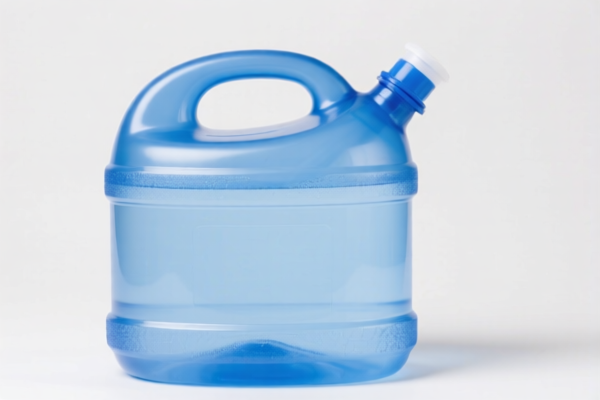
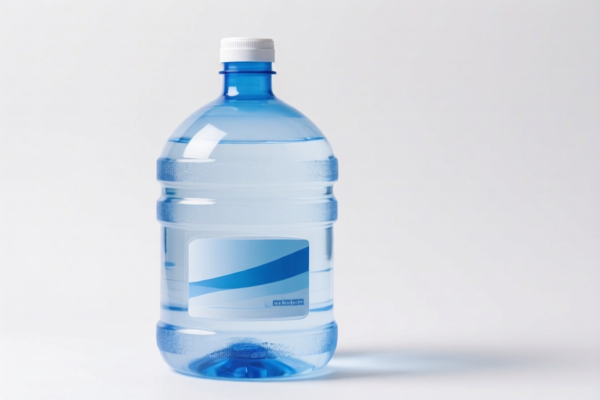
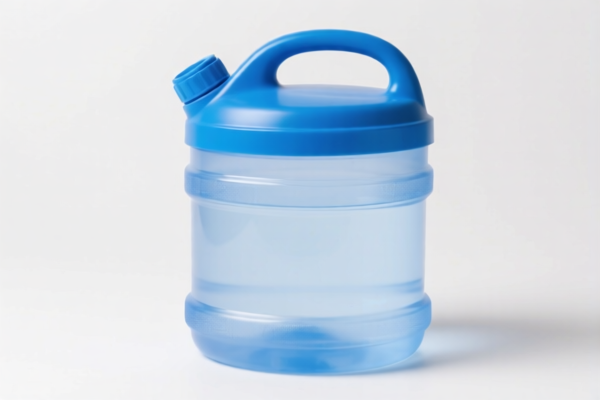
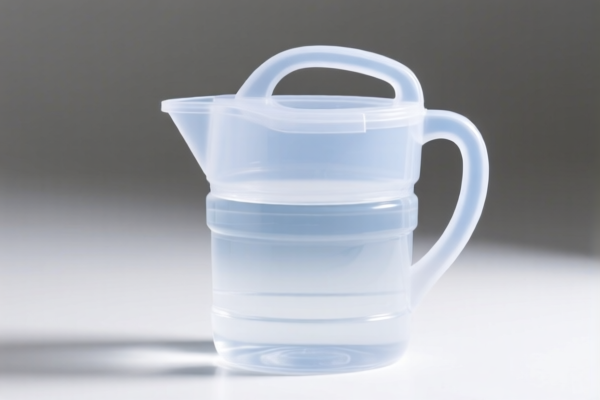
AI Analysis
🚿 Plastic Water Pot (Gardening & Household Use)
🌐 HS Code Reference & Customs Clearance Guide | 2026 Latest Tariff Analysis | Professional Clearance Strategy
📌 I. Product Definition & Classification: Do You Really Understand the "Plastic Water Pot"?
A Plastic Water Pot is typically a handheld container used for pouring water. In international trade, its classification depends heavily on material, intended use (garden vs. home), and construction. The following data highlights the divergent classification paths based on different interpretations of the product's primary function.
⚠️ Key Distinction Point:
- If viewed as a Gardening Tool (manual implement): Falls under 8201.90.60.00 (Highest Tax).
- If viewed as a Plastic Container/Product: Falls under 3926 series (Lower Tax).
- If viewed as a Household Item (kitchen/dining context): Falls under 3924 series (Lowest Base Tax).
📦 II. HS Code Classification Details (2026 Latest Tariff Authority Comparison)
| HS Code | Product Description | Application Scenario | Material/Logic |
|---|---|---|---|
8201.90.60.00 |
Other hand tools for agriculture, horticulture, or forestry | Gardening/Watering: Classified as a manual gardening implement. | 🛠️ Logic: Treated as a "hand tool" for horticulture. Note: Conflict with plastic material is ignored/logically bridged in this specific inference. |
3926.90.99.89 |
Other articles of plastics (Plastic制品) | General Plastic Goods: General plastic article not elsewhere specified. | 🧪 Logic: Explicitly "Plastic" material. Fits the "Other plastic articles" category. |
3926.90.10.00 |
Plastic Buckets and Pails | Container/Utility: Functioning as a bucket or pail for holding water. | 🪣 Logic: High functional consistency with "Buckets and pails." Plastic material confirmed. |
3924.10.40.00 |
Plastic Tableware, Kitchenware, and Household Items | Household Use: Watering can seen as a household item/container. | 🏠 Logic: "Plastic material" + "Household article" logic. Lowest Base Tax. |
3924.90.56.50 |
Other Plastic Household Articles | Household Use: General plastic household article. | 🏠 Logic: Plastic material + "Other household articles" category. |
🔍 Critical Warning:
- Misclassification Risk: Classifying a simple plastic pot as a "Tool" (8201) triggers massive tariffs.
- Material Consistency: All3924and3926codes require the item to be entirely or primarily plastic.
- Function Matters: Is it a tool (holding a handle for labor) or a container (holding liquid for domestic/other use)? This is the core debate.
💰 III. 2026 Latest Tariff Rate Breakdown (Including Surcharges & Policy Add-ons)
✅ Applicable Country: United States (US)
✅ Origin: China (CN)
✅ Effective Time: From November 10, 2025 (Including subsequent imports)
🎯 1. 8201.90.60.00 —— Other Hand Tools for Horticulture (The "Gardening Tool" Route)
| Item | Content |
|---|---|
| Base Tax Rate | 0.0% |
| Section 301 Surtax | +25.0% |
| IEEPA Surtax | +10.0% |
| Total Tax Rate | 35.0% |
| Tax Calculation | CIF Value × 35% |
| De Minimis Exemption | ❌ Not Eligible (deny_de_minimis) |
| Legal Basis Path | USITC:8201.90.60.00 → 301:Footnote → IEEPA:9903.01.25 |
📌 Interpretation:
- Although the base tariff is 0%, the Section 301 and IEEPA surcharges stack up to 35%.
- Why so high? It is classified under "Hand Tools," which are subject to specific trade restrictions. Even if the material is plastic, the function (horticulture) dictates the higher tax bracket in this inference.
🎯 2. 3926.90.99.89 —— Other Plastic Articles (General Plastic)
| Item | Content |
|---|---|
| Base Tax Rate | 5.3% |
| Section 301 Surtax | +7.5% |
| IEEPA Surtax | +10.0% |
| Total Tax Rate | 22.8% |
| Tax Calculation | CIF Value × 22.8% |
| De Minimis Exemption | ❌ Not Eligible (deny_de_minimis) |
| Legal Basis Path | USITC:3926.90.99.89 → 301:Footnote → IEEPA:9903.01.24 |
📌 Interpretation:
- Base Tariff: 5.3% (Higher than tools, but lower than some others).
- Surcharges: Reduced 301 surtax (7.5% vs 25%) makes this significantly cheaper than the tool classification.
- Logic: Treated purely as a "Plastic Article" without specific functional privileges.
🎯 3. 3926.90.10.00 —— Plastic Buckets and Pails (The "Container" Route)
| Item | Content |
|---|---|
| Base Tax Rate | 3.4% |
| Section 301 Surtax | +7.5% |
| IEEPA Surtax | +10.0% |
| Total Tax Rate | 20.9% |
| Tax Calculation | CIF Value × 20.9% |
| De Minimis Exemption | ❌ Not Eligible (deny_de_minimis) |
| Legal Basis Path | USITC:3926.90.10.00 → 301:Footnote → IEEPA:9903.01.24 |
📌 Interpretation:
- Best Value among 3926 Codes: The lowest total tax rate in the "Plastic Container" category.
- Logic: High functional consistency with "Buckets and Pails." If the pot is used for bulk water storage or pouring, this is a strong candidate.
🎯 4. 3924.10.40.00 —— Plastic Household Articles (Kitchen/Tableware Context)
| Item | Content |
|---|---|
| Base Tax Rate | 3.4% |
| Section 301 Surtax | 0.0% |
| IEEPA Surtax | +10.0% |
| Total Tax Rate | 13.4% |
| Tax Calculation | CIF Value × 13.4% |
| De Minimis Exemption | ❌ Not Eligible (deny_de_minimis) |
| Legal Basis Path | USITC:3924.10.40.00 → IEEPA:9903.01.25 (Only IEEPA applies) |
📌 Interpretation:
- Lowest Total Tax Rate: 13.4%.
- Why? No Section 301 Surtax (0%). This code falls under a category that may be exempt from the higher 301 tariffs, retaining only the IEEPA 10% surtax.
- Risk: You must prove it is a "Household Item" (e.g., used for cleaning, serving, or domestic storage) and not a "Gardening Tool."
🎯 5. 3924.90.56.50 —— Other Plastic Household Articles
| Item | Content |
|---|---|
| Base Tax Rate | 3.4% |
| Section 301 Surtax | +7.5% |
| IEEPA Surtax | +10.0% |
| Total Tax Rate | 20.9% |
| Tax Calculation | CIF Value × 20.9% |
| De Minimis Exemption | ❌ Not Eligible (deny_de_minimis) |
| Legal Basis Path | USITC:3924.90.56.50 → 301:Footnote → IEEPA:9903.01.24 |
📌 Interpretation:
- Similar to3924.10.40.00but with the 7.5% 301 surtax applied.
- Total rate is 20.9%, identical to the "Plastic Bucket" classification.
🛠️ IV. Customs Clearance Practical Advice (Real-World Pitfall Avoidance)
✅ 1. Preparation Checklist (Mandatory)
| Document | Mandatory? | Explanation |
|---|---|---|
| ✅ Product Specifications | ✔️ | Material (100% Plastic?), Dimensions, Capacity. |
| ✅ Product Photos | ✔️ | Show the item clearly. If it looks like a tool (long handle, ergonomic grip for labor), customs may push for 8201. If it looks like a jug, 3926/3924 is safer. |
| ✅ Commercial Invoice | ✔️ | CRITICAL: Describe it carefully. Avoid "Gardening Tool." Use "Plastic Water Container for Household Use" if aiming for 3924. |
| ✅ Packing List | ✔️ | Consistency check. |
| ✅ Certificate of Origin | ✔️ | For US origin verification. |
✅ 2. Declaration Strategy (Key Mantras)
🔥 "Avoid 'Tool', Embrace 'Household' or 'Container'!"
| Scenario | Recommended HS Code | Risk of Wrong Classification |
|---|---|---|
| Describing as "Gardening Tool" | 8201.90.60.00 |
35% Tax. High cost. High risk of audit if material is plastic. |
| Describing as "Plastic Bucket" | 3926.90.10.00 |
20.9% Tax. Good balance. Requires proof it's a container, not a tool. |
| Describing as "Household Plastic Item" | 3924.10.40.00 |
13.4% Tax. Best Option. Requires proof it's for domestic/household use, not professional gardening. |
| Describing as "General Plastic Article" | 3926.90.99.89 |
22.8% Tax. Safe fallback if function is unclear. |
📌 Crucial Tip:
- If you declare it as3924(Household), ensure the product does not have obvious industrial/gardening tool features (e.g., heavy-duty metal-reinforced handles, specific ergonomic grips for soil working).
- The IEEPA 10% applies to almost all China-origin goods from Nov 10, 2025. The key to saving money is avoiding the Section 301 surtax (25% or 7.5%) by choosing the right subheading.
✅ 3. Special Case Handling
| Situation | Handling Advice |
|---|---|
| Watering Can with Long Spout | Still potentially 3926 or 3924 if used for home/garden container purposes. Avoid "Tool" label. |
| Plastic Pot with Metal Handle | Risk of being classified as "Metal Part" or "Tool." Stick to 3926 if plastic is predominant. |
| OEM/White Label Products | Provide design files showing it is a "Container" not a "Tool." |
| Small Capacities (<1L) | May be argued as "Household/Kitchen Item" (3924) more easily than large garden pots. |
🌍 V. Global Market Customs Comparison (2026 Update)
| Country/Region | Recommended HS Code | Approx. Tariff (China Origin) | Certification | Notes |
|---|---|---|---|---|
| 🇺🇸 USA | 3924.10.40.00 |
13.4% (Lowest) | FDA/Prop 65 (if food contact) | Best Choice if household use is proven. |
| 🇺🇸 USA | 8201.90.60.00 |
35.0% (Highest) | - | Avoid unless it is a certified tool. |
| 🇪🇺 EU | 3924.10 |
~5-10% (VAT extra) | CE | Generally lower tariffs than US. |
| 🇨🇳 China | 3924.10 |
5% | - | No IEEPA/301 surcharges. |
📌 Conclusion:
- USA is the most expensive market for this item due to IEEPA and 301 tariffs.
- Optimization Strategy: Aim for3924.10.40.00to achieve the 13.4% total rate.
- Avoid8201.90.60.00unless the product is undeniably a "hand tool" and you have budgeted for 35% tax.
📌 VI. Common Errors & Pitfall Guide (Blood-Teaching Lessons)
❌ Error 1: Using "Gardening Tool" in the commercial invoice.
👉 Consequence: Customs may force classification into 8201 → 35% Tax.
❌ Error 2: Claiming "Household Use" for a heavy-duty, professional-grade garden watering wand.
👉 Consequence: Customs audit → Re-classification to 3926 or 8201 → Back Taxes + Penalties.
❌ Error 3: Ignoring the IEEPA Surtax.
👉 Consequence: Assuming 0% base tax means 0% total tax. False! IEEPA 10% still applies to almost all Chinese goods.
❌ Error 4: Merging "Plastic Pot" with "Garden Soil Bag."
👉 Consequence: Mixed classification errors. Keep components separate or declare as "Kit" with primary purpose clearly defined.
✅ Correct Action:
"Plastic Watering Container, 2L Capacity, for Household Plant Care, 100% Polypropylene, Model XYZ, FDA Compliant (if applicable)"
🎯 VII. Conclusion: Precise Classification Saves Money!
🎯 Remember the Mantra:
🔹 "Tool is 35%, Bucket is 21%, Household is 13%!"
🔹 "Material is Plastic, Function is Key, Invoice Wording Saves the Day!"
📌 Pro Tip:
If your product is Household (for home cleaning, serving, or indoor plant care), strictly use
3924.10.40.00to unlock the 13.4% rate.
If it is strictly for outdoor gardening labor, you might be forced into8201(35%), so consider redesigning or repositioning the product marketing to emphasize "Home/Household Utility" to qualify for the lower tax bracket.
📣 Immediate Action:
📞 Consult a Customs Broker: Provide product images and draft invoice.
📝 Pre-Ruling: Apply for an Advance Ruling (Pre-Ruling) from US Customs to confirm if3924.10.40.00is acceptable for your specific product design.
🚀 Clear Customs Efficiently, Maximize Profit Margins!
✨ Professional Customs Clearance Starts with Accurate Classification!
💼 Every Percentage Point of Tax Saved is Pure Profit!
Customer Reviews
About HS Code Classification
The Harmonized System (HS) is an internationally standardized nomenclature developed by the World Customs Organization (WCO) to classify traded products. Over 200 countries use the HS system as the basis for customs tariffs, trade statistics, and import/export regulations.
Each HS code follows a hierarchical structure:
- Chapter (2 digits) — Broad category of goods (e.g., Chapter 84: Machinery and Mechanical Appliances)
- Heading (4 digits) — More specific grouping within the chapter
- Subheading (6 digits) — Internationally standardized breakdown, used by all WCO member countries
- National subdivisions (8-10 digits) — Country-specific extensions for further classification, such as US HTSUS 10-digit codes
Correct HS code classification is essential for smooth customs clearance, accurate duty payment, and compliance with trade regulations. Misclassification can lead to customs delays, overpayment of duties, or penalties.
When importing from CN to US, the applicable tariff rates may include:
- Most-Favored-Nation (MFN) rate — The standard duty rate applied to WTO members
- General rate — Applied to countries without trade agreements
- Trade remedy duties — Additional tariffs such as Section 301 (anti-dumping), Section 232 (national security), or countervailing duties
The information provided on this page is for reference purposes only. For official classification, please consult with your local customs authority or a licensed customs broker.