Plastic Waterproof Handbag
CN → US| HS Code | Tariff Rate | Origin | Destination | Doc |
|---|---|---|---|---|
| 3923210085 | 38.0% | CN | US | Official Doc |
| 3923210080 | 38.0% | CN | US | Official Doc |
| 4202221500 | 51.0% | CN | US | Official Doc |
Product Images
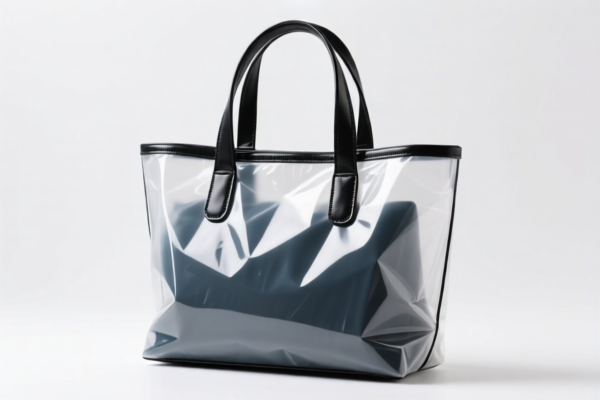
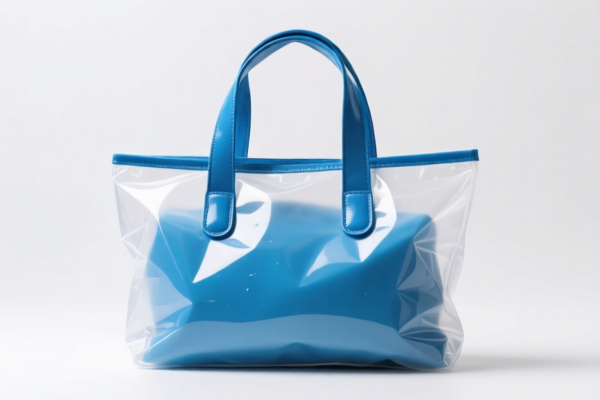
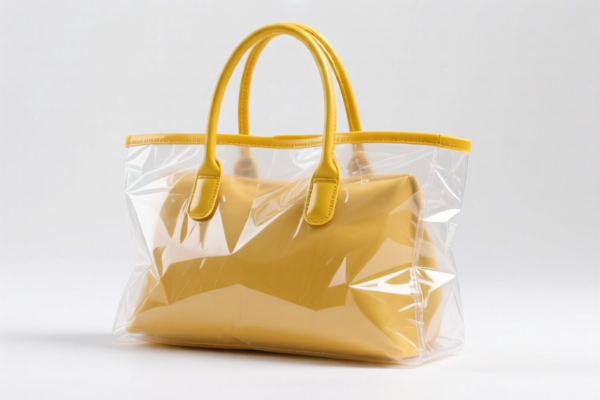
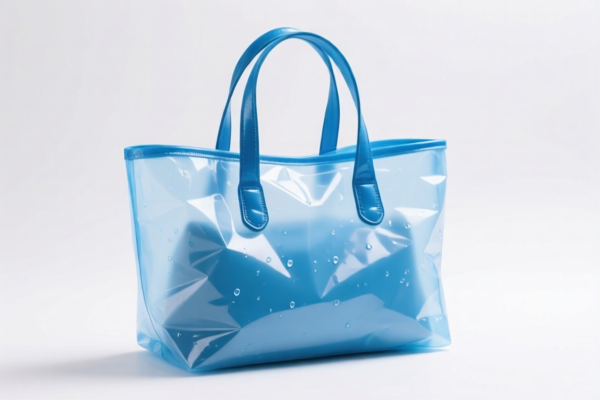
AI Analysis
🛍️ Plastic Waterproof Handbag (Lightweight Plastic Shopping Bags)
🌐 HS Code Reference & Customs Clearance Guide | 2026 Latest Tariff Analysis | Professional-Level Entry Strategy
📌 I. Product Definition & Classification: Do You Really Understand "Plastic Handbags"?
"Plastic Waterproof Handbags" in international trade typically refer to lightweight plastic bags with handles, commonly used for retail shopping. Their classification depends heavily on the material composition (specifically whether it is vinyl/polychloroprene or other polymers) and the physical structure (presence of handles/reinforcement).
Two Main Classification Paths:
- Chapter 39 (Plastics and Articles Thereof): If the bag is made of simple plastic films with handles, it falls under plastic packaging goods.
- Chapter 42 (Articles of Leather; Related Articles): If the bag has specific structural features resembling a "handbag" (e.g., plastic sheet outer surface, reinforced shape), it might be classified as a general article of plastic, though less common for simple shopping bags.
⚠️ Key Distinction Point:
- If it is a simple flexible plastic bag with handles (vinyl/polymer based) → Chapter 39 (Lower Tax Burden relative to Chapter 42 due to base rates, though both face heavy sanctions).
- If it is structured as a rigid/flexible handbag using plastic sheets → Chapter 42 (Higher Base Tariff).
📦 II. HS Code Classification Details (2026 Latest Tariff Authoritative Comparison)
Based on the provided data, here are the three possible HS Codes and their specific tax implications:
| HS Code | Product Description | Key Characteristics | Material/Structure Focus |
|---|---|---|---|
3923.21.00.85 |
Lightweight Plastic Handbag | Fits the definition of retail shopping bags with handles. | Vinyl Polymers (Polyvinyl Chloride - PVC). Focuses on the chemical composition of vinyl. |
3923.21.00.80 |
Lightweight Plastic Handbag | Fits the classification of plastic bags made of plastic. | General Plastic (Polymer). Broader category for plastic bags, less specific to vinyl than .85. |
4202.22.15.00 |
Lightweight Plastic Handbag | Fits the definition of a "handbag" form. | Plastic Sheets. Outer surface is plastic sheet; emphasizes the "handbag" shape rather than just a disposable bag. |
🔍 Critical Reminder:
- All three codes apply to "Lightweight Plastic Handbags" (often synonymous with plastic shopping bags).
- The choice between 39 and 42 depends on whether customs views the item primarily as "packaging" (39) or an "article" (42).
- Note: Code4202.22.15.00has a significantly higher Base Tariff (16%) compared to Chapter 39 (3%), leading to a much higher total tax burden.
💰 III. 2026 Latest Tariff Rate Detailed Breakdown (Including Surcharges & Policy Add-ons)
✅ Applicable Country: United States (US)
✅ Origin: China (CN)
✅ Effective Date: Current/2026 Regime (High Sanctions Apply)
🎯 1. HS Code 3923.21.00.85 & 3923.21.00.80
(Plastic Bags/Shopping Bags - Vinyl or General Plastic)
| Item | Content |
|---|---|
| Base Tariff | 3.0% (ad valorem) |
| Section 301 Surcharge | +25.0% (Standard USITC Footnote for Chinese plastics) |
| Section 122 Surcharge | +10.0% (Specific countermeasure tariff) |
| Total Effective Rate | 38.0% |
| Tax Calculation | CIF Value × 38.0% |
| De Minimis Exemption | ❌ NOT Eligible (These goods are explicitly excluded from $800 de minimis exemption under current enforcement guidelines for Chinese plastics). |
| Legal Basis Path | HTS:3923.21.00.85 / 3923.21.00.80 → USITC:Footnote301 → Section122:10% |
📌 Explanation:
- The Base Rate of 3% is relatively low for plastics, but the 25% Section 301 and 10% Section 122 add up quickly.
- Total Tax: 38%. This is a High-Cost Category.
- Warning: Even if the bag costs $1, you pay $0.38 in taxes. For bulk imports, this erodes margins significantly.
🎯 2. HS Code 4202.22.15.00
(Articles of Plastic: Handbags)
| Item | Content |
|---|---|
| Base Tariff | 16.0% (Higher base rate for "articles" vs "packaging") |
| Section 301 Surcharge | +25.0% |
| Section 122 Surcharge | +10.0% |
| Total Effective Rate | 51.0% |
| Tax Calculation | CIF Value × 51.0% |
| De Minimis Exemption | ❌ NOT Eligible |
| Legal Basis Path | HTS:4202.22.15.00 → USITC:Footnote301 → Section122:10% |
📌 Explanation:
- The Base Rate of 16% is more than 5 times higher than the Chapter 39 rate (3%).
- Total Tax: 51%. This is an Extremely High Tax Burden.
- Why so high? Customs may classify structured plastic handbags as "fashion/accessories" (Chapter 42) rather than simple "packaging" (Chapter 39). If you declare it as a "handbag" instead of a "shopping bag," you face nearly 13% more tax than if classified as a plastic bag.
🛠️ IV. Customs Clearance Practical Advice (Battle-Tested Pitfall Avoidance Guide)
✅ 1. Document Checklist (Non-Negotiable)
| Document | Required? | Purpose |
|---|---|---|
| ✅ Product Description | ✔️ | Must specify: "Lightweight Plastic Handbag for Retail Use" OR "Plastic Shopping Bag". Avoid vague terms like "Plastic Container." |
| ✅ Material Declaration | ✔️ | Explicitly state: "Made of Polyvinyl Chloride (Vinyl)" or "Polyethylene." This determines if it goes to 3923.21.00.85 or 80. |
| ✅ Photos | ✔️ | Show the handle attachment method. If it's a simple heat-sealed handle, lean towards 3923 (Bag). If it has a rigid shape/reinforcement, it might trigger 4202 (Handbag). |
| ✅ Commercial Invoice | ✔️ | Must match HS Code exactly. Do not list "Handbag" if you are declaring 3923.21 (Bag). Consistency is key to avoid audits. |
| ✅ Proof of Origin | ✔️ | Essential for calculating Section 301 and 122 surcharges. |
✅ 2. Classification Strategy (The "Bag vs. Handbag" Debate)
🔥 Golden Rule: "Call it a Bag to Lower the Base Rate; Call it a Handbag to Risk Higher Taxes."
| Scenario | Recommended HS Code | Reasoning | Risk Level |
|---|---|---|---|
| Simple Shopping Bags | 3923.21.00.80 / .85 |
These are functionally packaging. The "hand" part is just a handle. Customs generally accepts "Plastic Bag" classification. | 🟢 Low (if documented correctly) |
| Reinforced/Structured Bags | 4202.22.15.00 |
If the bag has a stiff bottom, internal lining, or complex shape resembling a purse, customs may reclassify as "Handbag" (Ch 42). | 🔴 High (51% Tax) |
| Mixed Shipments | ⚠️ Split Declaration | If shipping both simple bags and structured handbags, declare separately. Do not lump them together. | 🟡 Medium |
💡 Pro Tip:
For standard lightweight plastic shopping bags, always argue for HS 3923.
- Argument: "These are disposable retail shopping bags made of vinyl polymers, designed for single-use or limited reuse, fitting the definition of 'bags of plastics, with handles'."
- Avoid: Using the word "Handbag" in the description if possible, unless structurally necessary. Use "Shopping Bag" or "Carrier Bag."
✅ 3. Special Situations & Mitigation
| Situation | Advice |
|---|---|
| De Minimis ($800) Risk | ⚠️ DO NOT RUSH SMALL PARCELS. Current CBP enforcement targets plastic goods from China. Even under $800, if flagged, you face 38-51% tax + potential penalties. |
| Vinyl vs. Polyethylene | If you can switch material from Vinyl (PVC) to PE, does it change the code? |
> - PVC: 3923.21.00.85 |
|
> - Other Plastic: 3923.21.00.80 |
|
| > - Tax Impact: Same Total Tax (38%), but different base description. Ensure material matches the code. | |
| Alien Tort Claims / Sanctions | Verify the supplier is not on the UFLPA or other restricted lists. Plastic bags are low-risk for human rights, but supply chain transparency is still required. |
🌍 V. Global Market Comparison (2026 Outlook)
| Region | Recommended HS Code | Est. Tax Rate (China Origin) | Notes |
|---|---|---|---|
| 🇺🇸 USA | 3923.21.00.85 / 4202.22.15.00 |
38% - 51% | Heavy Section 301 + 122 tariffs. Highest cost globally. |
| 🇪🇺 EU | 3923.29 or 4202.22 |
6% - 12% | No Section 301/122 equivalents, but standard MFN rates apply. |
| 🇨🇳 China (Import) | 3923.21 |
~3-6% | Low tariffs for inbound plastic bags. |
| 🇲🇽 Mexico | 3923.29 |
0% - 5% (if under USMCA rules) | Potential for lower tariffs if rules of origin are met. |
📌 Conclusion for US Market:
- The US is the most expensive market for Chinese plastic handbags due to combined tariffs (301 + 122).
- Optimization: If possible, source from Vietnam, Thailand, or Mexico to avoid US-China specific surcharges (Section 301/122).
- If sourcing from China, budget for 38% minimum tax.
📌 VI. Common Mistakes & Pitfalls (Lessons Learned)
❌ Mistake 1: Declaring "Plastic Handbag" under 4202.22.15.00 when it's a simple shopping bag.
👉 Consequence: You pay 51% instead of 38%. Loss of 13% profit margin.
❌ Mistake 2: Ignoring Section 122 Surcharge.
👉 Consequence: Under-declaring tax by 10%. CBP audits will result in back taxes + interest + penalties.
❌ Mistake 3: Using De Minimis ($800) for small batches of plastic bags without checking current enforcement.
👉 Consequence: Shipments may be detained for scrutiny, causing delays and storage fees.
✅ Correct Approach:
"Retail Plastic Shopping Bag, Vinyl Material, With Handles, Lightweight, For Single-Use/Limited Reuse"
HS Code:3923.21.00.85
Prepared Tax: 38%
🎯 VII. Conclusion: Professional Declaration, Cost Control!
🎯 Remember the Mantra:
🔹 "Bag, not Handbag (for Ch 39) → 38% Tax."
🔹 "Handbag (for Ch 42) → 51% Tax."
🔹 "Vinyl or Plastic? → Both 38%, but check the 85/80 detail."
📌 Actionable Advice:
1. Re-label products as "Shopping Bags" or "Carrier Bags" if structurally appropriate to justify HS 3923.
2. Verify Material: Ensure the supplier’s COC (Certificate of Compliance) matches the declared polymer (Vinyl vs. Other).
3. Calculate Landed Cost: Include the 38% (or 51%) tax in your pricing model immediately. Do not assume de minimis applies.
✨ Professional customs clearance starts with accurate classification!
💼 Every percentage point matters in the high-tariff plastic trade!
Customer Reviews
About HS Code Classification
The Harmonized System (HS) is an internationally standardized nomenclature developed by the World Customs Organization (WCO) to classify traded products. Over 200 countries use the HS system as the basis for customs tariffs, trade statistics, and import/export regulations.
Each HS code follows a hierarchical structure:
- Chapter (2 digits) — Broad category of goods (e.g., Chapter 84: Machinery and Mechanical Appliances)
- Heading (4 digits) — More specific grouping within the chapter
- Subheading (6 digits) — Internationally standardized breakdown, used by all WCO member countries
- National subdivisions (8-10 digits) — Country-specific extensions for further classification, such as US HTSUS 10-digit codes
Correct HS code classification is essential for smooth customs clearance, accurate duty payment, and compliance with trade regulations. Misclassification can lead to customs delays, overpayment of duties, or penalties.
When importing from CN to US, the applicable tariff rates may include:
- Most-Favored-Nation (MFN) rate — The standard duty rate applied to WTO members
- General rate — Applied to countries without trade agreements
- Trade remedy duties — Additional tariffs such as Section 301 (anti-dumping), Section 232 (national security), or countervailing duties
The information provided on this page is for reference purposes only. For official classification, please consult with your local customs authority or a licensed customs broker.