Plastic Waterproof Roller Shutter
CN → US| HS Code | Tariff Rate | Origin | Destination | Doc |
|---|---|---|---|---|
| 3921902510 | 41.5% | CN | US | Official Doc |
| 6303922050 | 28.8% | CN | US | Official Doc |
| 6303922030 | 28.8% | CN | US | Official Doc |
| 3921902100 | 41.5% | CN | US | Official Doc |
| 3926909989 | 22.8% | CN | US | Official Doc |
Product Images
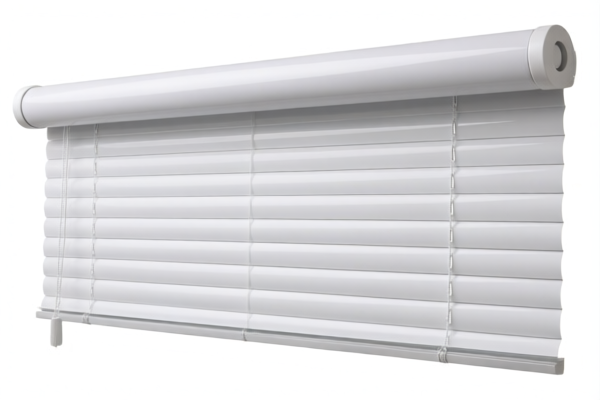
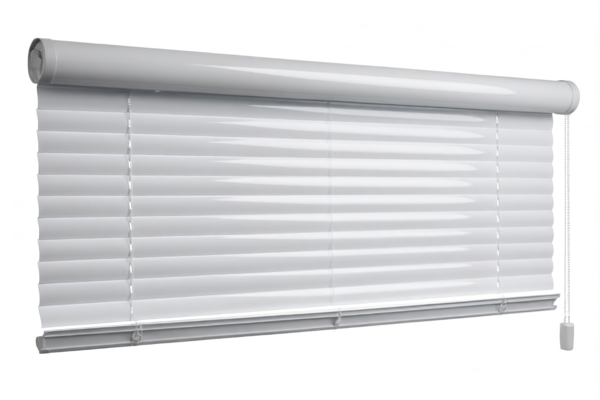
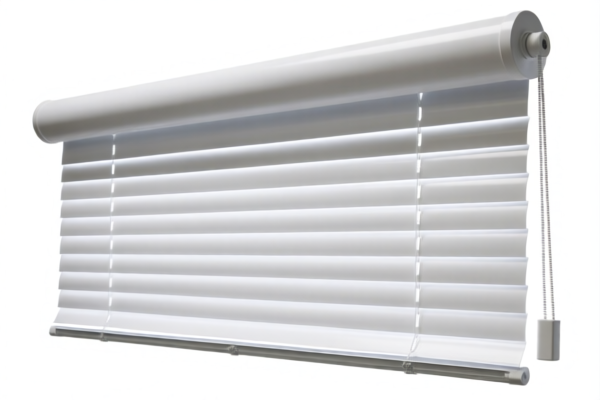
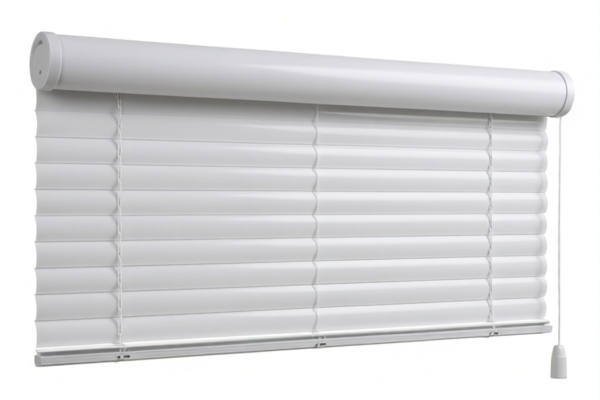
AI Analysis
🏠 Plastic Waterproof Roller Shutter (塑料防水卷帘) | 2026 Customs Classification & Duty Analysis
🌐 HS Code Reference & Clearance Guide | Latest Tariff Analysis for US Imports | Professional Clearance Strategy
📌 I. Product Definition & Classification: What is a "Plastic Waterproof Roller Shutter"?
A Plastic Waterproof Roller Shutter is a flexible, rollable covering made primarily of polymeric materials (PVC, PE, etc.), designed to provide weather protection, privacy, or shading. In international trade, its classification is a contentious battle field between two main categories: 1. As a Finished Curtain/Blind (Chapter 63): If the product is clearly designed for window/door covering, with specific hemming, grommets, or operating mechanisms. 2. As a Plastic Sheet/Film (Chapter 39): If the product is essentially a raw or semi-finished plastic sheet rolled up, without significant processing into a "finished article."
⚠ Key Distinction Point:
- Finished Article (Curtain/Blind): Has distinct features like sewn hems, eyelets, reinforcement tapes, or is marketed specifically as "blinds," "shades," or "curtains." → Chapter 63
- Raw/Semi-Finished (Sheet/Film): Is just a rolled sheet of plastic, potentially with basic perforations but no specific finishing for hanging as a blind. → Chapter 39
- Other Plastic Articles: If it doesn’t fit neatly into 39 or 63, it falls under the "Other" basket. → Chapter 39/84 (Specifically 3926)
📦 **II. Detailed Classification Analysis (Based on Provided Data: 2026 Latest Tariff Schedule for China-Origin Goods to US)
The following analysis is strictly based on the provided data set, which presents five potentialHS Code classifications with varying tax burdens.
| HS Code | Summary/Reasoning from Data | Total Tax Rate | Key Characteristic |
|---|---|---|---|
| 3921.90.25.10 | Plastic Material + Sheet/Film Category: Classified as a "sheet/film/bar" type composite plastic material. The shutter is viewed as a rolled plastic sheet. | 41.5% | High Tax. Viewed as raw/semi-finished plastic product. |
| 6303.92.20.50 | Synthetic Fiber/Curtain Category: Inferred as synthetic fiber material; roller shutter form fits "curtains/shades." | 28.8% | Lowest Tax Option. Viewed as a finished textile/plastic curtain. |
| 6303.92.20.30 | Light Blocking/Shading Category: Use is for shading/blindage; material (plastic) matches synthetic fiber attributes; form fits "curtain/shade." | 28.8% | Lowest Tax Option. Same as above, different sub-level detail. |
| 3921.90.21.00 | Plastic Material + Sheet Characteristic: Plastic material + roller form fits "sheet" category. No conflict in use. | 41.5% | High Tax. Similar to 3921.90.25.10. |
| 3926.90.99.89 | Other Plastic Article: Direct match for "plastic material"; roller shutter is a "finished product"; fits the "other plastic articles" catch-all logic. | 22.8% | Medium/Low Tax. Best for general plastic goods that don’t fit specific sheet or curtain definitions. |
🔍 Critical Insight:
- Chapter 63 (6303.92.20.x0) offers the lowest duty (28.8%) but requires strong evidence that the item is a "finished curtain/blind" (e.g., sewing, eyelets, specific marketing).
- Chapter 39 (3926.90.99.89) offers a competitive rate (22.8%) and is often safer for generic plastic roller shades that may not meet strict "textile/curtain" definitions.
- Chapter 39 (3921.90.x0) is the most expensive (41.5%) and should be avoided unless the product is indisputably a raw plastic sheet.
💰 **III. Detailed Tariff Breakdown (2026 US Imports from China)
✅ Applicable Country: United States (US)
✅ Origin: China (CN)
✅ Effective Date: November 10, 2025 (and subsequent imports)
🎯 1. The "Best" Options: Chapter 63 (Curtains/Shades) – 28.8% Total Tax
HS Codes: 6303.92.20.50 / 6303.92.20.30
| Item | Detail |
|---|---|
| Base Duty | 11.3% |
| Section 301 Surcharge | 7.5% |
| *IEEPA Surcharge (122 Clause) | 10.0% |
| Total Duty Rate | 28.8% |
| De Minimis Exemptions | ❌ Not Eligible (deny_de_minimis for China origin above $800) |
| Legal Path | Base Tariff → Section 301 → IEEPA:122 Clause |
📌 Why This Rate?:
- The 11.3% base rate is for "Other curtains... of man-made fibers."
- The 7.5% is the remaining Section 301 tariff on many Chapter 63 goods.
- The 10% is the IEEPA (122 Clause) surcharge on Chinese goods.
- Total: 11.3 + 7.5 + 10 = 28.8%
🎯 2. The "Safe" Alternative: Chapter 39 (Other Plastic Articles) – 22.8% Total Tax
HS Code: 3926.90.99.89
| Item | Detail |
|---|---|
| Base Duty | 5.3% |
| Section 301 Surcharge | 7.5% |
| *IEEPA Surcharge (122 Clause) | 10.0% |
| Total Duty Rate | 22.8% |
| De Minimis Exemptions | ❌ Not Eligible |
| Legal Path | Base Tariff → Section 301 → IEEPA:122 Clause |
📌 Why This Rate?:
- 3926.90.99.89 is the "Other" basket for plastic articles.
- Base duty is lower (5.3%).
- Section 301 and IEEPA add 7.5% + 10%.
- Total: 5.3 + 7.5 + 10 = 22.8%
- ⚠ Warning: This requires arguing that the roller shutter is NOT a curtain (Chapter 63) but a general plastic article. Customs may challenge this if it’s clearly a window shade.
🎯 3. The "Avoid" Option: Chapter 39 (Plastic Sheets) – 41.5% Total Tax
HS Codes: 3921.90.25.10 / 3921.90.21.00
| Item | Detail |
|---|---|
| Base Duty | 6.5% |
| Section 301 Surcharge | 25.0% |
| *IEEPA Surcharge (122 Clause) | 10.0% |
| Total Duty Rate | 41.5% |
| De Minimis Exemptions | ❌ Not Eligible |
| Legal Path | Base Tariff → Section 301 → IEEPA:122 Clause |
📌 Why So High?:
- 3921.90 is for "Other plates, sheets, film..."
- Section 301 imposes a 25% surcharge on these plastic sheets.
- Total: 6.5 + 25 + 10 = 41.5%
- Strategy: Only use this if the product is unequivocally a raw plastic sheet with no curtain-like features.
🛠 **IV. Clearance Practical Advice (Pitfall Avoidance Guide)
✅ **1. Documentation Checklist (Crucial for Classifications 63 vs 3926 vs 3921)
| Document | Required? | Purpose |
|---|---|---|
| ✅ Product Specification Sheet | ✔ | Detail dimensions, material (PVC %), thickness, weight. |
| ✅ High-Resolution Photos | ✔ | Show hems, eyelets, grommets, operating cords, or valances. This proves "Finished Article" status for Ch 63/3926. |
| ✅ Marketing Brochure/Label | ✔ | Does it say "Window Shade," "Curtain," or "Plastic Sheet"? This guides customs interpretation. |
| ✅ Bill of Lading/Packing List | ✔ | Must describe item accurately (e.g., "PVC Roller Blinds" vs "PVC Rolled Sheet"). |
| ✅ Customs Ruling (Optional but Recommended | ✔ | If uncertain, apply for a binding ruling before shipment. |
✅ **2. Classification Strategy (Key Mnemonic)
🔥 "Finish Defines Category: Hems & Eyes = 63/3926; Raw Roll = 3921"
| Scenario | Recommended Classification | Duty Rate | Reason |
|---|---|---|---|
| With Hems, Eyelets, Grommets | 6303.92.20.50 / .30 |
28.8% | Meets definition of "Curtain/Blind." |
| Plain Plastic Roll, No Finishing | 3926.90.99.89 |
22.8% | Safer than 3921.90. Considered "Other Plastic Article." |
| Raw Plastic Sheet (Bulk Roll, No Edging | 3921.90.25.10 |
41.5% | Highest risk/cost. Avoid unless necessary. |
⚠ Critical Note:
- If you classify as6303.92.20.50(28.8%) but Customs determines it’s a raw sheet, they may reclassify to3921.90.25.10(41.5%) and charge the difference + fines.
-3926.90.99.89(22.8%) is often the most defensible middle ground for plastic roller shades that are clearly finished products but don’t fit the strict "textile" definition of Chapter 63.
✅ **3. Special Handling Tips
| Situation | Advice |
|---|---|
| OEM Custom Shades | Provide design files and client POs to prove intended use as "shades," not sheets. |
| Mixed Containers | Ensure all plastic roller shutters are grouped together. Don’t mix with other plastics to avoid complex classification audits. |
| Material Composition | If the plastic contains >10% synthetic fibers, Chapter 63 becomes stronger. If 100% plastic, Chapter 3926 is safer than 3921. |
🌍 **V. Global Market Comparison (2026)
| Country/Region | Recommended Code | Duty Rate | Notes |
|---|---|---|---|
| 🇺🇸 United States | 3926.90.99.89 |
22.8% | Best balance of low duty and defensible classification. |
| 🇺🇸 United States | 6303.92.20.50 |
28.8% | Use only if clearly a textile-like curtain. |
| 🇺🇸 United States | 3921.90.25.10 |
41.5% | Avoid. High penalty for misclassification. |
| 🇪🇺 European Union | 6303.92 |
~12% | Lower base duty, but VAT applies. No 122 Clause. |
| 🇨🇳 China | 6303.92 |
11.3% | Export duty may apply. Check latest Chinese export policies. |
📌 Conclusion:
- For US Imports,3926.90.99.89(22.8%) is the optimal choice for most plastic waterproof roller shutters, offering the lowest duty while remaining compliant if the product is a finished article.
-6303.92.20.50(28.8%) is a strong alternative if the product is heavily finished (sewn, grommeted).
- Avoid3921.90codes unless you are importing bulk raw plastic sheets.
📌 **VI. Common Mistakes & Pitfall Guide
❌ Mistake 1: Classifying a finished plastic shade as 3921.90.25.10
👉 Consequence: Paying 41.5% duty instead of 22.8% or 28.8%. Overpayment!
❌ Mistake 2: Classifying a raw plastic sheet as 6303.92.20.50
👉 Consequence: Customs reclassifies to 3921.90.25.10 and charges 41.5% + Penalties. Underpayment!
❌ Mistake 3: Using vague descriptions like "Plastic Roll"
👉 Consequence: Customs has full power to assign the highest applicable duty. Use precise terms!
✅ Best Practice:
"PVC Waterproof Roller Blind, 24"x36", with Grommets, Sold as Finished Article, Model XYZ"
🎯 **VII. Conclusion: Precision Classification Saves Money!
🎯 Remember the Mantra:
🔹 "Finished Article? Aim for 22.8% (3926) or 28.8% (6303). Avoid 41.5% (3921)."
🔹 "HS Code is King: A 18.7% difference (22.8% vs 41.5%) can make or break your margin!"
📌 Pro Tip:
If you are unsure whether your product qualifies as a "Curtain" (Ch 63) or "Other Plastic Article" (Ch 3926), apply for a Binding Ruling with US Customs and Border Protection (CBP). The cost of a ruling is far less than the penalty of misclassification.
📣 Take Action Now:
📞 Consult a licensed customs broker.
📦 Provide clear photos of the finished edges and hardware.
🚀 Clear your plastic roller shutters smoothly, legally, and profitably!
✨ Professional Clearance Starts with Accurate Classification!
💼 Every Percentage Point of Duty Saved is Profit Gained!
Customer Reviews
About HS Code Classification
The Harmonized System (HS) is an internationally standardized nomenclature developed by the World Customs Organization (WCO) to classify traded products. Over 200 countries use the HS system as the basis for customs tariffs, trade statistics, and import/export regulations.
Each HS code follows a hierarchical structure:
- Chapter (2 digits) — Broad category of goods (e.g., Chapter 84: Machinery and Mechanical Appliances)
- Heading (4 digits) — More specific grouping within the chapter
- Subheading (6 digits) — Internationally standardized breakdown, used by all WCO member countries
- National subdivisions (8-10 digits) — Country-specific extensions for further classification, such as US HTSUS 10-digit codes
Correct HS code classification is essential for smooth customs clearance, accurate duty payment, and compliance with trade regulations. Misclassification can lead to customs delays, overpayment of duties, or penalties.
When importing from CN to US, the applicable tariff rates may include:
- Most-Favored-Nation (MFN) rate — The standard duty rate applied to WTO members
- General rate — Applied to countries without trade agreements
- Trade remedy duties — Additional tariffs such as Section 301 (anti-dumping), Section 232 (national security), or countervailing duties
The information provided on this page is for reference purposes only. For official classification, please consult with your local customs authority or a licensed customs broker.