Plastic Waterproof Shoe Covers
CN → US| HS Code | Tariff Rate | Origin | Destination | Doc |
|---|---|---|---|---|
| 6406104500 | 23.5% | CN | US | Official Doc |
| 6406903060 | 15.3% | CN | US | Official Doc |
| 3926206000 | 35.0% | CN | US | Official Doc |
| 6307909891 | 24.5% | CN | US | Official Doc |
| 6405902000 | 21.3% | CN | US | Official Doc |
Product Images
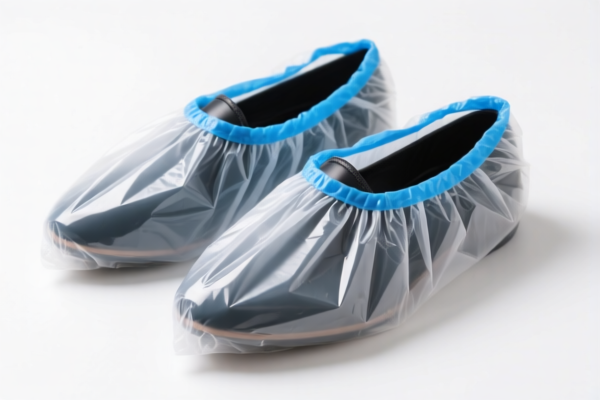
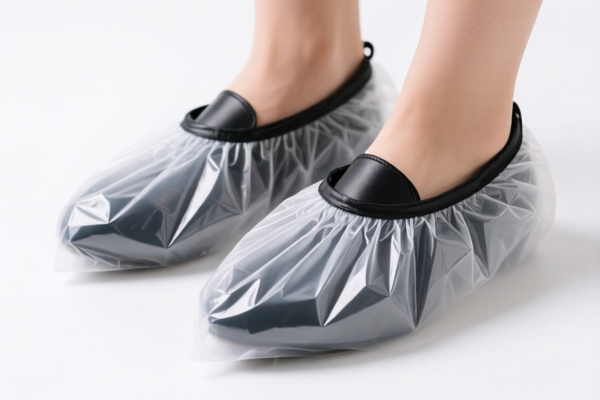
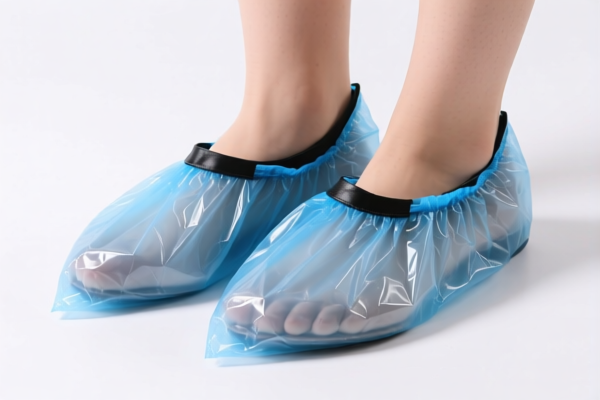

AI Analysis
🥾 Plastic Waterproof Shoe Covers: The Ultimate Clearance Guide | 2026 HS Code & Tax Analysis
🌐 HS Code Reference & Customs Clearance Guide | 2026 Latest Tariff Breakdown | Professional-Level Strategy
📌 Part 1: Product Definition & Classification: Do You Really Know "Shoe Covers"?
Plastic waterproof shoe covers are protective garments designed to be worn over footwear to prevent dirt, water, and contaminants from damaging the shoes or the environment. In international trade, these products are often misunderstood because they straddle the line between "Footwear Components" and "Plastic Articles/Apparel."
The core distinction lies in material composition and end-use: 1. Footwear Accessories: If the cover is designed to stay on the foot like a shoe (e.g., reusable rubber/plastic overshoes), it may fall under Chapter 64. 2. Plastic Articles: If it is a disposable plastic film (like PVC or PE) intended for hygiene/construction, it may fall under Chapter 39. 3. Textile/Other Articles: If it fits into other miscellaneous protective gear, it may fall under Chapter 63.
⚠️ Critical Distinction Point: - Reusable, structured, sole-equipped covers → Likely 6406/6405 (Footwear parts). - Disposable, flexible film, non-structured covers → Likely 3926/6307 (Plastic/Other made-up articles).
📦 Part 2: HS Code Classification Matrix (2026 Latest Tariff Authority Comparison)
Based on the provided data, here are the 5 potential classifications for Plastic Waterproof Shoe Covers, ranked by strategic tax efficiency.
| HS Code | Product Description | Key Characteristics | Material Basis |
|---|---|---|---|
| 6406.10.45.00 | Footwear Parts: Waterproof covers, rubber/plastic | Structured, reusable, protective | Rubber or Plastic |
| 6406.90.30.60 | Footwear Parts: Other footwear accessories | Other materials, general protection | Other (Rubber/Plastic inferred) |
| 6405.90.20.00 | Footwear: Other footwear (Disposable) | Single-use, plastic material | Plastic (Disposable) |
| 6307.90.98.91 | Other Made-up Articles: Finished goods | General purpose, plastic/rubber | Plastic or Rubber |
| 3926.20.60.00 | Plastic Articles: Rainwear/Overalls | Classified as protective clothing | PVC/Plastic |
🔍 Key Insight: - 6406.10.45.00 is often the most accurate for reusable, durable shoe covers that mimic footwear structure. - 6405.90.20.00 is specific for disposable plastic covers (single-use). - 3926.20.60.00 is the highest risk category, often flagged for high tariffs if misclassified as "plastic rainwear" instead of footwear protection.
💰 Part 3: 2026 Latest Tariff Rate Breakdown (Including Surtaxes & Policy Add-ons)
✅ Applicable Country: USA (US) ✅ Origin: China (CN) ✅ Effective Date: Post-2025 Policy Implementation
🎯 1. 6406.10.45.00 — Footwear Parts: Waterproof (Rubber/Plastic)
| Item | Detail |
|---|---|
| Base Tariff | 6.0% |
| Section 301 Surcharge | 7.5% |
| IEEPA 122 Clause Surcharge | 10.0% |
| Total Effective Rate | 23.5% |
| Tax Calculation | CIF Value × 23.5% |
| De Minimis Exemption | ❌ Not Eligible |
| Legal Basis | Base Rate → 301 Footnote → IEEPA 122 |
📌 Explanation: - This is often the most balanced option for durable, reusable covers. - The total tax burden is moderate compared to other categories. - Best for: Reusable rubber/plastic overshoes for industrial or medical use.
🎯 2. 6406.90.30.60 — Other Footwear Accessories
| Item | Detail |
|---|---|
| Base Tariff | 5.3% |
| Section 301 Surcharge | 0.0% |
| IEEPA 122 Clause Surcharge | 10.0% |
| Total Effective Rate | 15.3% |
| Tax Calculation | CIF Value × 15.3% |
| De Minimis Exemption | ❌ Not Eligible |
| Legal Basis | Base Rate → IEEPA 122 |
📌 Explanation: - Lowest Total Tax Rate! - Crucial: No Section 301 surcharge (0.0%), only the IEEPA 10%. - Best for: Footwear accessories that don't fit neatly into "rubber/plastic waterproof" specifics but are still considered part of the footwear ecosystem.
🎯 3. 3926.20.60.00 — Plastic Articles: Rainwear/Overalls
| Item | Detail |
|---|---|
| Base Tariff | 0.0% |
| Section 301 Surcharge | 25.0% |
| IEEPA 122 Clause Surcharge | 10.0% |
| Total Effective Rate | 35.0% |
| Tax Calculation | CIF Value × 35.0% |
| De Minimis Exemption | ❌ Not Eligible |
| Legal Basis | 301 Footnote → IEEPA 122 |
📌 Explanation: - Highest Tariff Risk! - While the base rate is 0%, the 25% Section 301 surcharge drastically increases costs. - Best for: Avoid unless you have no other option. Misclassifying shoe covers as "rainwear" is a common customs error that leads to high bills.
🎯 4. 6307.90.98.91 — Other Made-up Articles
| Item | Detail |
|---|---|
| Base Tariff | 7.0% |
| Section 301 Surcharge | 7.5% |
| IEEPA 122 Clause Surcharge | 10.0% |
| Total Effective Rate | 24.5% |
| Tax Calculation | CIF Value × 24.5% |
| De Minimis Exemption | ❌ Not Eligible |
| Legal Basis | Base Rate → 301 Footnote → IEEPA 122 |
📌 Explanation: - Similar to 6406.10.45.00, but slightly higher due to base rate. - Best for: Covers that don't meet the strict "footwear part" definition but are finished protective articles.
🎯 5. 6405.90.20.00 — Other Footwear: Disposable Plastic
| Item | Detail |
|---|---|
| Base Tariff | 3.8% |
| Section 301 Surcharge | 7.5% |
| IEEPA 122 Clause Surcharge | 10.0% |
| Total Effective Rate | 21.3% |
| Tax Calculation | CIF Value × 21.3% |
| De Minimis Exemption | ❌ Not Eligible |
| Legal Basis | Base Rate → 301 Footnote → IEEPA 122 |
📌 Explanation: - Competitive Rate for Disposable Products. - If your product is explicitly single-use and made of plastic, this is the most accurate and cost-effective classification. - Best for: Disposable plastic shoe covers for events, construction, or hygiene.
🛠️ Part 4: Customs Clearance Practical Advice (Real-World Pitfall Avoidance)
✅ 1. Documentation Checklist (Mandatory)
| Document | Required | Purpose |
|---|---|---|
| ✅ Product Specification Sheet | ✔️ | Detail material (Rubber vs. PVC vs. PE), thickness, reusability. |
| ✅ Product Photos | ✔️ | Show structure (sole, closure) to distinguish from "plastic bag." |
| ✅ Commercial Invoice | ✔️ | Clearly state: "Waterproof Shoe Covers, Not for Footwear Use" OR "Disposable Plastic Shoe Covers." |
| ✅ Material Certificate | ✔️ | Prove material is Rubber/Plastic to support 64xx or 39xx classification. |
| ✅ Usage Statement | ✔️ | Explain end-use (e.g., "Used in construction sites," "Medical isolation"). |
✅ 2. Declaration Tips (Key Mnemonics)
🔥 “Structure Determines Code, Reusability Drives Tax!”
| Scenario | Recommended HS Code | Why? |
|---|---|---|
| Reusable, Rubber/Plastic, with Sole | 6406.10.45.00 |
Fits "Footwear Parts" definition; moderate tax (23.5%). |
| Disposable, Thin Plastic, No Sole | 6405.90.20.00 |
Fits "Other Footwear" (disposable); lower tax (21.3%). |
| Generic Protective Cover, Ambiguous | 6307.90.98.91 |
Catch-all for made-up articles; safe but slightly higher tax (24.5%). |
| Avoid at All Costs | 3926.20.60.00 |
High risk, 35% tax; only use if classified as "Rainwear" (rare for shoe covers). |
| Lowest Tax Strategy | 6406.90.30.60 |
If eligible, 15.3% is the best rate (no 301 surcharge). |
✅ 3. Special Circumstances Handling
| Situation | Handling Advice |
|---|---|
| Mixed Containers (Reusable + Disposable) | Declare separately! Do not mix codes. Mixed classification can lead to audits. |
| OEM Custom Designs | Provide design drawings to prove if it’s a "footwear part" (64xx) or "plastic article" (39xx/63xx). |
| Medical/Isolation Use | Emphasize hygiene function. May support 6405 or 6307 over 3926. |
| Construction Site Use | Emphasize durability. Supports 6406 (Footwear Parts). |
🌍 Part 5: Global Market Comparison (2026 Latest)
| Market | Recommended HS Code | Est. Total Tax Rate | Notes |
|---|---|---|---|
| 🇺🇸 USA | 6406.90.30.60 |
15.3% | Lowest US rate; avoid 3926 (35%). |
| 🇪🇺 EU | Varies | 0-4.7% | No IEEPA/301 surcharges; lower overall burden. |
| 🇨🇳 China | Varies | 5-10% | Standard MFN rates; no additional US-style tariffs. |
| 🇬🇧 UK | Varies | 0-6.5% | Post-Brexit rules; generally favorable. |
| 🇨🇦 Canada | Varies | 0-5% | USMCA may apply if originating in NA. |
📌 Conclusion: - USA is the most expensive market due to IEEPA and 301 tariffs. - Strategic Choice: Opt for
6406.90.30.60(15.3%) if possible, or6405.90.20.00(21.3%) for disposables. - Avoid3926.20.60.00unless you have no other choice, as the 35% rate erodes margins.
📌 Part 6: Common Mistakes & Pitfalls (Lessons from the Field)
❌ Mistake 1: Classifying reusable rubber covers as "Plastic Bags" (3926).
👉 Consequence: 35% tax instead of 23.5%. Overpayment!
❌ Mistake 2: Claiming De Minimis for large shipments. 👉 Consequence: All entries under $800 are now subject to scrutiny; no exemption for these HS codes.
❌ Mistake 3: Mixing "Footwear Parts" and "Plastic Articles" in one declaration. 👉 Consequence: Customs audit, delays, and potential penalties.
❌ Mistake 4: Ignoring the "IEEPA 122 Clause." 👉 Consequence: Underestimating total cost by 10%. All these codes include a 10% surcharge.
✅ Correct Approach:
"Waterproof Shoe Covers, Reusable, Rubber Material, Non-Absorbent, for Industrial Use, Model ABC, HS 6406.10.45.00"
🎯 Part 7: Conclusion: Professional Declaration Saves Money!
🎯 Remember the Rules:
🔹 "Reusable = Footwear Part (6406)" 🔹 "Disposable = Other Footwear (6405)" 🔹 "Ambiguous = Other Articles (6307)" 🔹 "Rainwear Label = High Tax (3926) – AVOID!" 🔹 "IEEPA 10% + 301 Varies = Always Factor In!"
📌 Pro Tip:
If you are shipping large volumes to the USA, consider: 1. Pre-Requesting a Binding Ruling from CBP for your specific product design. 2. Evaluating Country of Origin: If assembled in Vietnam/Malaysia, check for IEEPA Exemptions (can drop tax to 0-5%). 3. Negotiating Incoterms: Ensure CIF/FOB prices account for the 15-35% tax burden.
📣 Take Action Now:
📞 Contact a Certified Customs Broker 📄 Prepare Detailed Product Specs 🚀 Optimize Your HS Code for Lowest Legitimate Tax
✨ Professional Customs Clearance Starts with Accurate Classification! 💼 Your Profit Margin Depends on Every Percent Point of Tax!
Customer Reviews
About HS Code Classification
The Harmonized System (HS) is an internationally standardized nomenclature developed by the World Customs Organization (WCO) to classify traded products. Over 200 countries use the HS system as the basis for customs tariffs, trade statistics, and import/export regulations.
Each HS code follows a hierarchical structure:
- Chapter (2 digits) — Broad category of goods (e.g., Chapter 84: Machinery and Mechanical Appliances)
- Heading (4 digits) — More specific grouping within the chapter
- Subheading (6 digits) — Internationally standardized breakdown, used by all WCO member countries
- National subdivisions (8-10 digits) — Country-specific extensions for further classification, such as US HTSUS 10-digit codes
Correct HS code classification is essential for smooth customs clearance, accurate duty payment, and compliance with trade regulations. Misclassification can lead to customs delays, overpayment of duties, or penalties.
When importing from CN to US, the applicable tariff rates may include:
- Most-Favored-Nation (MFN) rate — The standard duty rate applied to WTO members
- General rate — Applied to countries without trade agreements
- Trade remedy duties — Additional tariffs such as Section 301 (anti-dumping), Section 232 (national security), or countervailing duties
The information provided on this page is for reference purposes only. For official classification, please consult with your local customs authority or a licensed customs broker.