Plastic Work Clothes
CN → US| HS Code | Tariff Rate | Origin | Destination | Doc |
|---|---|---|---|---|
| 3921901500 | 41.5% | CN | US | Official Doc |
| 3926206000 | 35.0% | CN | US | Official Doc |
| 6210203000 | 13.8% | CN | US | Official Doc |
| 6210207000 | 13.3% | CN | US | Official Doc |
| 6210401500 | 21.3% | CN | US | Official Doc |
Product Images
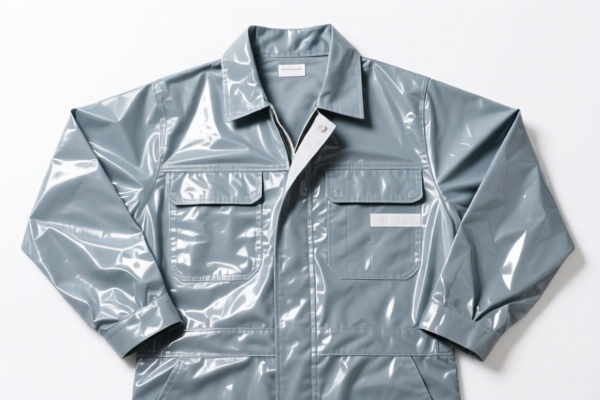
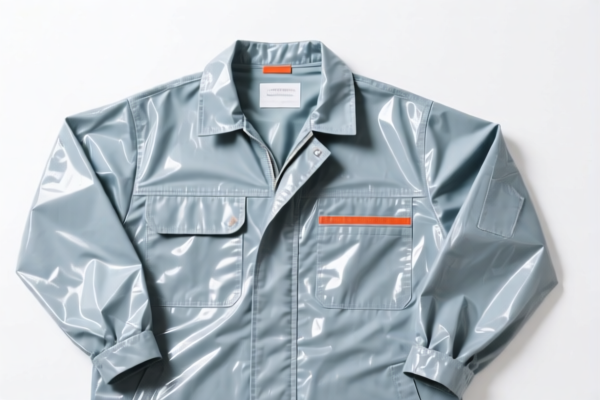
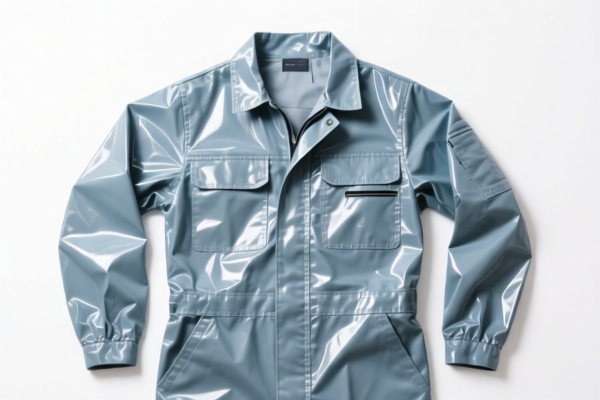
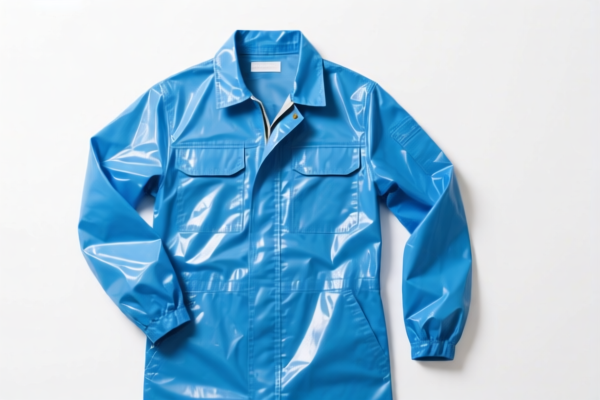
AI Analysis
🧥 Plastic Work Clothes (Protective Gear)
🌐 HS Code Reference & Customs Clearance Guide | 2026 Latest Tariff Analysis | Professional Clearance Strategy
📌 I. Product Definition & Classification: Do You Really Understand "Plastic Work Clothes"?
Plastic work clothes, often referred to as protective suits, chemical protective clothing, or coated workwear, are essential safety gear in industrial, construction, and medical sectors. In international trade, the classification depends heavily on the material composition, manufacturing process (coated vs. laminated), and function.
Key Distinctions:
- Pure Plastic Garments: Made entirely of plastic materials (e.g., PVC, PE suits) → Often classified under Chapter 39.
- Coated/Laminated Textiles: Fabric (synthetic fibers) base with a plastic coating or layer → Often classified under Chapter 62.
- General Plastic Articles: Finished plastic goods not specific to apparel → May fall under Chapter 39 general articles.
⚠️ Critical Classification Point:
- If the garment is primarily plastic and used as protective clothing → Check 3921.90.15.00.
- If it is textile-based with plastic coating → Check 6210.20.30.00 / 6210.20.70.00.
- If it is general plastic protective wear without textile substrate → Check 3926.20.60.00.
📦 II. HS Code Classification Details (2026 Latest Tariff Authority Comparison)
| HS Code | Product Description | Application Scenario | Material Basis |
|---|---|---|---|
3921.90.15.00 |
Plastic protective clothing, based on plastic material and finished consumer goods name inference | Pure plastic suits (PVC/PE), chemical protection | ✅ Pure Plastic |
3926.20.60.00 |
Plastic protective clothing, belongs to clothing and clothing accessories category, no material conflict | General plastic protective apparel, no textile mix | ✅ Pure Plastic |
6210.20.30.00 |
Plastic protective clothing, realized through plastic coating/lamination process, contains synthetic fiber base and plastic coating | Coated workwear, industrial protective suits | ✅ Textile + Plastic Coating |
6210.20.70.00 |
Plastic protective clothing, outer surface covered with plastic material,符合 coating or covering plastic material clothing description | Coated fabrics, laminated protective wear | ✅ Textile + Plastic Layer |
6210.40.15.00 |
Plastic-coated men's/children's workwear, purpose is workwear, form is coated, material fits man-made fiber/plastic coated features | Men's/Children's coated work jackets/pants | ✅ Synthetic Fiber + Plastic Coating |
🔍 Key Reminder:
- Pure plastic suits (no fabric base) should generally be classified under Chapter 39 (3921or3926).
- Coated/Laminated suits (fabric base + plastic layer) should be classified under Chapter 62 (6210).
- Misclassification Risk: Declaring a coated fabric suit as "pure plastic" (3921) may lead to higher tariffs (e.g., 41.5% vs. 13.8%).
💰 III. 2026 Latest Tariff Rate Details (Including Additional Taxes, Policy Add-ons)
✅ Applicable Country: United States (US)
✅ Origin: China (CN)
✅ Effective Date: From November 10, 2025 (including subsequent imports)
🎯 1. 3921.90.15.00 —— Plastic Protective Clothing (Pure Plastic Material)
| Item | Content |
|---|---|
| Base Tariff | 6.5% |
| Section 301 Additional Tariff | +25.0% |
| Section 122 Tariff | +10.0% |
| Total Tariff | 41.5% |
| Tax Calculation | CIF Value × 41.5% |
| De Minimis Exemption | ❌ Not Eligible (deny_de_minimis) |
| Legal Basis Path | Base Tariff: 6.5% → Section 301: 25% → Section 122: 10% |
📌 Explanation:
- 6.5% Base Tariff: Standard import duty for plastic articles of heading 3921.
- 25% Section 301: Additional tariff imposed on Chinese goods under US Trade Law Section 301.
- 10% Section 122: Additional tariff under Section 122 (often related to national security or specific trade remedies).
- Total 41.5%: Extremely high tariff, significantly increasing clearance costs.
🎯 2. 3926.20.60.00 —— Plastic Protective Clothing (Clothing & Accessories Category)
| Item | Content |
|---|---|
| Base Tariff | 0.0% |
| Section 301 Additional Tariff | +25.0% |
| Section 122 Tariff | +10.0% |
| Total Tariff | 35.0% |
| Tax Calculation | CIF Value × 35.0% |
| De Minimis Exemption | ❌ Not Eligible |
| Legal Basis Path | Base Tariff: 0.0% → Section 301: 25% → Section 122: 10% |
📌 Note:
- Lower base tariff (0%) compared to3921.90.15.00, but still subject to high additional tariffs.
- Suitable for general plastic protective apparel without textile mix.
🎯 3. 6210.20.30.00 —— Plastic Protective Clothing (Coating/Lamination Process, Synthetic Fiber Base)
| Item | Content |
|---|---|
| Base Tariff | 3.8% |
| Section 301 Additional Tariff | 0.0% |
| Section 122 Tariff | +10.0% |
| Total Tariff | 13.8% |
| Tax Calculation | CIF Value × 13.8% |
| De Minimis Exemption | ❌ Not Eligible |
| Legal Basis Path | Base Tariff: 3.8% → Section 301: 0% → Section 122: 10% |
📌 Explanation:
- 3.8% Base Tariff: Standard duty for coated/laminated textile clothing.
- 0% Section 301: Many textile categories under Chapter 62 are exempt from Section 301 additional tariffs.
- 10% Section 122: Still applicable.
- Total 13.8%: Significantly lower than pure plastic classifications. This is the optimal tariff class if the product qualifies.
🎯 4. 6210.20.70.00 —— Plastic Protective Clothing (Outer Surface Covered with Plastic)
| Item | Content |
|---|---|
| Base Tariff | 3.3% |
| Section 301 Additional Tariff | 0.0% |
| Section 122 Tariff | +10.0% |
| Total Tariff | 13.3% |
| Tax Calculation | CIF Value × 13.3% |
| De Minimis Exemption | ❌ Not Eligible |
| Legal Basis Path | Base Tariff: 3.3% → Section 301: 0% → Section 122: 10% |
📌 Note:
- Similar to6210.20.30.00, but with a slightly lower base tariff (3.3%).
- Ideal for garments where the plastic layer is clearly an outer coating or cover.
🎯 5. 6210.40.15.00 —— Plastic-Coated Men's/Children's Workwear
| Item | Content |
|---|---|
| Base Tariff | 3.8% |
| Section 301 Additional Tariff | +7.5% |
| Section 122 Tariff | +10.0% |
| Total Tariff | 21.3% |
| Tax Calculation | CIF Value × 21.3% |
| De Minimis Exemption | ❌ Not Eligible |
| Legal Basis Path | Base Tariff: 3.8% → Section 301: 7.5% → Section 122: 10% |
📌 Special Case:
- Applies specifically to men's or children's workwear with plastic coating.
- Subject to a partial Section 301 tariff (7.5%) in addition to Section 122 (10%).
- Total 21.3% is higher than general coated garments (6210.20) but lower than pure plastic (3921).
🛠️ IV. Customs Clearance Practical Advice (Combat Pitfall Avoidance Guide)
✅ 1. Document Checklist (All Required)
| Document | Must Provide | Description |
|---|---|---|
| ✅ Product Specification Sheet | ✔️ | Includes material composition (e.g., "Polyester base + PVC coating"), thickness, size |
| ✅ Process Description | ✔️ | Clarify if it is coated, laminated, or pure plastic |
| ✅ Product Photos (with label) | ✔️ | Show texture, stitching, and any plastic layers |
| ✅ Third-Party Test Report | ✔️ | Material analysis report (critical for proving "coated textile" vs. "pure plastic") |
| ✅ Commercial Invoice | ✔️ | Clearly state "Plastic-Coated Workwear" or "Protective Suit" |
| ✅ Packing List | ✔️ | Detail contents, avoid mixing different types of goods |
✅ 2. Declaration Tips (Key Mantra)
🔥 "Coated Textile, Low Tax; Pure Plastic, High Tax. Prove the Base!"
| Situation | Correct Declaration | Wrong Practice |
|---|---|---|
| Fabric base + Plastic Coating | 6210.20.30.00 or 6210.20.70.00 (13.3-13.8%) |
Misdeclare as 3921.90.15.00 (41.5%) |
| Pure Plastic Suit (No Fabric) | 3921.90.15.00 or 3926.20.60.00 (35-41.5%) |
Misdeclare as coated textile |
| Men's/Children's Coated Workwear | 6210.40.15.00 (21.3%) |
Generic declaration |
| Mixed Packaging (Plastic + Textile) | Split Declaration | Combine into one line → Risk of audit |
✅ 3. Special Case Handling
| Situation | Handling Advice |
|---|---|
| OEM Custom Protective Suits | Provide client order + material composition sheet to justify Chapter 62 classification |
| Laminated Fabric (not just coated) | Ensure test report shows distinct layers → Supports 6210 classification |
| Pure Plastic Disposable Suits | Must use 3921 or 3926 → No way around high tariffs |
| Medical vs. Industrial Use | Usage does not change HS Code; material and structure do |
🌍 V. Global Market Customs Clearance Comparison (2026 Latest)
| Country/Region | Recommended HS Code | Tariff | Certification Requirements | Notes |
|---|---|---|---|---|
| 🇺🇸 US | 6210.20.30.00 |
13.8% (China origin) | None specific | 41.5% for 3921 |
| 🇨🇳 China | 6210.20.30.00 |
6.5% | CCC (if applicable) | No additional Section 301/122 |
| 🇪🇺 EU | 6210.20.30.00 |
12% | CE (if PPE) | No Section 301/122 |
| 🇬🇧 UK | 6210.20.30.00 |
12% | UKCA (if PPE) | No Section 301/122 |
| 🇦🇺 Australia | 6210.20.30.00 |
5% | RCM | No Section 301/122 |
📌 Conclusion:
- The US is the only major market imposing Section 301 and Section 122 tariffs, making Chapter 62 (coated textiles) significantly more cost-effective than Chapter 39 (pure plastic).
- European and Asian markets do not have these additional tariffs, so the tariff difference between Chapter 39 and 62 is smaller.
📌 VI. Common Mistakes & Pitfall Guide (Lessons Learned)
❌ Mistake 1: Declaring a coated fabric suit as pure plastic (3921.90.15.00)
👉 Consequence: Tariff jumps from 13.8% to 41.5% → Loss of 27.7% profit margin!
❌ Mistake 2: Declaring a pure plastic suit as coated textile (6210)
👉 Consequence: Customs may reclassify, leading to back taxes, penalties, and shipment delays.
❌ Mistake 3: Providing vague product names like "Plastic Clothes"
👉 Consequence: Customs cannot determine material structure → Audit triggered.
❌ Mistake 4: Ignoring Section 122 Tariff
👉 Consequence: Even with 0% Section 301, the 10% Section 122 still applies to most Chinese goods.
✅ Correct Approach:
"Plastic-Coated Polyester Workwear, Industrial Use, Model XYZ, Material: 100% Polyester Base with PVC Coating, CE Certified"
🎯 VII. Conclusion: Professional Declaration, Save Time, Reduce Costs!
🎯 Remember the Mantra:
🔹 "Coated Textile, 13%; Pure Plastic, 41%. Choose Chapter 62 if Possible!"
🔹 "HS Code Determines Destiny, Tariff Differs by 28%, Declare Precisely to Avoid Penalties!"
📌 Pro Tip:
If your plastic work clothes are coated or laminated, ensure you have a material composition test report proving the textile base. This is the key to unlocking the lower 13.3%-13.8% tariff rate in the US.
Consider applying for a Pre-Ruling (Advance Ruling) with US CBP to confirm classification and avoid post-clearance adjustments.
📣 Immediate Action:
📞 Contact Professional Customs Broker + Provide Product Photos + Obtain Material Test Report
🚀 Let your plastic work clothes pass customs smoothly, maximize profits, and expand globally!
✨ Professional Customs Clearance Starts with Accurate Classification!
💼 Every Cent of Your Cost Deserves Precise Calculation!
Customer Reviews
About HS Code Classification
The Harmonized System (HS) is an internationally standardized nomenclature developed by the World Customs Organization (WCO) to classify traded products. Over 200 countries use the HS system as the basis for customs tariffs, trade statistics, and import/export regulations.
Each HS code follows a hierarchical structure:
- Chapter (2 digits) — Broad category of goods (e.g., Chapter 84: Machinery and Mechanical Appliances)
- Heading (4 digits) — More specific grouping within the chapter
- Subheading (6 digits) — Internationally standardized breakdown, used by all WCO member countries
- National subdivisions (8-10 digits) — Country-specific extensions for further classification, such as US HTSUS 10-digit codes
Correct HS code classification is essential for smooth customs clearance, accurate duty payment, and compliance with trade regulations. Misclassification can lead to customs delays, overpayment of duties, or penalties.
When importing from CN to US, the applicable tariff rates may include:
- Most-Favored-Nation (MFN) rate — The standard duty rate applied to WTO members
- General rate — Applied to countries without trade agreements
- Trade remedy duties — Additional tariffs such as Section 301 (anti-dumping), Section 232 (national security), or countervailing duties
The information provided on this page is for reference purposes only. For official classification, please consult with your local customs authority or a licensed customs broker.