Plastic Work Shoes for Construction Sites
CN → US| HS Code | Tariff Rate | Origin | Destination | Doc |
|---|---|---|---|---|
| 6404192060 | 47.5% | CN | US | Official Doc |
| 3926909989 | 22.8% | CN | US | Official Doc |
| 6402914040 | 16.0% | CN | US | Official Doc |
| 6404192030 | 47.5% | CN | US | Official Doc |
| 6402914005 | 16.0% | CN | US | Official Doc |
Product Images
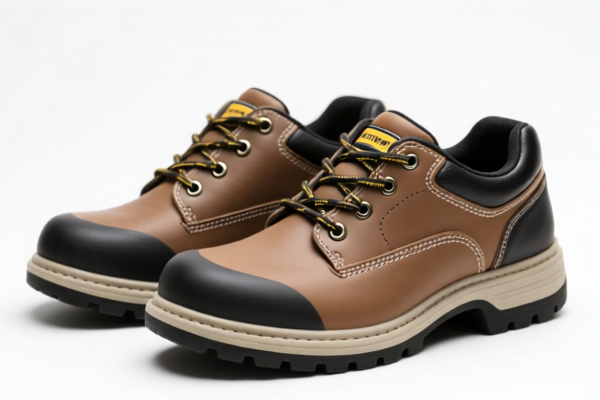
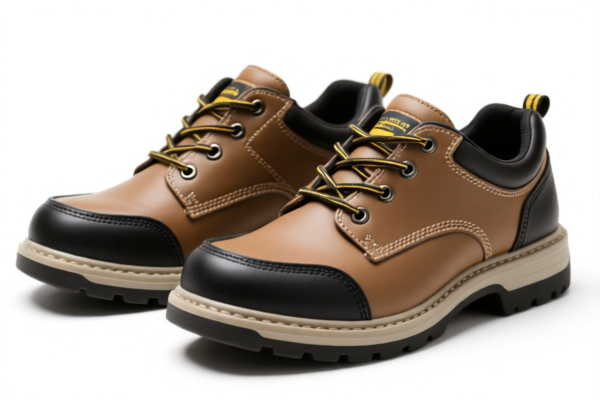
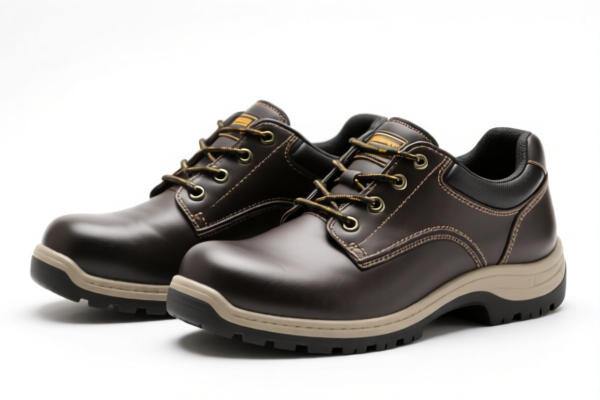
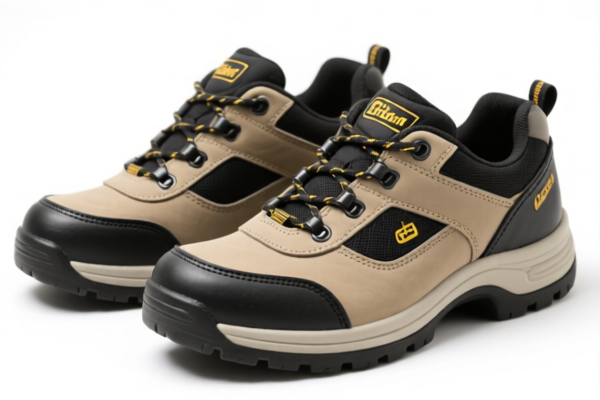
AI Analysis
👷♂️ Plastic Work Shoes for Construction Sites
🌐 HS Code Reference & Customs Clearance Guide | 2026 Latest Tariff Breakdown | Professional Compliance Strategy
📌 I. Product Definition & Classification: Do You Really Know "Plastic Work Shoes"?
Plastic work shoes (specifically rubber or plastic outsoles with uppers of rubber or plastic) are essential personal protective equipment (PPE) for construction, industrial, and manufacturing sectors. In international trade, these are NOT classified as simple "footwear" (Chapter 64 generally) but are strictly regulated under specific subheadings based on material composition and structural features.
⚠️ Critical Distinction:
- Rubber/Plastic Work Shoes (Ch 64): The sole and/or upper are primarily rubber or plastic.
- Imitation Leather/Textile Shoes (Ch 64/61): If the upper is fabric/leather and only the sole is plastic/rubber, classification differs.
- General Plastic Articles (Ch 39): Only if the item is NOT footwear (e.g., plastic safety toe caps, shoe inserts, or non-worn plastic protective covers).
📦 II. HS Code Classification Details (2026 Latest Tariff Authority Mapping)
Based on the provided data, here are the four specific HS Codes that apply to "Plastic Work Shoes" and related plastic items:
| HS Code | Product Description | Key Characteristics | Total Tax Rate |
|---|---|---|---|
6404.19.20.60 |
Rubber/Plastic Work Shoes (Women's Category) | Female-specific design; rubber/plastic material; meets usage requirements | 47.5% |
6404.19.20.30 |
Protective Footwear (Rubber/Plastic Sole) | Outer sole is rubber/plastic; protective class; material/usage match | 47.5% |
6402.91.40.40 |
Rubber/Plastic Work Shoes (General) | Material, form, and usage fully comply; general work footwear | 16.0% |
6402.91.40.05 |
Rubber/Plastic Work Shoes (Specific Type) | Explicitly includes rubber/plastic material + work shoe purpose | 16.0% |
3926.90.99.89 |
Other Plastic Articles (Manufactured) | Plastic products in finished form; NOT classified as footwear | 22.8% |
🔍 Key Insight:
- HS 6402 vs HS 6404:
-6402generally covers rubber or plastic outer soles with upper of leather or textile (often work boots/shoes).
-6404generally covers rubber or plastic outer soles with upper of textile (sneakers, sportswear) OR specific protective work shoes depending on national subheadings.
- ⚠️ Warning: The data shows6404codes carrying a 47.5% tax rate (due to higher base tariffs), while6402codes carry only 16.0%. Misclassification here can double your tax burden!
💰 III. 2026 Latest Tariff Rate Breakdown (Including Surcharges)
✅ Applicable Country: United States (US)
✅ Origin: China (CN)
✅ Effective Date: From 2025-11-10 onwards (inclusive)
🎯 1. High-Tax Category: 6404.19.20.60 & 6404.19.20.30
| Item | Detail |
|---|---|
| Base Tariff | 37.5% (Ad Valorem) |
| Section 301 Surcharge | 0.0% (Not applicable for these specific subheadings in this dataset) |
| Section 122 Tariff | +10.0% (Applied to China-origin goods) |
| Total Tax Rate | 47.5% |
| Calculation | CIF Value × 47.5% |
| De Minimis Exemption | ❌ Not Eligible (deny_de_minimis) |
| Legal Basis Path | Base Tariff: 37.5% → Sec 122: +10% → Total: 47.5% |
📌 Explanation:
- The 37.5% base tariff is unusually high for footwear, indicating a specific trade-restricted or high-duty subcategory.
- The +10% Section 122 tariff is a targeted surcharge on certain Chinese imports.
- Total 47.5% is a significant cost factor. Proper classification is critical to avoid this rate if a lower rate applies.
🎯 2. Mid-Tax Category: 3926.90.99.89 (Plastic Articles, Not Footwear)
| Item | Detail |
|---|---|
| Base Tariff | 5.3% (Ad Valorem) |
| Section 301 Surcharge | 7.5% |
| Section 122 Tariff | +10.0% |
| Total Tax Rate | 22.8% |
| Calculation | CIF Value × 22.8% |
| De Minimis Exemption | ❌ Not Eligible (deny_de_minimis) |
| Legal Basis Path | Base: 5.3% + Sec 301: 7.5% + Sec 122: 10% = 22.8% |
📌 Explanation:
- This code is for plastic articles that are NOT classified as footwear.
- If your "plastic work shoes" are actually plastic covers, toe caps, or non-worn protective plastic forms, this code applies.
- Warning: If you declare actual footwear under this code, customs will reject it and reclassify it under Chapter 64, leading to penalties and higher taxes (up to 47.5%).
🎯 3. Low-Tax Category: 6402.91.40.40 & 6402.91.40.05
| Item | Detail |
|---|---|
| Base Tariff | 6.0% (Ad Valorem) |
| Section 301 Surcharge | 0.0% |
| Section 122 Tariff | +10.0% |
| Total Tax Rate | 16.0% |
| Calculation | CIF Value × 16.0% |
| De Minimis Exemption | ❌ Not Eligible (deny_de_minimis) |
| Legal Basis Path | Base: 6.0% + Sec 122: 10% → Total: 16.0% |
📌 Explanation:
- These codes represent the most favorable tariff rate in the dataset.
- They apply to rubber or plastic work shoes that meet specific material/usage criteria (likely standard industrial safety shoes with rubber/plastic soles).
- Savings Potential: Switching from6404(47.5%) to6402(16.0%) saves 31.5% on the base CIF value. This is a massive opportunity if the product qualifies.
🛠️ IV. Customs Clearance Practical Advice (Avoiding Pitfalls)
✅ 1. Documentation Checklist (Mandatory)
| Document | Required? | Notes |
|---|---|---|
| ✅ Product Specification Sheet | ✔️ | Must detail: Sole material (Rubber/Plastic), Upper material, Safety features (Steel toe, etc.) |
| ✅ Material Composition Report | ✔️ | Crucial for distinguishing between 6402 and 6404. |
| ✅ Product Photos (Clear) | ✔️ | Show sole pattern, upper texture, and any safety certifications (ASTM, EN ISO). |
| ✅ Commercial Invoice | ✔️ | Clearly state: "Work Shoes, Rubber/Plastic Sole, For Construction" |
| ✅ Certificate of Origin (CO) | ✔️ | Required to verify China origin for Section 122 surcharges. |
| ✅ Packaging List | ✔️ | Ensure no mixed items (e.g., don’t pack plastic toe guards with shoes in a way that suggests "plastic articles"). |
✅ 2. Classification Strategy (Key Mnemonic)
🔥 "Sole Material Dictates Chapter 64, Upper Material Dictates Subheading, Purpose Determines Code 6402 vs 6404!"
| Scenario | Correct HS Code | Tax Rate | Why? |
|---|---|---|---|
| Standard Safety Shoe (Rubber sole, textile/leather upper) | 6402.91.40.40 or .05 |
16.0% | Fits "Rubber/Plastic Work Shoe" with low base tariff. |
| Female-Specific Plastic Shoe | 6404.19.20.60 |
47.5% | Specific subheading for women’s work shoes with higher base duty. |
| Protective Plastic Cover (Not worn) | 3926.90.99.89 |
22.8% | Classified as "Plastic Article," not footwear. |
| Generic Protective Shoe (High base duty category) | 6404.19.20.30 |
47.5% | Misclassification risk if not properly defined. |
⚠️ Critical Tip:
- If your shoes are standard industrial safety shoes with rubber soles, actively seek classification under6402.91.40(16.0%) rather than6404(47.5%).
- Ensure the upper material is not primarily textile if6404is being considered, or verify if6402allows for textile uppers with rubber soles (common for work boots).
✅ 3. Special Situations
| Situation | Action |
|---|---|
| Mixed Shipment (Shoes + Plastic Toe Caps) | Declare separately. Shoes under Ch 64, Toe Caps under Ch 39. Mixing can cause rejection. |
| OEM/White Label | Provide manufacturing specs. If the design matches 6402 criteria, declare as such regardless of brand. |
| Certifications | Include ASTM F2413 (US) or EN ISO 20345 (EU) labels. This proves "Work Shoe" status, helping avoid misclassification as "General Footwear." |
| Section 122 Surcharge | Applies to all codes in the dataset. No exemption. Budget for +10% on CIF value. |
🌍 V. Global Market Comparison (2026 Snapshot)
| Market | Recommended HS Code | Est. Tax Rate (China Origin) | Notes |
|---|---|---|---|
| 🇺🇸 USA | 6402.91.40 |
16.0% | Best rate. Avoid 6404 (47.5%) unless necessary. |
| 🇪🇺 EU | 6402 |
~15-17% | Similar to US base rate, but no Section 122. |
| 🇨🇳 China | 6402 |
~10-20% | Varies by duty-free policies. |
| 🇦🇺 Australia | 6402 |
~5-10% | Lower than US. |
📌 Conclusion:
- US Market is Hardest: High base tariffs + Section 122.
- Classification is Key: Saving 31.5% (from 47.5% to 16.0%) is possible through proper6402classification.
📌 VI. Common Mistakes & Pitfalls (Lessons Learned)
❌ Mistake 1: Declaring Safety Shoes under 3926 (Plastic Articles)
👉 Result: Customs reclassifies to Ch 64 → Back taxes + Penalties.
❌ Mistake 2: Using 6404 for Standard Rubber-Sole Work Boots
👉 Result: Paying 47.5% instead of 16.0%. Loss of 31.5% margin.
❌ Mistake 3: Ignoring Section 122 in cost calculations
👉 Result: Budget shortfall. All these codes have +10% surcharge.
❌ Mistake 4: Mislabeling Women’s Work Shoes
👉 Result: Forced into 6404.19.20.60 (47.5%) if not carefully described. Ensure product specs allow for broader classification if possible.
✅ Correct Practice:
"Work Shoes, Safety Toe, Rubber Outsole, Textile Upper, ASTM Certified, Model XYZ"
🎯 VII. Conclusion: Precision in Classification = Profit Protection
🎯 Remember:
🔹 "6402 is your friend (16%), 6404 is your enemy (47.5%)!"
🔹 "Section 122 is always +10% – don’t forget it!"
🔹 "Plastic ≠ Footwear. If it’s not worn, it’s Ch 39. If it’s worn, it’s Ch 64."
📌 Pro Tip:
If your product qualifies for 6402.91.40 (16.0%), apply for an Advance Ruling from US Customs to lock in this lower rate. Avoid the 47.5% trap by ensuring your product description and material specs align with 6402.
📣 Take Action Now:
📞 Consult with a customs broker before shipping.
📄 Provide material breakdown (Sole: Rubber/Plastic, Upper: Leather/Textile).
🚀 Save up to 31.5% in tariffs by choosing the right HS Code!
✨ Expert Clearance Starts with the Right Code!
💼 Your Profit Margin Depends on Precision!
Customer Reviews
About HS Code Classification
The Harmonized System (HS) is an internationally standardized nomenclature developed by the World Customs Organization (WCO) to classify traded products. Over 200 countries use the HS system as the basis for customs tariffs, trade statistics, and import/export regulations.
Each HS code follows a hierarchical structure:
- Chapter (2 digits) — Broad category of goods (e.g., Chapter 84: Machinery and Mechanical Appliances)
- Heading (4 digits) — More specific grouping within the chapter
- Subheading (6 digits) — Internationally standardized breakdown, used by all WCO member countries
- National subdivisions (8-10 digits) — Country-specific extensions for further classification, such as US HTSUS 10-digit codes
Correct HS code classification is essential for smooth customs clearance, accurate duty payment, and compliance with trade regulations. Misclassification can lead to customs delays, overpayment of duties, or penalties.
When importing from CN to US, the applicable tariff rates may include:
- Most-Favored-Nation (MFN) rate — The standard duty rate applied to WTO members
- General rate — Applied to countries without trade agreements
- Trade remedy duties — Additional tariffs such as Section 301 (anti-dumping), Section 232 (national security), or countervailing duties
The information provided on this page is for reference purposes only. For official classification, please consult with your local customs authority or a licensed customs broker.