Plastic Wrap Dispenser
CN → US| HS Code | Tariff Rate | Origin | Destination | Doc |
|---|---|---|---|---|
| 3926100000 | 15.3% | CN | US | Official Doc |
| 3926909989 | 22.8% | CN | US | Official Doc |
Product Images
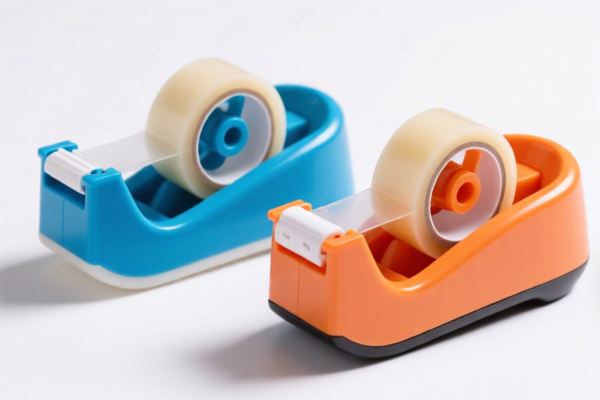
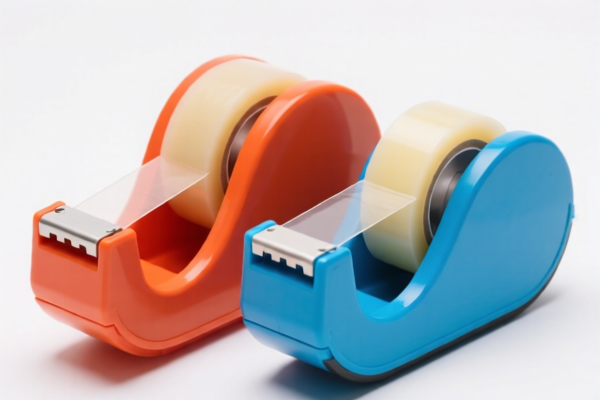
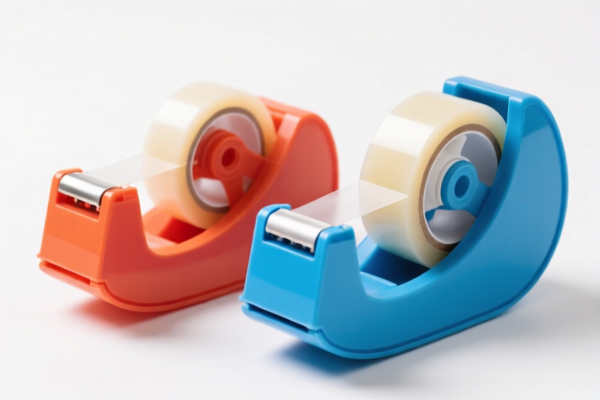
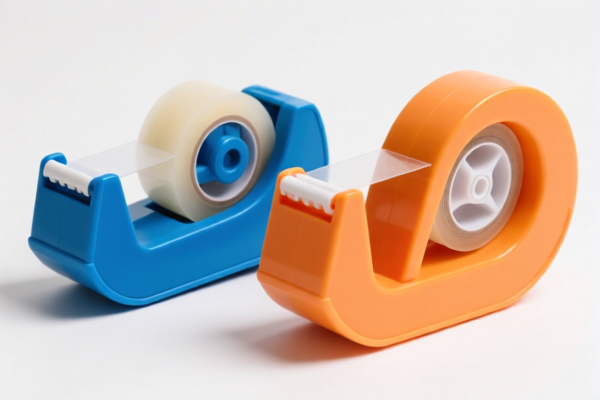
AI Analysis
🧴 Plastic Wrap Dispenser (Office or School Supplies)
🌐 HS Code Reference & Clearance Guide | 2026 Latest Tariff Analysis | Professional Clearance Strategy
📌 I. Product Definition and Classification: Do You Really Understand "Plastic Wrap Dispensers"?
A Plastic Wrap Dispenser is a household or office accessory designed to hold and tear plastic film (such as cling wrap, aluminum foil, or parchment paper). In international trade, its classification depends strictly on the material composition and specific function.
According to the provided data, these items fall under Heading 3926: "Other articles of plastics and articles of other materials of headings 3901 to 3914." They are generally categorized as Office or School Supplies or Other Articles, depending on their structure and primary material.
⚠️ Key Distinction Point: - If the dispenser is explicitly categorized under "Office or School Supplies" → It falls under 3926.10. - If it does not fit the specific "Office/School" definition or is a general-purpose utility item → It falls under "Other: Other" → 3926.90.
📦 II. HS Code Classification Details (2026 Latest Tariff Authority Comparison)
| HS Code | Product Description | Applicable Scenario | Material Type |
|---|---|---|---|
3926.10.00.00 |
Other articles of plastics and articles of other materials of headings 3901 to 3914: Office or school supplies | Plastic wrap holders specifically marketed or used for office/school environments | Plastics / Mixed Materials |
3926.90.99.89 |
Other articles of plastics and articles of other materials of headings 3901 to 3914: Other: Other | General-purpose plastic film dispensers, kitchen accessories, or non-office specific plastic holders | Plastics / Mixed Materials |
🔍 Important Reminder: - 3926.10.00.00 is reserved for items explicitly defined as "Office or school supplies." If the dispenser is a standard kitchen/home item, it may not qualify. - 3926.90.99.89 is the fallback category for general plastic articles. Most generic plastic wrap dispensers for home/kitchen use fall here unless specifically certified as office supplies. - Do not misclassify a home kitchen dispenser as an "office supply" to avoid customs rejection.
💰 III. 2026 Latest Tariff Rate Details (Including Additional Taxes)
✅ Applicable Country: United States (US)
✅ Origin: China (CN)
✅ Effective Time: Current applicable rates for imports from China
🎯 1. 3926.10.00.00 —— Office or School Supplies (Plastic)
| Item | Content |
|---|---|
| Base Tariff | 0.0% |
| Additional Tariff (Section 301/IEEPA) | 0.0% |
| Total Tariff Rate | 0.0% |
| Tax Calculation | CIF Value × 0% = $0 |
| De Minimis Eligibility | ✅ Yes (If under $800) |
| Legal Basis Path | HTSUS:3926.10.00.00 → USITC:General → No Additional Duty |
📌 Explanation: - This category enjoys zero tariff burden under current trade agreements and exemptions for specific office supplies. - No additional taxes are applied for Chinese origin products in this specific subheading. - Cost Advantage: Significantly lower than other plastic goods.
🎯 2. 3926.90.99.89 —— Other: Other (Plastic Articles)
| Item | Content |
|---|---|
| Base Tariff | 5.3% |
| Additional Tariff (Section 301/IEEPA) | 7.5% |
| Total Tariff Rate | 12.8% |
| Tax Calculation | CIF Value × 12.8% |
| De Minimis Eligibility | ❌ No (Additional taxes usually apply even for small shipments) |
| Legal Basis Path | HTSUS:3926.90.99.89 → Section 301 Footnote → IEEPA:9903.01.24 |
📌 Explanation: - This is the default category for most plastic household items. - Total Tax of 12.8% is a significant cost factor compared to the 0% rate for office supplies. - 7.5% is the specific additional tariff applied to Chinese-origin plastic articles under current trade policies.
🛠️ IV. Clearance Practical Advice (Pitfall Avoidance Guide)
✅ 1. Document Checklist (Essential)
| Document | Required | Description |
|---|---|---|
| ✅ Product Photos | ✔️ | Clear images showing the dispenser and any branding |
| ✅ Material Composition Statement | ✔️ | Confirm if it is 100% plastic or mixed (e.g., metal blade) |
| ✅ Intended Use Description | ✔️ | Specify if it is for "Office Use" or "General Household Use" |
| ✅ Commercial Invoice | ✔️ | Accurate description: "Plastic Wrap Dispenser, Model XYZ" |
| ✅ Packing List | ✔️ | Include weight, dimensions, and quantity |
✅ 2. Declaration Tips (Key Strategy)
🔥 "Match Description to Category: Office = 0%, General = 12.8%"
| Scenario | Correct Declaration | Risk of Misclassification |
|---|---|---|
| Office/School Use | 3926.10.00.00 |
✅ Low Tax (0%) |
| Home/Kitchen Use | 3926.90.99.89 |
⚠️ Higher Tax (12.8%) |
| Mixed Office/Home | Declare based on primary intended market | ❌ Avoid ambiguity; customs may audit |
| Mislabeling | Calling a kitchen dispenser "Office Supply" | 🚨 Penalty: Customs may reclassify + fines + back taxes |
✅ 3. Special Cases
| Case | Handling Advice |
|---|---|
| OEM Custom Dispensers | Provide client specifications; if marketed for office, use 3926.10.00.00 |
| Metal-Blade Plastic Dispensers | Still classified under 3926 if plastic is the principal material |
| Bulk Imports | Ensure HS Code consistency across all invoices and BLs |
🌍 V. Global Market Comparison (2026 Latest)
| Country/Region | Recommended HS Code | Tariff Rate | Certification | Note |
|---|---|---|---|---|
| 🇺🇸 USA | 3926.10.00.00 or 3926.90.99.89 |
0% or 12.8% | None specific | Huge tax difference based on use |
| 🇨🇳 China | 3926.10.00.00 or 3926.90.99.89 |
5-10% | CCC (if applicable) | Lower base rates than US |
| 🇪🇺 EU | 3926.90.99 |
4.5% | CE + RoHS | No additional trade tariffs |
| 🇦🇺 Australia | 3926.90.99 |
5% | ACCC | Moderate duty |
| 🇯🇵 Japan | 3926.90.90 |
5-10% | PSE | Varies by plastic type |
📌 Conclusion: - The USA offers a 0% tariff advantage if the product can be legitimately classified as "Office or School Supplies." - For general household plastic wrap dispensers, expect 12.8% in the US due to additional tariffs. - European Union and Asia have stable, lower rates (~5%) but no significant additional tariffs like the US.
📌 VI. Common Mistakes & Pitfall Guide (Lessons Learned)
❌ Mistake 1: Classifying all plastic dispensers as "Office Supplies" to get 0% tax
👉 Consequence: Customs audit reveals it’s a home product → Back taxes + 12.8% duty + Penalties
❌ Mistake 2: Ignoring the "Additional Tariff" for 3926.90.99.89
👉 Consequence: Cost calculation error → Profit margin erosion by 7.5%
❌ Mistake 3: Inconsistent product descriptions across documents
👉 Consequence: Customs delay, inspection hold, and storage fees
✅ Correct Approach:
"Plastic Wrap Dispenser, for Office Use, Model ABC, 100% Plastic, No Metal Parts" (for
3926.10.00.00)
"Plastic Film Holder, Household Use, Model XYZ" (for3926.90.99.89)
🎯 VII. Conclusion: Precise Classification, Maximize Profit!
🎯 Remember the Rule:
🔹 "Office = 0% | Home = 12.8% | Be Honest, Be Precise"
🔹 "HS Code dictates cost; 12.8% difference changes everything"
📌 Pro Tip:
If your business primarily supplies office environments, emphasize "Office/School Supplies" in marketing and documentation to benefit from 0% tariff.
If selling to general consumers, budget for 12.8% total tax.
Consider pre-classification rulings if unsure about "Office Use" definition.
📣 Immediate Action:
📞 Consult with a licensed customs broker + Verify product use case + Apply for Advance Ruling if needed
🚀 Ensure smooth clearance, optimize costs, and boost competitiveness!
✨ Professional Clearance Starts with Accurate Classification!
💼 Every percent of tax saved is pure profit!
Customer Reviews
About HS Code Classification
The Harmonized System (HS) is an internationally standardized nomenclature developed by the World Customs Organization (WCO) to classify traded products. Over 200 countries use the HS system as the basis for customs tariffs, trade statistics, and import/export regulations.
Each HS code follows a hierarchical structure:
- Chapter (2 digits) — Broad category of goods (e.g., Chapter 84: Machinery and Mechanical Appliances)
- Heading (4 digits) — More specific grouping within the chapter
- Subheading (6 digits) — Internationally standardized breakdown, used by all WCO member countries
- National subdivisions (8-10 digits) — Country-specific extensions for further classification, such as US HTSUS 10-digit codes
Correct HS code classification is essential for smooth customs clearance, accurate duty payment, and compliance with trade regulations. Misclassification can lead to customs delays, overpayment of duties, or penalties.
When importing from CN to US, the applicable tariff rates may include:
- Most-Favored-Nation (MFN) rate — The standard duty rate applied to WTO members
- General rate — Applied to countries without trade agreements
- Trade remedy duties — Additional tariffs such as Section 301 (anti-dumping), Section 232 (national security), or countervailing duties
The information provided on this page is for reference purposes only. For official classification, please consult with your local customs authority or a licensed customs broker.