Plastic abrasion resistant gloves
CN → US| HS Code | Tariff Rate | Origin | Destination | Doc |
|---|---|---|---|---|
| 4015191110 | 38.0% | CN | US | Official Doc |
| 4015195100 | 49.0% | CN | US | Official Doc |
| 3926201020 | 10.0% | CN | US | Official Doc |
| 3926204010 | 16.5% | CN | US | Official Doc |
| 6116104830 | 36.1% | CN | US | Official Doc |
Product Images


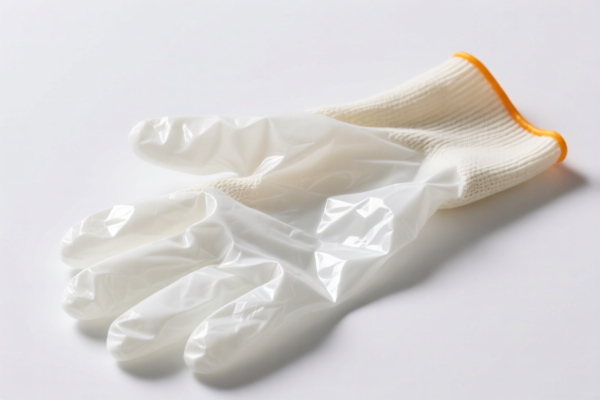
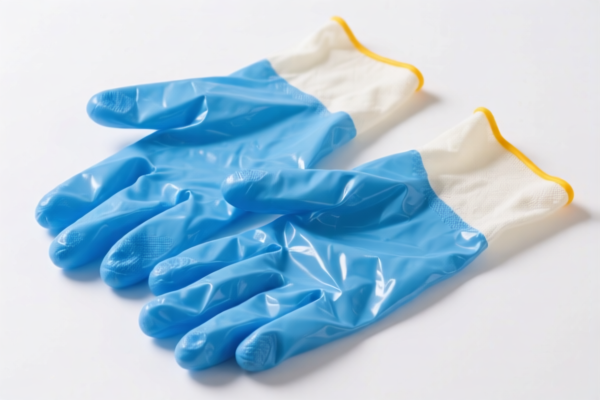
AI Analysis
🧤 Plastic Abrasion-Resistant Gloves (High-Performance Protective Gear)
🌐 HS Code Reference & Clearance Guide | 2024-2026 Latest Tariff Analysis | Professional Entry Strategy
📌 I. Product Definition & Classification: Are You Sure These Are Just "Plastic Gloves"?
Plastic abrasion-resistant gloves are critical safety equipment in industrial, construction, and chemical handling environments. Unlike simple household latex or vinyl gloves, these are engineered for durability against friction, cuts, and abrasion.
In international trade, the classification hinges entirely on the base material and the manufacturing process:
- Vulcanized Rubber/Synthetic Rubber Gloves: If the "plastic" sensation is actually rubber (latex, nitrile, neoprene) that has been vulcanized (cured), they fall under Chapter 40.
- Pure Plastic Gloves: If the material is thermoplastic (PVC, PE, Polyurethane) and not vulcanized rubber, they fall under Chapter 39.
- Knitted/Hooked Gloves Coated with Plastic: If the base is fabric (knitted) and coated with plastic for abrasion resistance, they fall under Chapter 61.
⚠️ Critical Distinction Point:
- If the glove is made of vulcanized rubber (elastic, cured) → HS 4015
- If the glove is made of pure plastic (rigid or flexible thermoplastic) → HS 3926
- If the glove is knitted fabric coated with plastic → HS 6116
📦 II. HS Code Classification Details (Latest Tariff Authority对照)
Based on the provided data, here are the precise classifications for "Plastic Abrasion-Resistant Gloves," depending on their specific material composition:
| HS Code | Product Description | Application Scenario | Material Key |
|---|---|---|---|
4015.19.11.10 |
Plastic gloves, material matches vulcanized rubber, usage as gloves | Industrial nitrile/latex gloves, high elasticity | ✅ Vulcanized Rubber |
4015.19.51.00 |
Plastic gloves, material matches vulcanized rubber or synthetic rubber, usage as gloves | Heavy-duty synthetic rubber gloves, chemical resistance | ✅ Vulcanized Rubber/Synthetic |
3926.20.10.20 |
Plastic gloves, material is plastic, form is gloves, no clear usage → fallback category | General plastic handwear, simple PVC gloves | ❌ Pure Plastic (Fallback) |
3926.20.40.10 |
Plastic gloves, material is plastic, form is gloves, fits plastic goods & glove usage features | Specific PVC/PE coated gloves, defined plastic composition | ❌ Pure Plastic (Defined) |
6116.10.48.30 |
Plastic-coated construction gloves, material is plastic-impregnated/coated/laminated, form is knitted/hooked gloves | Construction work gloves (fabric base + plastic coating) | ❌ Knitted Fabric + Plastic Coating |
🔍 Key Reminder:
- Abrasion resistance often implies a coating. If the glove is knitted fabric with a plastic coating (e.g., PVC dots for grip), use 6116.10.48.30.
- If it is a solid molded glove (no fabric), determine if it is Rubber (4015) or Plastic (3926). Rubber usually commands higher duty due to trade wars.
💰 III. 2024-2026 Latest Tariff Rate Breakdown (Including Surtaxes & Policy Add-ons)
✅ Applicable Country: United States (US)
✅ Origin: China (CN) (Note: Tax details provided in data reflect US-China trade tensions)
✅ Effective Date: Current active tariffs
🎯 1. 4015.19.11.10 — Vulcanized Rubber Gloves (High Risk)
| Item | Content |
|---|---|
| Base Tariff | 3.0% |
| Additional Tariff (Section 301) | +25.0% |
| 122 Clause Tariff | +10.0% |
| Total Effective Rate | 38.0% |
| Calculation Basis | CIF Value × 38.0% |
| De Minimis Exemption? | ❌ No (High risk of audit) |
| Legal Basis Path | USITC Base → Section 301 Footnote → IEEPA 122 Clause |
📌 Explanation:
- 38% is a heavy burden. This category includes most nitrile and latex medical/industrial gloves. - The "122 Clause" (10%) is a specific trade enforcement tariff added on top of the standard 301 tariff. - Total 38% means for every $100 of goods, you pay $38 in duties alone.
🎯 2. 4015.19.51.00 — Synthetic Rubber Gloves (Highest Risk)
| Item | Content |
|---|---|
| Base Tariff | 14.0% |
| Additional Tariff (Section 301) | +25.0% |
| 122 Clause Tariff | +10.0% |
| Total Effective Rate | 49.0% |
| Calculation Basis | CIF Value × 49.0% |
| De Minimis Exemption? | ❌ No |
| Legal Basis Path | USITC Base (Higher base) → Section 301 → IEEPA 122 Clause |
📌 Explanation:
- 49% is extremely high. This often applies to specific synthetic rubber compounds with higher base duties. - Any error in classifying "Synthetic Rubber" here vs. "Pure Plastic" can lead to a 30%+ difference in cost.
🎯 3. 3926.20.10.20 — Pure Plastic Gloves (Fallback)
| Item | Content |
|---|---|
| Base Tariff | 0.0% |
| Additional Tariff (Section 301) | 0.0% |
| 122 Clause Tariff | +10.0% |
| Total Effective Rate | 10.0% |
| Calculation Basis | CIF Value × 10.0% |
| De Minimis Exemption? | ⚠️ Check Carefully (Low base, but 10% still applies) |
| Legal Basis Path | USITC Base (0%) → IEEPA 122 Clause |
📌 Explanation:
- If the glove is pure PVC/PE and not rubber, the base duty is 0%. - However, the 122 Clause 10% still applies. - Savings: Significantly cheaper than rubber gloves if the material is truly plastic.
🎯 4. 3926.20.40.10 — Specific Plastic Gloves (Defined Usage)
| Item | Content |
|---|---|
| Base Tariff | 6.5% |
| Additional Tariff (Section 301) | 0.0% |
| 122 Clause Tariff | +10.0% |
| Total Effective Rate | 16.5% |
| Calculation Basis | CIF Value × 16.5% |
| De Minimis Exemption? | ⚠️ Check Carefully |
| Legal Basis Path | USITC Base (6.5%) → IEEPA 122 Clause |
📌 Explanation:
- This category is for gloves that clearly fit "plastic goods" definitions without falling into the rubber chapters. - 16.5% is a moderate rate. It requires strict proof that the material is not vulcanized rubber.
🎯 5. 6116.10.48.30 — Plastic-Coated Knitted Gloves (Construction)
| Item | Content |
|---|---|
| Base Tariff | 18.6% |
| Additional Tariff (Section 301) | +7.5% |
| 122 Clause Tariff | +10.0% |
| Total Effective Rate | 36.1% |
| Calculation Basis | CIF Value × 36.1% |
| De Minimis Exemption? | ❌ No |
| Legal Basis Path | USITC Base (High for apparel-like items) → Section 301 (Lower %) → IEEPA 122 Clause |
📌 Explanation:
- 36.1% is competitive with rubber gloves but applies to fabric-based gloves. - This is common for construction work gloves (knitted cotton/polyester with PVC coating for grip/abrasion). - Note the Base Tariff is high (18.6%) because it is classified as apparel/textile accessory.
🛠️ IV. Clearance Operational Advice (Practical Pitfall Avoidance)
✅ 1. Preparation Checklist (Non-Negotiable)
| Document | Must Provide? | Explanation |
|---|---|---|
| ✅ Material Composition Sheet | ✔️ | Critical! Must specify % of Rubber vs. Plastic vs. Fabric. If >50% rubber, it goes to Ch 40. |
| ✅ Technical Data Sheet (TDS) | ✔️ | Shows if vulcanization (curing) occurred. No cure = Plastic (Ch 39). Cure = Rubber (Ch 40). |
| ✅ Product Photos (Inside/Outside) | ✔️ | Show texture. Coated fabric? Knitted structure? Solid mold? |
| ✅ Bill of Lading & Invoice | ✔️ | Clear description: "PVC Coated Knitted Gloves" vs. "Nitrile Gloves". |
| ✅ Test Report (Abrasion Rating) | ✔️ | Proof of "Abrasion Resistant" feature (e.g., Martindale test). Helps define "Special Use". |
✅ 2. Declaration Strategy (Key Mnemonics)
🔥 "Rubber is High, Plastic is Low, Fabric-Coated is Apparel, Don't Mix Them!"
| Scenario | Correct HS Code | Wrong Classification Risk |
|---|---|---|
| Solid Nitrile/Latex Glove | 4015.19.11.10 (38%) or 4015.19.51.00 (49%) |
Misclassifying as Plastic → Severe Penalty/Smuggling Charge |
| Solid PVC Glove | 3926.20.40.10 (16.5%) or 3926.20.10.20 (10%) |
Misclassifying as Rubber → Overpayment |
| Knitted Glove with PVC Dots | 6116.10.48.30 (36.1%) |
Misclassifying as Solid Plastic → Base Tariff Error (0% vs 18.6%) |
| Chemical Resistence Glove | Check Material First | If rubber, 38-49%. If plastic, 10-16.5%. |
📌 Pro Tip:
- If you are importing Nitrile Gloves, assume 38-49% duty.
- If you are importing PVC Coated Work Gloves, assume 36.1%.
- If you are importing Pure Plastic Household Gloves, assume 10-16.5%.
✅ 3. Special Case Handling
| Situation | Recommendation |
|---|---|
| Mixed Shipment | If a container has both rubber and plastic gloves, declare separately. Mixed declarations may lead to inspection of the entire batch. |
| "Abrasion Resistant" Claim | Use this to justify 6116.10.48.30 if it's knitted. It explains the plastic coating. If it's solid, the term doesn't change the HS code. |
| 122 Clause (10%) | This applies to ALL categories in the data provided. Do not assume "0% Base" means "0% Total". |
| Origin China | All rates above assume China Origin. If from Vietnam/Malaysia, verify if IEEPA/122 clauses still apply (often yes for specific plastic/rubber items). |
🌍 V. Global Market Clearance Comparison (2026 Latest)
| Country/Region | Recommended HS Code | Est. Tariff (China Origin) | Certification | Notes |
|---|---|---|---|---|
| 🇺🇸 USA | 4015 or 3926 or 6116 |
10% - 49% (See Data) | No specific cert | 122 Clause 10% is mandatory for all. |
| 🇨🇳 China | 4015 / 3926 |
5% - 10% | CCC (if medical) | No 301/122 surcharges. |
| 🇪🇺 EU | 4015 / 3926 |
0% - 6.5% | REACH, CE | No major surcharges for gloves. |
| 🇬🇧 UK | 4015 / 3926 |
0% - 6.5% | UKCA | Post-Brexit standards apply. |
📌 Conclusion:
- USA is the most expensive market for these goods due to layered surcharges (301 + 122).
- Material Declaration is the #1 Risk Factor. Misdeclaring "Plastic" when it is "Rubber" in the US leads to audits.
📌 VI. Common Errors & Pitfalls (Blood & Tears Lessons)
❌ Error 1: Calling Nitrile Gloves "Plastic Gloves" to avoid 301 Tariffs
👉 Result: Customs classifies as 4015.19.11.10 (38%) + Penalty for misdeclaration.
👉 Loss: ~25% extra duty + fines.
❌ Error 2: Ignoring the "122 Clause 10%"
👉 Result: Assuming 0% base tariff for 3926.20.10.20 means 0% total.
👉 Loss: Underpayment of 10% on all shipments.
❌ Error 3: Confusing "Coated Fabric" with "Solid Plastic"
👉 Result: Declaring knitted coated gloves as 3926 (10-16%).
👉 Loss: Correct rate is 6116.10.48.30 (36.1%). Underpayment detected, retroactive payment required.
✅ Correct Practice:
"Nitrile Industrial Gloves, Vulcanized, Abrasion Resistant" → HS 4015.19.11.10
"PVC Coated Knitted Cotton Gloves, Grey" → HS 6116.10.48.30
"Solid PVC Household Gloves" → HS 3926.20.10.20
🎯 VII. Conclusion: Precision in Classification Saves Millions!
🎯 Remember the Mantra:
🔹 "Rubber is 38-49%, Plastic is 10-16%, Fabric-Coated is 36%. Don't Guess, Test!"
🔹 "122 Clause 10% is Everywhere. Check Your Base Tariff, Then Add 10%."
📌 Pro Tip:
If your gloves are Abrasion Resistant, check if they qualify for HTSUS 4015.19 (Rubber) or 6116.10 (Knitted). The material test is key.
For Plastic (PVC/PE), use 3926 categories.
📣 Immediate Action:
📞 Test Material: Confirm if your gloves are Vulcanized Rubber or Thermoplastic.
🚀 Select HS Code: Use the table above.
💼 Prepare Invoice: Clearly state "Material: Nitrile" or "Material: PVC" to avoid ambiguity.
✨ Professional Clearance Starts with Precise Classification!
💼 Your Cost Margin Depends on This 10% Difference!
Customer Reviews
About HS Code Classification
The Harmonized System (HS) is an internationally standardized nomenclature developed by the World Customs Organization (WCO) to classify traded products. Over 200 countries use the HS system as the basis for customs tariffs, trade statistics, and import/export regulations.
Each HS code follows a hierarchical structure:
- Chapter (2 digits) — Broad category of goods (e.g., Chapter 84: Machinery and Mechanical Appliances)
- Heading (4 digits) — More specific grouping within the chapter
- Subheading (6 digits) — Internationally standardized breakdown, used by all WCO member countries
- National subdivisions (8-10 digits) — Country-specific extensions for further classification, such as US HTSUS 10-digit codes
Correct HS code classification is essential for smooth customs clearance, accurate duty payment, and compliance with trade regulations. Misclassification can lead to customs delays, overpayment of duties, or penalties.
When importing from CN to US, the applicable tariff rates may include:
- Most-Favored-Nation (MFN) rate — The standard duty rate applied to WTO members
- General rate — Applied to countries without trade agreements
- Trade remedy duties — Additional tariffs such as Section 301 (anti-dumping), Section 232 (national security), or countervailing duties
The information provided on this page is for reference purposes only. For official classification, please consult with your local customs authority or a licensed customs broker.