Plastic aprons (oil resistant)
CN → US| HS Code | Tariff Rate | Origin | Destination | Doc |
|---|---|---|---|---|
| 3926209010 | 40.0% | CN | US | Official Doc |
| 3926209050 | 40.0% | CN | US | Official Doc |
Product Images
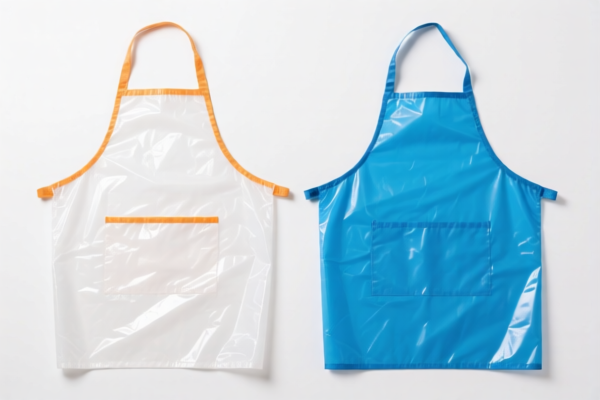
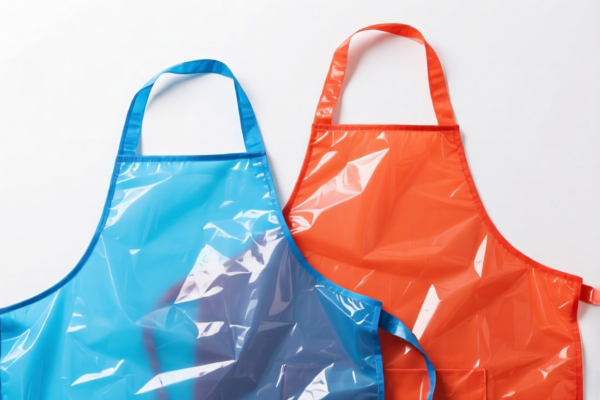
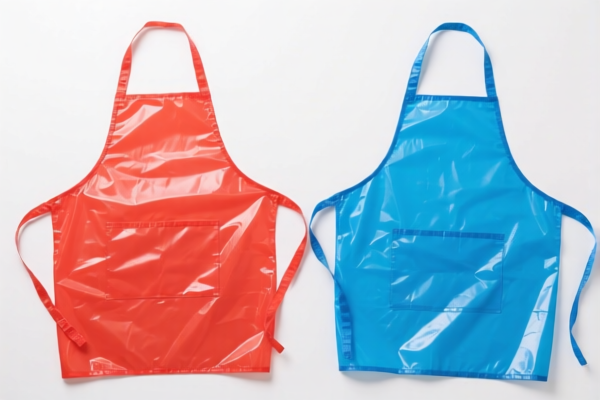
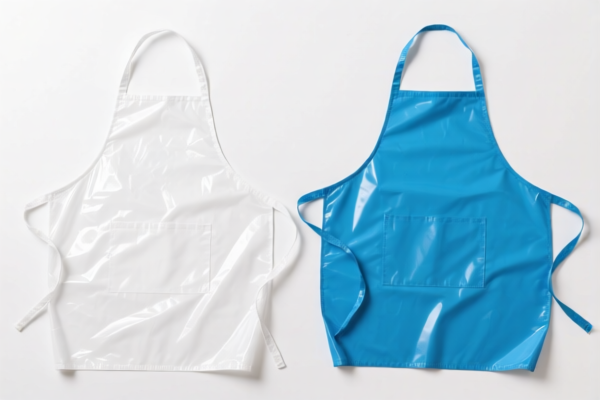
AI Analysis
👕 Plastic Aprons (Oil-Resistant)
🌐 HS Code Reference & Customs Clearance Guide | 2026 Latest Tariff Analysis | Professional Clearance Strategy
📌 I. Product Definition & Classification: Are You Shipping the Right Item?
Plastic aprons, specifically those described as "oil-resistant," fall under the category of Articles of Apparel and Clothing Accessories made from plastics (Headings 3901–3914). In international trade, these are primarily used in industrial, commercial kitchen, or laboratory settings for protection against spills and contaminants.
The key classification principle here is Material + Function: * Material: Plastic (Polyethylene, PVC, Polypropylene, etc.). * Function: Apparel/Clothing Accessory (Apron). * Specific Sub-category: "Other" articles of apparel/clothing accessories.
⚠️ Critical Distinction:
- If the item is a protective garment (worn over clothes to cover the body), it is classified under Heading 3926 (Other articles of plastics).
- Do not confuse these with "plastic bags" or "packaging materials." Even if thin, if it is designed to be worn, it is an article of apparel.
📦 II. HS Code Classification Details (2026 Latest Tariff Authority)
Based on the provided data, there are two potential HS codes for "Other" plastic aprons, differentiated by their specific sub-type or market destination within the "Other" category. Both share the same tax rate in this dataset.
| HS Code | Product Description | Applicable Scenario | Tax Rate (Total) |
|---|---|---|---|
3926.20.90.10 |
Other Aprons | Standard plastic aprons (e.g., clear PVC, PE kitchen aprons, industrial oil-resistant aprons) | 30.0% |
3926.20.90.50 |
Other Other | Plastic apparel accessories not specified elsewhere (e.g., plastic neckers, plastic bow ties, or non-apron protective wear) | 30.0% |
🔍 Key Takeaway:
- For standard plastic aprons (including oil-resistant ones),3926.20.90.10is the most precise code.
- Both codes in the provided dataset carry an identical Total Tax Rate of 30.0%.
💰 III. 2026 Latest Tariff Rate Breakdown (Including Additional Duties)
✅ Applicable Country: United States (US)
✅ Country of Origin: China (CN) (Note: Based on the "Additional Tariff: 25.0%" structure common in US-China trade data)
✅ Effective Time: Current (Subject to USITC 301 List updates)
🎯 1. 3926.20.90.10 —— Other Aprons (Plastic)
| Item | Detail |
|---|---|
| Base Tariff Rate | 5.0% |
| Additional Tariff (Section 301) | +25.0% |
| Total Tax Rate | 30.0% |
| Tax Calculation | CIF Value × 30.0% |
| De Minimis Exemption | ❌ NOT Eligible (Value over $800 triggers full duty) |
| Legal Basis Path | HTSUS: 3926.20.90.10 → USITC Footnote 9903.88.01 (Section 301 List 4A) |
📌 Explanation:
- Base Rate (5.0%): Standard MFN (Most Favored Nation) duty for "Other articles of apparel of plastics."
- Additional Duty (25.0%): Imposed under Section 301 of the Trade Act of 1974 on products from China. This is a significant cost driver.
- Total Impact: For every $1,000 CIF value, you pay $300 in duties alone.
🛠️ IV. Customs Clearance Practical Advice (Real-World Pitfall Avoidance)
✅ 1. Essential Documentation Checklist (None Can Be Missing)
| Document | Mandatory? | Notes |
|---|---|---|
| ✅ Product Description | ✔️ | Must explicitly state: "Plastic Apron, Oil-Resistant, [Material Type]" |
| ✅ Material Composition | ✔️ | Specify % of plastic (e.g., 100% Polyethylene) |
| ✅ HS Code Declaration | ✔️ | Use 3926.20.90.10 for aprons |
| ✅ Commercial Invoice | ✔️ | Must show CIF value clearly |
| ✅ Packing List | ✔️ | Include unit count and gross/net weight |
| ✅ Origin Certificate | ✔️ | If applicable for potential exemptions (rare for US-China 301 goods) |
✅ 2. Declaration Tips (Key Mantra)
🔥 “Material First, Function Clear, No ‘Bag’ Confusion, 30% Duty is Real!”
| Situation | Correct Declaration | Wrong Practice |
|---|---|---|
| Oil-Resistant Plastic Apron | 3926.20.90.10 – "Plastic Apron, Oil-Resistant" |
Misdeclare as "Plastic Sheet" or "Packaging" → Customs Seizure |
| Apron with Paper/Cardboard Label | Still 3926.20.90.10 |
Split label as "Accessory" → Complexity & Delay |
| Plastic Clothing Liners | Check if truly "Apparel" | If not wearable, may be "Other Plastic Articles" (3926.90) → Different Duty? |
✅ 3. Special Case Handling
| Situation | Handling Advice |
|---|---|
| Oil-Resistant Coating | Do not declare as "Chemical Product." The base material (plastic) dictates the HS Code. The coating is part of the article. |
| Mixed Materials (e.g., Plastic + Elastic Straps) | If plastic is the principal material (>50% by weight or value), it remains 3926.20.90.10. If straps dominate, consider 6217 (Clothing Accessories) → Lower Duty! |
| Samples for Testing | Still subject to duties unless shipped under specific exemption programs (e.g., $800 de minimis if eligible, but commercial shipments are not). |
🌍 V. Global Market Comparison (2026 Latest)
| Country/Region | Recommended HS Code | Base Tariff | Additional Tariff | Total Tax | Notes |
|---|---|---|---|---|---|
| 🇺🇸 USA | 3926.20.90.10 |
5.0% | +25.0% | 30.0% | High duty due to Section 301. |
| 🇨🇳 China | 3926.20.90.10 |
5.0% | 0% | 5.0% | Lower duty for imports into China. |
| 🇪🇺 EU | 3926.20.90 |
4.5% | 0% | 4.5% | No Section 301 equivalent. |
| 🇬🇧 UK | 3926.20.90 |
4.5% | 0% | 4.5% | Post-Brexit tariff applies. |
| 🇨🇦 Canada | 3926.20.90 |
5.0% | 0% | 5.0% | CUSMA preferred rates may apply. |
📌 Conclusion:
- The US market is significantly more expensive for plastic apparel due to the 25% additional tariff.
- Consider supply chain diversification (e.g., manufacturing in Vietnam or Thailand) to potentially avoid the 25% surcharge if eligible under local rules of origin.
📌 VI. Common Errors & Pitfalls (Lessons Learned)
❌ Error 1: Declaring "Plastic Apron" as "Plastic Sheet" or "Film" (3920.43)
👉 Consequence: Wrong HS Code → Customs Audit → Penalties & Delays.
👉 Correction: Always declare based on final use (apparel).
❌ Error 2: Ignoring the 25% Additional Tariff
👉 Consequence: Budgeting error → Lost Profit Margin.
👉 Correction: Always calculate 30% total duty for US-bound goods from China.
❌ Error 3: Splitting "Apron + Plastic Pocket" as separate items
👉 Consequence: Over-complication → Higher Admin Costs.
👉 Correction: Declare as a single composite article (3926.20.90.10).
✅ Correct Practice:
"Plastic Apron, Oil-Resistant, 100% Polyethylene, Clear Color, Model ABC, for Industrial Use"
🎯 VII. Conclusion: Professional Declaration, Cost Efficiency!
🎯 Remember the Mantra:
🔹 "Plastic Apparel = 3926.20.90.10"
🔹 "Base 5% + Add 25% = 30% Total Duty"
🔹 "Oil-Resistant is Still Plastic, Not Chemical!"
📌 Pro Tip:
If your plastic aprons are not made in China (e.g., Vietnam, Indonesia), they may avoid the 25% Section 301 tariff, reducing the total duty to just 5.0%.
✅ Recommendation:
- Verify Country of Origin carefully.
- Request Supplier Documentation to confirm manufacturing location.
- Consider Supply Chain Shift to low-tariff regions for large volumes.
📣 Immediate Action:
📞 Confirm HS Code
3926.20.90.10with your freight forwarder.
📊 Calculate 30% duty impact on your landing cost.
🚀 Optimize supply chain to minimize tariff exposure!
✨ Professional Customs Clearance Starts with Accurate Classification!
💼 Your Cost Efficiency Depends on Precision!
Customer Reviews
About HS Code Classification
The Harmonized System (HS) is an internationally standardized nomenclature developed by the World Customs Organization (WCO) to classify traded products. Over 200 countries use the HS system as the basis for customs tariffs, trade statistics, and import/export regulations.
Each HS code follows a hierarchical structure:
- Chapter (2 digits) — Broad category of goods (e.g., Chapter 84: Machinery and Mechanical Appliances)
- Heading (4 digits) — More specific grouping within the chapter
- Subheading (6 digits) — Internationally standardized breakdown, used by all WCO member countries
- National subdivisions (8-10 digits) — Country-specific extensions for further classification, such as US HTSUS 10-digit codes
Correct HS code classification is essential for smooth customs clearance, accurate duty payment, and compliance with trade regulations. Misclassification can lead to customs delays, overpayment of duties, or penalties.
When importing from CN to US, the applicable tariff rates may include:
- Most-Favored-Nation (MFN) rate — The standard duty rate applied to WTO members
- General rate — Applied to countries without trade agreements
- Trade remedy duties — Additional tariffs such as Section 301 (anti-dumping), Section 232 (national security), or countervailing duties
The information provided on this page is for reference purposes only. For official classification, please consult with your local customs authority or a licensed customs broker.