Plastic coated mountaineering jacket
CN → US| HS Code | Tariff Rate | Origin | Destination | Doc |
|---|---|---|---|---|
| 6113001010 | 21.3% | CN | US | Official Doc |
| 6210500300 | 13.8% | CN | US | Official Doc |
| 6113001005 | 21.3% | CN | US | Official Doc |
| 6210205020 | 24.6% | CN | US | Official Doc |
| 5903902500 | 42.5% | CN | US | Official Doc |
Product Images

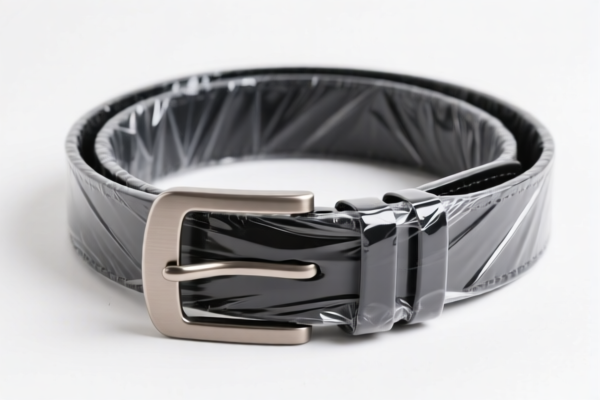


AI Analysis
🧗♂️ Plastic Coated Mountaineering Jacket: HS Code Decoded & 2026 Customs Clearance Strategy
🌐 The Ultimate Guide to US Import Classification, Tax Liability & Risk-Free Clearance
Breaking down the 5 critical HS Codes for "Plastic Coated Mountaineering Jackets" and how to avoid 42.5% tax traps!
🧵 I. Product Definition & Classification: Is Your Jacket "Coated" or "Impregnated"?
The term "Plastic Coated Mountaineering Jacket" is a generic trade description, but in US Customs (CBP) and the Harmonized System, the specific manufacturing process dictates the tariff.
A jacket falls into different categories based on:
1. The Process: Is it a fabric impregnated/covered with plastic, or a coated textile?
2. The Base Material: Is it Knitted (Chapter 61) or Woven (Chapter 62)?
3. The Gender: Is it Men's, Boy's, Women's, or Girls'?
⚠️ Critical Distinction:
- Chapter 59: If the plastic coating is the main feature (fabric is just a substrate), it may fall under "Coated Textiles" (High Tax!).
- Chapter 61: Knitted garments (like fleece-lined jackets).
- Chapter 62: Woven garments (like shell jackets).
- Material Matters: "Synthetic fibers" vs. "Man-made fibers" changes the subheading.
📦 II. HS Code Classification Matrix (2026 Tax Rules)
Based on the specific data provided for Plastic Coated Mountaineering Jackets, here is the authoritative breakdown of the 5 applicable HS Codes and their exact tax structures.
| HS Code | Product Description & Specifics | Manufacturing Type | Base Material |
|---|---|---|---|
| 6113.00.10.10 | Plastic Coated Mountaineering Jacket | Knitted Garment | Plastic Coating |
| 6113.00.10.05 | Plastic Coated Mountaineering Jacket | Knitted Garment | Impregnated with Plastic |
| 6210.50.03.00 | Plastic Coated Mountaineering Jacket | Woven Garment | Synthetic Fibers + Plastic Coating |
| 6210.20.50.20 | Plastic Coated Mountaineering Jacket | Woven Garment | Synthetic/Man-made + Outdoor Use |
| 5903.90.25.00 | Plastic Coated Mountaineering Jacket | Coated Fabric (Not yet a garment) | Plastic + Textile Substrate |
🔍 Key Insight:
- 6113 (Knitted) vs. 6210 (Woven): This is the first major split. Knitted (61) usually involves stretchy, fleece-like materials. Woven (62) involves shell fabrics.
- 6210.50 vs. 6210.20: One specifies "Synthetic" explicitly for outdoor use; the other is broader.
- 5903 (Fabric): If you are importing rolls of fabric (not sewn jackets), this code applies with the highest tax rate.
💰 III. 2026 US Tariff Rate Breakdown (The "122 Clause" Impact)
🇺🇸 Target Market: United States
🏭 Origin: China
⚠️ Policy: Section 122 & 301 (Additional Duties)
📊 Tax Structure Comparison
| HS Code | Base Duty (MFN) | Section 301 (Add-on) | Section 122 (2026 Add-on) | TOTAL TAX RATE | Risk Level |
|---|---|---|---|---|---|
| 6210.50.03.00 | 3.8% | 0.0% | 10.0% | 13.8% | 🟢 LOW |
| 6113.00.10.10 | 3.8% | 7.5% | 10.0% | 21.3% | 🟡 MEDIUM |
| 6113.00.10.05 | 3.8% | 7.5% | 10.0% | 21.3% | 🟡 MEDIUM |
| 6210.20.50.20 | 7.1% | 7.5% | 10.0% | 24.6% | 🟠 HIGH |
| 5903.90.25.00 | 7.5% | 25.0% | 10.0% | 42.5% | 🔴 CRITICAL |
🧠 Detailed Tax Explanation
1. The "Sweet Spot" (13.8%)
- HS Code:
6210.50.03.00 - Logic: This code applies to Woven jackets made of Synthetic Fibers that are surface-coated with plastic.
- Why it's low: It has 0% Section 301 Add-on. Only the standard Base (3.8%) + Section 122 (10%) apply.
- Strategy: If your jacket is woven synthetic, fight for this code!
2. The "Standard" Zone (21.3%)
- HS Codes:
6113.00.10.10&6113.00.10.05 - Logic: Applies to Knitted jackets.
- Why it's higher: Incurs a 7.5% Section 301 Add-on.
- Breakdown:
- Base: 3.8%
- Section 301: 7.5% (High tariff on textiles)
- Section 122: 10% (2026 specific policy)
- Total: 21.3%
3. The "High Risk" Zone (24.6%)
- HS Code:
6210.20.50.20 - Logic: Woven, synthetic, for leisure/outdoor performance.
- Why it's higher: The Base Duty is already 7.1% (higher than standard woven), plus the standard 7.5% Section 301 and 10% Section 122.
4. The "Trap" Zone (42.5%)
- HS Code:
5903.90.25.00 - Logic: Coated Textile Fabric (Rolls), not the finished jacket.
- Why it's CRITICAL:
- Base: 7.5%
- Section 301: 25.0% (Massive penalty on coated fabrics)
- Section 122: 10%
- Total: 42.5%
- ⚠️ WARNING: Importing fabric rolls under this code instead of finished jackets will destroy your margin. Only use this if you are importing raw material.
🛠️ IV. Clearance Practical Strategy: How to Pass Customs
✅ 1. Pre-Shipment Documentation Checklist
| Document | Requirement | Why? |
|---|---|---|
| Detailed Composition Label | Must state: "100% Polyester" or "Nylon" + "Plastic Coated" | Determines Chapter 61 vs. 62 vs. 59. |
| Manufacturing Flow Chart | Show the "Coating" process. Is it Impregnated or Surface Coated? | Distinguishes 6113 from 5903. |
| Product Photos (Seamed & Unseamed) | Show the jacket AND the fabric roll (if applicable). | Prevents misclassification as "Coated Fabric" (5903). |
| Technical Spec Sheet | Define "Mountaineering" features (waterproof, windproof, seams). | Supports 6210.50 (Outdoor use) vs. generic 6210. |
| Bill of Materials (BOM) | Explicitly state "Plastic Coating" vs. "Lining". | Confirms the "Plastic" element for tax calculation. |
✅ 2. Classification Strategy (The "Winning" Move)
🎯 Goal: Target 6210.50.03.00 (13.8% Tax).
Step-by-Step:
1. Verify Knitted vs. Woven: If the fabric is Knitted (stretches, jersey-like), it must be 6113. You cannot argue for 6210 if it's knitted.
2. Verify Material: If it is Synthetic (Polyester/Nylon), it favors 6210.50.
3. Verify Coating Type: If the plastic is a surface film, it fits 6210.50. If the fabric is saturated (impregnated), it might shift to 6113 or 5903.
4. Avoid 5903: Do NOT classify a finished jacket as "Coated Fabric" (5903). This is a common error that triggers the 42.5% tax. A finished garment is never 5903; it must be 61xx or 62xx.
✅ 3. Avoiding the "Section 122" & "301" Pitfalls
- Section 122 (10%): This is a specific 2026 add-on. No exemption exists for these codes. You must budget for this 10% on top of everything.
- Section 301 (7.5% - 25%): This is the killer.
- If you are importing Knitted Jackets (6113), you must pay 7.5%.
- If you are importing Woven Synthetic Jackets (6210.50), you save the 7.5% (Rate is 0%).
- Action: If you have the flexibility to switch from Knitted to Woven fabrics (or vice versa depending on design), choose the Woven path to save 7.5% + 25% = 32.5% potential savings (if moving from 5903 to 6210.50).
🌍 V. Global Market Comparison (2026)
| Market | Recommended HS Code | Tax Rate | Key Challenge |
|---|---|---|---|
| 🇺🇸 USA | 6210.50.03.00 |
13.8% | High Section 122 & 301 risks if misclassified. |
| 🇪🇺 EU | 6210.00 |
~12% | No Section 122, but strict textile labeling laws. |
| 🇯🇵 Japan | 6210.20 |
~8.2% | Lower base rates, but strict origin rules. |
| 🇨🇦 Canada | 6210.00 |
~7.5% | NAFTA/CUSMA benefits if assembled in region. |
💡 Insight: The US is the most expensive market for these goods due to the Section 122 and Section 301 double-layer taxation. If you have a supply chain in Vietnam/Mexico, re-route there to avoid these specific US codes.
⚡ VI. Final Verdict & Action Plan
🚨 The "Do Not Do" List
- ❌ DO NOT classify a finished jacket as
5903.90.25.00. This is for fabric rolls only. Misclassification here = 42.5% Tax + Audit Risk. - ❌ DO NOT assume all "Plastic Coated" jackets are taxed at 21.3%. If it's Woven Synthetic, it's 13.8%.
- ❌ DO NOT ignore the "Section 122" clause. It is mandatory in 2026 for all these codes.
✅ The "Go" List
- ✅ Target Code:
6210.50.03.00(Woven, Synthetic, Plastic Coated) = 13.8% Total. - ✅ Documentation: Prove the fabric is Woven and the plastic is a Surface Coating.
- ✅ Pre-Order: Request a Binding Ruling from US Customs (CBP) if your product is on the border between Knitted/Woven.
📣 Conclusion: Precision is Profit
In the world of mountaineering gear, a small difference in classification (Knitted vs. Woven) can save you 28.7% in taxes ($21.3% vs $13.8%).
Don't let "Plastic Coated" become a liability. Let it become your competitive advantage.
🔹 Pro Tip: If you can design your jacket using Woven Synthetic Fabric with a plastic coating, you automatically qualify for the lowest tax bracket (13.8%).
🔹 Remember: The "Coated Fabric" code (5903) is a tax trap for finished goods. Always classify finished garments in Chapters 61 or 62.
✨ Your Customs Compliance Partner
Ensure your HS Codes are accurate, your taxes are calculated correctly, and your supply chain stays profitable in 2026.
Customer Reviews
About HS Code Classification
The Harmonized System (HS) is an internationally standardized nomenclature developed by the World Customs Organization (WCO) to classify traded products. Over 200 countries use the HS system as the basis for customs tariffs, trade statistics, and import/export regulations.
Each HS code follows a hierarchical structure:
- Chapter (2 digits) — Broad category of goods (e.g., Chapter 84: Machinery and Mechanical Appliances)
- Heading (4 digits) — More specific grouping within the chapter
- Subheading (6 digits) — Internationally standardized breakdown, used by all WCO member countries
- National subdivisions (8-10 digits) — Country-specific extensions for further classification, such as US HTSUS 10-digit codes
Correct HS code classification is essential for smooth customs clearance, accurate duty payment, and compliance with trade regulations. Misclassification can lead to customs delays, overpayment of duties, or penalties.
When importing from CN to US, the applicable tariff rates may include:
- Most-Favored-Nation (MFN) rate — The standard duty rate applied to WTO members
- General rate — Applied to countries without trade agreements
- Trade remedy duties — Additional tariffs such as Section 301 (anti-dumping), Section 232 (national security), or countervailing duties
The information provided on this page is for reference purposes only. For official classification, please consult with your local customs authority or a licensed customs broker.