Plastic insulation sheets
CN → US| HS Code | Tariff Rate | Origin | Destination | Doc |
|---|---|---|---|---|
| 3919905030 | 40.8% | CN | US | Official Doc |
| 3919102020 | 40.8% | CN | US | Official Doc |
| 3920991000 | 41.0% | CN | US | Official Doc |
| 8547200000 | 35.0% | CN | US | Official Doc |
| 8547900010 | 89.6% | CN | US | Official Doc |
Product Images
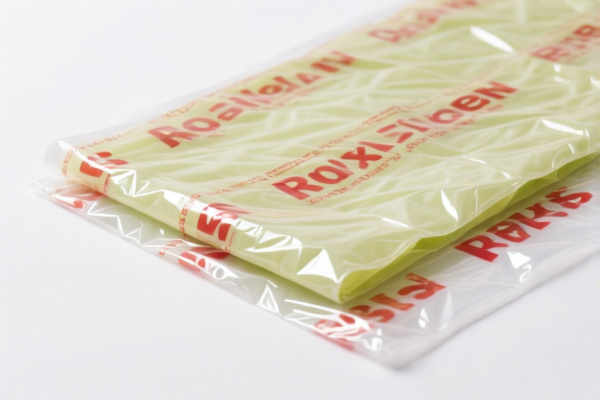
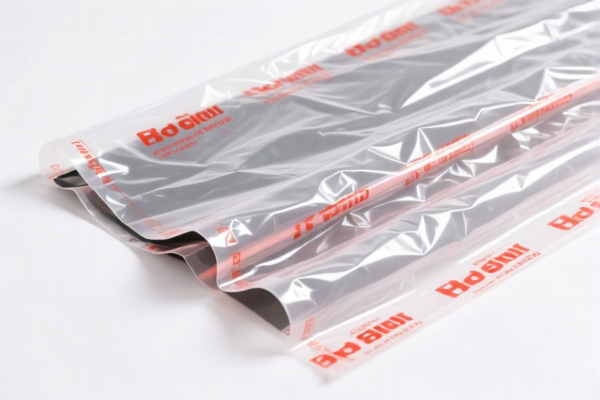
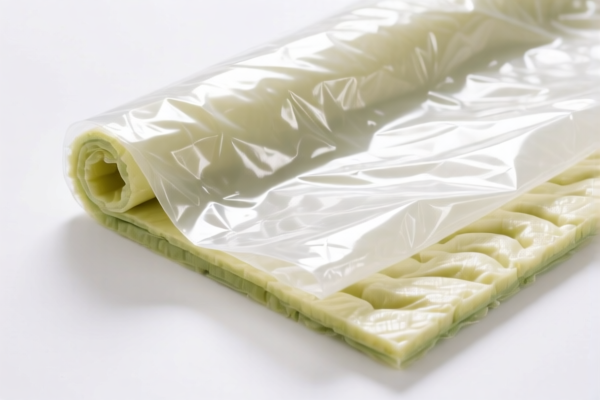
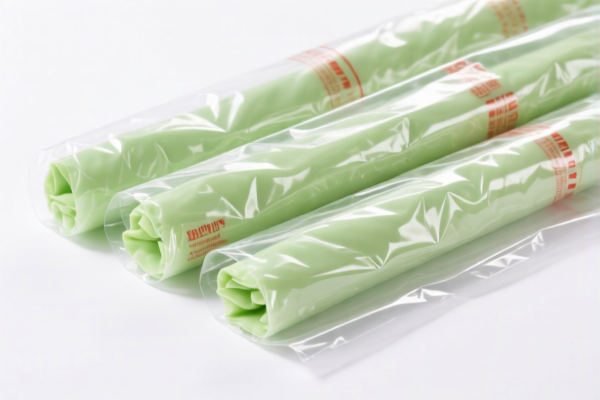
AI Analysis
🛡️ Plastic Insulation Sheets & Films (Plastic Insulation Materials)
🌐 HS Code Reference & Customs Clearance Guide | 2026 Latest Tariff Analysis | Professional-Level Entry Strategy
📌 Part 1: Product Definition & Classification: Do You Truly Understand "Plastic Insulation"?
Plastic insulation sheets and films are critical components in the electrical, electronics, and manufacturing industries. They serve as electrical barriers, thermal protectors, and structural separators. In international trade, these products are highly fragmented based on their physical form (film vs. sheet), specific function (insulation vs. self-adhesive), and composition.
The core challenge lies in distinguishing between: 1. General Plastic Films/Sheets: Broadly defined by material and shape (Chapters 39). 2. Electrical Insulation Accessories: Specifically defined by function (Chapter 85).
⚠️ Key Distinction Point:
- If the product is primarily a raw material (plain film/sheet) used for general purpose or broad insulation → It typically falls under Chapter 39 (Plastics and Articles Thereof).
- If the product is specifically designed as an electrical insulating component or attachment → It may fall under Chapter 85 (Electrical Machinery and Equipment), specifically heading 8547 (Insulating fittings for electrical machines, appliances, etc.).
📦 Part 2: HS Code Classification Details (2026 Latest Tariff Authority Comparison)
Below are the 5 possible HS Codes derived from your provided data, ranked by commonality and specific attributes.
| HS Code | Product Description | Summary of Criteria | Total Tax Rate |
|---|---|---|---|
8547.20.00.00 |
Insulating Fittings (Plastic) | Plastic material, for electrical insulation, categorized as "insulating accessories." No conflict with metal/conduit. | 35.0% |
3919.10.20.20 |
Self-Adhesive Plastic Film | Plastic material, film form. Meets requirements for self-adhesive plastic films. | 40.8% |
3919.90.50.30 |
Plastic Tape/Film (Other) | Plastic material, film form. Meets "flat plastic shape (film)" and insulation use requirements. | 40.8% |
3920.99.10.00 |
Other Plastic Sheets/Films | Plastic material, film form. Classified under "Other plates, sheets, film, foil, and strip." Based on the "catch-all" principle for other categories. | 41.0% |
8547.90.00.10 |
Other Insulating Fittings (Plastic) | Plastic material, film form. Meets "other insulating accessories" catch-all attributes. No material conflict. | 89.6% |
🔍 Critical Reminder:
-8547.20.00.00offers the lowest tax rate (35%) but requires proving the product is specifically an "insulating fitting/accessory."
-8547.90.00.10carries the highest tax rate (89.6%). Note the detail: "Steel, Aluminum, Copper products subject to additional 50% tariff." Even if plastic, this code is risky and expensive.
- Chapters 39 (3919,3920) are "general" plastic codes. They attract 40.8% - 41.0% due to specific trade remedies (Section 301/122).
💰 Part 3: 2026 Latest Tariff Rate Breakdown (Including Surcharges & Policy Add-ons)
✅ Applicable Country: United States (US)
✅ Origin: China (CN)
✅ Effective Time: 2025/2026 (Current Trade War Tariffs Applied)
🎯 1. 8547.20.00.00 —— Insulating Fittings (Best Value Option)
| Item | Content |
|---|---|
| Base Tariff | 0.0% |
| Section 301 Surcharge | +25.0% |
| Section 122 Tariff | +10.0% |
| Total Tax Rate | 35.0% |
| Tax Calculation | CIF Value × 35% |
| De Minimis Exemption | ❌ Not Applicable (High risk of seizure below threshold due to high rate) |
| Legal Basis Path | Section 301: 9903.88.01 → Section 122: IEEPA 9903.01.24 → USITC: 8547.20.00.00 |
📌 Explanation:
- Base 0%: Electrical insulating parts often have low base MFN rates.
- Total 35%: This is the most cost-effective classification if the product can be legally defined as an "insulating accessory" rather than just "plastic film."
- Strategy: Emphasize the electrical function and specific insulation application in documentation.
🎯 2. 3919.10.20.20 —— Self-Adhesive Plastic Film
| Item | Content |
|---|---|
| Base Tariff | 5.8% |
| Section 301 Surcharge | +25.0% |
| Section 122 Tariff | +10.0% |
| Total Tax Rate | 40.8% |
| Tax Calculation | CIF Value × 40.8% |
| De Minimis Exemption | ❌ Not Applicable |
| Legal Basis Path | Section 301: 9903.88.01 → Section 122: IEEPA 9903.01.24 → USITC: 3919.10.20.20 |
📌 Explanation:
- If the plastic sheet has adhesive backing (self-adhesive tape/film), it falls here.
- The base tariff is higher (5.8%) compared to8547.20(0%).
🎯 3. 3919.90.50.30 —— Other Plastic Films/Tapes
| Item | Content |
|---|---|
| Base Tariff | 5.8% |
| Section 301 Surcharge | +25.0% |
| Section 122 Tariff | +10.0% |
| Total Tax Rate | 40.8% |
| Tax Calculation | CIF Value × 40.8% |
| De Minimis Exemption | ❌ Not Applicable |
| Legal Basis Path | Section 301: 9903.88.01 → Section 122: IEEPA 9903.01.24 → USITC: 3919.90.50.30 |
📌 Explanation:
- Used if the film is not self-adhesive but still flat/plastic.
- Same rate as3919.10, but different subheading based on exact material/form.
🎯 4. 3920.99.10.00 —— Other Plastic Plates/Sheets (Catch-All)
| Item | Content |
|---|---|
| Base Tariff | 6.0% |
| Section 301 Surcharge | +25.0% |
| Section 122 Tariff | +10.0% |
| Total Tax Rate | 41.0% |
| Tax Calculation | CIF Value × 41.0% |
| De Minimis Exemption | ❌ Not Applicable |
| Legal Basis Path | Section 301: 9903.88.01 → Section 122: IEEPA 9903.01.24 → USITC: 3920.99.10.00 |
📌 Explanation:
- This is the "Other" category under Chapter 39.
- It applies if the product is a solid plastic sheet/film not covered by more specific film/tape headings.
- Slightly higher total rate (41.0%) due to higher base tariff (6.0%).
🎯 5. 8547.90.00.10 —— Other Insulating Fittings (High Risk)
| Item | Content |
|---|---|
| Base Tariff | 4.6% |
| Section 301 Surcharge | +25.0% |
| Section 122 Tariff | +10.0% |
| Steel/Al/Cu Surcharge | +50.0% (Conditional) |
| Total Tax Rate | 89.6% |
| Tax Calculation | CIF Value × 89.6% |
| De Minimis Exemption | ❌ Not Applicable |
| Legal Basis Path | Section 301 + Section 122 + Metal Surcharge Rules → USITC: 8547.90.00.10 |
📌 ⚠️ CRITICAL WARNING:
- AVOID THIS CODE IF POSSIBLE.
- The summary mentions: "Steel, Aluminum, Copper products subject to additional 50% tariff."
- Even though the product is plastic, misclassification or overlapping materials can trigger this 89.6% rate.
- This is a "catch-all" for insulating parts not covered by8547.20, leading to punitive taxation.
🛠️ Part 4: Customs Clearance Practical Advice (Real-World Pitfall Guide)
✅ 1. Documentation Checklist (Non-Negotiable)
| Document | Must Provide | Explanation |
|---|---|---|
| ✅ Product Specification Sheet | ✔️ | Detail material composition (e.g., PVC, PE, PTFE), thickness, dielectric strength, temperature resistance. |
| ✅ Electrical Test Reports | ✔️ | UL, CSA, or IEC reports proving insulation properties (critical for 8547 classification). |
| ✅ Product Photos (Clear) | ✔️ | Show labels, roll/form factor, and any adhesive backing. |
| ✅ Commercial Invoice | ✔️ | Describe as "Plastic Insulation Sheet for Electrical Equipment" rather than just "Plastic Film." |
| ✅ Bill of Lading / Packing List | ✔️ | Ensure weights and dimensions match the invoice. |
✅ 2. Declaration Strategy (Key Mantra)
🔥 "Function Defines Chapter: Insulation = 8547, Raw Material = 39"
| Scenario | Correct Declaration | Wrong Practice |
|---|---|---|
| Product is a finished insulating part (e.g., spacer, gasket, specific electrical tape) | Use 8547.20.00.00 (35% Tax) |
Declare as "Plastic Film" → Higher risk of audit or wrong classification |
| Product is raw plastic film/sheet (bulk roll, no specific electrical shape) | Use 3919 or 3920 (40.8-41% Tax) |
Declare as "Insulation Accessory" → Risk of penalty for misclassification |
| Product has adhesive backing | Use 3919.10.20.20 (40.8% Tax) |
Declare as "Non-adhesive film" → Contradicts physical reality |
| Product contains metal reinforcement | ⚠️ Risk Alert: May trigger 89.6% (8547.90) or metal surcharges |
Try to claim plastic-only classification |
✅ 3. Special Case Handling
| Situation | Handling Suggestion |
|---|---|
| OEM Custom Insulation Sheets | Provide client’s engineering drawings specifying dielectric voltage and application. This supports 8547 classification. |
| Plastic Sheets with Metal Foil Layer | HIGH RISK. May be classified as composite or metal-containing, triggering the 50% additional tariff. Consider if metal layer can be removed or is minimal. |
| Self-Adhesive vs. Non-Adhesive | Clearly distinguish in HS Code. 3919 is for adhesive; 3920 is for non-adhesive sheets. Do not mix them. |
| Small Samples (< $800) | ❌ Do Not Assume De Minimis Exemption. With rates of 35-89%, customs may still assess duties on low-value shipments if flagged. |
🌍 Part 5: Global Market Comparison (2026 Latest)
| Country/Region | Recommended HS Code | Estimated Duty | Certification Req. | Notes |
|---|---|---|---|---|
| 🇺🇸 USA | 8547.20.00.00 |
35.0% | UL, CSA, FCC (if part of device) | Lowest duty if proven as "insulating accessory." |
| 🇺🇸 USA | 3919/3920 |
40.8% - 41.0% | RoHS, REACH (if applicable) | Higher duty, but easier to classify as general plastic. |
| 🇨🇳 China | 3920 or 8547 |
0% - 6% | CCC (if specific electrical) | No Section 301/122 tariffs. |
| 🇪🇺 EU | 3920 or 8547 |
0% - 6.5% | RoHS, REACH | Generally low tariffs for plastics/insulators. |
| 🇬🇧 UK | 3920 or 8547 |
0% - 6.5% | UKCA, RoHS | Post-Brexit tariffs mirror EU in many cases. |
📌 Conclusion:
- USA is the most challenging market due to Section 301 (25%) and Section 122 (10%) tariffs.
-8547.20.00.00(35%) is significantly cheaper than3919/3920(~41%).
-8547.90.00.10(89.6%) should be avoided unless absolutely necessary.
📌 Part 6: Common Mistakes & Pitfalls (Lessons Learned)
❌ Mistake 1: Declaring "Plastic Insulation Film" as 8547.90.00.10
👉 Consequence: 89.6% Tax Rate! → Financial loss.
✅ Fix: Verify if it fits 8547.20.00.00 (35%) by proving specific electrical insulation use.
❌ Mistake 2: Confusing "Self-Adhesive" (3919) with "Non-Adhesive" (3920)
👉 Consequence: Customs audit, delay, potential fines for incorrect declaration.
✅ Fix: Check product specs. If it has glue/tape backing, use 3919. If it’s a dry sheet, use 3920.
❌ Mistake 3: Ignoring "Metal Component" Clauses
👉 Consequence: If the insulation has a metal mesh or foil, 8547.90 may apply with 50% surcharge.
✅ Fix: Ensure material composition is 100% plastic if claiming plastic-based codes.
🎯 Part 7: Conclusion: Professional Declaration, Cost Savings, Efficiency!
🎯 Remember the Mantra:
🔹 "Insulation Function = 8547.20 (35%)! 🏆"
🔹 "General Plastic Film = 3919/3920 (41%) 📉"
🔹 "Avoid 8547.90 (89.6%) 🚫"
📌 Pro Tip:
If your plastic sheets are not originally made in China (e.g., produced in Vietnam, Malaysia, or Mexico), you may apply for IEEPA Exemptions, potentially reducing tariffs to 0-5%.
Recommendation: Apply for a Customs Ruling (Pre-classification) before shipping to confirm 8547.20.00.00 eligibility.
📣 Immediate Action:
📞 Contact a professional customs broker + Provide product specs + Apply for HS Code Pre-Ruling
🚀 Let your plastic insulation sheets pass smoothly, save costs, and boost profits!
✨ Professional Customs Clearance Starts with Accurate Classification!
💼 Every cent of cost deserves precise calculation!
Customer Reviews
About HS Code Classification
The Harmonized System (HS) is an internationally standardized nomenclature developed by the World Customs Organization (WCO) to classify traded products. Over 200 countries use the HS system as the basis for customs tariffs, trade statistics, and import/export regulations.
Each HS code follows a hierarchical structure:
- Chapter (2 digits) — Broad category of goods (e.g., Chapter 84: Machinery and Mechanical Appliances)
- Heading (4 digits) — More specific grouping within the chapter
- Subheading (6 digits) — Internationally standardized breakdown, used by all WCO member countries
- National subdivisions (8-10 digits) — Country-specific extensions for further classification, such as US HTSUS 10-digit codes
Correct HS code classification is essential for smooth customs clearance, accurate duty payment, and compliance with trade regulations. Misclassification can lead to customs delays, overpayment of duties, or penalties.
When importing from CN to US, the applicable tariff rates may include:
- Most-Favored-Nation (MFN) rate — The standard duty rate applied to WTO members
- General rate — Applied to countries without trade agreements
- Trade remedy duties — Additional tariffs such as Section 301 (anti-dumping), Section 232 (national security), or countervailing duties
The information provided on this page is for reference purposes only. For official classification, please consult with your local customs authority or a licensed customs broker.