Plastic shoe sole adhesive structure with plant fiber upper
CN → US| HS Code | Tariff Rate | Origin | Destination | Doc |
|---|---|---|---|---|
| 3926905900 | 37.4% | CN | US | Official Doc |
| 3926906090 | 39.2% | CN | US | Official Doc |
| 6406200000 | 20.2% | CN | US | Official Doc |
| 6406903030 | 15.3% | CN | US | Official Doc |
| 6402993177 | 16.0% | CN | US | Official Doc |
Product Images
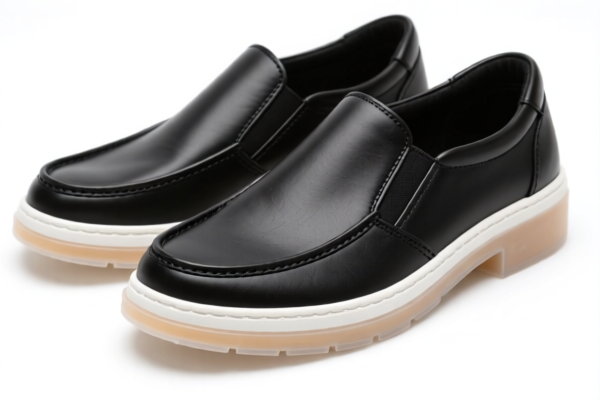
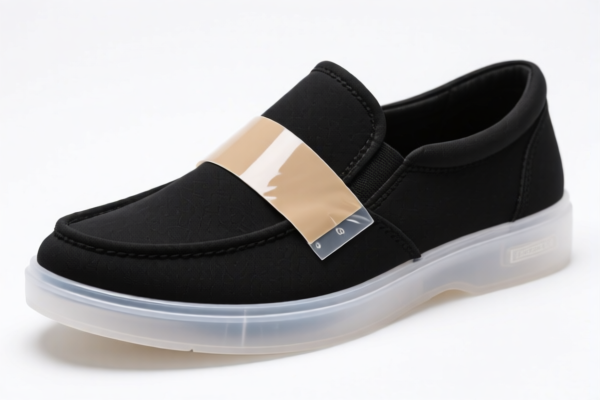
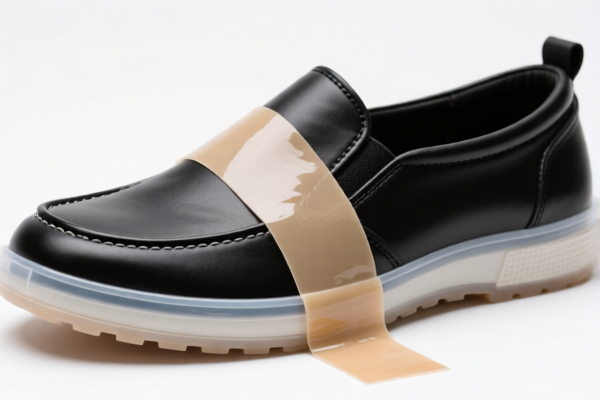
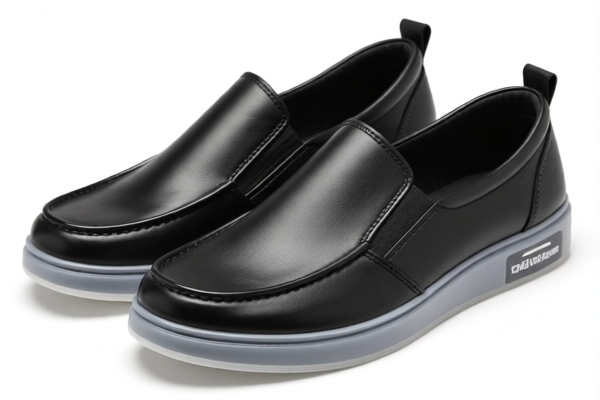
AI Analysis
👟 Plastic Shoe Sole with Plant Fiber Upper (Adhesive Structure)
🌐 HS Code Reference & Customs Clearance Guide | 2026 Latest Tariff Analysis | Professional Entry Strategy
📌 I. Product Definition & Classification: Do You Truly Understand "Shoe Solvents"?
This product consists of plastic shoe soles connected via an adhesive structure to an upper made of plant fiber. In international trade, the classification hinges on the principal material of the sole and the construction method.
Key Distinction Points:
- Sole Material: Primarily plastic (outer sole).
- Upper Material: Plant fiber (natural material).
- Construction: Adhesive bonding (glued).
⚠️ Critical Classification Logic:
- If classified as a Shoe Part → Falls under Chapter 64 (Footwear Parts).
- If classified as a Plastic Product → Falls under Chapter 39 (Plastics and Articles Thereof).
- If classified as Complete Footwear → Not applicable here, as this is a sole component (unless the upper is detached).
The provided data identifies five potential HS Codes, ranging from "Other Plastic Articles" to "Footwear Parts." The choice significantly impacts duty rates due to varying "Section 301" and "122 Clause" tariffs.
📦 II. HS Code Classification Details (2026 Latest Tariff Alignment)
| HS Code | Product Description | Scope & Logic | Total Tax Rate |
|---|---|---|---|
6406.90.30.30 |
Plastic Soles (Adhesive Structure), Material: Plastic, Form: Sole, Fits Definition of "Soles" in Rubber/Plastic Category | Primary Choice for Parts. Classified under footwear parts, outer soles. Lowest base tax among parts. | 15.3% |
6402.99.31.77 |
Plastic Soles (Adhesive Structure), Material: Plastic, Form: Shoe Component, Classified under "Other Footwear" | Alternative for Parts. Treated as a component of other footwear types. | 16.0% |
6406.20.00.00 |
Plastic Soles (Adhesive Structure), Material: Plastic, Form: Sole, Classified under Footwear Parts - Outer Soles | Standard Footwear Part. Classic classification for plastic soles. | 20.2% |
3926.90.59.00 |
Plastic Soles (Adhesive Structure), Material: Plastic, Form: Finished Product, Falls under "Other Plastic Articles" | Secondary Choice. Classified as a general plastic article, not specifically a footwear part. Higher surcharge. | 37.4% |
3926.90.60.90 |
Plastic Soles (Adhesive Structure), Material: Plastic, Classified as "Other Articles of Plastic" (Catch-all) | Last Resort. Generic plastic item. Highest base tax among options. | 39.2% |
🔍 Key Reminder:
- Footwear Parts (Chapter 64) generally have lower base tariffs but may still face significant additional duties depending on the specific subheading and trade agreements.
- Plastic Articles (Chapter 39) are treated as general manufactured goods, often attracting higher base tariffs and additional surcharges.
- Crucial: The "Adhesive Structure" and "Plant Fiber Upper" description suggests the item might be imported as a semi-finished good or component. However, if imported separately, it is often classified as a part (HS 6406) or a plastic article (HS 3926). The provided data offers both paths.
💰 III. 2026 Latest Tariff Rate Breakdown (Including Surcharges & Policy Add-ons)
✅ Applicable Country: United States (US)
✅ Origin: China (CN)
✅ Effective Time: Ongoing (as per provided data)
🎯 1. 6406.90.30.30 —— Plastic Soles (Footwear Parts - Soles)
Best for minimizing duty costs under Chapter 64.
| Item | Detail |
|---|---|
| Base Tariff | 5.3% (Ad Valorem) |
| Section 301 Surcharge | 0.0% (Note: Data indicates 0.0% for this specific subheading, which is rare; verify with latest USITC lists) |
| Section 122 Surcharge | 10% (Applied to certain plastic/rubber articles from China) |
| Total Tax Rate | 15.3% |
| Calculation | CIF Value × 15.3% |
| De Minimis Exemption | ❌ Not Eligible (Deny De Minimis) |
| Legal Path | USITC:6406.90.30.30 → FOOTNOTE:122 |
📌 Explanation:
- This code benefits from the lowest total duty rate in the provided list.
- The 0% Section 301 is unusual for plastic goods but possible for specific footwear parts; however, the 10% Section 122 still applies.
- Strategy: If customs accepts this as a "sole part," this is the most cost-effective option.
🎯 2. 6402.99.31.77 —— Plastic Soles (Footwear Components - Other)
Alternative classification for footwear components.
| Item | Detail |
|---|---|
| Base Tariff | 6.0% (Ad Valorem) |
| Section 301 Surcharge | 0.0% |
| Section 122 Surcharge | 10% |
| Total Tax Rate | 16.0% |
| Calculation | CIF Value × 16.0% |
| De Minimis Exemption | ❌ Not Eligible |
| Legal Path | USITC:6402.99.31.77 → FOOTNOTE:122 |
📌 Note:
- Slightly higher base tariff than6406.90.30.30, but still competitive.
- Use if customs challenges the "sole" classification and demands "other component" status.
🎯 3. 6406.20.00.00 —— Plastic Soles (Footwear Parts - Outer Soles)
Standard classification for plastic outer soles.
| Item | Detail |
|---|---|
| Base Tariff | 2.7% (Ad Valorem) |
| Section 301 Surcharge | 7.5% |
| Section 122 Surcharge | 10% |
| Total Tax Rate | 20.2% |
| Calculation | CIF Value × 20.2% |
| De Minimis Exemption | ❌ Not Eligible |
| Legal Path | USITC:6406.20.00.00 → FOOTNOTE:301.7.5 → FOOTNOTE:122 |
📌 Note:
- Lower base tariff (2.7%) but higher Section 301 surcharge (7.5%) compared to6406.90.30.30.
- Total duty is higher than the best-case scenario (6406.90.30.30).
🎯 4. 3926.90.59.00 —— Plastic Soles (Other Plastic Articles)
Classification as a general plastic product.
| Item | Detail |
|---|---|
| Base Tariff | 2.4% (Ad Valorem) |
| Section 301 Surcharge | 25.0% |
| Section 122 Surcharge | 10% |
| Total Tax Rate | 37.4% |
| Calculation | CIF Value × 37.4% |
| De Minimis Exemption | ❌ Not Eligible |
| Legal Path | USITC:3926.90.59.00 → FOOTNOTE:301.25 → FOOTNOTE:122 |
📌 Note:
- High total duty due to the 25% Section 301 surcharge, which is standard for many plastic articles from China.
- Use only if footwear part classification is rejected.
🎯 5. 3926.90.60.90 —— Plastic Soles (Other Plastic Articles - Catch-all)
Generic plastic item classification.
| Item | Detail |
|---|---|
| Base Tariff | 4.2% (Ad Valorem) |
| Section 301 Surcharge | 25.0% |
| Section 122 Surcharge | 10% |
| Total Tax Rate | 39.2% |
| Calculation | CIF Value × 39.2% |
| De Minimis Exemption | ❌ Not Eligible |
| Legal Path | USITC:3926.90.60.90 → FOOTNOTE:301.25 → FOOTNOTE:122 |
📌 Note:
- Highest duty rate in the list.
- Avoid unless no other classification is acceptable.
🛠️ IV. Customs Clearance Practical Advice (Real-World Pitfall Guide)
✅ 1. Required Documentation Checklist (Non-Negotiable)
| Document | Mandatory? | Description |
|---|---|---|
| ✅ Product Specification Sheet | ✔️ | Must detail: Material (Plastic Sole, Plant Fiber Upper), Construction (Adhesive), Dimensions, Weight. |
| ✅ Technical Diagram/Structure | ✔️ | Show how the sole attaches to the upper (if applicable) or confirm it's a standalone sole part. |
| ✅ Product Photos (Clear) | ✔️ | Show texture, branding, and adhesive line. |
| ✅ Commercial Invoice | ✔️ | Clearly state: "Plastic Shoe Sole, Adhesive Structure, Plant Fiber Upper, HS Code XXXX." |
| ✅ Packing List | ✔️ | Specify units, weight, and packaging type. |
| ✅ Origin Certificate | ✔️ | If claiming any preferential rates (though unlikely for China-US). |
✅ 2. Declaration Strategy (Key Rules)
🔥 "Part vs. Product: Choose Wisely, Tariffs Vary by 25%!"
| Scenario | Recommended HS Code | Risk if Misclassified |
|---|---|---|
| Imported as Footwear Parts | 6406.90.30.30 (15.3%) |
Misclassifying as plastic article → 37.4%+ |
| Imported as General Plastic Item | 3926.90.59.00 (37.4%) |
Misclassifying as footwear part → Possible penalties + duty adjustment |
| Complete Shoe (if upper included) | Not in provided list (Likely 6402...) |
Declaring sole only when shoe is present → Smuggling/Undervaluation |
✅ 3. Special Handling Tips
| Situation | Advice |
|---|---|
| Plant Fiber Upper Included | If the upper is attached, it may be considered a complete shoe or major component. If it's just a sole, emphasize "Sole Part." |
| Adhesive Structure | Clarify if the adhesive is pre-applied or separate. Pre-applied may push it towards "finished part." |
| Customs Ruling | Strongly Recommend: Apply for an Advance Ruling if the product is new or high-volume. The difference between 15.3% and 39.2% is significant. |
| De Minimis | ❌ Not Eligible. All codes deny de minimis exemption. Ensure proper formal entry. |
🌍 V. Global Market Comparison (2026 Latest)
| Country/Region | Recommended HS Code | Duty Rate | Notes |
|---|---|---|---|
| 🇺🇸 USA | 6406.90.30.30 |
15.3% | Lowest duty in provided list. |
| 🇪🇺 EU | 6406.90.90 (Est.) |
~5-8% | No Section 301/122. Standard EU tariff. |
| 🇨🇳 China | 6406.90.90 (Est.) |
~5-10% | Import duty varies by exact subheading. |
| 🇬🇧 UK | 6406.90.90 (Est.) |
~5-8% | Post-Brexit tariff structure. |
📌 Conclusion:
- US Market is the most complex due to Section 301 and 122 surcharges.
- Strategy: Aim for HS 6406.90.30.30 to minimize duties.
- Alternative: If customs rejects footwear part classification, expect 37-39% duty under Chapter 39.
📌 VI. Common Mistakes & Pitfall Guide (Lessons Learned)
❌ Mistake 1: Classifying as "Plastic Article" when it's a "Footwear Part"
👉 Consequence: Paying 37-39% duty instead of 15-20%. Cost Overrun!
❌ Mistake 2: Ignoring the "Plant Fiber Upper"
👉 Consequence: If the upper is included, customs may classify as a complete shoe, which has different rules and potential higher duties.
❌ Mistake 3: Assuming De Minimis Exemption
👉 Consequence: Denied. All listed codes are not eligible for de minimis. Formal entry required.
✅ Correct Approach:
"Plastic Shoe Sole, Adhesive Structure, Plant Fiber Upper, for Footwear Parts, HS Code 6406.90.30.30, Origin: China"
🎯 VII. Conclusion: Professional Declaration Saves Money!
🎯 Key Takeaway:
🔹 "Footwear Part Class 15%, Plastic Article Class 37%+ — Choose Wisely!"
🔹 "Plant Fiber Upper? Clarify if Attached or Separate!"
🔹 "De Minimis Denied — Formal Entry Required!"
📌 Pro Tip:
- If your product is high-value, apply for an Advance Ruling with US Customs (CBP) to lock in the 15.3% rate.
- Ensure your supplier provides clear technical specs to justify the "footwear part" classification.
📣 Immediate Action:
📞 Contact Customs Broker + Provide Product Photos + Request Advance Ruling
🚀 Optimize Duty Costs, Ensure Smooth Clearance, Maximize Profit!
✨ Professional Customs Clearance Starts with Precise Classification!
💼 Every Percent Saved Counts!
Customer Reviews
About HS Code Classification
The Harmonized System (HS) is an internationally standardized nomenclature developed by the World Customs Organization (WCO) to classify traded products. Over 200 countries use the HS system as the basis for customs tariffs, trade statistics, and import/export regulations.
Each HS code follows a hierarchical structure:
- Chapter (2 digits) — Broad category of goods (e.g., Chapter 84: Machinery and Mechanical Appliances)
- Heading (4 digits) — More specific grouping within the chapter
- Subheading (6 digits) — Internationally standardized breakdown, used by all WCO member countries
- National subdivisions (8-10 digits) — Country-specific extensions for further classification, such as US HTSUS 10-digit codes
Correct HS code classification is essential for smooth customs clearance, accurate duty payment, and compliance with trade regulations. Misclassification can lead to customs delays, overpayment of duties, or penalties.
When importing from CN to US, the applicable tariff rates may include:
- Most-Favored-Nation (MFN) rate — The standard duty rate applied to WTO members
- General rate — Applied to countries without trade agreements
- Trade remedy duties — Additional tariffs such as Section 301 (anti-dumping), Section 232 (national security), or countervailing duties
The information provided on this page is for reference purposes only. For official classification, please consult with your local customs authority or a licensed customs broker.