Plastic shoes with metal toe caps
CN → US| HS Code | Tariff Rate | Origin | Destination | Doc |
|---|---|---|---|---|
| 6403406000 | 18.5% | CN | US | Official Doc |
| 6403403090 | 15.0% | CN | US | Official Doc |
| 6401929030 | 55.0% | CN | US | Official Doc |
| 6402910500 | 16.0% | CN | US | Official Doc |
Product Images
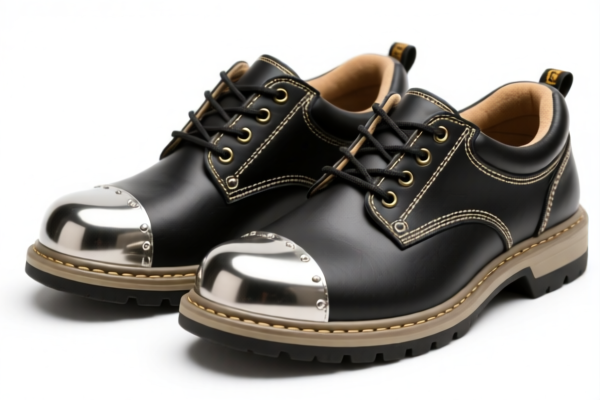
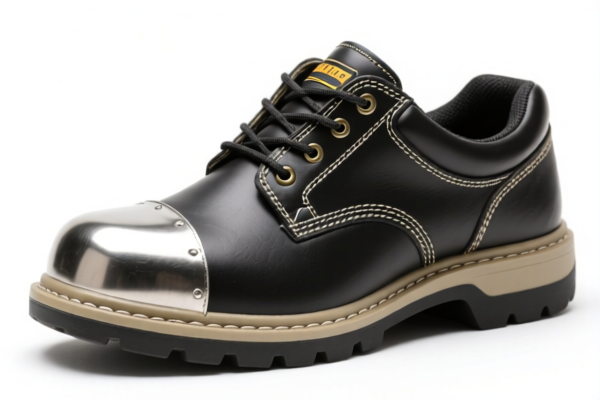
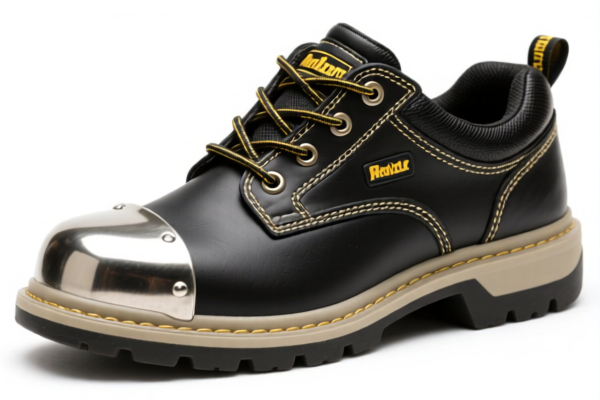
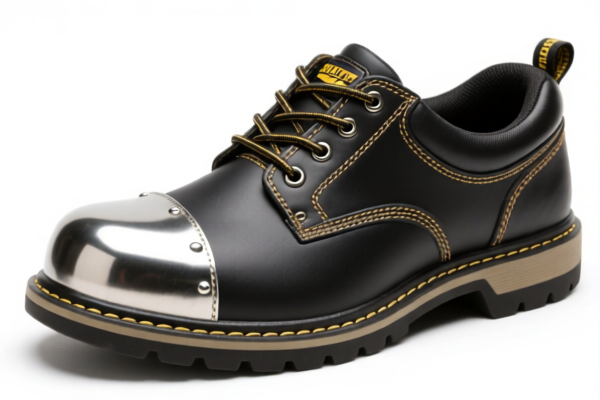
AI Analysis
👞 Plastic Shoes with Metal Toe Caps (Safety Footwear)
🌐 HS Code Reference & Customs Clearance Guide | 2026 Latest Tariff Analysis | Professional Clearance Strategy
📌 I. Product Definition: What Exactly Are "Plastic Shoes with Metal Toe Caps"?
These products are classified as Safety Shoes (Protective Footwear). They combine two critical components: 1. Upper/Material: Primarily Plastic (or Rubber/Plastic composite), making them water-resistant, chemical-resistant, or suitable for specific industrial environments. 2. Safety Feature: Steel Toe Caps (Metal Protective Toe Caps). This is the defining feature that triggers specific safety standards and tariff categories compared to regular fashion shoes.
⚠️ Key Classification Point:
- If the shoe has a plastic/rubber outer sole AND plastic upper with a steel toe → It falls under Chapter 64 (Footwear).
- The presence of the steel toe does not automatically make it "metal footwear"; it remains footwear with protective components.
- Misclassification often occurs between 6401/6402 (Plastic/Rubber) and 6403 (Leather/Textile). Since your input specifies Plastic, 6403 is generally incorrect unless the "plastic" refers only to the toe cap inside a leather shoe (which contradicts "Plastic Shoes"). However, the provided data suggests ambiguity in "plastic" definition, leading to multiple potential codes.
📦 II. HS Code Classification Details (Based on Provided Data)
The following HS Codes are derived from the specific matching logic provided in your data. Note that slight differences in description (e.g., "work shoe" vs. "other plastic footwear") lead to vastly different tax rates.
| HS Code | Product Description & Matching Logic | Estimated Total Tax | Tax Breakdown |
|---|---|---|---|
| 6403.40.60.00 | Steel-Toe Safety Shoe (General/Leather-Associated) Logic: Toe cap is steel; classified as part of safety shoes. Matches description of metal toe cap + material combination. ⚠️ Note: Typically applies if upper is leather, but data implies broad "safety shoe" category. |
18.5% | Base: 8.5% Sec 301: 0.0% Section 232 (Steel/Aluminum Tariff): 10% |
| 6403.40.30.90 | Other Safety Footwear with Metal Toe Logic: Contains steel toe cap (metal protective toe). Inferred as "other" category based on plastic description logic. ⚠️ Risk: Lower base tax, but still subject to Section 232. |
15.0% | Base: 5.0% Sec 301: 0.0% Section 232 (Steel/Aluminum Tariff): 10% |
| 6401.92.90.30 | Waterproof Plastic/Rubber Work Boots Logic: Steel toe + Plastic upper inferred from "plastic safety shoe straps". Fits category of plastic/rubber work shoes. ⚠️ Highest Risk: This code attracts the highest base duty. |
55.0% | Base: 37.5% Sec 301: 7.5% Section 232 (Steel/Aluminum Tariff): 10% |
| 6402.91.05.00 | Plastic Outer Sole/Upper with Protective Metal Toe Logic: Name includes "Plastic" + "Steel Toe". Fits rubber/plastic outer sole and upper with protective metal toe cap. ✅ Optimal for Pure Plastic: Likely the most accurate for all-plastic construction. |
16.0% | Base: 6.0% Sec 301: 0.0% Section 232 (Steel/Aluminum Tariff): 10% |
🔍 Critical Observation:
All four codes include a 10% Section 232 Tariff. This is because the product contains a Steel Toe Cap. Under US law, steel toe caps are often classified as "steel articles" or trigger tariffs under Section 232 (National Security) if the steel is of Chinese origin or if the classification logic ties the steel component to the tariff base.
Section 301 (122 Clause) does not apply to any of these codes in the provided data (0% or not listed).
💰 III. 2026 Latest Tariff Rate Analysis (Detailed Breakdown)
✅ Applicable Market: United States (US)
✅ Origin: China (CN)
✅ Key Factor: Steel Toe Cap triggers Section 232 Tariff (10%) across all categories.
🎯 1. 6401.92.90.30 —— Plastic/Rubber Work Shoes (Highest Cost)
| Item | Detail |
|---|---|
| Base Duty | 37.5% |
| Section 301 (122) | +7.5% |
| Section 232 (Steel) | +10% |
| Total Tax Rate | 55.0% |
| Calculation | CIF Value × 55% |
| De Minimis Exemption | ❌ Not Eligible |
| Legal Basis | USITC:6401.92.90.30 + IEEPA:232 (Steel Components) |
📌 Warning: This code is expensive. Only use if the shoe is definitively a waterproof rubber/plastic boot (not just "plastic shoes"). If your product is standard plastic safety shoes, this code is likely incorrect and will cause overpayment.
🎯 2. 6402.91.05.00 —— Plastic Safety Shoes (Recommended for Pure Plastic)
| Item | Detail |
|---|---|
| Base Duty | 6.0% |
| Section 301 (122) | 0.0% |
| Section 232 (Steel) | +10% |
| Total Tax Rate | 16.0% |
| Calculation | CIF Value × 16% |
| De Minimis Exemption | ❌ Not Eligible |
| Legal Basis | USITC:6402.91.05.00 + IEEPA:232 |
📌 Advantage: Lowest total tax among plastic-specific codes. No Section 301 penalty. Ideal for all-plastic upper and sole with steel toe.
🎯 3. 6403.40.30.90 & 6403.40.60.00 —— Mixed/Leather-Inferred Codes
| Item | Detail |
|---|---|
| Base Duty | 5.0% (30.90) / 8.5% (60.00) |
| Section 301 (122) | 0.0% |
| Section 232 (Steel) | +10% |
| Total Tax Rate | 15.0% (30.90) / 18.5% (60.00) |
| De Minimis Exemption | ❌ Not Eligible |
📌 Caution: These codes are typically for leather or mixed material safety shoes. Using them for 100% plastic shoes may trigger a Customs Audit for misclassification. If audited, you could face back duties and penalties. Use only if the upper contains significant leather or textile.
🛠️ IV. Customs Clearance Practical Advice (Avoiding Pitfalls)
✅ 1. Documentation Checklist (Essential)
| Document | Requirement | Purpose |
|---|---|---|
| Product Photos | Front, Side, Sole, Inside Toe Area (showing steel cap) | Proves steel toe presence; confirms material (plastic vs. leather). |
| Material Breakdown | % of Plastic, Rubber, Steel, Textile in upper/sole | Justifies HS Code (6402 vs 6403). |
| Safety Certification | ASTM F2413, ISO 20345, or ANSI Z41 | Validates "Safety Shoe" status; may help in duty negotiation if misclassified. |
| Commercial Invoice | Explicitly state: "Plastic Safety Shoes, Steel Toe Cap, Waterproof" | Prevents ambiguity. Do not just say "Shoes". |
| Origin Certificate | CO if applicable | Check for any preferential trade agreements (unlikely for steel-toe plastic shoes from CN). |
✅ 2. Classification Strategy (Golden Rules)
🔥 "Material First, Toe Second, Tariff Third!"
| Scenario | Correct HS Code | Why? |
|---|---|---|
| 100% Plastic/Rubber Upper & Sole + Steel Toe | 6402.91.05.00 |
Matches "Plastic outer sole and upper". Lowest risk, best rate (16%). |
| Leather Upper + Steel Toe | 6403.40.60.00 |
Matches "Footwear with leather upper". |
| Mixed Material (Plastic + Leather) + Steel Toe | 6403.40.30.90 |
Depends on predominant material. |
| Waterproof Rubber Boots + Steel Toe | 6401.92.90.30 |
Only if it’s a boot style with waterproof construction. High tax. |
⚠️ Critical Tip:
If your shoes are 100% plastic, DO NOT use6403codes. Customs may reject them or audit you. Stick to6402.91.05.00.
✅ 3. Special Considerations
| Issue | Solution |
|---|---|
| Steel Toe Tariff (10%) | Cannot be avoided if steel toe is present. Ensure steel is sourced from non-China origin if possible? (Unlikely for cheap plastic shoes). |
| Section 301 (122) | Does not apply to these specific codes. No extra 100% tariff. |
| Misclassification Risk | If you declare 6402 but customs finds leather, they will reclassify to 6403 and charge higher duty. Be honest in material description. |
| De Minimis (Section 321) | ❌ Not Eligible. Safety shoes with steel toes are generally excluded from de minimis treatment if they are commercial imports. |
🌍 V. Global Market Comparison (2026)
| Country | Recommended HS Code | Total Tax (China Origin) | Notes |
|---|---|---|---|
| 🇺🇸 USA | 6402.91.05.00 |
16% | Includes 10% Sec 232. Best rate for plastic. |
| 🇨🇳 China | 6402.91.05.00 |
10-14% | No Sec 232. Check latest CHINA tariff schedule. |
| 🇪🇺 EU | 6402.91.00 |
~10-12% | No US-style Sec 232. Standard safety footwear duty. |
| 🇬🇧 UK | 6402.91.00 |
~12% | Post-Brexit, standard duties apply. |
| 🇯🇵 Japan | 6402.91.00 |
~0-15% | Varies by exact material composition. |
📌 Conclusion:
The US market is the most complex due to Section 232 (Steel) Tariffs. Even though the shoe is plastic, the steel toe triggers a 10% surcharge. Ensure your supplier confirms the steel content and origin of the toe cap.
📌 VI. Common Mistakes & Pitfalls (Lessons Learned)
❌ Mistake 1: Declaring "Plastic Shoes" as 6403 (Leather Category) to avoid Section 301.
👉 Consequence: Customs audit → Reclassification to 6402 + Back Duties + Fines.
❌ Mistake 2: Ignoring the Steel Toe and declaring as regular 6402.60 (No safety).
👉 Consequence: Penalty for false declaration of safety standards. Steel toe changes the subheading.
❌ Mistake 3: Assuming De Minimis applies.
👉 Consequence: Shipment held at border for full duty payment. Safety shoes with metal components are often scrutinized.
✅ Correct Declaration Example:
"PLASTIC SAFETY SHOES, STEEL TOE CAP, WATER RESISTANT, MODEL XYZ, ASTM F2413 CERTIFIED. UPPER: 100% POLYURETHANE. SOLE: RUBBER. TOE: STEEL."
🎯 VII. Conclusion: Smart Clearance, Lower Costs!
🎯 Key Takeaway:
🔹 "Plastic + Steel Toe =
6402.91.05.00+ 16% Total Tax"
🔹 Steel Toe = 10% Section 232 Tariff (Unavoidable)
🔹 No Section 301 (122) on this specific code.
🔹 Avoid6403unless you have leather.
📌 Pro Tip:
If you are importing large volumes, consider applying for a Binding Ruling from US Customs and Border Protection (CBP) for 6402.91.05.00. This provides legal certainty and protects you from future reclassification disputes.
📣 Immediate Action:
📞 Verify Material Composition (Plastic vs. Leather)
📄 Prepare ASTM/ISO Safety Certificates
🚀 Declare using6402.91.05.00for maximum savings and compliance.
✨ Precise Classification Saves Money!
💼 Your Steel Toe Costs 10% Extra – Don’t Pay More by Misclassifying!
Customer Reviews
About HS Code Classification
The Harmonized System (HS) is an internationally standardized nomenclature developed by the World Customs Organization (WCO) to classify traded products. Over 200 countries use the HS system as the basis for customs tariffs, trade statistics, and import/export regulations.
Each HS code follows a hierarchical structure:
- Chapter (2 digits) — Broad category of goods (e.g., Chapter 84: Machinery and Mechanical Appliances)
- Heading (4 digits) — More specific grouping within the chapter
- Subheading (6 digits) — Internationally standardized breakdown, used by all WCO member countries
- National subdivisions (8-10 digits) — Country-specific extensions for further classification, such as US HTSUS 10-digit codes
Correct HS code classification is essential for smooth customs clearance, accurate duty payment, and compliance with trade regulations. Misclassification can lead to customs delays, overpayment of duties, or penalties.
When importing from CN to US, the applicable tariff rates may include:
- Most-Favored-Nation (MFN) rate — The standard duty rate applied to WTO members
- General rate — Applied to countries without trade agreements
- Trade remedy duties — Additional tariffs such as Section 301 (anti-dumping), Section 232 (national security), or countervailing duties
The information provided on this page is for reference purposes only. For official classification, please consult with your local customs authority or a licensed customs broker.