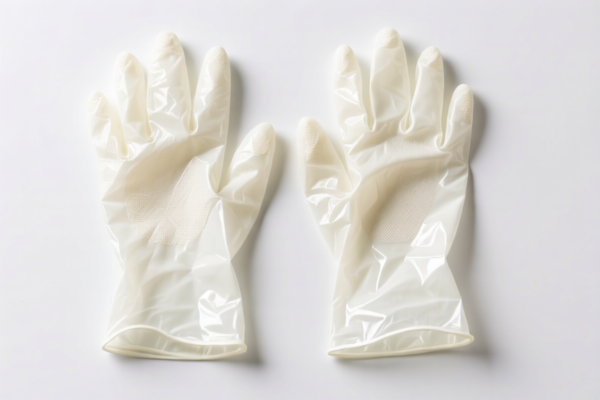
Plastic waterproof gloves
CN → US| HS Code | Tariff Rate | Origin | Destination | Doc |
|---|---|---|---|---|
| 3926201020 | 10.0% | CN | US | Official Doc |
| 6116109500 | 24.5% | CN | US | Official Doc |
| 6116104400 | 27.4% | CN | US | Official Doc |
| 3926204050 | 16.5% | CN | US | Official Doc |
| 6116101300 | 30.0% | CN | US | Official Doc |
| 6116106500 | 24.5% | CN | US | Official Doc |
Product Images



AI Analysis
🧤 Plastic Waterproof Gloves (Plastic Coated/Immersed Gloves)
🌐 HS Code Reference & Customs Clearance Guide | 2026 Latest Tariff Analysis | Professional Clearance Strategy
📌 I. Product Definition & Classification: Do You Really Understand "Plastic Gloves"?
Plastic waterproof gloves are protective gear widely used in industrial, medical, and daily cleaning scenarios. In international trade, they are primarily classified based on material composition (plastic vs. textile base with plastic coating) and manufacturing process (immersed, coated, covered, or laminated).
The key distinction lies in whether the glove is wholly made of plastic (classified under Chapter 39) or has a textile base (knitted/woven) coated/immersed in plastic (classified under Chapter 61). This distinction drastically affects the total tax burden due to varying base tariffs and Section 301/IEEPA penalties.
⚠️ Critical Differentiation Point:
- If the glove is 100% plastic (e.g., solid vinyl or nitrile glove, no fabric lining) →归类归入 3926.20.10.20
- If the glove has a fabric base (knitted/woven) with plastic coating/immersion → 归类归入 6116.10.xx.x0 series
- Misclassification can lead to significant tax discrepancies (from 10% to 30%+).
📦 II. HS Code Classification Details (2026 Latest Tariff Authoritative Comparison)
| HS Code | Product Description | Application Scenario | Material Structure |
|---|---|---|---|
3926.20.10.20 |
Gloves of plastics, wholly plastic | Pure plastic gloves, no textile lining | ✅ 100% Plastic |
6116.10.95.00 |
Other gloves, coated/immersed in plastic, textile base | General-purpose coated work gloves | ✅ Textile Base + Plastic |
6116.10.44.00 |
Gloves, coated/immersed in plastic, textile base | Specific sub-category for plastic/rubber impregnated gloves | ✅ Textile Base + Plastic |
3926.20.40.50 |
Other plastic articles, gloves as accessories | Plastic gloves classified as apparel accessories | ✅ 100% Plastic |
6116.10.13.00 |
Gloves, coated/immersed in plastic, textile base | High-density coating or specific textile structure | ✅ Textile Base + Plastic |
6116.10.65.00 |
Plastic construction gloves | Industrial/construction use, plastic coated textile | ✅ Textile Base + Plastic |
🔍 Key Reminder:
- "Plastic Coated" does not automatically mean Chapter 39. If the underlying structure is textile (knitted/woven), it falls under Chapter 61. - Customs authorities will examine the lining material. If a fabric lining is detectable, Chapter 61 codes apply, which often carry higher base tariffs.
💰 III. 2026 Latest Tariff Rate Details (Including Surtaxes, Policy Surcharges)
✅ Applicable Country: USA (US)
✅ Country of Origin: China (CN)
✅ Effective Date: November 10, 2025 (and onwards)
🎯 1. 3926.20.10.20 —— Gloves of Plastics (100% Plastic)
| Item | Content |
|---|---|
| Base Tariff | 0.0% (ad valorem) |
| Section 301 Surtax | 0.0% |
| IEEPA Surtax | +10% (Targeting Chinese/Chinese HK products, effective Nov 10, 2025) |
| Total Tariff | 10.0% |
| Tax Calculation | CIF Value × 10.0% |
| De Minimis Eligible? | ❌ No (deny_de_minimis) |
| Legal Basis Path | IEEPA:9903.01.25 → IEEPA:9903.01.24 → USITC:3926.20.10.20 |
📌 Explanation:
- This code offers the lowest tax burden (10%) among all listed options. - It applies only if the glove is wholly made of plastic without any textile base. - The 10% is purely the IEEPA surcharge, as base and Section 301 taxes are zero.
🎯 2. 6116.10.95.00 —— Other Coated/Immersed Gloves (Textile Base)
| Item | Content |
|---|---|
| Base Tariff | 7.0% |
| Section 301 Surtax | +7.5% |
| IEEPA Surtax | +10% |
| Total Tariff | 24.5% |
| Tax Calculation | CIF Value × 24.5% |
| De Minimis Eligible? | ❌ No |
| Legal Basis Path | IEEPA:9901.25 → IEEPA:9903.01.24 → USITC:6116.10.95.00 |
📌 Note:
- Significantly higher than the 100% plastic option due to the 7.0% base tariff and 7.5% Section 301. - Common for work gloves with cotton or synthetic knit liners.
🎯 3. 6116.10.44.00 —— Coated/Immersed Gloves (Specific Sub-category)
| Item | Content |
|---|---|
| Base Tariff | 9.9% |
| Section 301 Surtax | +7.5% |
| IEEPA Surtax | +10% |
| Total Tariff | 27.4% |
| Tax Calculation | CIF Value × 27.4% |
| De Minimis Eligible? | ❌ No |
| Legal Basis Path | IEEPA:9901.25 → IEEPA:9903.01.24 → USITC:6116.10.44.00 |
📌 Note:
- Higher base tariff (9.9%) leads to a higher total effective rate. - Applies to specific types of plastic/rubber impregnated textile gloves.
🎯 4. 3926.20.40.50 —— Other Plastic Articles (Gloves as Accessories)
| Item | Content |
|---|---|
| Base Tariff | 6.5% |
| Section 301 Surtax | 0.0% |
| IEEPA Surtax | +10% |
| Total Tariff | 16.5% |
| Tax Calculation | CIF Value × 16.5% |
| De Minimis Eligible? | ❌ No |
| Legal Basis Path | IEEPA:9901.25 → IEEPA:9903.01.24 → USITC:3926.20.40.50 |
📌 Note:
- A middle-ground option for plastic gloves classified as "other plastic articles" or accessories. - Lower than textile-based gloves but higher than pure plastic gloves (10%).
🎯 5. 6116.10.13.00 —— Coated/Immersed Gloves (High Base Rate)
| Item | Content |
|---|---|
| Base Tariff | 12.5% |
| Section 301 Surtax | +7.5% |
| IEEPA Surtax | +10% |
| Total Tariff | 30.0% |
| Tax Calculation | CIF Value × 30.0% |
| De Minimis Eligible? | ❌ No |
| Legal Basis Path | IEEPA:9901.25 → IEEPA:9903.01.24 → USITC:6116.10.13.00 |
📌 Note:
- Highest tax burden among the listed codes. - Applies to specific textile-based gloves with high base tariff classifications.
🎯 6. 6116.10.65.00 —— Plastic Construction Gloves
| Item | Content |
|---|---|
| Base Tariff | 7.0% |
| Section 301 Surtax | +7.5% |
| IEEPA Surtax | +10% |
| Total Tariff | 24.5% |
| Tax Calculation | CIF Value × 24.5% |
| De Minimis Eligible? | ❌ No |
| Legal Basis Path | IEEPA:9901.25 → IEEPA:9903.01.24 → USITC:6116.10.65.00 |
📌 Note:
- Specifically for construction-grade gloves. - Same tax rate as6116.10.95.00due to similar base and surcharge structures.
🛠️ IV. Customs Clearance Practical Advice (Battle-Tested Pitfall Avoidance Guide)
✅ 1. Preparation Checklist (All documents are mandatory)
| Document | Must Provide | Explanation |
|---|---|---|
| ✅ Product Specification Sheet | ✔️ | Must detail: Material (100% plastic vs. textile base), coating thickness, size, color. |
| ✅ Material Composition Report | ✔️ | Critical: Third-party lab report confirming if the glove contains any textile lining. |
| ✅ Product Photos (Clear) | ✔️ | Show cross-section if possible, to prove absence/presence of fabric. |
| ✅ Commercial Invoice | ✔️ | Describe accurately: "100% Vinyl Gloves" or "Cotton Knitted Gloves with Nitrile Coating". |
| ✅ Packing List | ✔️ | Clear indication of units and weights. |
| ✅ Certificate of Origin (CO) | ✔️ | If originating from China, IEEPA surcharges apply. If from Vietnam/Mexico, potential exemptions may apply. |
✅ 2. Declaration Tips (Key Mantras)
🔥 "Base Matters, Coating Counts, Name Clearly, Tax Drops!"
| Scenario | Correct Declaration | Wrong Approach |
|---|---|---|
| 100% Plastic Glove (No lining) | 3926.20.10.20 (10% Tax) |
Misclassifying as 6116.10.95.00 → 24.5% Tax (Extra 14.5%) |
| Coated Glove (With textile lining) | 6116.10.95.00 or 6116.10.65.00 |
Claiming "Plastic Gloves" to get 10% rate → Customs Audit & Penalty |
| Construction Gloves | 6116.10.65.00 |
Generic "Work Gloves" → Delays & Re-classification |
| Accessories (Unusual shapes) | 3926.20.40.50 |
Ignoring "Accessory" classification → Potential Dispute |
✅ 3. Special Case Handling
| Scenario | Handling Advice |
|---|---|
| Mixed Orders | If selling both 100% plastic and coated gloves, declare separately. Do not mix HS Codes. |
| OEM Custom Gloves | Provide client design specs. If the client specifies "no lining," use 3926.20.10.20. |
| Textile Identification | If the glove has a visible knit pattern on the inside, it must be classified under Chapter 61. |
| Material Change | If the supplier switches from cotton liner to no liner, ensure invoices and specs are updated to reflect 3926.20.10.20 eligibility. |
🌍 V. Global Market Clearance Comparison (2026 Latest)
| Country/Region | Recommended HS Code | Tariff (CN Origin) | Certification Requirements | Notes |
|---|---|---|---|---|
| 🇺🇸 USA | 3926.20.10.20 |
10.0% | None (if 100% plastic) | Lowest duty; best for pure plastic. |
| 🇺🇸 USA | 6116.10.95.00 |
24.5% | None | Higher duty for coated/textile gloves. |
| 🇨🇳 China | 3926.20.10.20 |
0% - 5% | RoHS/CCC (if applicable) | Domestic trade low tax. |
| 🇪🇺 EU | 3926.20.10.20 |
0% - 4.5% | CE (if PPE) | Varies by member state. |
| 🇦🇺 Australia | 3926.20.10.20 |
5% | RCM | Standard FTA rates. |
📌 Conclusion:
- USA is the most sensitive market due to IEEPA and Section 301 surcharges. - Choosing3926.20.10.20saves ~14.5%-20% in taxes compared to Chapter 61 codes. - Ensure your product is truly 100% plastic to claim the 10% rate. If in doubt, consult a customs broker for a Pre-Ruling.
📌 VI. Common Mistakes & Pitfall Guide (Lessons Learned)
❌ Mistake 1: Declaring "Coated Gloves" as 3926.20.10.20 when they have a cotton liner.
👉 Consequence: Customs will reclassify to Chapter 61, assess back taxes (24.5% vs 10%), and apply penalties.
❌ Mistake 2: Using vague descriptions like "Waterproof Gloves" on the invoice.
👉 Consequence: Customs cannot determine material structure → Hold for Inspection → Delays and storage fees.
❌ Mistake 3: Assuming all "Plastic Gloves" have the same tax rate.
👉 Consequence: Ignoring the distinction between 3926.20 (10%) and 6116.10 (24.5%+) leads to unbudgeted costs.
❌ Mistake 4: Failing to provide a material composition statement.
👉 Consequence: Inability to prove "100% Plastic" status → Customs defaults to higher tariff classifications.
✅ Correct Approach:
"100% Vinyl Nitrile Gloves, No Lining, Disposable, Model XYZ, Pure Plastic Construction"
OR
"Cotton Knitted Gloves with Nitrile Coating, 100% Polyamide Lining, Industrial Grade"
🎯 VII. Conclusion: Professional Classification, Cost Savings, Efficient Clearance
🎯 Remember the Mantra:
🔹 "No Lining? Go 3926 (10%)! Lining? Go 6116 (24.5%+)! Name it right, pay less light!"
🔹 "HS Code determines tax fate, 14.5% difference is huge, declare correctly, profits secure!"
📌 Pro Tip:
If your gloves are originating from Vietnam, Mexico, or Malaysia, you may qualify for IEEPA exemptions or lower FTA rates (0%~5%).
It is highly recommended to apply for a Pre-Ruling (Advance Ruling) with US Customs and Border Protection (CBP) to confirm the correct HS Code and tax rate before shipping.
📣 Immediate Action:
📞 Contact a licensed customs broker + Provide material specs + Apply for HS Code Pre-Ruling
🚀 Let your gloves clear smoothly, minimize costs, and maximize your profit margins!
✨ Professional clearance starts with accurate classification!
💼 Every cent of tax saved is pure profit!
Customer Reviews
About HS Code Classification
The Harmonized System (HS) is an internationally standardized nomenclature developed by the World Customs Organization (WCO) to classify traded products. Over 200 countries use the HS system as the basis for customs tariffs, trade statistics, and import/export regulations.
Each HS code follows a hierarchical structure:
- Chapter (2 digits) — Broad category of goods (e.g., Chapter 84: Machinery and Mechanical Appliances)
- Heading (4 digits) — More specific grouping within the chapter
- Subheading (6 digits) — Internationally standardized breakdown, used by all WCO member countries
- National subdivisions (8-10 digits) — Country-specific extensions for further classification, such as US HTSUS 10-digit codes
Correct HS code classification is essential for smooth customs clearance, accurate duty payment, and compliance with trade regulations. Misclassification can lead to customs delays, overpayment of duties, or penalties.
When importing from CN to US, the applicable tariff rates may include:
- Most-Favored-Nation (MFN) rate — The standard duty rate applied to WTO members
- General rate — Applied to countries without trade agreements
- Trade remedy duties — Additional tariffs such as Section 301 (anti-dumping), Section 232 (national security), or countervailing duties
The information provided on this page is for reference purposes only. For official classification, please consult with your local customs authority or a licensed customs broker.