Plastic/Leather Composite Wood Sole Slippers
CN → US| HS Code | Tariff Rate | Origin | Destination | Doc |
|---|---|---|---|---|
| 6405100090 | 27.5% | CN | US | Official Doc |
| 6402992390 | 25.5% | CN | US | Official Doc |
| 6405909060 | 22.5% | CN | US | Official Doc |
| 6403992060 | 18.0% | CN | US | Official Doc |
| 6402992360 | 25.5% | CN | US | Official Doc |
Product Images
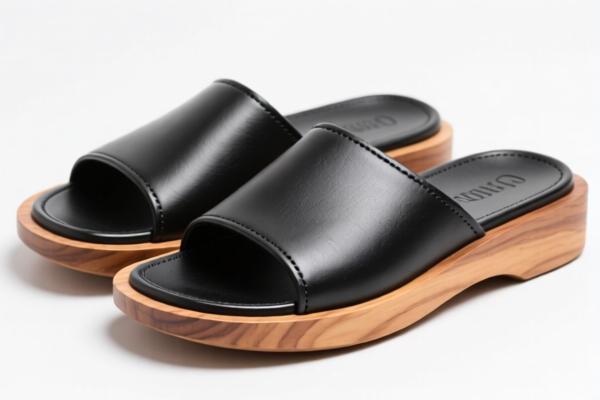
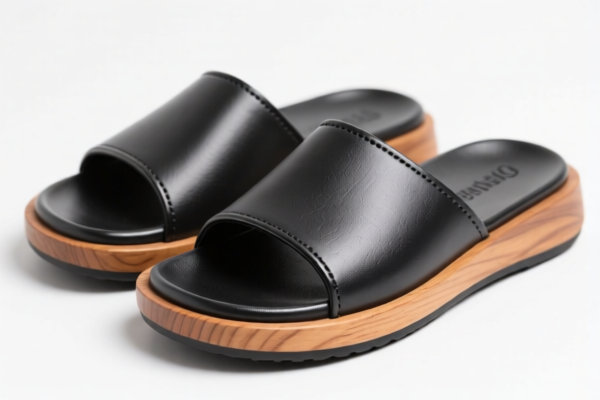
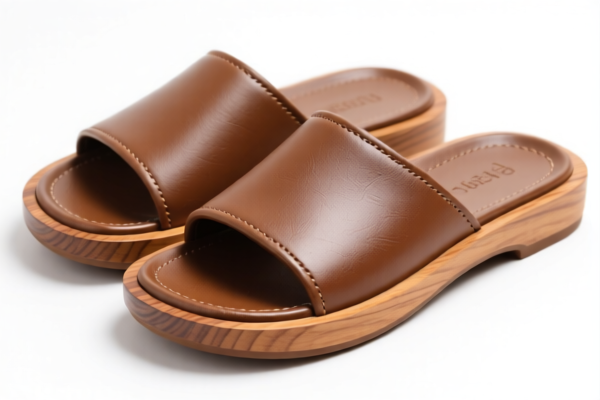
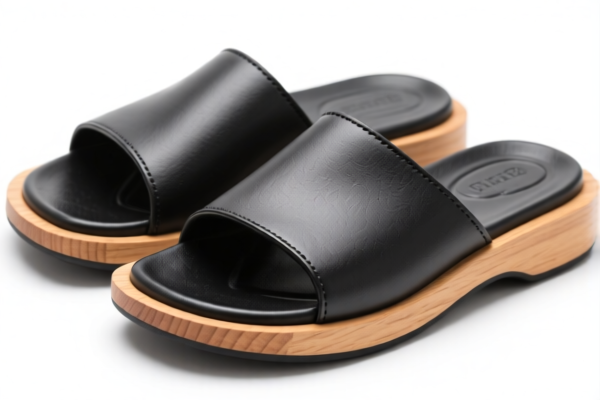
AI Analysis
👟 Wood Sole Slippers with Plastic/Leather Composite Upper
🌐 HS Code Reference & Clearance Guide | 2024-2025 Tariff Analysis | Professional Customs Strategy
📌 I. Product Definition & Classification: Do You Know "Footwear"?
Slippers, in international trade, are categorized primarily by sole material and upper material. Your product, described as having a Wood Sole and a Plastic/Leather Composite Upper, falls under Chapter 64 (Footwear, legging and parts thereof).
However, classification is tricky because "Wood Sole" is a rare component. It can trigger different codes depending on whether it is viewed as a "Platform" or a structural "Sole" made of specific materials (Leather vs. Rubber/Plastic).
⚠️ Key Distinction:
- If the wooden sole is thick/platform-like and the upper is leather/synthetic leather → 6405.10
- If the wooden sole is considered part of a "Rubber/Plastic sole" structure with wood elements → 6402.99
- If the sole is explicitly "Wood" but the upper is mixed plastic/leather → 6402.99 or 6403.99 depending on interpretation of "Wooden sole/platform".
📦 II. HS Code Classification Matrix (Detailed Breakdown)
Based on the provided data, there are 5 potential HS Codes. Below is the precise mapping and tax breakdown for each.
| HS Code | Classification Summary | Tax Rate | Key Matching Criteria |
|---|---|---|---|
| 6405.10.00.90 | Footwear with outer sole of wood, upper of leather/synthetic leather | 27.5% | Upper is Leather/Synthetic Leather; Sole is Wood. Fits "Other" category under 6405. |
| 6402.99.23.90 | Other footwear with outer sole/plastic, upper of leather/synthetic leather | 25.5% | Contains Wood Sole & Plastic. Classified as "Rubber/Plastic sole" with "Wooden sole/platform" features. |
| 6405.90.90.60 | Other footwear with outer sole of other materials, upper of other materials | 22.5% | Plastic/Leather composite upper. Not infant shoes. Fits "Other" category. |
| 6403.99.20.60 | Other footwear with outer sole of rubber/plastics, upper of leather | 18.0% | Wood sole + Leather/Plastic upper. Classified as "Wooden sole platform" under 6403. Lowest Tax! |
| 6402.99.23.60 | Other footwear with outer sole of rubber/plastics, upper of leather/synthetic leather | 25.5% | Plastic + Wood Sole. Matches "Outer sole and upper of rubber or plastic" + "Wooden sole/platform". |
💰 III. Tariff Rate Breakdown (China Origin → US Market)
✅ Applicable Country: United States (US)
✅ Origin: China (CN)
✅ Validity: Current Rates (Including Section 301 & Section 122)
🎯 1. Best Case Scenario: 18.0% (6403.99.20.60)
| Item | Detail |
|---|---|
| Base Duty | 8.0% |
| Section 301 (Add'l) | 0.0% |
| Section 122 | 10.0% |
| Total Rate | 18.0% |
| Legal Path | USITC:6403.99.20.60 → FOOTNOTE:122 |
📌 Analysis:
- This code assumes the wooden sole is treated as a "Platform" within the "Footwear with outer sole of rubber or plastics" chapter (6403).
- Crucial: This is the lowest tax rate. To qualify, customs must accept the classification of the wooden sole under the "rubber/plastic" umbrella or as a platform variant.
- Risk: Customs may challenge if the wood is not "rubber/plastic" based.
🎯 2. Mid-Range Scenario: 22.5% (6405.90.90.60)
| Item | Detail |
|---|---|
| Base Duty | 12.5% |
| Section 301 (Add'l) | 0.0% |
| Section 122 | 10.0% |
| Total Rate | 22.5% |
| Legal Path | USITC:6405.90.90.60 → FOOTNOTE:122 |
📌 Analysis:
- Classified under 6405 (Footwear with outer sole of wood, rubber, plastic, etc.).
- Lower base duty (12.5%) but no Section 301 penalty.
- Good balance if 6403 is rejected.
🎯 3. High Risk Scenario: 25.5% (6402.99.23.90 / 6402.99.23.60)
| Item | Detail |
|---|---|
| Base Duty | 8.0% |
| Section 301 (Add'l) | 7.5% |
| Section 122 | 10.0% |
| Total Rate | 25.5% |
| Legal Path | USITC:6402.99.23.60 → FOOTNOTE:122 + FOOTNOTE:301 |
📌 Analysis:
- Classified under 6402 (Footwear with outer sole of rubber/plastics).
- Incurs 7.5% Section 301 tariff due to "Plastic" content in upper/sole.
- Higher total cost due to dual penalties.
🎯 4. Highest Risk Scenario: 27.5% (6405.10.00.90)
| Item | Detail |
|---|---|
| Base Duty | 10.0% |
| Section 301 (Add'l) | 7.5% |
| Section 122 | 10.0% |
| Total Rate | 27.5% |
| Legal Path | USITC:6405.10.00.90 → FOOTNOTE:122 + FOOTNOTE:301 |
📌 Analysis:
- Strictly "Outer sole of wood, upper of leather/synthetic leather".
- Triggers both Section 301 and Section 122 penalties.
- Avoid if possible.
🛠️ IV. Customs Clearance Practical Advice
✅ 1. Documentation Checklist
| Document | Required? | Notes |
|---|---|---|
| Product Photos | ✅ | Show Wood Sole clearly. Show Leather/Plastic Upper texture. |
| Material Composition | ✅ | Specify % of Leather vs. Plastic in the upper. |
| Sole Description | ✅ | Clarify if wood is "solid", "layered", or "platform". |
| Commercial Invoice | ✅ | List HS Code and description: "Wood Sole Slippers, Leather/Plastic Upper" |
| Bill of Lading | ✅ | Standard shipping doc. |
| FSC Certificate | ✅ | If wood is sourced, proof of sustainable forestry may help. |
✅ 2. Classification Strategy (How to Fight for 18.0%)
🔥 Strategy: Aim for
6403.99.20.60(18.0%).
| Step | Action |
|---|---|
| Step 1 | Argue that the wooden sole is a "Platform" and the footwear is primarily "Rubber/Plastic" based due to the plastic components in the upper/straps. |
| Step 2 | Provide technical diagrams showing the flexibility and construction that align with 6403 (rubber/plastic sole footwear). |
| Step 3 | Avoid using "Leather" as the primary descriptor if it triggers 6405.10 (27.5%). Emphasize "Composite" or "Synthetic" elements. |
| Step 4 | If rejected, fallback to 6405.90.90.60 (22.5%) by proving it doesn't fit "Leather Upper" strictly (10.0% base). |
✅ 3. Common Pitfalls
| Mistake | Consequence |
|---|---|
| Mislabeling as "Slippers" without material details | Customs may classify as "Other Footwear" → Higher Base Duty. |
| Ignoring Section 122 | All these codes have a 10% Section 122 tariff. Never forget to add 10%. |
| Claiming "No Section 301" for Plastic Content | If plastic is present, 7.5% may apply. Only Wood Sole/Leather Upper (6405.10) might avoid 301 if interpreted strictly, but 6405.10 has higher base. |
| Confusing "Wood Sole" with "Rubber Sole" | If customs tests the sole and finds it's 100% wood, 6402/6403 (rubber/plastic codes) will be rejected. |
🌍 V. Global Market Comparison (2025)
| Market | HS Code | Duty | Notes |
|---|---|---|---|
| 🇺🇸 USA | 6403.99.20.60 |
18.0% | Best case. Includes Section 122. |
| 🇺🇸 USA | 6405.10.00.90 |
27.5% | High risk. Includes Sec 301 + Sec 122. |
| 🇪🇺 EU | 6403.99.30 |
~5-8% | No Section 301/122. Standard WCO rates. |
| 🇨🇳 China | 6403.99.00 |
8.0% | No Section 122. |
📌 Conclusion:
- US Market is expensive due to Section 122 (10%) and potentially Section 301 (7.5%).
- Section 122 is unavoidable for these HS codes. Budget for it.
- Section 301 (7.5%) is the variable. Minimize plastic content or argue for wood/rubber classification to avoid it.
📌 VI. Final Recommendation
- Primary Target:
6403.99.20.60(18.0% Total Duty). - Justification: Treats wooden sole as a platform under rubber/plastic footwear. Lowest tax.
- Secondary Target:
6405.90.90.60(22.5% Total Duty). - Justification: If 6403 is rejected, this "Other" category avoids Section 301.
- Avoid:
6405.10.00.90(27.5%) and6402.99codes (25.5%). - Reason: Higher tax burden due to Section 301 penalties.
💡 Pro Tip:
Always include Section 122 (10%) in your cost calculation. It is a separate, mandatory tariff on many Chinese footwear imports to the US.
Consult a customs broker to submit a Pre-Ruling if the wood sole is a unique design. This prevents surprise duties at customs.
✨ Clear Compliance, Higher Profit!
💼 Every percentage point matters in cross-border trade!
Customer Reviews
About HS Code Classification
The Harmonized System (HS) is an internationally standardized nomenclature developed by the World Customs Organization (WCO) to classify traded products. Over 200 countries use the HS system as the basis for customs tariffs, trade statistics, and import/export regulations.
Each HS code follows a hierarchical structure:
- Chapter (2 digits) — Broad category of goods (e.g., Chapter 84: Machinery and Mechanical Appliances)
- Heading (4 digits) — More specific grouping within the chapter
- Subheading (6 digits) — Internationally standardized breakdown, used by all WCO member countries
- National subdivisions (8-10 digits) — Country-specific extensions for further classification, such as US HTSUS 10-digit codes
Correct HS code classification is essential for smooth customs clearance, accurate duty payment, and compliance with trade regulations. Misclassification can lead to customs delays, overpayment of duties, or penalties.
When importing from CN to US, the applicable tariff rates may include:
- Most-Favored-Nation (MFN) rate — The standard duty rate applied to WTO members
- General rate — Applied to countries without trade agreements
- Trade remedy duties — Additional tariffs such as Section 301 (anti-dumping), Section 232 (national security), or countervailing duties
The information provided on this page is for reference purposes only. For official classification, please consult with your local customs authority or a licensed customs broker.