Plastic垫纸
CN → US| HS Code | Tariff Rate | Origin | Destination | Doc |
|---|---|---|---|---|
| 3926100000 | 15.3% | CN | US | Official Doc |
| 3926909989 | 22.8% | CN | US | Official Doc |
| 3921904090 | 39.2% | CN | US | Official Doc |
| 3921904010 | 39.2% | CN | US | Official Doc |
| 4823906000 | 35.0% | CN | US | Official Doc |
Product Images
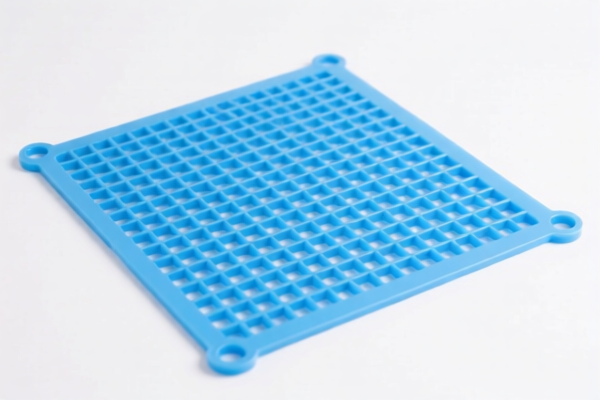
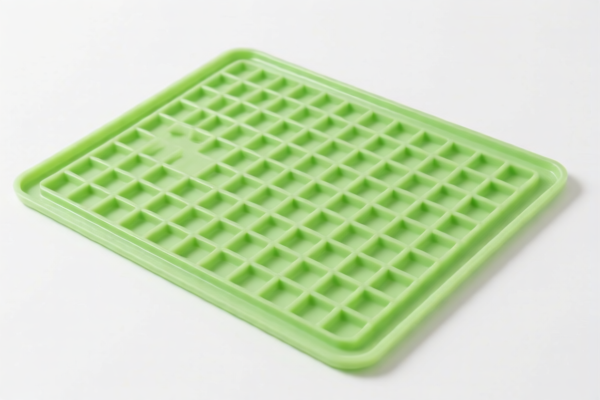
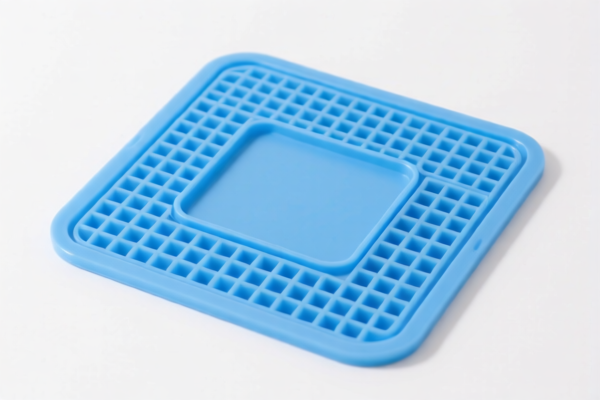
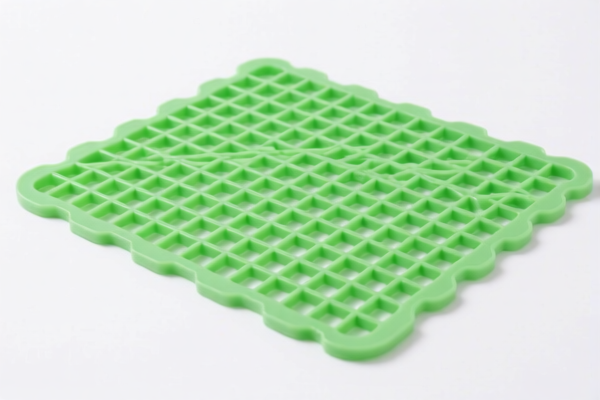
AI Analysis
📄 Plastic Cushioning Sheets & Protective Liners (Plastic Padding Paper/Sheeting)
🌐 HS Code Reference & Customs Clearance Guide | 2026 Latest Tariff Analysis | Professional Clearance Strategy
📌 I. Product Definition & Classification: Do You Really Understand "Plastic Padding Paper"?
"Plastic Padding Paper" (often referred to as plastic cushioning sheets, protective liners, or reinforced plastic films) is a versatile packaging and industrial material. In international trade, its classification depends heavily on its structure and composition. It generally falls under Chapter 39 (Plastics and Articles Thereof).
There are two critical distinctions: 1. Reinforced with Paper: The plastic is laminated or coated with paper (e.g., plastic-coated kraft paper, plastic-reinforced paper). This is considered a composite material. 2. Pure Plastic/Other: The item is entirely plastic (flexible film, sheet, or strip) without paper reinforcement. This is classified as a pure plastic product.
⚠️ Key Distinction Point:
- If the product contains a visible or structural paper layer reinforced or laminated with plastic → Go to 3921.90.40.10
- If the product is 100% plastic (film/sheet/strip) with no paper content → Go to 3921.90.40.90
📦 II. HS Code Classification Details (2026 Latest Tariff Authority Comparison)
| HS Code | Product Description | Applicable Scenario | Contains Paper? |
|---|---|---|---|
3921.90.40.10 |
Flexible Reinforced with Paper | Plastic-coated kraft paper, reinforced packaging liners, composite cushioning sheets | ✅ Yes (Paper Base) |
3921.90.40.90 |
Flexible Other (Pure Plastic) | Pure plastic films, PE/PP protective sheets, standalone plastic padding, shrink wraps | ❌ No (Pure Plastic) |
3926.10.00.00 |
Office or School Supplies | Plastic rulers, plastic desk pads (if classified as accessories rather than raw materials) | ❌ No |
3926.90.99.89 |
Other Articles of Plastics | Custom molded plastic cushions, plastic clips, miscellaneous plastic office accessories | ❌ No |
🔍 Important Reminder:
- "Padding Paper" that is actually paper coated with plastic is primarily classified under Chapter 39 (Plastics), not Chapter 48 (Paper), because the plastic coating gives it its essential character or it is a composite specifically covered under 3921.
- If it is just loose plastic sheets used for protection (like polyethylene sheets), it falls under "Other" flexible plastics.
💰 III. 2026 Latest Tariff Rate Detail (Including Additional Taxes & Policy Surcharges)
✅ Applicable Country: United States (US)
✅ Country of Origin: China (CN)
✅ Effective Time: Current rates apply (Subject to Section 301 and IEEPA adjustments)
🎯 1. 3921.90.40.10 —— Flexible Reinforced with Paper
| Item | Content |
|---|---|
| Base Tariff Rate | 4.2% (Ad Valorem) |
| Section 301 Additional Tariff | +25.0% (USITC Footnote for China-origin plastics/paper composites) |
| Total Tax Rate | 29.2% |
| Tax Calculation | CIF Value × 29.2% |
| De Minimis Exemption | ❌ Not Applicable (High tariff volume usually excludes small parcels from de minimis benefits if scrutinized, but technically de minimis applies to < $800 regardless of rate unless specifically banned; however, for bulk shipments, this is the rate). |
| Legal Basis Path | USITC:3921.90.40.10 → Footnote 9903.88.01 (Section 301) |
📌 Explanation:
- The 29.2% total rate is significant. The 25% surcharge is due to the Section 301 trade remedy against China.
- Even though it contains paper, the plastic component often drives the classification, bringing it under high-tariff plastic chapters.
🎯 2. 3921.90.40.90 —— Flexible Other (Pure Plastic)
| Item | Content |
|---|---|
| Base Tariff Rate | 0.0% |
| Section 301 Additional Tariff | 0.0% |
| Total Tax Rate | 0.0% |
| Tax Calculation | CIF Value × 0.0% |
| De Minimis Exemption | ✅ Applicable (For shipments under $800, often duty-free and low inspection risk). |
| Legal Basis Path | USITC:3921.90.40.90 |
📌 Note:
- Pure plastic films and sheets are generally duty-free under current US trade policies.
- There are no additional tariffs for this specific subheading. This is a cost-saving classification if the product can be legally described as pure plastic without paper reinforcement.
🎯 3. 3926.10.00.00 —— Office or School Supplies (Plastic)
| Item | Content |
|---|---|
| Base Tariff Rate | 5.3% |
| Section 301 Additional Tariff | 0.0% (Currently excluded from major Section 301 lists for certain office supplies) |
| Total Tax Rate | 5.3% |
| Tax Calculation | CIF Value × 5.3% |
| Applicability | Only if the item is finished office supplies (e.g., plastic desk mats, rulers), not raw packaging material. |
📌 Caution:
- Using this code for "raw" plastic sheets used for packaging is risky. Customs may reclassify it as 3921.90.40.90 or 3921.90.40.10. Only use if it is clearly a finished office accessory.
🎯 4. 3926.90.99.89 —— Other Articles of Plastics (Miscellaneous)
| Item | Content |
|---|---|
| Base Tariff Rate | 5.3% |
| Section 301 Additional Tariff | +7.5% |
| Total Tax Rate | 12.8% |
| Tax Calculation | CIF Value × 12.8% |
| Applicability | For miscellaneous plastic items not elsewhere specified (e.g., plastic clips, specific molds). |
📌 Warning:
- This is a "catch-all" for other plastic goods. Do not use for standard plastic sheets or films unless they are unique finished products. The 12.8% rate is higher than the pure plastic film rate (0%).
🛠️ IV. Customs Clearance Practical Advice (Combat Pitfalls Guide)
✅ 1. Preparation Checklist (Essential Documents)
| Document | Required? | Explanation |
|---|---|---|
| ✅ Product Specification Sheet | ✔️ | Must explicitly state material composition: % Plastic / % Paper. |
| ✅ Cross-Sectional Photo | ✔️ | Clear image showing layers. If paper is visible between plastic layers, it must be declared as 3921.90.40.10. |
| ✅ Commercial Invoice | ✔️ | Description must match HS code. - For 3921.90.40.10: "Plastic Coated Paper Sheet" - For 3921.90.40.90: "Pure Polyethylene Protective Film" |
| ✅ Material Safety Data Sheet (MSDS) | ✔️ | Required for plastic chemicals if applicable. |
| ✅ Packing List | ✔️ | Ensure no mixed shipments of paper-reinforced and pure plastic items unless declared separately. |
✅ 2. Declaration Strategy (Key Mnemonics)
🔥 "Paper Reinforced = 29.2%, Pure Plastic = 0%, Office Accessory = 5.3%, Misc Plastic = 12.8%"
| Scenario | Correct Declaration | Wrong Practice |
|---|---|---|
| Plastic-coated Kraft Paper | 3921.90.40.10 (29.2%) |
Misdeclare as "Plastic Film" (3921.90.40.90) → Smuggling Risk / Penalty |
| Pure PE/PP Protective Sheet | 3921.90.40.90 (0%) |
Over-declare as "Plastic Article" (3926.90.99.89) → Overpay 12.8% |
| Finished Plastic Desk Pad | 3926.10.00.00 (5.3%) |
Declare as raw "Plastic Sheet" → Risk of reclassification to 3921 with higher taxes if deemed finished good |
| Mixed Packaging Material | Split Declaration | Mix in one line item → Customs may tax the entire shipment at the highest rate or hold for inspection |
✅ 3. Special Situation Handling
| Situation | Handling Advice |
|---|---|
| Transshipment via Vietnam/Malaysia | If pure plastic sheets are processed in a third country, they may lose China-origin status. Check Rules of Origin. |
| Sample Shipments (< $800) | If shipping 3921.90.40.10 (29.2%) under de minimis, some carriers may still charge tax. Pure plastic (3921.90.40.90) is safer for low-value shipments. |
| Customs Audit on Material Composition | Provide lab test reports confirming % of paper vs. plastic. If paper < 5% by weight, discuss with customs broker if "pure plastic" classification is viable (case-by-case). |
| Anti-Dumping Duties | Currently, no specific AD duties on these HS codes, but verify latest USITC updates. |
🌍 V. Global Main Market Clearance Comparison (2026 Latest)
| Country/Region | Recommended HS Code | Tariff (China Origin) | Certification Required | Notes |
|---|---|---|---|---|
| 🇺🇸 USA | 3921.90.40.90 (Pure) |
0.0% | None | Best for cost optimization if pure plastic |
| 🇺🇸 USA | 3921.90.40.10 (Reinforced) |
29.2% | None | High tariff due to Section 301 |
| 🇪🇺 EU | 3920.10.50 / 3921.90 |
0% ~ 4.5% | REACH + RoHS | Lower tariffs than US, but strict environmental regulations |
| 🇨🇳 China | 3921.90.40.90 |
4.2% ~ 6.5% | N/A | Import duty varies slightly by subheading |
| 🇬🇧 UK | 3921.90 |
0% ~ 5% | UKCA Mark (if applicable) | Post-Brexit rules similar to EU but separate |
📌 Conclusion:
- USA is the most expensive market for plastic-reinforced paper composites (29.2% total tax).
- Pure plastic films are duty-free in the US, making3921.90.40.90the most economical choice if product design allows.
- EU offers competitive rates but requires REACH compliance for plastic materials.
📌 VI. Common Mistakes & Pitfalls Guide (Lessons Learned)
❌ Mistake 1: Calling "Plastic-Coated Paper" a "Plastic Sheet"
👉 Consequence: Customs detects paper layer → Reclassify to 3921.90.40.10 → Pay 29.2% tax + Penalties + Delays.
❌ Mistake 2: Mixing Pure Plastic Sheets and Plastic-Coated Paper in One Shipment
👉 Consequence: Customs may tax the entire lot at the highest rate (29.2%) if not properly separated and declared.
❌ Mistake 3: Ignoring Material Composition in Invoice Description
👉 Consequence: "Plastic Pad" is too vague. Must specify "Pure PE Film" or "Plastic-Coated Paper".
❌ Mistake 4: Assuming All Plastics Are 0% Tariff
👉 Consequence: Only specific subheadings like 3921.90.40.90 are 0%. Others like 3926.90.99.89 have 12.8% (China).
✅ Correct Approach:
"Pure Polyethylene Protective Film, 0.05mm, No Paper Content, For Industrial Packaging"
vs.
"Plastic-Coated Kraft Paper, Flexible Sheet, Reinforced with Polyethylene, For Cushioning"
🎯 VII. Conclusion: Professional Classification Saves Money!
🎯 Remember the Mantra:
🔹 "No Paper? 0%! Paper Inside? 29.2%! Office Accessory? 5.3%!"
🔹 "Material Composition is King. Vague Descriptions Lead to Costs."
📌 Pro Tip:
If your product is primarily paper but lightly coated, verify if it can be classified under Chapter 48 (Paper) with lower tariffs, but note that if plastic is the essential character, Chapter 39 prevails.
For bulk shipments, consider pre-classification rulings with US Customs to avoid unexpected 29.2% charges.
📣 Immediate Action:
📞 Consult your freight forwarder with material specs (Paper vs. Plastic ratio).
📝 Clearly distinguish "Reinforced" vs. "Pure" in commercial invoices.
🚀 Optimize your supply chain by choosing 0% tariff pure plastic options where possible.
✨ Professional Clearance Starts with Accurate Classification!
💼 Every Percent of Tax Saved is Profit Earned!
Customer Reviews
About HS Code Classification
The Harmonized System (HS) is an internationally standardized nomenclature developed by the World Customs Organization (WCO) to classify traded products. Over 200 countries use the HS system as the basis for customs tariffs, trade statistics, and import/export regulations.
Each HS code follows a hierarchical structure:
- Chapter (2 digits) — Broad category of goods (e.g., Chapter 84: Machinery and Mechanical Appliances)
- Heading (4 digits) — More specific grouping within the chapter
- Subheading (6 digits) — Internationally standardized breakdown, used by all WCO member countries
- National subdivisions (8-10 digits) — Country-specific extensions for further classification, such as US HTSUS 10-digit codes
Correct HS code classification is essential for smooth customs clearance, accurate duty payment, and compliance with trade regulations. Misclassification can lead to customs delays, overpayment of duties, or penalties.
When importing from CN to US, the applicable tariff rates may include:
- Most-Favored-Nation (MFN) rate — The standard duty rate applied to WTO members
- General rate — Applied to countries without trade agreements
- Trade remedy duties — Additional tariffs such as Section 301 (anti-dumping), Section 232 (national security), or countervailing duties
The information provided on this page is for reference purposes only. For official classification, please consult with your local customs authority or a licensed customs broker.