Platinum
CN → USProduct Images
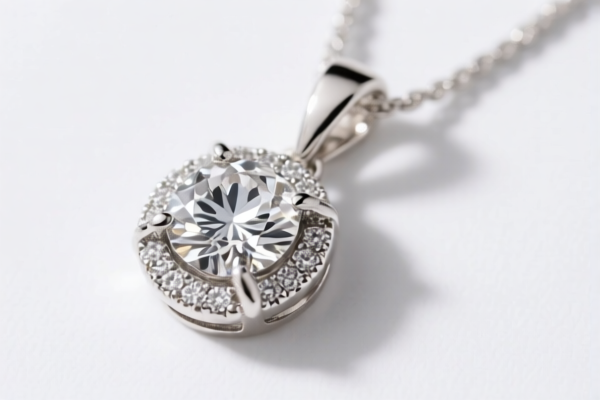
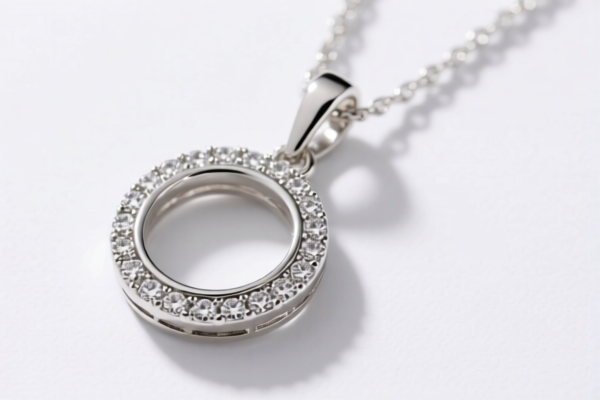
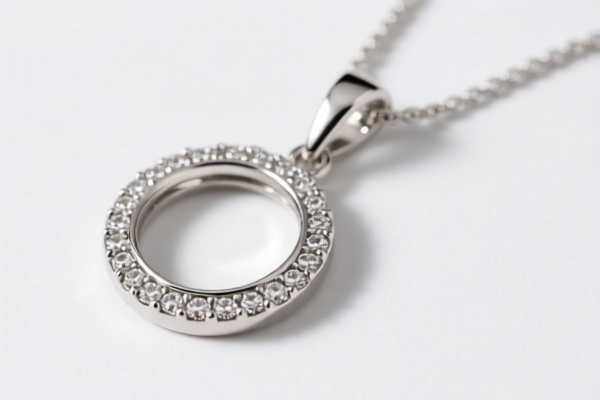
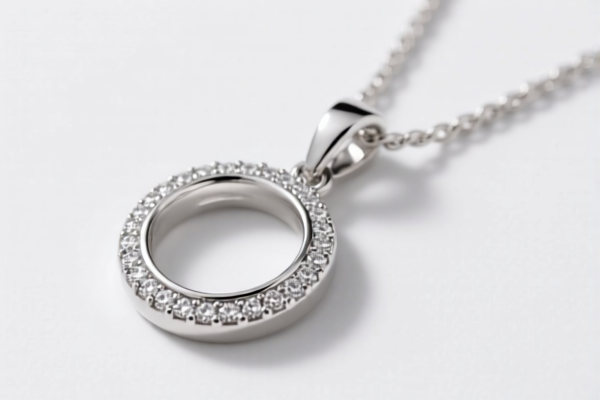
AI Analysis
💎 Platinum (Unwrought or Semi-manufactured)
🌐 HS Code Reference & Clearance Guide | 2026 Latest Tariff Analysis | Professional Customs Strategy
📌 I. Product Definition & Classification: Do You Really Know "Platinum"?
Platinum is a precious metal, dense, malleable, ductile, resistant to corrosion, and highly valued for its catalytic properties, jewelry, and industrial applications. In international trade, its classification depends heavily on its physical state (unwrought vs. manufactured) and form (powder, ingot, waste, etc.).
1. Unwrought Platinum (Raw/Refined):
Refers to platinum in its basic refined form, not yet shaped into specific manufactured articles. This includes ingots, bars, granules, powder, or sponge.
2. Manufactured Platinum (Semi-manufactured/Finished):
Refers to platinum that has been worked into specific shapes or forms, such as wires, tubes, sheets, foils, or jewelry components, but not yet into final finished goods like rings or catalytic converters.
⚠️ Key Distinction Point:
- If it is raw, unshaped, or basic refined form (sponge, powder, ingots) → Classified under 7110 (Noble Metals).
- If it is waste, scrap, or powder specifically from industrial processes → Classified under 7112 (Waste and Scrap).
- If it is semi-manufactured articles (wire, sheet, tube) → Classified under 7110 (specific subheadings for worked forms).
📦 II. HS Code Classification Details (2026 Latest Tariff Authority Comparison)
| HS Code | Product Description | Applicable Scenario | State/Form |
|---|---|---|---|
7110.11.00.00 |
Platinum, unwrought, or in powder form | Raw platinum, sponge platinum, platinum powder, basic refined platinum | ✅ Unwrought/Powder |
7110.19.00.00 |
Other forms of unwrought platinum | Platinum ingots, bars, granules, blocks (not powder) | ✅ Unwrought |
7110.21.00.00 |
Platinum, in wire, rod, angle, shape, section, or profile | Platinum wire, rods, bars (worked, not unwrought) | ✅ Semi-manufactured |
7110.29.00.00 |
Other manufactured articles of platinum | Platinum sheets, foils, tubes, plates (worked, not unwrought) | ✅ Semi-manufactured |
7112.10.00.00 |
Waste and scrap of platinum | Industrial waste, recycled platinum powder, scrap from manufacturing | ✅ Waste/Scrap |
🔍 Key Reminder:
- Platinum Powder is explicitly classified under 7110.11.00.00 (Unwrought/Powder), not as waste unless it is contaminated/uncollectible.
- Platinum Wire/Tubes are classified under 7110.21/29, not under 7110.11, because they are "worked" forms.
- Jewelry is classified under Chapter 71 (Heading 7113), not Chapter 71 (Platinum Metals) headings. Do not confuse finished jewelry with raw platinum.
💰 III. 2026 Latest Tariff Rate Details (Including Surtaxes & Policy Add-ons)
✅ Applicable Country: United States (US)
✅ Country of Origin: China (CN)
✅ Effective Date: From November 10, 2025 (including subsequent imports)
🎯 1. 7110.11.00.00 / 7110.19.00.00 — Platinum, Unwrought (Powder, Ingot, etc.)
| Item | Content |
|---|---|
| Basic Rate | 0% (ad valorem) |
| USITC Surtax | +25% (From USITC Footnote 9903.88.01) |
| IEEPA Surtax | +10% (Targeting China/HK products, effective Nov 10, 2025) |
| Total Rate | 35% |
| Tax Calculation | CIF Value × 35% |
| De Minimis Eligibility | ❌ Not Eligible (deny_de_minimis) |
| Legal Basis Path | IEEPA:9903.01.25 → IEEPA:9903.01.24 → USITC:7110.11.00.00 → FOOTNOTE:9903.88.01 |
📌 Explanation:
- "USITC Surtax 25%" comes from the "Additional Duties" under Section 301 of the US Trade Act;
- "IEEPA 10%" is the additional duty against China under the International Emergency Economic Powers Act;
- Total 35%, which is a high tariff level, must be anticipated in advance!
🎯 2. 7110.21.00.00 / 7110.29.00.00 — Platinum, Semi-manufactured (Wire, Sheet, etc.)
| Item | Content |
|---|---|
| Basic Rate | 0% |
| USITC Surtax | +25% |
| IEEPA Surtax | +10% |
| Total Rate | 35% |
| Tax Calculation | CIF × 35% |
| De Minimis Eligibility | ❌ Not Eligible |
| Legal Basis Path | IEEPA:9901.25 → IEEPA:9903.01.24 → USITC:7110.21.00.00 → FOOTNOTE:9903.88.01 |
📌 Note:
- Same as unwrought platinum, the rate is identical;
- Whether it is "platinum wire," "platinum foil," or "platinum tube," as long as it is worked form (not raw), it applies this tariff.
🎯 3. 7112.10.00.00 — Platinum Waste and Scrap
| Item | Content |
|---|---|
| Basic Rate | 0% |
| USITC Surtax | +25% |
| IEEPA Surtax | +10% |
| Total Rate | 35% |
| Tax Calculation | CIF × 35% |
| De Minimis Eligibility | ❌ Not Eligible |
| Legal Basis Path | IEEPA:9903.01.25 → IEEPA:9903.01.24 → USITC:7112.10.00.00 → FOOTNOTE:9903.88.01 |
📌 Note:
- Platinum scrap is also heavily taxed;
- Ensure the product is clearly identified as "scrap" and not "waste" with mixed materials.
🛠️ IV. Customs Clearance Practical Advice (Combat Pitfall Avoidance Guide)
✅ 1. Preparation Material Checklist (All Mandatory)
| Material | Must Provide | Description |
|---|---|---|
| ✅ Product Specification | ✔️ | Includes purity (e.g., 99.95%), form (powder, ingot, wire), weight |
| ✅ Purity Certificate | ✔️ | Issued by a third-party lab (e.g., SGS, Intertek) |
| ✅ Product Photos (Clear) | ✔️ | Showing state (powder, solid), packaging, and labeling |
| ✅ Commercial Invoice | ✔️ | Clearly state "Platinum, Unwrought" or "Platinum Wire" |
| ✅ Packing List | ✔️ | Net weight, gross weight, number of packages |
| ✅ MSDS (Material Safety Data Sheet) | ✔️ | Especially for platinum powder (flammable hazard?) |
| ✅ Import License (if required) | ✔️ | Some states require precious metal import licenses |
✅ 2. Declaration Tips (Key Mnemonic)
🔥 "Raw is 7110.11, Wire is 7110.21, Scrap is 7112.10, Don't mix them up!"
| Scenario | Correct Declaration | Wrong Practice |
|---|---|---|
| Platinum Powder | 7110.11.00.00 |
Misreported as "Waste" → Higher tax/penalty |
| Platinum Ingot | 7110.19.00.00 |
Misreported as "Wire" → Classification error |
| Platinum Wire | 7110.21.00.00 |
Misreported as "Unwrought" → 35% vs. 0% (if any) |
| Platinum Scrap | 7112.10.00.00 |
Misreported as "Raw" → Customs inquiry |
| Platinum Jewelry | 7113.11/19.00.00 |
Misreported as "Platinum Metal" → Wrong chapter |
✅ 3. Special Case Handling
| Scenario | Handling Advice |
|---|---|
| Platinum Powder | Must declare as "Unwrought/Powder" under 7110.11.00.00. Provide MSDS if required. |
| Platinum Waste | Ensure it is pure platinum scrap. Mixed materials may require different classification. |
| Platinum Jewelry | Classified under 7113, not 7110. Jewelry has different tariff rates. |
| Platinum Catalysts | If used in catalytic converters, may be classified under 8401 or 8402. Not raw platinum. |
🌍 V. Global Major Market Clearance Comparison (2026 Latest)
| Country/Region | Recommended HS Code | Tariff | Certification Requirements | Remarks |
|---|---|---|---|---|
| 🇺🇸 USA | 7110.11.00.00 |
35% (China) | None (but purity cert required) | High tariff due to trade tensions |
| 🇨🇳 China | 7110.11.00.00 |
0% | None | No additional surtax |
| 🇪🇺 EU | 7110.11.00.00 |
0% | REACH (if applicable) | No surtax |
| 🇦🇺 Australia | 7110.11.00.00 |
5% | None | Low tariff |
| 🇯🇵 Japan | 7110.11.00.00 |
0% | None | No surtax |
📌 Conclusion:
- USA imposes a high 35% tariff on Chinese-origin platinum;
- China, EU, Japan have 0% tariff on raw platinum;
- Consider supply chain optimization if importing into the US.
📌 VI. Common Mistakes & Pitfall Avoidance Guide (Blood Lessons)
❌ Mistake 1: Misclassifying Platinum Powder as "Waste"
👉 Consequence: Classification error → 35% tax applied instead of potential 0% (if misclassified as scrap with lower duty) or penalty.
❌ Mistake 2: Confusing Platinum Wire with Platinum Ingots
👉 Consequence: Wrong HS Code → Customs detention, delay, or reclassification penalty.
❌ Mistake 3: Not declaring Purity
👉 Consequence: Customs may assess higher duty based on estimated value or reject declaration.
❌ Mistake 4: Declaring Platinum Jewelry as Raw Platinum
👉 Consequence: Wrong chapter (7113 vs 7110) → Wrong tariff rate.
✅ Correct Practice:
"Platinum Powder, 99.95% Purity, Unwrought, Net Weight 1kg, Model XYZ, MSDS Attached"
🎯 VII. Conclusion: Professional Declaration, Save Time, Reduce Costs!
🎯 Remember the Mnemonic:
🔹 "Raw is 7110.11, Wire is 7110.21, Scrap is 7112.10, Jewelry is 7113!"
🔹 "HS Code determines fate, tariff difference 35 points, one step wrong, thousands in tax!"
📌 Tips:
If your platinum originates from Canada, South Africa, Russia, you may apply for IEEPA exemption or lower tariff due to non-China origin;
Suggest Advance Ruling application to avoid clearance risks.
📣 Take Action Now:
📞 Contact professional customs broker + Provide product photos + Apply for HS Code Advance Ruling
🚀 Let your platinum, pass smoothly, export efficiently, profit double!
✨ Professional clearance, starts with accurate classification!
💼 Every penny of your cost is worth precise calculation!
Customer Reviews
About HS Code Classification
The Harmonized System (HS) is an internationally standardized nomenclature developed by the World Customs Organization (WCO) to classify traded products. Over 200 countries use the HS system as the basis for customs tariffs, trade statistics, and import/export regulations.
Each HS code follows a hierarchical structure:
- Chapter (2 digits) — Broad category of goods (e.g., Chapter 84: Machinery and Mechanical Appliances)
- Heading (4 digits) — More specific grouping within the chapter
- Subheading (6 digits) — Internationally standardized breakdown, used by all WCO member countries
- National subdivisions (8-10 digits) — Country-specific extensions for further classification, such as US HTSUS 10-digit codes
Correct HS code classification is essential for smooth customs clearance, accurate duty payment, and compliance with trade regulations. Misclassification can lead to customs delays, overpayment of duties, or penalties.
When importing from CN to US, the applicable tariff rates may include:
- Most-Favored-Nation (MFN) rate — The standard duty rate applied to WTO members
- General rate — Applied to countries without trade agreements
- Trade remedy duties — Additional tariffs such as Section 301 (anti-dumping), Section 232 (national security), or countervailing duties
The information provided on this page is for reference purposes only. For official classification, please consult with your local customs authority or a licensed customs broker.