Play Clothes
CN → US| HS Code | Tariff Rate | Origin | Destination | Doc |
|---|---|---|---|---|
| 6114200035 | 28.3% | CN | US | Official Doc |
| 6114200040 | 28.3% | CN | US | Official Doc |
| 9505906000 | 10.0% | CN | US | Official Doc |
| 9505902000 | 10.0% | CN | US | Official Doc |
| 6211325030 | 25.6% | CN | US | Official Doc |
| 6211420525 | 25.6% | CN | US | Official Doc |
Product Images
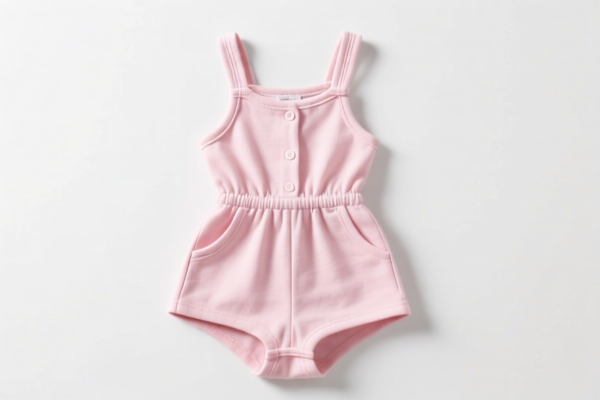
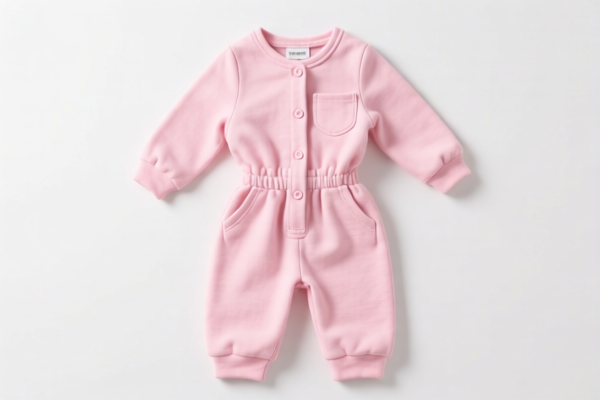
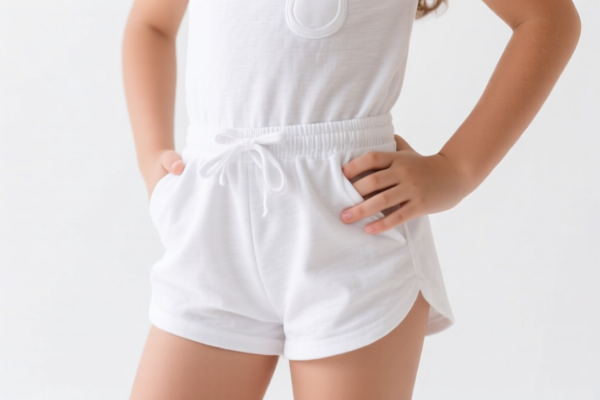
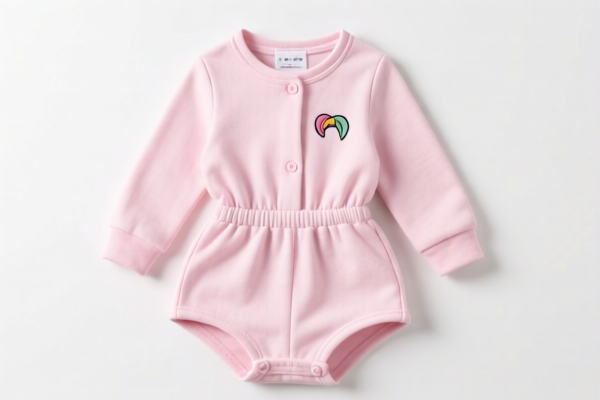
AI Analysis
👕 Play Clothes (Children's Apparel for Recreational Use)
🌐 HS Code Reference & Customs Clearance Guide | 2026 Latest Tariff Analysis | Professional Clearance Strategy
📌 One, Product Definition & Classification: What Exactly Are "Play Clothes"?
"Play Clothes" generally refer to clothing designed specifically or primarily for children's recreational activities, sports, or casual wear. In international trade, these goods are typically classified under Chapter 61 (Articles of Apparel and Clothing Accessories, knitted or crocheted) or Chapter 62 (Articles of Apparel and Clothing Accessories, not knitted or crocheted).
The classification depends heavily on two key factors: 1. Material Structure: Knitted vs. Woven. 2. Garment Type: Whether it is an outerwear (jackets, pants), underwear, or specific functional wear (swimwear, sports suits).
⚠️ Key Distinction:
- If the clothing is made from knitted fabric (e.g., t-shirts, sweatpants, knit dresses), it falls under Chapter 61.
- If the clothing is made from woven fabric (e.g., denim jeans, woven shirts, windbreakers), it falls under Chapter 62.
- Note: "Play clothes" is not a technical HS term. You must describe the specific garment (e.g., "Knit Cotton T-Shirt for Boys") to find the correct code.
📦 Two, Detailed HS Code Classification (2026 Latest Tariff Authority Comparison)
Below are the most common HS Codes for children's play/recreational apparel. Please select the code that matches your specific product material and construction.
| HS Code | Product Description | Applicable Scenario | Fabric Structure |
|---|---|---|---|
6109.10.00.10 |
T-shirts, singlets and other vests, knitted or crocheted, of cotton | Knit cotton t-shirts, casual tops for kids | ✅ Knitted |
6109.90.00.10 |
T-shirts, singlets and other vests, knitted or crocheted, of other textile materials | Poly-cotton, synthetic blend knit tops | ✅ Knitted |
6111.20.00.10 |
Babies' garments and clothing accessories, of cotton | Diaper covers, infant rompers, baby bodysuits | ✅ Knitted |
6104.63.00.10 |
Women's or girls' breeches, knitted or crocheted, of synthetic fibers | Knit synthetic leggings, track pants for girls | ✅ Knitted |
6204.63.00.10 |
Women's or girls' breeches, woven, of synthetic fibers | Woven polyester cargo shorts, woven cotton pants | ✅ Woven |
6110.20.00.10 |
Sweaters, pullovers, cardigans, knitted or crocheted, of cotton | Knit sweaters, cardigans for play/school | ✅ Knitted |
6201.12.00.10 |
Men's or boys' overcoats, wind-jackets and similar articles, of cotton | Woven windbreakers, cotton jackets | ✅ Woven |
6116.10.00.10 |
Gloves, mittens and muffs, knitted or crocheted | Kids' knit gloves for winter play | ✅ Knitted |
🔍 Important Reminder:
- Chapter 61 is for knitted (stretchy, jersey-like) fabrics.
- Chapter 62 is for woven (crisp, non-stretchy) fabrics.
- Infants vs. Older Children: Items for children under 2 years old often have specific subheadings (e.g., 6111 vs. 6109). Misclassifying an infant item as "older child" wear can lead to inspection delays.
💰 Three, 2026 Latest Tariff Rate Detailed Explanation (Including Additional Duties, Policy Add-ons)
✅ Applicable Country: United States (US)
✅ Country of Origin: China (CN)
✅ Effective Date: November 10, 2025 (for subsequent imports)
🎯 1. 6109.10.00.10 – Knitted Cotton T-Shirts (Common Playwear Top)
| Item | Content |
|---|---|
| Base Rate | 16.5% (ad valorem) |
| USITC Additional Duty | +25% (under USITC Footnote 9903.88.01 / Section 301) |
| IEEPA Additional Duty | +10% (for China/HK products, effective Nov 10, 2025) |
| Total Rate | 51.5% |
| Tax Calculation | CIF Value × 51.5% |
| De Minimis Eligibility | ❌ Not Eligible (deny_de_minimis) |
| Legal Basis Path | IEEPA:9903.01.25 → IEEPA:9903.01.24 → USITC:6109.10.00.10 → FOOTNOTE:9903.88.01 |
📌 Explanation:
- The 25% is the Section 301 tariff on Chinese textiles.
- The 10% is the IEEPA surcharge.
- Total 51.5% is extremely high. Low-margin apparel from China faces significant cost pressure.
🎯 2. 6204.63.00.10 – Woven Synthetic Pants (e.g., Track Pants, Cargo Shorts)
| Item | Content |
|---|---|
| Base Rate | 16.5% |
| USITC Additional Duty | +25% |
| IEEPA Additional Duty | +10% |
| Total Rate | 51.5% |
| Tax Calculation | CIF Value × 51.5% |
| De Minimis Eligibility | ❌ Not Eligible |
| Legal Basis Path | IEEPA:9903.01.25 → IEEPA:9903.01.24 → USITC:6204.63.00.10 → FOOTNOTE:9903.88.01 |
📌 Note:
- Woven and knitted apparel from China generally face the same surcharge structure under current trade policies.
- Synthetic fibers (polyester, nylon) are common in "play clothes" for durability and moisture-wicking.
🎯 3. 6111.20.00.10 – Babies' Cotton Garments (Infant Playwear)
| Item | Content |
|---|---|
| Base Rate | 12% |
| USITC Additional Duty | +25% |
| IEEPA Additional Duty | +10% |
| Total Rate | 47% |
| Tax Calculation | CIF Value × 47% |
| De Minimis Eligibility | ❌ Not Eligible |
📌 Note:
- Infant wear has a slightly lower base rate (12% vs 16.5%), but the additional duties still push the total cost very high.
🛠️ Four, Customs Clearance Practical Advice (Combat Pitfall Avoidance Guide)
✅ 1. Required Documentation Checklist (None Omitted)
| Document | Must Provide | Description |
|---|---|---|
| ✅ Product Specification Sheet | ✔️ | Include fabric composition (e.g., "100% Cotton"), weight, size range, and intended use (e.g., "for casual play"). |
| ✅ Tech Pack / Construction Diagram | ✔️ | Shows seams, closures (zippers/snaps), and layering to determine if it's outerwear or underwear. |
| ✅ Product Photos | ✔️ | Clear images of front, back, tags, and labels. Must show care instructions and fiber content. |
| ✅ Third-Party Test Report | ✔️ | CPSIA (US Consumer Product Safety Improvement Act) is mandatory for children's apparel. Also Oeko-Tex or REACH for other markets. |
| ✅ Commercial Invoice | ✔️ | Must clearly state "Children's Knit Cotton T-Shirt" not just "Clothes". |
| ✅ Country of Origin Certificate | ✔️ | Essential for tariff calculation and avoiding anti-dumping inquiries. |
| ✅ Labeling Compliance | ✔️ | US: Fiber content, country of origin, manufacturer info. UK/EU: Firtre content, care instructions in local language. |
✅ 2. Declaration Tips (Key Mantra)
🔥 "Material First, Structure Second, Age Group Clear, Tax Rate Stable!"
| Scenario | Correct Declaration | Wrong Practice |
|---|---|---|
| Knit Cotton T-Shirt | 6109.10.00.10 - "Knit Cotton T-Shirt for Kids" |
"Play Clothes" → Vague, leads to inspection |
| Woven Polyester Track Pants | 6204.63.00.10 - "Woven Synthetic Track Pants" |
"Sportswear" → Might be misclassified as sports gear (different duties) |
| Infant Romper | 6111.20.00.10 - "Babies' Knit Cotton Garment" |
"Kids' Pajama" → Age group error, potential penalty |
| Swimwear (Knit) | 6111.30.00.10 - "Swimsuits, Knit" |
"Play Clothes" → Wrong chapter, high risk |
✅ 3. Special Cases Handling
| Scenario | Handling Advice |
|---|---|
| CPSIA Compliance | For US imports, CPSIA testing (lead, phthalates) is non-negotiable. Without it, goods will be rejected at the border. |
| Mixed Material | If fabric is 80% Cotton, 20% Polyester, classify as Cotton (major fiber). Do not split shipment. |
| Accessories Included | If a shirt comes with a hat, declare the principal item (shirt). Do not separate accessories unless they are significant value. |
| Seasonal Playwear | Winter items (knit sweaters) vs. Summer items (linen shorts) do not change HS code but affect inventory planning. |
🌍 Five, Global Major Market Clearance Comparison (2026 Latest)
| Country/Region | Recommended HS Code | Tariff (China Origin) | Certification Requirements | Remarks |
|---|---|---|---|---|
| 🇺🇸 USA | 6109.10.00.10 |
51.5% (Total) | CPSIA + FCC (if electronic) | High tariffs due to Section 301/IEEPA |
| 🇨🇳 China | 6109.10.00.10 |
5% (Import Duty) | CCC (if applicable) | Low tariff, but export restrictions may apply |
| 🇪🇺 EU | 6109.10.00.10 |
12% (General) | CE + REACH + EPR (Packaging) | No Section 301 equivalent, but strict safety laws |
| 🇬🇧 UK | 6109.10.00.10 |
12% | UKCA Mark | Post-Brexit rules apply |
| 🇯🇵 Japan | 6109.10.00.10 |
15.5% | JIS Standard | Strict labeling requirements |
📌 Conclusion:
- USA is the most expensive market due to 51.5% total duty.
- EU and UK have moderate duties but strict environmental and safety standards (REACH, EPR).
- Consider Sourcing Alternatives: Products from Vietnam, Bangladesh, or Turkey may enjoy lower or zero tariffs in the US and EU due to trade agreements.
📌 Six, Common Errors & Pitfall Guide (Lessons Learned the Hard Way)
❌ Error 1: Using vague terms like "Play Clothes" or "Kids' Wear" on the invoice
👉 Consequence: Customs will flag for classification review → Delay 1-2 weeks
❌ Error 2: Missing CPSIA Certificate for US Imports
👉 Consequence: Seizure or Return of goods. No exceptions.
❌ Error 3: Misclassifying Knit vs. Woven
👉 Consequence: Wrong HS Code → Backdated Taxes + Penalties
❌ Error 4: Ignoring "Country of Origin" labeling on the product itself
👉 Consequence: Rejected by US Customs (19 CFR 134) → Relabeling at cost
✅ Correct Practice:
"Children's Knit Cotton T-Shirt, 100% Cotton, Age 3-5 Years, CPSIA Certified, Made in China, Model XYZ"
🎯 Seven, Conclusion: Professional Declaration, Save Time, Reduce Cost!
🎯 Remember the Mantra:
🔹 "Knit is 61, Woven is 62, Age Group Matters, CPSIA is Key!"
🔹 "Vague Description is Dangerous, Specific Material is Safe!"
📌 Pro Tip:
If your play clothes are originally from Vietnam, Bangladesh, or Indonesia, you may qualify for preferential tariff rates (e.g., 0% or 5%) under various trade agreements, avoiding the high US surcharges.
Recommendation: Apply for an Advance Ruling if you are importing large volumes to confirm the HS Code and duty rate before shipment.
📣 Immediate Action:
📞 Contact a licensed customs broker + Provide Product Images + CPSIA Test Report
🚀 Ensure your play clothes clear customs smoothly, avoid costly delays, and maximize profit margins!
✨ Professional Clearance Starts with Accurate Classification!
💼 Every Dollar Saved in Duties is Pure Profit!
Customer Reviews
About HS Code Classification
The Harmonized System (HS) is an internationally standardized nomenclature developed by the World Customs Organization (WCO) to classify traded products. Over 200 countries use the HS system as the basis for customs tariffs, trade statistics, and import/export regulations.
Each HS code follows a hierarchical structure:
- Chapter (2 digits) — Broad category of goods (e.g., Chapter 84: Machinery and Mechanical Appliances)
- Heading (4 digits) — More specific grouping within the chapter
- Subheading (6 digits) — Internationally standardized breakdown, used by all WCO member countries
- National subdivisions (8-10 digits) — Country-specific extensions for further classification, such as US HTSUS 10-digit codes
Correct HS code classification is essential for smooth customs clearance, accurate duty payment, and compliance with trade regulations. Misclassification can lead to customs delays, overpayment of duties, or penalties.
When importing from CN to US, the applicable tariff rates may include:
- Most-Favored-Nation (MFN) rate — The standard duty rate applied to WTO members
- General rate — Applied to countries without trade agreements
- Trade remedy duties — Additional tariffs such as Section 301 (anti-dumping), Section 232 (national security), or countervailing duties
The information provided on this page is for reference purposes only. For official classification, please consult with your local customs authority or a licensed customs broker.