Plug Safety Cover
CN → US| HS Code | Tariff Rate | Origin | Destination | Doc |
|---|---|---|---|---|
| 8538906000 | 38.5% | CN | US | Official Doc |
| 8538908180 | 38.5% | CN | US | Official Doc |
| 3926909989 | 22.8% | CN | US | Official Doc |
Product Images
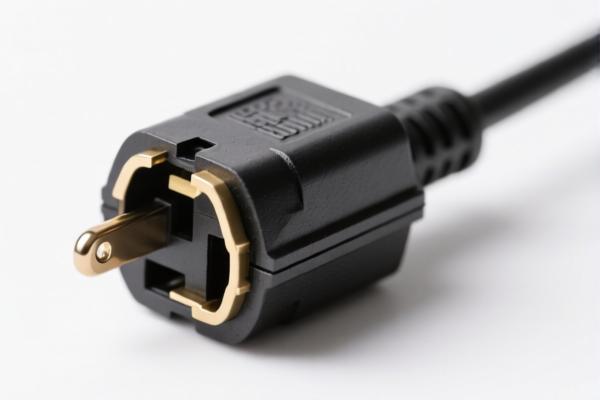
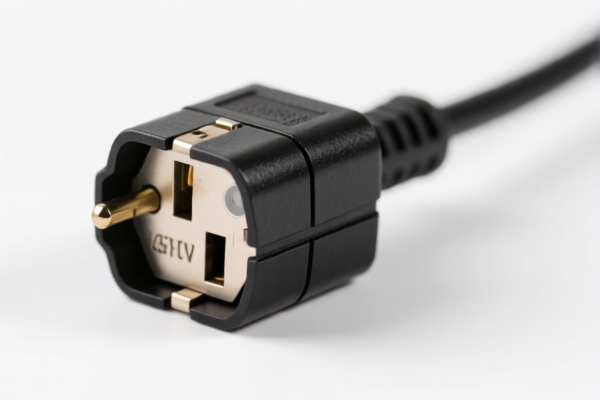
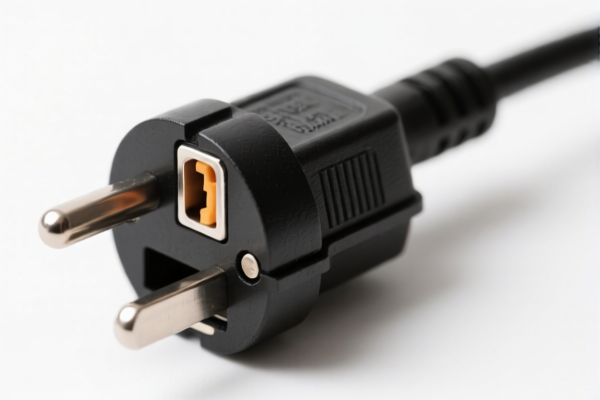
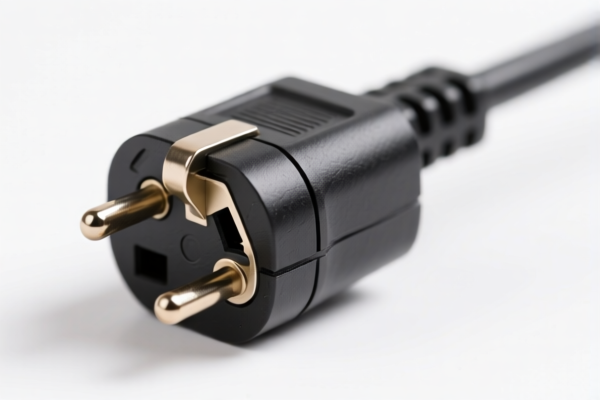
AI Analysis
🔌 Plug Safety Cover (Socket Protection Cap)
🌐 HS Code Reference & Customs Clearance Guide | 2024/2025 Latest Tariff Analysis | Professional-Level Compliance Strategy
📌 I. Product Definition & Classification: Do You Really Understand "Plug Safety Cover"?
A Plug Safety Cover (also known as a Socket Guard or Outlet Protector) is a small accessory designed to cover unused electrical outlet holes to prevent children from inserting foreign objects, thereby reducing the risk of electric shock. It is a safety accessory, not an active electrical component itself.
In international trade, its classification depends on two key factors:
1. Form/Shape: Is it a molded part specifically for a switch/socket?
2. Material: Is it plastic, rubber, or another material?
⚠️ Key Distinction:
- If it is a molded plastic part specifically shaped to fit a socket → It is considered a "Part" of the switch/socket apparatus.
- If it is a generic plastic cover not specifically designed for electrical use → It may be classified as a General Plastic Article.
📦 II. HS Code Classification Details (Based on Provided Data)
| HS Code | Product Description | Logic & Classification Reason | Total Tax Rate |
|---|---|---|---|
8538.90.60.00 |
Molded Parts for Sockets (Plastic) | Defined as a "molded part" (成型零件) matching the form of a socket accessory. Material inferred as plastic. Specifically categorized under parts of switches/protection circuits. | 38.5% |
8538.90.81.80 |
Other Parts/Accessories for Switchgear | Classified as an accessory/part of subheading 8536 (switches, relays, etc.). Falls under "Other" category for parts/accessories. No material conflict. | 38.5% |
3926.90.99.89 |
Other Plastic Articles | Classified by material as plastic. Form is an "other plastic article" not specifically listed elsewhere. General plastic goods category. | 22.8% |
🔍 Critical Insight:
- Codes8538.90.60.00and8538.90.81.80treat the item as an electrical part, leading to higher tariffs due to trade restrictions.
- Code3926.90.99.89treats the item as a general plastic good, resulting in a significantly lower tariff.
- Classification Choice: The choice depends on whether customs accepts the argument that the item is specifically an electrical part (HS 8538) or a general plastic safety cover (HS 3926).
💰 III. 2024/2025 Latest Tariff Rate Breakdown (Including Surcharges)
✅ Applicable Country: USA (US)
✅ Origin: China (CN)
✅ Effective Time: 2025 (Current Trade Policy)
🎯 1. Classification A: Electrical Parts (8538.90.60.00 & 8538.90.81.80)
| Item | Details |
|---|---|
| Base Tariff | 3.5% |
| Section 301 Surcharge | +25.0% |
| 122 Clause Surcharge | +10.0% |
| Total Effective Rate | 38.5% |
| Tax Calculation | CIF Value × 38.5% |
| De Minimis Exemption | ❌ Not Applicable (High tariff items usually exclude small package exemptions) |
| Legal Basis | Base: 3.5% + Section 301: 25% + 122 Clause: 10% |
📌 Explanation:
- The 3.5% is the standard Most Favored Nation (MFN) rate for parts of electrical switches.
- The 25% is the standard US-China Section 301 tariff for many electrical components and parts.
- The 10% is an additional surcharge (referred to as "122 Clause" in the data, likely related to specific trade enforcement or recent executive orders targeting certain Chinese imports).
- Total 38.5% is a high burden, directly impacting profit margins.
🎯 2. Classification B: Plastic Articles (3926.90.99.89)
| Item | Details |
|---|---|
| Base Tariff | 5.3% |
| Section 301 Surcharge | +7.5% |
| 122 Clause Surcharge | +10.0% |
| Total Effective Rate | 22.8% |
| Tax Calculation | CIF Value × 22.8% |
| De Minimis Exemption | ⚠️ Check Eligibility (Lower base rate may allow for different handling, but surcharges still apply) |
| Legal Basis | Base: 5.3% + Section 301: 7.5% + 122 Clause: 10% |
📌 Explanation:
- The 5.3% base rate is for other plastic articles.
- The 7.5% Section 301 surcharge is significantly lower than the 25% for electrical parts.
- The 10% surcharge still applies.
- Total 22.8% offers a 15.7% savings compared to the electrical part classification.
🛠️ IV. Customs Clearance Practical Advice (Avoid Pitfalls)
✅ 1. Preparation Checklist
| Document | Required? | Note |
|---|---|---|
| ✅ Product Specification | ✔️ | Must specify material (e.g., "PC Plastic", "Silicone") and function ("Child Safety Plug Cover"). |
| ✅ Material Certificate | ✔️ | Crucial for HS 3926 classification to prove it's a plastic article. |
| ✅ Product Photos | ✔️ | Show the cover on a socket to demonstrate its specific use case (supports HS 8538 argument if needed). |
| ✅ Commercial Invoice | ✔️ | Clear description: "Plastic Safety Cover for Electrical Outlet" or "Molded Part for Switch Socket". |
| ✅ HS Code Justification | ✔️ | Prepare a memo explaining why it fits either 8538 (part) or 3926 (plastic good). |
✅ 2. Strategic Classification Advice
🔥 "Material vs. Function: Choose Your Path!"
| Strategy | HS Code | Pros | Cons |
|---|---|---|---|
| Aggressive (Lower Tax) | 3926.90.99.89 |
Saves 15.7% in duties. | Risk of rejection if customs deems it exclusively an electrical part. Requires strong material documentation. |
| Conservative (Safe) | 8538.90.60.00 / 8538.90.81.80 |
Clearly matches "Part of Switch" definition. Lower risk of dispute. | Higher tax cost (38.5%). |
📌 Recommendation:
- If the covers are generic plastic (e.g., simple round plugs) without complex molding for specific socket brands, argue for HS 3926.
- If they are custom-molded for specific US/UK/EU socket types and sold as accessories to sockets, customs may insist on HS 8538.
- Pro Tip: Check if the product is sold with sockets or separately. Sold separately as a "safety accessory" favors HS 3926. Sold as a "part" for a specific switch brand favors HS 8538.
✅ 3. Special Cases
| Situation | Action |
|---|---|
| OEM Custom Molded Parts | Provide mold drawings. If specifically shaped for a 8536/8538 product, expect HS 8538. |
| Universal Silicone Covers | Argue for HS 3926 as a general plastic/rubber good. |
| Bulk Import vs. Retail | For B2B bulk, documentation must be precise. For B2C (De Minimis), ensure value is under $800 to avoid formal entry fees, though taxes still apply if not exempt. |
🌍 V. Global Market Comparison (2024/2025)
| Market | Recommended HS Code | Est. Total Tax | Notes |
|---|---|---|---|
| 🇺🇸 USA | 3926.90.99.89 |
22.8% | Best option. Try to avoid 8538 to save 15.7%. |
| 🇺🇸 USA (Alternative) | 8538.90.60.00 |
38.5% | Higher cost. Use if classification as "Plastic Good" is risky. |
| 🇨🇳 China | 8538.90.60.00 |
Low (Import Duty) | Domestic import duties vary. Focus on US export costs. |
| 🇪🇺 EU | 3926.90.99 |
~5-6% | EU may not apply Section 301. 122 Clause may not apply. Lower risk. |
📌 Conclusion:
- USA is the primary concern due to Section 301 and 122 Clause surcharges.
- Classification as Plastic (3926) is the most cost-effective strategy for the US market.
- Documentation is key to supporting the HS 3926 classification.
📌 VI. Common Errors & Pitfalls (Lessons Learned)
❌ Error 1: Misclassifying as "Electrical Part" when it's a General Plastic Good
👉 Consequence: Overpaying 15.7% in duties.
❌ Error 2: Misclassifying as "General Plastic" when it's a Specific Electrical Part
👉 Consequence: Customs audit, penalties, and retroactive tax payment of 38.5%.
❌ Error 3: Vague Description ("Plug Cover")
👉 Consequence: Delays, requests for samples, or forced classification by CBP.
✅ Correct Description:
"Plastic Safety Plug Cover, Universal Fit, For Electrical Outlets, Material: PC/ABS, Not Specifically Engineered for Specific Brand of Switch, Model SC-01"
🎯 VII. Conclusion: Smart Classification, Smart Savings
🎯 Remember the Rule:
🔹 "Function Defines Parts, Material Defines Goods."
🔹 "3926 Saves 15.7%, 8538 Costs Extra."
🔹 "Document Material Strongly to Win HS 3926."
📌 Tips:
- If you have high volume, consider applying for a CBP Binding Ruling to confirm HS 3926 classification legally.
- For small samples, ensure they are marked as "Samples, Not for Sale" if using De Minimis, but be aware of tax liability.
📣 Immediate Action:
📞 Consult your customs broker with material specs and usage description.
📦 Update your invoices to highlight "Plastic Article" if aiming for HS 3926.
🚀 Optimize your supply chain by choosing the correct HS code from day one!
✨ Professional Clearance Starts with Precise Classification!
💼 Every Percentage Point Counts!
Customer Reviews
About HS Code Classification
The Harmonized System (HS) is an internationally standardized nomenclature developed by the World Customs Organization (WCO) to classify traded products. Over 200 countries use the HS system as the basis for customs tariffs, trade statistics, and import/export regulations.
Each HS code follows a hierarchical structure:
- Chapter (2 digits) — Broad category of goods (e.g., Chapter 84: Machinery and Mechanical Appliances)
- Heading (4 digits) — More specific grouping within the chapter
- Subheading (6 digits) — Internationally standardized breakdown, used by all WCO member countries
- National subdivisions (8-10 digits) — Country-specific extensions for further classification, such as US HTSUS 10-digit codes
Correct HS code classification is essential for smooth customs clearance, accurate duty payment, and compliance with trade regulations. Misclassification can lead to customs delays, overpayment of duties, or penalties.
When importing from CN to US, the applicable tariff rates may include:
- Most-Favored-Nation (MFN) rate — The standard duty rate applied to WTO members
- General rate — Applied to countries without trade agreements
- Trade remedy duties — Additional tariffs such as Section 301 (anti-dumping), Section 232 (national security), or countervailing duties
The information provided on this page is for reference purposes only. For official classification, please consult with your local customs authority or a licensed customs broker.