Plug Valve
CN → US| HS Code | Tariff Rate | Origin | Destination | Doc |
|---|---|---|---|---|
| 8481801075 | 39.0% | CN | US | Official Doc |
| 8481803020 | 40.6% | CN | US | Official Doc |
Product Images
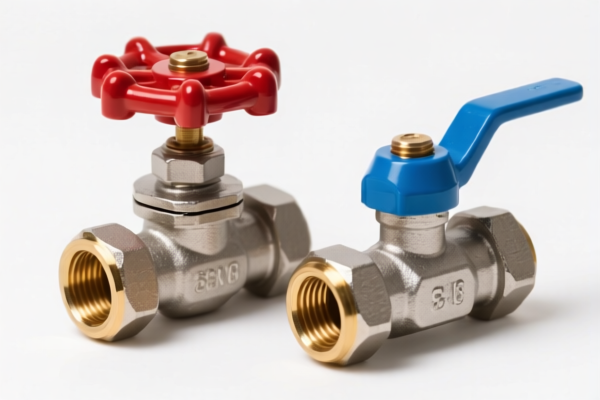
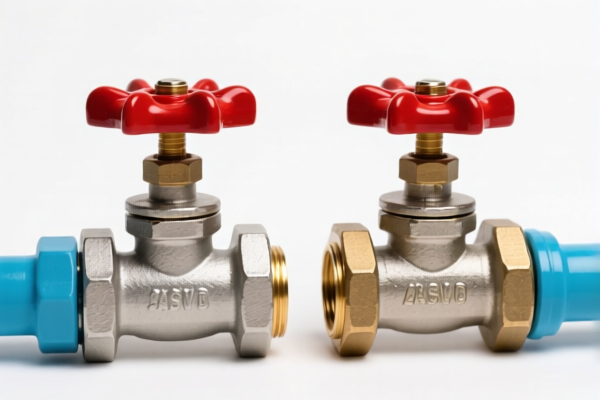
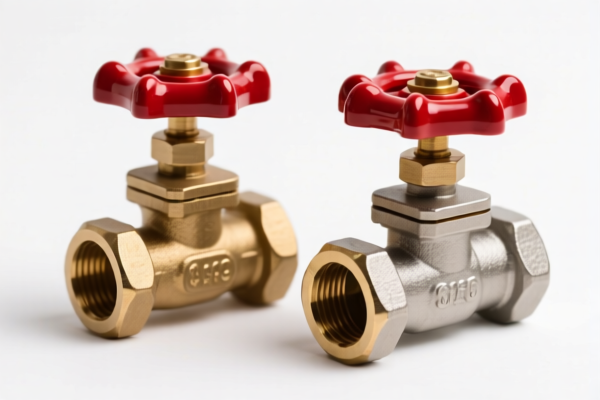
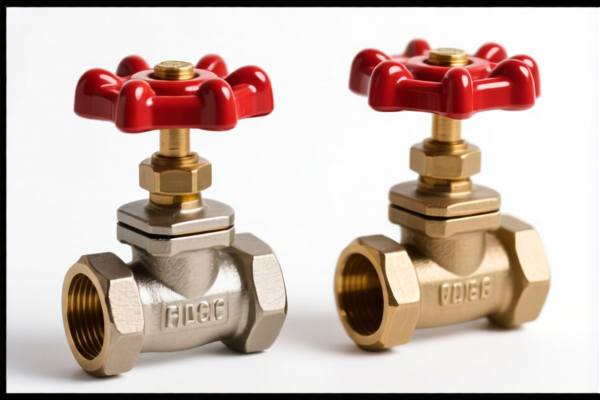
AI Analysis
🚰🔧 Plug Valves (Hand-Operated Taps, Cocks, and Valves)
HS Code Classification & Customs Clearance Guide | 2024/2025 Tax Rules | Precision Compliance Strategy
📌 I. Product Definition: What Exactly is a "Plug Valve"?
In international trade, "Plug Valves" fall under the broad category of Taps, Cocks, Valves, and Similar Appliances for pipes, boiler shells, tanks, or vats.
While "Plug Valve" is a generic term, customs classification depends strictly on three critical factors: 1. Material: Is it made of Copper, Iron, Steel, or Plastic? 2. Operation: Is it Hand Operated or Automatic/Thermostatic? 3. Pressure Rating: Specifically for Copper plugs, is it < 850 kPa or ≥ 850 kPa?
⚠️ Key Distinction:
- If it is a thermostatically controlled or pressure-reducing valve, it does NOT fall under "Hand Operated."
- If it is automatic/electric, it falls under different subheadings (not covered in this specific DATA).
- This guide focuses strictly on Hand-Operated variants as per the provided<DATA>.
📦 II. HS Code Classification Matrix (Based on Provided Data)
Based on the <DATA> provided, there are two specific HS Codes for hand-operated plug valves. Note that the tax rate is 0% for both, but the classification criteria are strict.
| HS Code | Material | Specific Type | Pressure Rating Requirement |
|---|---|---|---|
8481.80.10.75 |
Copper 🟠 | Hand Operated Plug Type | ≥ 850 kPa (High Pressure) |
8481.80.30.20 |
Iron ⚫ | Hand Operated Plug Type | Not specified in description (Standard Iron) |
🔍 Critical Note on Data Limits:
- The provided data ONLY includes Copper (≥850 kPa) and Iron.
- Steel plugs are listed in the description hierarchy (8481.80.30) but NO tax data is provided for Steel in the<DATA>block. Therefore, Steel cannot be classified using this specific output.
- Plastic/Brass/Low-Pressure Copper plugs are NOT in the<DATA>and are excluded from this analysis.
💰 III. Tax Rate Analysis (Detailed Breakdown)
🎯 1. Copper Plug Valve (High Pressure)
HS Code: 8481.80.10.75
| Item | Detail |
|---|---|
| Product Description | Hand operated, of copper, plug type, pressure rating ≥ 850 kPa |
| Base Tariff | 0.0% |
| Additional Tariff | 0.0% |
| Total Effective Tax Rate | 0.0% |
| Tax Detail | 基础关税: 0.0%, 加征关税: 0.0% |
📌 Why 0%?
This specific subheading for high-pressure copper plug valves carries a zero-duty rate in the provided tax table. This is likely due to preferential trade agreements or specific industrial exemptions for high-pressure components.
🎯 2. Iron Plug Valve
HS Code: 8481.80.30.20
| Item | Detail |
|---|---|
| Product Description | Hand operated, of iron, plug type |
| Base Tariff | 0.0% |
| Additional Tariff | 0.0% |
| Total Effective Tax Rate | 0.0% |
| Tax Detail | 基础关税: 0.0%, 加征关税: 0.0% |
📌 Why 0%?
Standard iron plug valves also enjoy a 0% duty rate in this classification. Iron is commonly used for heavy-duty industrial piping, and this zero-rate encourages import for infrastructure projects.
🛠️ IV. Customs Clearance & Operational Advice
✅ 1. Preparation Checklist (Must-Have Documents)
To clear customs smoothly under these 0% rates, you must prove the product matches the exact HS Code description.
| Document | Requirement | Reason |
|---|---|---|
| Product Specification Sheet | Must state Material (Copper vs. Iron) and Operation (Hand-operated) | To distinguish from automatic/thermostatic valves |
| Pressure Rating Certificate | CRITICAL for Copper: Must explicitly state ≥ 850 kPa | If < 850 kPa, it cannot use 8481.80.10.75 → Wrong HS Code! |
| Commercial Invoice | Describe as "Hand Operated Copper Plug Valve, High Pressure" | Avoid vague terms like "Pipe Fitting" |
| Technical Diagram | Show plug structure | Confirm it is a "Plug Type" (not ball, gate, or butterfly) |
| HS Code Pre-ruling | Recommended | Avoids delays if customs questions the pressure rating |
⚠️ 2. Common Classification Errors & Pitfalls
❌ Error 1: Misclassifying Copper Pressure Rating
Scenario: You ship Copper Plug Valves with a pressure rating of 500 kPa.
Wrong Action: Declare under8481.80.10.75(≥ 850 kPa).
Consequence: Customs Rejection. This HS Code requires ≥ 850 kPa. Low-pressure copper plugs have a different (unlisted) HS Code.
Fix: Verify pressure rating on the product nameplate. If < 850 kPa, find the correct HS Code for low-pressure copper valves (not in provided data).
❌ Error 2: Confusing "Iron" vs. "Steel"
Scenario: You ship Steel Plug Valves.
Wrong Action: Declare under8481.80.30.20(Iron).
Consequence: Misdeclaration. Iron (cast iron) and Steel are different materials in HS classification.
Fix: Check the material certificate. If it is Steel, note that no tax data is provided in the<DATA>for Steel. You must consult a customs broker for the correct Steel HS Code.
❌ Error 3: Ignoring "Hand Operated" vs. "Thermostatic"
Scenario: You ship a Thermostatically Controlled valve.
Wrong Action: Declare under "Hand Operated" HS Codes.
Consequence: Severe Penalty. Thermostatic valves are explicitly excluded from "Hand Operated" in Chapter 84.
Fix: Use the correct HS Code for "Thermostatically Controlled Valves" (different heading).
📝 3. Best Practice for Declaration
For Copper Valves (≥ 850 kPa):
Description: Copper Plug Valve, Hand Operated, High Pressure, 850+ kPa
HS Code: 8481.80.10.75
Tax: 0.0%
For Iron Valves:
Description: Iron Plug Valve, Hand Operated, Industrial Grade
HS Code: 8481.80.30.20
Tax: 0.0%
🌍 V. Global Market Comparison (Inferred from 0% Rate)
| Market | Tariff Outlook | Note |
|---|---|---|
| China (Export) | 0% (as per data) | Zero duty makes these highly competitive globally |
| USA | Check USITC | The provided data does not include US duties. US may apply Section 301 tariffs. Verify separately. |
| EU | Check CN Code | The 8-digit code suggests a country-specific classification (likely China or a specific trade zone). EU uses 8-digit TARIC codes. |
📌 Conclusion:
The provided data shows a 0% tax rate for both specified HS Codes. This is a zero-duty opportunity for importers, provided the material and pressure specifications match exactly.
🎯 VI. Final Checklist for Importers
- Verify Material: Is it truly Copper or Iron? (Not Brass, Steel, or Plastic)
- Verify Pressure (Copper Only): Is it ≥ 850 kPa?
- Verify Operation: Is it Hand Operated? (No motors, no thermostats)
- Confirm HS Code:
- Copper + Hand + ≥ 850 kPa →
8481.80.10.75(0%) - Iron + Hand →
8481.80.30.20(0%)
- Copper + Hand + ≥ 850 kPa →
- Documentation: Ensure invoices and specs match the HS Code description word-for-word.
📌 Pro Tip:
If your copper valves are LOW PRESSURE (< 850 kPa), do NOT use 8481.80.10.75. You will face customs delays. Seek the correct HS Code for low-pressure copper valves.
✅ Clear Classification = Zero Duty + Smooth Customs!
📞 Need Help?
If your product falls outside these two HS Codes (e.g., Steel, Plastic, Automatic, or Low-Pressure Copper), please consult a licensed customs broker for the correct classification. Do not guess!
Customer Reviews
About HS Code Classification
The Harmonized System (HS) is an internationally standardized nomenclature developed by the World Customs Organization (WCO) to classify traded products. Over 200 countries use the HS system as the basis for customs tariffs, trade statistics, and import/export regulations.
Each HS code follows a hierarchical structure:
- Chapter (2 digits) — Broad category of goods (e.g., Chapter 84: Machinery and Mechanical Appliances)
- Heading (4 digits) — More specific grouping within the chapter
- Subheading (6 digits) — Internationally standardized breakdown, used by all WCO member countries
- National subdivisions (8-10 digits) — Country-specific extensions for further classification, such as US HTSUS 10-digit codes
Correct HS code classification is essential for smooth customs clearance, accurate duty payment, and compliance with trade regulations. Misclassification can lead to customs delays, overpayment of duties, or penalties.
When importing from CN to US, the applicable tariff rates may include:
- Most-Favored-Nation (MFN) rate — The standard duty rate applied to WTO members
- General rate — Applied to countries without trade agreements
- Trade remedy duties — Additional tariffs such as Section 301 (anti-dumping), Section 232 (national security), or countervailing duties
The information provided on this page is for reference purposes only. For official classification, please consult with your local customs authority or a licensed customs broker.