Plug and Socket
CN → US| HS Code | Tariff Rate | Origin | Destination | Doc |
|---|---|---|---|---|
| 3926909989 | 22.8% | CN | US | Official Doc |
| 8536698000 | 37.7% | CN | US | Official Doc |
| 8536694010 | 35.0% | CN | US | Official Doc |
| 3926904590 | 38.5% | CN | US | Official Doc |
| 8544422000 | 85.0% | CN | US | Official Doc |
Product Images
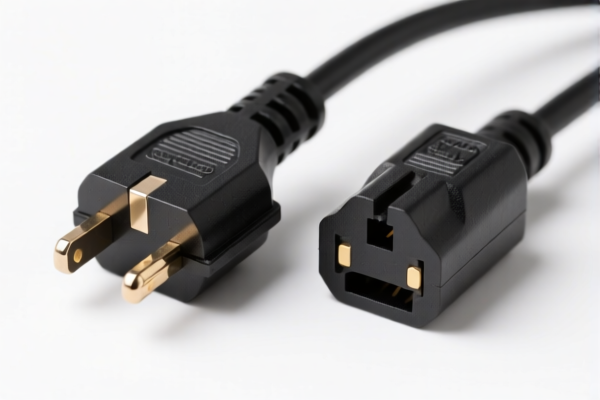
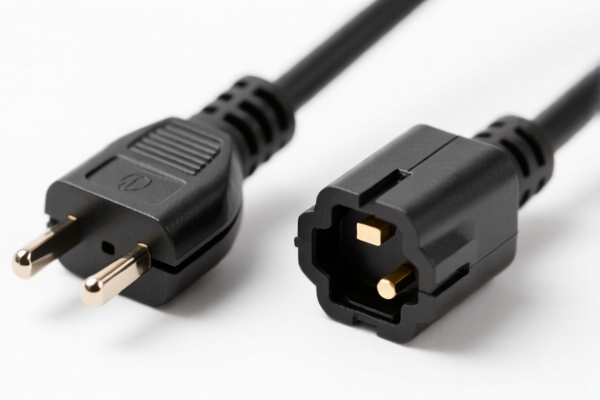
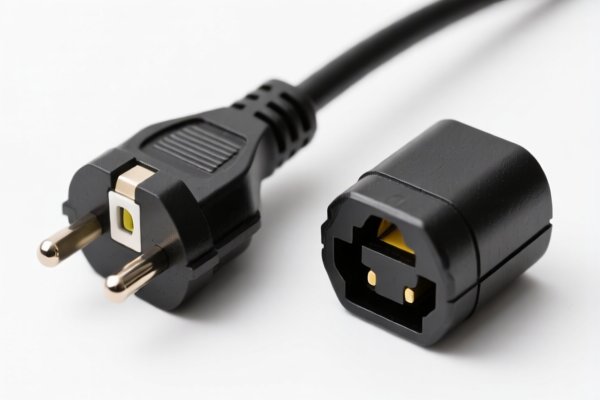
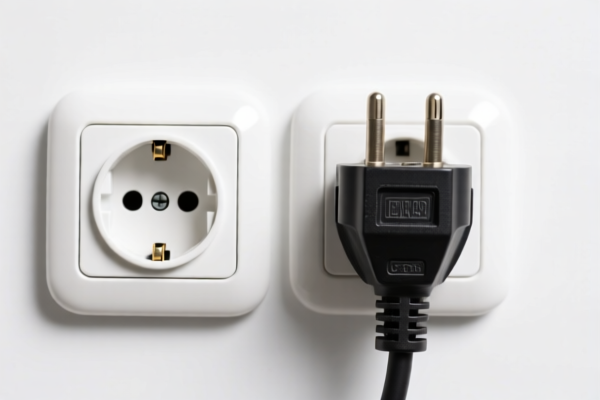
AI Analysis
🔌 Plugs & Sockets: The Ultimate HS Code Classification & Tax Strategy Guide | 2026 Import Alert
🌐 HS Code Reference & Customs Clearance Guide | 2026 Latest Tariff Analysis | Professional Clearance Strategy
📌 Part 1: Product Definition & Classification – Do You Really Know Your "Plug and Socket"?
In international trade, "Plugs and Sockets" are critical electrical connection components. However, they are NOT a single unified category. Their classification depends entirely on material composition, electrical function, and component structure.
Misclassification here is the #1 cause of customs delays and massive tax penalties (up to 85%!) for imports into the US from China.
⚠️ Key Distinction Points: - Pure Plastic Housings/Parts: If the item is purely a plastic shell or insulating part without electrical contact capabilities → Classified under Chapter 39 (Plastics). - Functional Electrical Connectors: If the item completes an electrical circuit (male plug or female socket) → Classified under Chapter 85 (Electrical Machinery). - Cable Assemblies with Connectors: If the plug is permanently attached to a wire/cable → Classified under Chapter 85 (Wires/Cables).
📦 Part 2: Detailed HS Code Breakdown (2026 Tariff Authority Comparison)
Below is the precise mapping of Plug & Socket variants to their HS Codes and corresponding Total Tax Rates (including Base + Section 301 + Section 232/IEEPA surcharges).
| HS Code | Product Description | Classification Logic | Total Tax Rate (CN Origin) |
|---|---|---|---|
| 3926.90.99.89 | Plastic Sockets/Housings | Classified as "Other塑料制品" based on material. Used if the item is purely a plastic insulator/shell without defined electrical connection function in the tariff text. | 22.8% |
| 8536.69.80.00 | Electrical Sockets (Direct Match) | Direct classification for "Electrical appliances for making connections...". The most accurate fit for standard functional wall/power sockets. | 37.7% |
| 8536.69.40.10 | Electrical Connection Devices (Plug/Sock) | Classified under specific sub-heading for electrical connections. Often used for industrial plugs/sockets with specific voltage/current ratings. | 35.0% |
| 3926.90.45.90 | Other Plastic Articles | Alternative plastic classification. Higher tax burden due to higher base tariff. Used if 3926.90.99.89 is deemed inaccurate for specific plastic components. | 38.5% |
| 8544.42.20.00 | Cord Sets / Cable Assemblies | Classified as "Other insulated wiring sets." Used when the plug is permanently attached to a wire/cable assembly. | 85.0% |
🔍 Critical Warning: - 8544.42.20.00 carries an extreme tax rate of 85% due to specific steel/aluminum/copper surcharges (Section 232 + 301). Avoid this code unless the item is literally a pre-made cable with plugs on both ends. - Plastic-only parts (e.g., socket covers, pure insulators) go to Chapter 39 (22.8% or 38.5%), not Chapter 85. - Functional Sockets/Plugs go to Chapter 85 (35.0% or 37.7%).
💰 Part 3: 2026 Detailed Tariff Breakdown (Including Surcharges & Policy Add-ons)
✅ Applicable Country: United States (US)
✅ Country of Origin: China (CN)
✅ Effective Date: Current regime (Post-2024 adjustments)
🎯 1. 3926.90.99.89 – Plastic Sockets/Parts (Material-Based)
| Item | Details |
|---|---|
| Base Tariff | 5.3% |
| Section 301 Tariff | +7.5% |
| Section 232/IEEPA Surcharge | +10% |
| Total Effective Rate | 22.8% |
| De Minimis Exemption | ❌ Not Eligible (High probability of audit) |
| Legal Basis Path | HTSUS:3926.90.99.89 → USITC Footnote 301 → IEEPA 232 |
📌 Explanation: - This is the lowest tax option but only applicable if the product is classified as a plastic good, not an electrical good. - Use this if importing replacement plastic shells, insulating caps, or non-functional decorative covers. - Risk: If customs determines the item has electrical function, they will reclassify to Chapter 85, leading to back taxes + penalties.
🎯 2. 8536.69.80.00 – Electrical Sockets (Direct Functional Match)
| Item | Details |
|---|---|
| Base Tariff | 2.7% |
| Section 301 Tariff | +25.0% |
| Section 232/IEEPA Surcharge | +10% |
| Total Effective Rate | 37.7% |
| De Minimis Exemption | ❌ Not Eligible |
| Legal Basis Path | HTSUS:8536.69.80.00 → USITC Footnote 301 → IEEPA 232 |
📌 Explanation: - This is the standard classification for functional electrical sockets (wall outlets, power strips). - The 25% Section 301 tariff applies to most electrical machinery. - Best for: Standard household/industrial sockets that are not part of a cable assembly.
🎯 3. 8536.69.40.10 – Electrical Connection Devices (Usage-Based)
| Item | Details |
|---|---|
| Base Tariff | 0.0% |
| Section 301 Tariff | +25.0% |
| Section 232/IEEPA Surcharge | +10% |
| Total Effective Rate | 35.0% |
| De Minimis Exemption | ❌ Not Eligible |
| Legal Basis Path | HTSUS:8536.69.40.10 → USITC Footnote 301 → IEEPA 232 |
📌 Explanation: - This code often captures specific types of electrical connectors or plugs/sockets designed for specific voltage/current applications. - Lowest Base Rate (0%) makes it attractive, but the 25%+10% surcharges make it 35% total. - Best for: Industrial plugs/sockets where the specific sub-heading 40.10 applies.
🎯 4. 3926.90.45.90 – Other Plastic Articles (Alternative Plastic)
| Item | Details |
|---|---|
| Base Tariff | 3.5% |
| Section 301 Tariff | +25.0% |
| Section 232/IEEPA Surcharge | +10% |
| Total Effective Rate | 38.5% |
| De Minimis Exemption | ❌ Not Eligible |
| Legal Basis Path | HTSUS:3926.90.45.90 → USITC Footnote 301 → IEEPA 232 |
📌 Explanation: - Higher tax than 3926.90.99.89 due to higher base tariff. - Use only if 3926.90.99.89 is rejected by customs.
🎯 5. 8544.42.20.00 – Cord Sets / Cable Assemblies (Wiring Sets)
| Item | Details |
|---|---|
| Base Tariff | 0.0% |
| Section 301 Tariff | +25.0% |
| Section 232 Surcharge (Steel/Al/Cu) | +50.0% |
| IEEPA Surcharge | Included/Exempt? See Note |
| Total Effective Rate | 85.0% |
| De Minimis Exemption | ❌ Not Eligible |
| Legal Basis Path | HTSUS:8544.42.20.00 → USITC Footnote 301 → USITC Footnote 232 (Steel/Al/Cu) |
⚠️ DANGER ZONE: - This code includes a 50% Section 232 Tariff for products containing steel, aluminum, or copper (which most wires/plates are). - Only use if the product is a pre-assembled cord set (plug + wire + socket). - If you import separate plugs and sockets, do NOT use this code. You will pay 85% tax.
🛠️ Part 4: Customs Clearance Practical Advice (Avoiding Pitfalls)
✅ 1. Documentation Checklist (Non-Negotiable)
| Document | Required? | Purpose |
|---|---|---|
| ✅ Product Specifications | ✔️ | Must clearly state: Material (Plastic vs. Metal), Function (Insulating vs. Conducting), Voltage/Current ratings. |
| ✅ Photos (Labeled) | ✔️ | Show clear views of the item. Is it a standalone plug? A socket? A plastic cover? |
| ✅ Bill of Materials (BOM) | ✔️ | Breakdown of components. Prove if it's >50% plastic (for Ch. 39) or electrical (Ch. 85). |
| ✅ Commercial Invoice | ✔️ | Must match HS Code description exactly. Do not use generic terms like "Electrical Part." |
| ✅ Origin Certificate | ✔️ | If not China-origin, claim GSP/FREE TRADE benefits (if applicable). |
✅ 2. Declaration Strategy (The Golden Rules)
🔥 "Material First, Function Second, Assembly Third!"
| Scenario | Correct HS Code | Wrong HS Code | Consequence |
|---|---|---|---|
| Standalone Plastic Socket Housing | 3926.90.99.89 (22.8%) |
8536.69.80.00 (37.7%) |
Overpayment of ~15% |
| Standalone Functional Socket/Plug | 8536.69.80.00 (37.7%) or 8536.69.40.10 (35.0%) |
3926.90... (22.8%) |
Underpayment → Penalties + Back Taxes |
| Pre-made Cable with Plugs on Ends | 8544.42.20.00 (85.0%) |
8536... (37.7%) |
Huge Overpayment! |
| Plug + Wire + Socket sold separately | 8536.69.80.00 (37.7%) |
8544.42.20.00 (85.0%) |
Disaster! (85% Tax) |
✅ 3. Special Cases & Mitigation
| Situation | Advice |
|---|---|
| Plugs/Sockets with Metal Contacts | Still classified under Ch. 85 (35-37.7%). The metal contacts do not make it "Iron/Steel" (Ch. 73) or "Copper" (Ch. 74) for tariff purposes. Do not use Ch. 73/74. |
| OEM Custom Sockets | Provide design drawings showing it is a functional connector. Argue for 8536.69.40.10 (35%) if it meets the specific sub-heading criteria. |
| "Smart" Sockets (Wi-Fi Enabled) | Likely 8536.69.80.00 (37.7%). The microchip does not change the primary function from "electrical connection." |
| Avoiding the 85% Trap | Never ship plugs and cables together in one shipment if they are not permanently assembled. Ship them separately. If assembled, ensure the wire insulation type matches 8544 criteria, but weigh the 85% tax vs. 35-37% tax. Often, separating them is cheaper. |
🌍 Part 5: Global Market Comparison (2026)
| Country/Region | Recommended HS Code | Approx. Tariff (CN Origin) | Notes |
|---|---|---|---|
| 🇺🇸 USA | 8536.69.80.00 or 8536.69.40.10 |
35.0% - 37.7% | High due to 301/232 tariffs. Plastic parts (3926) are cheaper at 22.8%. |
| 🇨🇳 China | 8536.69.80.00 |
~1% - 3% | Low base tariff. No Section 301. |
| 🇪🇺 EU | 8536.69.80.00 |
0% | Generally duty-free under most schedules. |
| 🇬🇧 UK | 8536.69.80.00 |
0% | Post-Brexit alignment with EU in many cases. |
📌 Conclusion: - The US is the only major market with punitive tariffs on electrical goods from China. - Strategy: If importing to the US, optimize for
8536.69.40.10(35.0%) if possible, or3926.90.99.89(22.8%) if the item is truly non-functional/plastic-only. - Avoid8544.42.20.00unless absolutely necessary, as the 85% tax is prohibitive.
📌 Part 6: Common Errors & Blood-Test Lessons
❌ Error 1: Shipping separate plugs and wires but declaring as one "Cord Set" under 8544.42.20.00.
👉 Consequence: If customs inspects and finds they are separate, they may still assess 85% or delay shipment. Better to declare separately as Plugs (8536) and Wires (8544), but check wire tax too. Note: Wires alone may also have high tariffs. Consult specific wire HTS.
❌ Error 2: Calling a functional socket a "Plastic Housing" to get 22.8% tax.
👉 Consequence: Customs will reject based on photos/specs. Penalty + Back Taxes (37.7% - 22.8% = 14.9% + interest).
❌ Error 3: Using Generic Description "Electrical Parts" on Invoice.
👉 Consequence: Customs will assign their own HS Code, likely the highest possible (8544.42.20.00 at 85%).
✅ Correct Approach:
"Electrical Socket, Type X, Rated 125V/15A, Plastic Housing, Metal Contacts, Model ABC, UL Listed."
🎯 Part 7: Conclusion – Precision Saves Money!
🎯 Remember the Mantra:
🔹 "Plastic Only? Ch. 39 (22.8%). Functional Socket? Ch. 85 (35-37.7%). Cable Assembly? Ch. 8544 (85% - AVOID!).
🔹 "Separate items, separate codes. Assemble only if tax-free or lower. 85% is the killer!"
📌 Pro Tip:
If your plugs/sockets are made in Vietnam, Mexico, or India, you may qualify for lower or zero Section 301 tariffs. Consider supply chain diversification for US-bound goods.
📣 Action Item:
📞 Get a Pre-Ruling from CBP if the product is borderline (e.g., is it a plastic part or an electrical connector?).
🚀 Clarify your Bill of Materials and Photos before shipment.
✨ Professional Customs Clearance Starts with Accurate Classification!
💼 Every 1% Tax Difference is Pure Profit!
Customer Reviews
About HS Code Classification
The Harmonized System (HS) is an internationally standardized nomenclature developed by the World Customs Organization (WCO) to classify traded products. Over 200 countries use the HS system as the basis for customs tariffs, trade statistics, and import/export regulations.
Each HS code follows a hierarchical structure:
- Chapter (2 digits) — Broad category of goods (e.g., Chapter 84: Machinery and Mechanical Appliances)
- Heading (4 digits) — More specific grouping within the chapter
- Subheading (6 digits) — Internationally standardized breakdown, used by all WCO member countries
- National subdivisions (8-10 digits) — Country-specific extensions for further classification, such as US HTSUS 10-digit codes
Correct HS code classification is essential for smooth customs clearance, accurate duty payment, and compliance with trade regulations. Misclassification can lead to customs delays, overpayment of duties, or penalties.
When importing from CN to US, the applicable tariff rates may include:
- Most-Favored-Nation (MFN) rate — The standard duty rate applied to WTO members
- General rate — Applied to countries without trade agreements
- Trade remedy duties — Additional tariffs such as Section 301 (anti-dumping), Section 232 (national security), or countervailing duties
The information provided on this page is for reference purposes only. For official classification, please consult with your local customs authority or a licensed customs broker.