Plunger
CN → US| HS Code | Tariff Rate | Origin | Destination | Doc |
|---|---|---|---|---|
| 3926902100 | 21.7% | CN | US | Official Doc |
| 3926904510 | 38.5% | CN | US | Official Doc |
| 8413919065 | 35.0% | CN | US | Official Doc |
| 8413919055 | 35.0% | CN | US | Official Doc |
| 8481909060 | 85.0% | CN | US | Official Doc |
| 8481909081 | 35.0% | CN | US | Official Doc |
Product Images
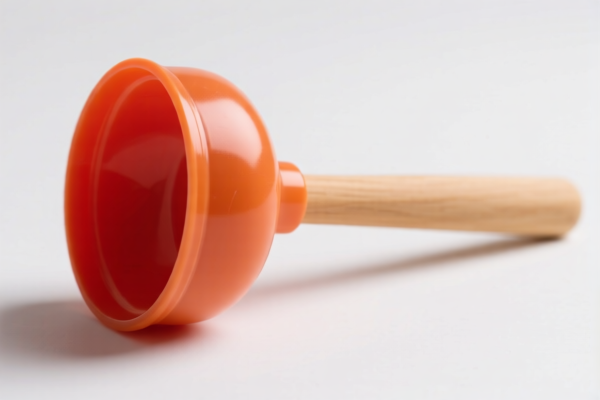
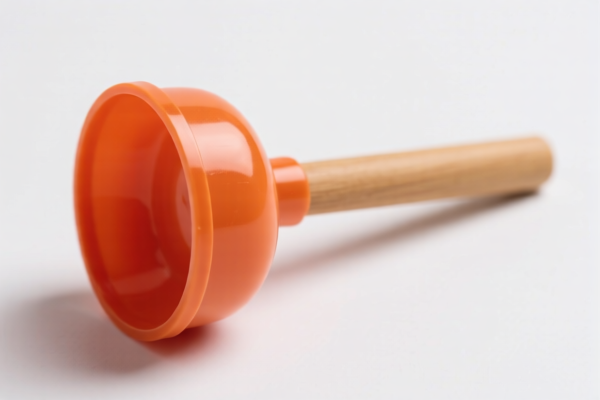
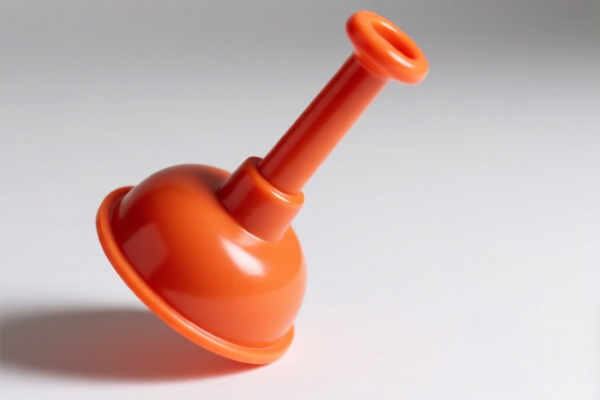
AI Analysis
🚿 Plungers (Syringes for Liquids) & Similar Nursing/Cleaning Appliances
🌐 HS Code Reference & Customs Clearance Guide | 2026 Latest Tariff Analysis | Specialized Clearance Strategy 📌 1. Product Definition & Classification: What is a "Plunger"?
In international trade, the term "Plunger" is ambiguous. It can refer to a medical/industrial plunger (syringe), a sealing component, or a drain tool. Based on the provided data, we strictly analyze the medical/syringe-type plungers and sealing washers/plungers found in headings 39 and 84.
Medical/Cleaning Syringe Plungers: These are fittings for syringes (other than hypodermic) or bulbs for syringes. They are often made of plastics or other materials. Sealing Plungers (Gaskets/Washers): In some mechanical contexts, "plungers" may refer to sealing elements like O-rings or washers used in valves.
⚠️ Key Distinction Point: - If it is a syringe/plunger for liquids (not hypodermic) and NOT made of glass/metal →归入 3926.90.21.00 - If it is a plastic gasket/washer/Seal (O-Ring) used in pipes/valves → 归入 3926.90.45.10 - If it is a metal valve part (e.g., steel/plunger body) → 归入 8481.90.90 series
📦 2. HS Code Classification Details (Based on Provided Data)
| HS Code | Product Description | Applicable Scenario | Material/Type |
|---|---|---|---|
3926.90.21.00 |
Ice bags; douche bags, enema bags, hot water bottles, and fittings therefor; invalid and similar nursing cushions; dress shields; pessaries; prophylactics; bulbs for syringes; syringes (other than hypodermic syringes) and fittings therefor, not in part of glass or metal | Medical cleaning syringes, enema bulbs, nursing syringes, plastic plungers for non-hypodermic syringes | Plastic/Non-metal/Non-glass |
3926.90.45.10 |
Other articles of plastics: Gaskets, washers and other seals; O-Rings | Plastic sealing washers, O-ring seals, non-metallic plunger seals for valves | Plastic |
8481.90.90.60 |
Taps, cocks, valves... parts thereof: Parts: Other Other: Valve bodies | Metal valve components (including plungers acting as valve bodies or parts thereof) | Steel/Aluminum/Copper |
8481.90.90.81 |
Taps, cocks, valves... parts thereof: Parts: Other Other: Other: Steel forgings | Steel forged plunger components for valves/boilers | Steel (Forged) |
8413.91.90.65 |
Pumps for liquids... part thereof: Parts: Of pumps: Other Of subheading 8413.50.00: Sucker rods | Pump plungers/sucker rods for hydraulic or submersible pumps | Metal/Composite |
8413.91.90.55 |
Pumps for liquids... part thereof: Parts: Of pumps: Other Of hydraulic fluid power pumps: Fluid end blocks | Hydraulic pump components including plunger blocks | Metal |
🔍 Important Note: - The term "Plunger" in medical contexts usually falls under 3926.90.21.00 if it's a plastic syringe part. - In industrial valve contexts, a "plunger" might be a valve body part or sucker rod, falling under 8481 or 8413. - Do not mix materials: Glass/metal parts have different classifications. The provided data for 3926.90.21.00 explicitly excludes glass/metal parts.
💰 3. 2026 Latest Tariff Rate Details (Including Additional Taxes)
✅ Applicable Country: United States (US) ✅ Origin: China (CN) ✅ Effective Time: Current rates apply (2025-2026)
🎯 1. 3926.90.21.00 —— Syringes & Fittings (Plastic, Non-Hypodermic)
| Item | Content |
|---|---|
| Base Tariff | 4.2% |
| Additional Tariff (Section 301) | +7.5% |
| Total Tariff | 11.7% |
| Tax Calculation | CIF Value × 11.7% |
| De Minimis Eligible | ❌ No (Generally, medical devices/syringes may be restricted, but based on data, total tax is 11.7%) |
| Legal Basis | Standard HTSUS + Section 301 Add-on |
📌 Explanation: - This is the most common classification for plastic plungers used in syringes (non-hypodermic). - Total Tax: 11.7%. This is moderate compared to other metal products. - Ensure the product is not hypodermic (needle-based) and not made of glass/metal to avoid misclassification.
🎯 2. 3926.90.45.10 —— Plastic Gaskets, Washers, Seals, O-Rings
| Item | Content |
|---|---|
| Base Tariff | 0.0% |
| Additional Tariff | 0.0% |
| Total Tariff | 0.0% |
| Tax Calculation | No duty |
| De Minimis Eligible | ✅ Yes (Likely, as it's 0% duty and low risk) |
📌 Explanation: - If the "plunger" is actually a plastic seal/washer/O-ring for valves, the tariff is FREE (0%). - Crucial Distinction: If it’s a sealing component, declare as "Gasket/Washer/O-Ring" to achieve 0% tax. Do not declare as "Syringe Fitting" (11.7%) if it’s purely a seal.
🎯 3. 8481.90.90.60 —— Valve Bodies (Steel, Aluminum, Copper)
| Item | Content |
|---|---|
| Base Tariff | 0.0% |
| Additional Tariff (Section 301) | +25.0% |
| Additional Tariff (Steel/Al/Cu) | +50.0% |
| Total Tariff | 75.0% |
| Tax Calculation | CIF Value × 75.0% |
| De Minimis Eligible | ❌ No |
📌 Explanation: - If the plunger is a metal valve component (e.g., a steel plunger valve body), the tax is EXTREMELY HIGH at 75%. - This includes the standard 301 tariff (25%) PLUS the specific Steel/Aluminum/Copper tariff (50%). - Warning: High risk of audit due to high duty rate.
🎯 4. 8481.90.90.81 —— Steel Forgings (Valve Parts)
| Item | Content |
|---|---|
| Base Tariff | 0.0% |
| Additional Tariff (Section 301) | +25.0% |
| Total Tariff | 25.0% |
| Tax Calculation | CIF Value × 25.0% |
| De Minimis Eligible | ❌ No |
📌 Explanation: - If the plunger is a steel forging (not a simple valve body, but a specific forging part), the tax is 25%. - Lower than valve bodies (75%) but still significant.
🎯 5. 8413.91.90.65 & 8413.91.90.55 —— Pump Parts (Sucker Rods, Fluid End Blocks)
| Item | Content |
|---|---|
| Base Tariff | 0.0% |
| Additional Tariff | +25.0% |
| Total Tariff | 25.0% |
| Tax Calculation | CIF Value × 25.0% |
📌 Explanation: - If the plunger is a pump component (e.g., sucker rod or fluid end block), the tax is 25%. - Common in industrial pumping systems.
🛠️ 4. Customs Clearance Practical Advice (Avoid Pitfalls)
✅ 1. Preparation Checklist
| Document | Required | Notes |
|---|---|---|
| ✅ Product Description | ✔️ | Must specify: "Plastic Syringe Plunger", "Steel Valve Plunger", etc. |
| ✅ Material Certificate | ✔️ | Confirm if it's Plastic, Steel, Aluminum, or Copper. |
| ✅ Use Case Specification | ✔️ | Is it for medical syringes? Industrial valves? Pumps? |
| ✅ Photos | ✔️ | Show the entire part and any markings. |
| ✅ Commercial Invoice | ✔️ | Clearly state HS Code and product function. |
✅ 2. Declaration Tips (Key Mnemonics)
🔥 "Plastic Syringe = 11.7%, Plastic Seal = 0%, Metal Valve = 75%!"
| Scenario | Correct HS Code | Tax Rate | Common Mistake |
|---|---|---|---|
| Plastic plunger for a syringe | 3926.90.21.00 |
11.7% | Misdeclaring as "Part of Machine" |
| Plastic O-ring/Washer seal | 3926.90.45.10 |
0.0% | Declaring as "Valve Part" (75%!) |
| Steel Plunger Valve Body | 8481.90.90.60 |
75.0% | Declaring as "Steel Forging" (25% - might be challenged if it's a valve body) |
| Steel Plunger Forging | 8481.90.90.81 |
25.0% | Declaring as "Valve Body" (75% - overpaying) |
| Pump Sucker Rod/Plunger | 8413.91.90.65 |
25.0% | Declaring as "Other Plastic Part" |
📌 Critical Warning: - Do not declare a plastic seal as a valve part. The tax difference is 0% vs 75%! - Do not declare a valve body as a forging. The tax difference is 75% vs 25%!
✅ 3. Special Cases
| Case | Handling Advice |
|---|---|
| Medical vs. Industrial | If it's a medical syringe plunger, ensure it's non-hypodermic. Hypodermic syringes may fall under different HS codes (e.g., 9018). |
| Mixed Materials | If the plunger has a metal core and plastic coating, customs may classify it as metal (higher tax). Declare material composition accurately. |
| Sample vs. Commercial | Samples may qualify for de minimis if value is low, but ensure HS Code is correct to avoid delays. |
🌍 5. Global Market Comparison (2026)
| Country/Region | Recommended HS Code | Tariff | Certification | Notes |
|---|---|---|---|---|
| 🇺🇸 USA | 3926.90.21.00 |
11.7% | FDA (if medical) | High tax on metal parts (75%) |
| 🇨🇳 China | 3926.90.21.00 |
~5-10% | CCC (if medical) | No additional tariffs |
| 🇪🇺 EU | 3926.90.21.00 |
~0-4% | CE Marking | No Section 301 tariffs |
| 🇬🇧 UK | 3926.90.21.00 |
~0-4% | UKCA Marking | Post-Brexit rules apply |
📌 Conclusion: - The USA has the most complex tariff structure for "Plungers" due to Section 301 and Steel/Aluminum tariffs. - Plastic seals (O-rings) are the most tax-efficient (0%). - Metal valve parts are the most expensive (75%).
📌 6. Common Errors & Pitfalls (Lessons Learned)
❌ Error 1: Declaring a plastic O-ring as a "Valve Part" 👉 Consequence: Tax jumps from 0% to 75%!
❌ Error 2: Declaring a metal valve body as a "Steel Forging" 👉 Consequence: If customs determines it's a valve body, they will assess 75% instead of 25%, leading to back taxes and penalties.
❌ Error 3: Declaring a hypodermic syringe plunger under 3926.90.21.00
👉 Consequence: Hypodermic syringes are often classified under 9018 (Medical Instruments). Misclassification leads to incorrect tax rates and potential regulatory issues (FDA).
✅ Correct Practice:
"Plastic Plunger for Syringe, Non-Hypodermic, Model XYZ" for
3926.90.21.00"Plastic O-Ring Seal, 10mm, for Valve" for3926.90.45.10"Steel Valve Body Plunger, Forged, Model ABC" for8481.90.90.81
🎯 7. Conclusion: Professional Declaration, Save Costs!
🎯 Remember the Mnemonic:
🔹 "Plastic Syringe = 11.7%, Plastic Seal = 0%, Metal Valve = 75%!" 🔹 "Material Defines Tax, Description Defines Correctness!"
📌 Tips:
- If your product is a medical device, ensure it meets FDA requirements.
- If your product is a metal part, verify if it's a forging or a valve body to save up to 50% in taxes.
- Always request a Pre-Ruling from CBP if the classification is ambiguous.
📣 Immediate Action:
📞 Contact your customs broker + Provide product photos + Confirm material composition 🚀 Ensure accurate HS Code classification to avoid 75% tax shocks!
✨ Professional Clearance Starts with Accurate Classification! 💼 Every cent of tax savings counts!
Customer Reviews
About HS Code Classification
The Harmonized System (HS) is an internationally standardized nomenclature developed by the World Customs Organization (WCO) to classify traded products. Over 200 countries use the HS system as the basis for customs tariffs, trade statistics, and import/export regulations.
Each HS code follows a hierarchical structure:
- Chapter (2 digits) — Broad category of goods (e.g., Chapter 84: Machinery and Mechanical Appliances)
- Heading (4 digits) — More specific grouping within the chapter
- Subheading (6 digits) — Internationally standardized breakdown, used by all WCO member countries
- National subdivisions (8-10 digits) — Country-specific extensions for further classification, such as US HTSUS 10-digit codes
Correct HS code classification is essential for smooth customs clearance, accurate duty payment, and compliance with trade regulations. Misclassification can lead to customs delays, overpayment of duties, or penalties.
When importing from CN to US, the applicable tariff rates may include:
- Most-Favored-Nation (MFN) rate — The standard duty rate applied to WTO members
- General rate — Applied to countries without trade agreements
- Trade remedy duties — Additional tariffs such as Section 301 (anti-dumping), Section 232 (national security), or countervailing duties
The information provided on this page is for reference purposes only. For official classification, please consult with your local customs authority or a licensed customs broker.