Plush Guinea Pig Doll
CN → US| HS Code | Tariff Rate | Origin | Destination | Doc |
|---|---|---|---|---|
| 9503000071 | 10.0% | CN | US | Official Doc |
| 3926400090 | 15.3% | CN | US | Official Doc |
| 9503000073 | 10.0% | CN | US | Official Doc |
Product Images
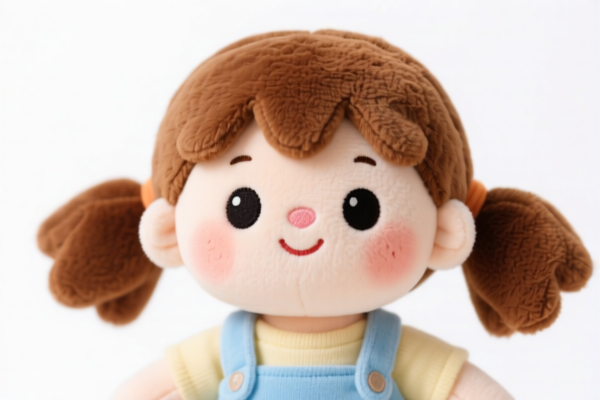
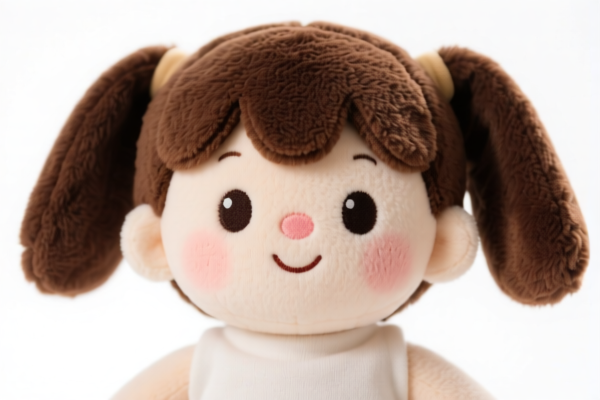
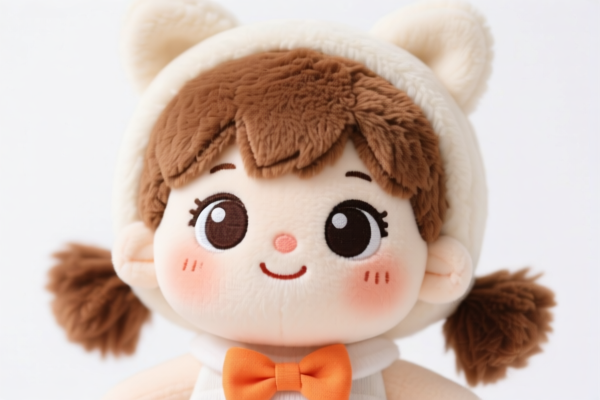
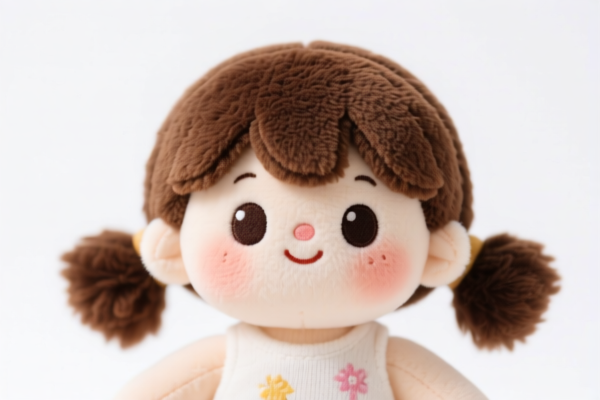
AI Analysis
🐹 Plush Guinea Pig Doll (毛绒豚鼠玩偶)
🌐 HS Code Reference & Customs Clearance Guide | 2026 Latest Tariff Analysis | Professional Clearance Strategy
📌 I. Product Definition & Classification: Are You Identifying the "Guinea Pig" Correctly?
A "Plush Guinea Pig Doll" is not a live animal, but a toy/doll designed for children or collectors. In international trade, it falls under Chapter 95 (Toys, Games, and Sports requisites). The key determinant is that it is an inanimate object shaped like an animal (Guinea Pig), made of plush/fabric with filling.
⚠️ Critical Distinction:
- If it is a live animal → HS Code 0106.19.00.00 (Other live animals) ❌ WRONG for this query.
- If it is a toy/doll made of plush/fabric → HS Code 9503.00.00.71 or 9503.00.00.73. ✅ CORRECT
📦 II. HS Code Classification Details (2026 Latest Tariff Authority Comparison)
Based on the provided data, two primary HS Codes are relevant for plush dolls, distinguished slightly by specific sub-category nuances in the US HTS (Harmonized Tariff Schedule):
| HS Code | Product Description | Material/Form | Why It Fits |
|---|---|---|---|
9503.00.00.71 |
Dolls, dressed, of textile materials | Plush (Textile/Fabric) | Primary Match: Specifically covers "dolls" (玩偶) with plush/textile material. No material conflict. |
9503.00.00.73 |
Dolls, other than dressed or of plastic | Other plush/textile dolls | Alternative Match: Also covers "dolls" where material is inferred as plush/fabric (textile filling). Commonly used for stuffed animals shaped like animals (e.g., Guinea Pig). |
3926.40.00.90 |
Other articles of plastics | Plastic/Synthetic Fiber | Less Likely/Secondary: Only if the plush material is strictly classified as "plastic/synthetic fiber" and considered a "decoration" rather than a toy. This is a fallback "other decorations" category. |
🔍 Key Takeaway:
- 9503.00.00.71 and 9503.00.00.73 are the most accurate for toys/dolls.
- 3926.40.00.90 is less favorable due to higher tax rates and misclassification risk (dolls are toys, not just plastic decorations).
💰 III. 2026 Latest Tariff Rate Breakdown (Including Additional Taxes)
✅ Applicable Country: United States (US)
✅ Origin: China (CN)
✅ Effective Date: 2025年11月10日起 (Since November 10, 2025)
🎯 1. 9503.00.00.71 & 9503.00.00.73 —— Plush Dolls (Toys)
These two codes share the same tax structure because they both fall under the same toy/doll category with plush materials.
| Item | Content |
|---|---|
| Base Duty Rate | 0.0% (ad valorem) |
| Section 301 Duty (25%) | 0.0% (No Section 301 duty for these specific doll sub-codes) |
| Section 122 Duty (China-specific) | +10.0% (IEEPA Section 122 tariff for Chinese goods) |
| Total Tax Rate | 10.0% |
| Tax Calculation | CIF Value × 10% |
| De Minimis Eligibility | ❌ No (Deny de minimis for Section 122 goods from China) |
| Legal Basis Path | IEEPA:9903.01.25 (Section 122) → USITC:9503.00.00.71/73 |
📌 Explanation:
- Base Rate 0%: Toys generally enjoy low base duties.
- No Section 301: Unlike many industrial goods, these plush doll codes are exempt from the 25% Section 301 tariff.
- Section 122 10%: A new/additional tariff applied specifically to certain Chinese goods. This is the main cost driver.
- Total 10%: This is significantly lower than the 25%+ rates for electronics or plastics.
🎯 2. 3926.40.00.90 —— Other Articles of Plastics (Decorations)
| Item | Content |
|---|---|
| Base Duty Rate | 5.3% |
| Section 301 Duty | 0.0% |
| Section 122 Duty | +10.0% |
| Total Tax Rate | 15.3% |
| Tax Calculation | CIF Value × 15.3% |
| De Minimis Eligibility | ❌ No |
| Legal Basis Path | IEEPA:9903.01.24 → USITC:3926.40.00.90 |
📌 Why Avoid This Code?
- Higher Cost: 15.3% vs. 10.0%.
- Misclassification Risk: Customs may reject this if the item is clearly a "doll/toy" (Chapter 95) rather than a "plastic article/decoration" (Chapter 39).
- Material Definition: Even if "plush" contains synthetic fibers, if it is stuffed and shaped as a doll, it belongs in Chapter 95.
🛠️ IV. Customs Clearance Practical Advice (Battle-Tested Pitfall Guide)
✅ 1. Document Checklist (Non-Negotiable)
| Document | Required | Note |
|---|---|---|
| ✅ Product Photos | ✔️ | Clear images of the plush doll, showing it is a toy/doll (not a live animal). |
| ✅ Commercial Invoice | ✔️ | Must clearly state: "Plush Guinea Pig Doll, Toy for Children, Not Live Animal". |
| ✅ Material Description | ✔️ | Specify: "Plush exterior, polyester filling" (supports Chapter 95 classification). |
| ✅ HS Code Declaration | ✔️ | Declare 9503.00.00.71 or 9503.00.00.73. Do not use 3926.40.00.90 unless absolutely necessary. |
| ✅ Origin Certificate | ✔️ | Confirm China origin to apply Section 122 duty correctly. |
✅ 2. Declaration Strategy (Key Mnemonics)
🔥 "Toy, Not Animal; Plush, Not Plastic; 9503 is King!"
| Scenario | Correct Declaration | Wrong Declaration | Consequence |
|---|---|---|---|
| Plush Guinea Pig Doll | 9503.00.00.71 or 73 |
3926.40.00.90 |
Overpay 5.3% + Risk of audit |
| Live Guinea Pig (rare) | 0106.19.00.00 |
9503.00.00.71 |
Illegal import (CITES/APHIS violation) |
| Plastic Guinea Pig Toy | 9503.00.00.75 (Plastic dolls) |
9503.00.00.71 (Textile) |
Minor discrepancy, but stick to actual material |
📌 Pro Tip:
- Always emphasize "TOY" or "DOLL" in the product description.
- Avoid words like "Plastic" unless the entire shell is hard plastic. For plush, use "Textile" or "Fabric".
✅ 3. Special Cases & Risk Management
| Situation | Handling Advice |
|---|---|
| Hybrid Materials (e.g., plush + plastic eyes) | Still classified as 9503 (Toys). The dominant material (plush) determines the code. |
| Large Plush Animals (>30cm) | Still 9503. Size does not change the toy classification. |
| Section 122 Duty Avoidance | ❌ Impossible for China-origin goods. Plan for 10% cost. |
| Misclassification Penalty | If customs reclassifies from 3926 to 9503, you may get a refund of the 5.3% difference, but avoid the hassle. |
🌍 V. Global Market Comparison (2026 Latest)
| Country/Region | Recommended HS Code | Total Duty Rate | Key Requirements |
|---|---|---|---|
| 🇺🇸 USA | 9503.00.00.71/73 |
10.0% | Section 122 Duty applies. No de minimis. |
| 🇨🇳 China | 9503.00.00.71 |
5%~10% (varies) | CCC certification for toys. |
| 🇪🇺 EU | 9503.00.00.00 |
4.9% | CE + EN71 Safety Standards. |
| 🇬🇧 UK | 9503.00.00.00 |
6.5% | UKCA Marking. |
| 🇨🇦 Canada | 9503.00.00.00 |
0% (FET) | No Section 122 equivalent. |
📌 Conclusion:
- USA is the most complex market due to Section 122 tariffs.
- 10% duty is manageable compared to 25%+ for other Chinese goods.
- Ensure accurate material description to avoid reclassification.
📌 VI. Common Mistakes & Pitfalls (Blood & Tears Lessons)
❌ Mistake 1: Using HS Code 0106.19 (Live Animals)
👉 Consequence: Shipment seized, fines, and potential legal action for illegal wildlife trade.
👉 Fix: Clearly label as "TOY" or "DOLL".
❌ Mistake 2: Using HS Code 3926.40.00.90 (Plastic Articles)
👉 Consequence: Higher tax (15.3%) and customs scrutiny on material classification.
👉 Fix: Use 9503.00.00.71/73 for plush toys.
❌ Mistake 3: Ignoring Section 122 Duty
👉 Consequence: Underpayment by 10% → Back taxes + penalties.
👉 Fix: Always include 10% Section 122 in cost calculations for China-origin plush dolls.
✅ Correct Practice:
"Plush Guinea Pig Doll, Toy, Textile Material, Polyester Filling, Model GP-101"
🎯 VII. Conclusion: Professional Declaration, Lower Costs!
🎯 Remember the Mnemonic:
🔹 "Toy, Not Animal; 9503 is Right; 10% Duty is Flat; Don't Use 3926, No Night!"
🔹 "Plush is Textile, Not Plastic; Save Money, Avoid the Hassle!"
📌 Pro Tip:
- If you are shipping small quantities (< $800), you might think De Minimis applies, but Section 122 goods are excluded.
- Plan for 10% duty in your pricing model.
- Use pre-ruling if unsure about material composition.
📣 Immediate Action:
📞 Contact your customs broker
📦 Provide clear photos of the plush doll
🚀 Declare 9503.00.00.71 or 9503.00.00.73 with 10% Section 122 duty
✨ Professional Customs Clearance Starts with Accurate Classification!
💼 Every Percent Counts in Your Profit Margin!
Customer Reviews
About HS Code Classification
The Harmonized System (HS) is an internationally standardized nomenclature developed by the World Customs Organization (WCO) to classify traded products. Over 200 countries use the HS system as the basis for customs tariffs, trade statistics, and import/export regulations.
Each HS code follows a hierarchical structure:
- Chapter (2 digits) — Broad category of goods (e.g., Chapter 84: Machinery and Mechanical Appliances)
- Heading (4 digits) — More specific grouping within the chapter
- Subheading (6 digits) — Internationally standardized breakdown, used by all WCO member countries
- National subdivisions (8-10 digits) — Country-specific extensions for further classification, such as US HTSUS 10-digit codes
Correct HS code classification is essential for smooth customs clearance, accurate duty payment, and compliance with trade regulations. Misclassification can lead to customs delays, overpayment of duties, or penalties.
When importing from CN to US, the applicable tariff rates may include:
- Most-Favored-Nation (MFN) rate — The standard duty rate applied to WTO members
- General rate — Applied to countries without trade agreements
- Trade remedy duties — Additional tariffs such as Section 301 (anti-dumping), Section 232 (national security), or countervailing duties
The information provided on this page is for reference purposes only. For official classification, please consult with your local customs authority or a licensed customs broker.