Plush Koala
CN → US| HS Code | Tariff Rate | Origin | Destination | Doc |
|---|---|---|---|---|
| 9503000071 | 10.0% | CN | US | Official Doc |
| 3926400090 | 15.3% | CN | US | Official Doc |
| 4304000000 | 41.5% | CN | US | Official Doc |
| 9503000073 | 10.0% | CN | US | Official Doc |
Product Images
AI Analysis
🧸 Plush Koala (毛绒考拉) | Complete HS Code Guide & Customs Strategy
🌐 HS Code Reference & Clearance Guide | 2026 Tax Analysis | Strategic Classification for Plush Toys
📌 I. Product Definition & Classification: What is a "Plush Koala"?
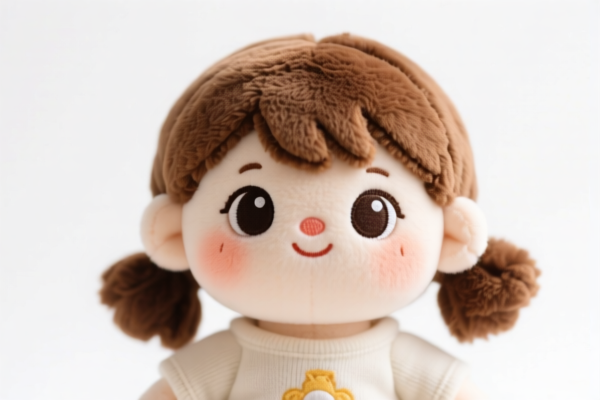
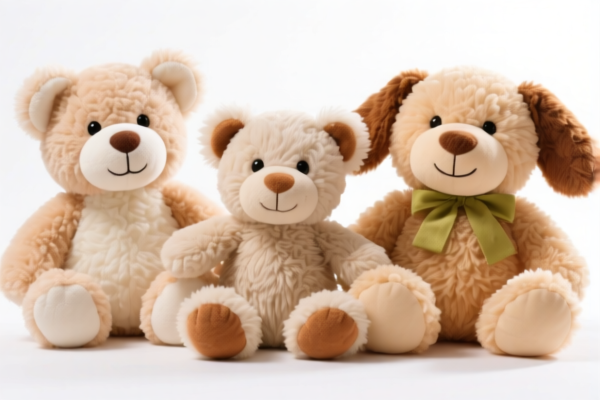
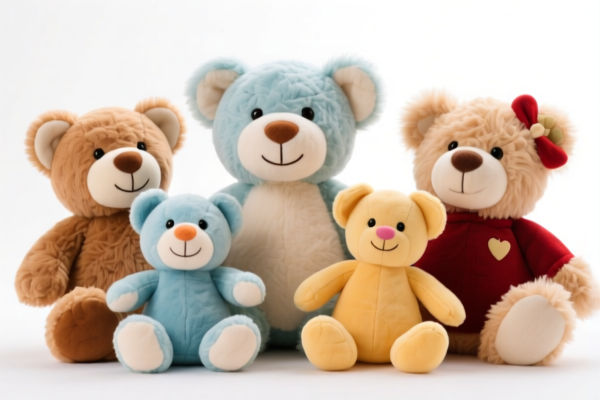
The "Plush Koala" is a ubiquitous soft toy characterized by its fluffy, synthetic fur exterior, often featuring stuffed cotton or synthetic filling, a stylized koala animal shape, and sometimes accessories like ears, eyes, or limbs.
In international trade, this item falls primarily under Toys or Textile/Leather Articles, depending on the exact material composition (e.g., 100% synthetic fur vs. plastic/fiber blend) and manufacturing intent (play vs. decoration).
⚠️ Key Distinction: * Toys: If the primary purpose is for children's play → HS 9503 (Toys). * Decorative/Other: If made of plastic/fibers primarily for decoration → HS 3926 (Plastic articles). * Fur制品: If made of "artificial fur" (人造毛皮) classified strictly as fur articles → HS 4304.
📦 II. HS Code Classification Breakdown (2026 Tax Rules)
The following analysis strictly adheres to the provided data for the "Plush Koala".
| HS Code | Product Description & Logic | Tax Logic Summary |
|---|---|---|
9503.00.00.71 |
Plush Koala as a Toy Classified under "Dolls, other toys". The material (plush/fabric) and shape (koala) clearly define it as a plaything. |
Total Tax: 10.0% • Base: 0.0% • Section 301: 0.0% • Section 122: 10% |
3926.40.00.90 |
Plastic/Fiber Decorative Item Inferred material is plastic/fiber. Shape is decorative/doll-like. Classified under "Other decorations". |
Total Tax: 15.3% • Base: 5.3% • Section 301: 0.0% • Section 122: 10% |
4304.00.00.00 |
Artificial Fur & Articles Material matches "Artificial Fur". Koala form is considered a fur article. High sensitivity to trade wars. |
Total Tax: 41.5% • Base: 6.5% • Section 301: 25.0% • Section 122: 10% |
9503.00.00.73 |
Plush Toy (Alternative Code) Explicitly cites "Plush" material attribute and "Koala" as a doll. Fits the "Toys" category perfectly. |
Total Tax: 10.0% • Base: 0.0% • Section 301: 0.0% • Section 122: 10% |
🔍 Critical Insight: *
9503.00.00.71and9503.00.00.73are the LOWEST TAX options (10%) and are the most logical classifications for a standard Plush Koala Toy. *4304.00.00.00is the HIGHEST TAX option (41.5%) due to the heavy 25% Section 301 tariff. It should only be used if the item is strictly defined as "Artificial Fur Articles" rather than "Toys". *3926.40.00.90is a middle ground (15.3%) for items that might be semi-plastic or decorative.
💰 III. Detailed Tax Rate Breakdown (US Imports from China)
✅ Applicable Country: United States (US)
✅ Origin: China (CN)
✅ Effective Timeline: 2026 (Based on current data)
🎯 1. Toy Classification (9503.00.00.71 & 9503.00.00.73)
The most common and cost-effective classification for standard plush toys.
| Item | Details |
|---|---|
| Total Tariff | 10.0% |
| Base Duty | 0.0% (Duty-Free for Toys under GSP/WTO) |
| Section 301 (Added) | 0.0% (Toys are often exempt from the heavy Section 301 tariffs) |
| Section 122 (China-specific) | 10.0% |
| Calculation | CIF Value × 10% |
| De Minimis Exemption | ❌ Not Applicable (Items over $800 are subject to duty; below $800 often exempt via 321, but this data implies formal entry) |
| Legal Path | HTSUS:9503.00.00.71 + Section 122: 10% |
📌 Why 10%? The Section 122 tariff (10%) is applied to a broad range of Chinese consumer goods. However, because this is a Toy (
9503), it escapes the massive 25% Section 301 surcharge that applies to many textiles and electronics.
🎯 2. Plastic/Fiber Decoration (3926.40.00.90)
Used if the toy is considered "decorative" rather than a "toy" or has significant plastic components.
| Item | Details |
|---|---|
| Total Tariff | 15.3% |
| Base Duty | 5.3% |
| Section 301 (Added) | 0.0% |
| Section 122 (China-specific) | 10.0% |
| Calculation | CIF Value × 15.3% |
| Legal Path | HTSUS:3926.40.00.90 + Section 122: 10% |
📌 Why 15.3%? Unlike toys, "Plastic Articles" often attract a Base Duty (5.3%). While they still avoid Section 301, the base rate makes them slightly more expensive than the
9503classification.
🎯 3. Artificial Fur Articles (4304.00.00.00)
⚠️ DANGER ZONE: The most expensive classification.
| Item | Details |
|---|---|
| Total Tariff | 41.5% |
| Base Duty | 6.5% |
| Section 301 (Added) | 25.0% (Heavy Penalty) |
| Section 122 (China-specific) | 10.0% |
| Calculation | CIF Value × 41.5% |
| Legal Path | HTSUS:4304.00.00.00 + Section 301: 25% + Section 122: 10% |
📌 Why 41.5%? Section 301 (25%) is triggered here. The U.S. treats "Artificial Fur Articles" (
4304) differently than "Toys" (9503). If the product is misclassified as a "Fur Article" instead of a "Toy," you will pay an additional 25% on top of the base and Section 122 taxes. This can nearly quadruple your cost compared to the toy classification.
🛠️ IV. Customs Clearance Strategy & Practical Advice
✅ 1. Strategic Classification Recommendation
| Strategy | Action | Reason |
|---|---|---|
| Best Case | Classify as 9503.00.00.71 or 9503.00.00.73 |
Lowest Tax (10%). These codes explicitly recognize the item as a Toy. |
| Avoid | Classify as 4304.00.00.00 |
Highest Tax (41.5%). Only use if the product is not a toy (e.g., fur fabric swatches, non-play fur coats). |
| Alternative | Classify as 3926.40.00.90 |
Only if the product is explicitly "Decorative" and not intended for play (e.g., keychain for display only). |
🔥 Golden Rule: Never declare a child's toy as "Fur Articles" (
4304). The 25% Section 301 tariff is devastating. Always emphasize the "Toy" function in your documentation.
✅ 2. Essential Documentation Checklist
| Document | Purpose | Critical Detail |
|---|---|---|
| Product Description | Clear Identification | Must state "Plush Toy", "Stuffed Koala", "For Children's Play". |
| Material Composition | Classification Proof | Specify "100% Synthetic Fiber/Polyester", "Cotton Filling". Avoid "Fur" unless it's strictly artificial fur for toys. |
| Product Photos | Visual Proof | Show the item being held by a child or in a playful context (not as a fashion accessory). |
| Safety Standards | Compliance | CPC (Children's Product Certificate), ASTM F963 compliance is mandatory for entry. |
| Commercial Invoice | Value Declaration | Clearly state HS Code 9503.00.00.71 or 73 to match the 10% rate. |
✅ 3. Common Pitfalls & How to Avoid Them
❌ Pitfall 1: "Fur" Confusion
* Error: Labeling the product as "Artificial Fur Product" instead of "Plush Toy".
* Result: Customs may reclassify to 4304.00.00.00 → 41.5% Tax.
* Fix: Use the word "Plush" and "Toy" in the title.
❌ Pitfall 2: Section 301 Blindspot
* Error: Assuming all toys are exempt from Section 301.
* Result: Most toys are, but if the HS code is wrong (e.g., 4304), you get hit with 25%.
* Fix: Verify HS Code against the U.S. Trade Representative (USTR) list for Section 301 exclusions.
❌ Pitfall 3: Missing Safety Certification * Error: Submitting a "Plush Koala" without a CPC Certificate. * Result: Shipment held or rejected by CPSC (Consumer Product Safety Commission). * Fix: Ensure the product meets ASTM F963 standards before shipping.
🌍 V. Global Market Context (2026)
| Market | Recommended HS Code | Effective Tax Rate (China) | Key Requirement |
|---|---|---|---|
| 🇺🇸 USA | 9503.00.00.71/73 |
10% | CPC Certificate, Avoid 4304. |
| 🇪🇺 EU | 9503.00 |
~0% (VAT + Duty) | CE Marking, EN71 Safety. |
| 🇨🇳 China | 9503.00 |
~0% | CCC (if applicable). |
| 🇬🇧 UK | 9503.00 |
~0% | UKCA Marking. |
📌 Conclusion: The U.S. market is the most critical for this product due to the Section 122 (10%) and Section 301 (25%) dynamics. Proper classification (
9503) is the difference between a 10% tax and a 41.5% tax.
📌 VI. Final Action Plan
- Declare as Toy: Use
9503.00.00.71or9503.00.00.73. - Avoid
4304: Do not use the "Fur" code unless absolutely necessary. - Verify Safety: Ensure CPC and ASTM compliance.
- Calculate Cost: Budget for 10% tariff on CIF value for US imports.
🚀 Pro Tip: If your supplier can provide a Material Safety Data Sheet (MSDS) and a Declaration of Conformity for toys, your clearance will be smooth and tax-optimized!
📣 Disclaimer: This guide is based on the provided data and general trade rules. Tariff rates and HS Codes are subject to change. Always consult a licensed customs broker or legal expert for final classification.
✨ Clearance Success Starts with the Right Code!
💰 Save 31.5% Tax by Choosing 9503 over 4304!
Customer Reviews
About HS Code Classification
The Harmonized System (HS) is an internationally standardized nomenclature developed by the World Customs Organization (WCO) to classify traded products. Over 200 countries use the HS system as the basis for customs tariffs, trade statistics, and import/export regulations.
Each HS code follows a hierarchical structure:
- Chapter (2 digits) — Broad category of goods (e.g., Chapter 84: Machinery and Mechanical Appliances)
- Heading (4 digits) — More specific grouping within the chapter
- Subheading (6 digits) — Internationally standardized breakdown, used by all WCO member countries
- National subdivisions (8-10 digits) — Country-specific extensions for further classification, such as US HTSUS 10-digit codes
Correct HS code classification is essential for smooth customs clearance, accurate duty payment, and compliance with trade regulations. Misclassification can lead to customs delays, overpayment of duties, or penalties.
When importing from CN to US, the applicable tariff rates may include:
- Most-Favored-Nation (MFN) rate — The standard duty rate applied to WTO members
- General rate — Applied to countries without trade agreements
- Trade remedy duties — Additional tariffs such as Section 301 (anti-dumping), Section 232 (national security), or countervailing duties
The information provided on this page is for reference purposes only. For official classification, please consult with your local customs authority or a licensed customs broker.