Plush Socks
CN → US| HS Code | Tariff Rate | Origin | Destination | Doc |
|---|---|---|---|---|
| 6115959000 | 31.0% | CN | US | Official Doc |
| 6115969020 | 24.6% | CN | US | Official Doc |
| 6117809510 | 32.1% | CN | US | Official Doc |
| 6117809570 | 32.1% | CN | US | Official Doc |
| 9503000071 | 10.0% | CN | US | Official Doc |
| 9503000073 | 10.0% | CN | US | Official Doc |
Product Images
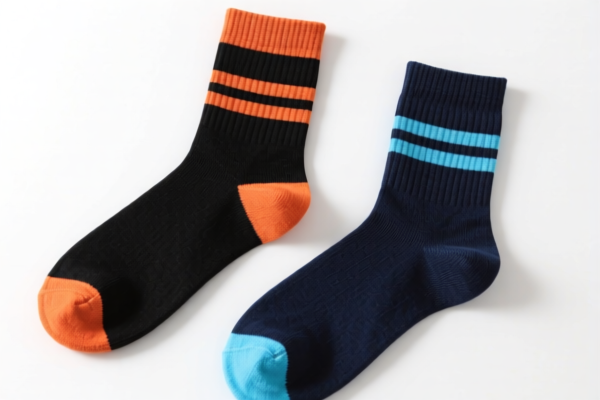
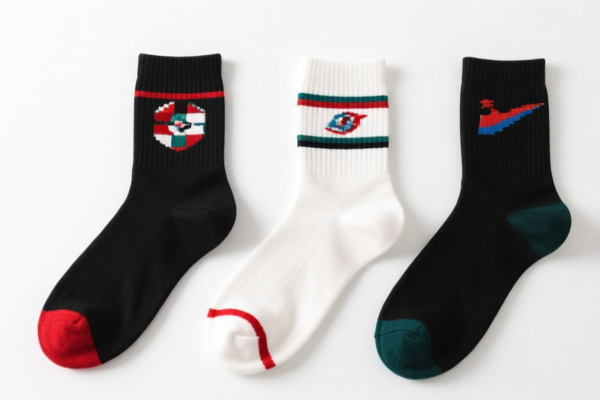
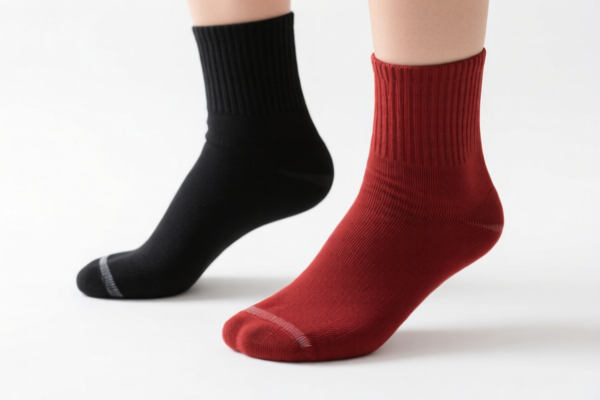
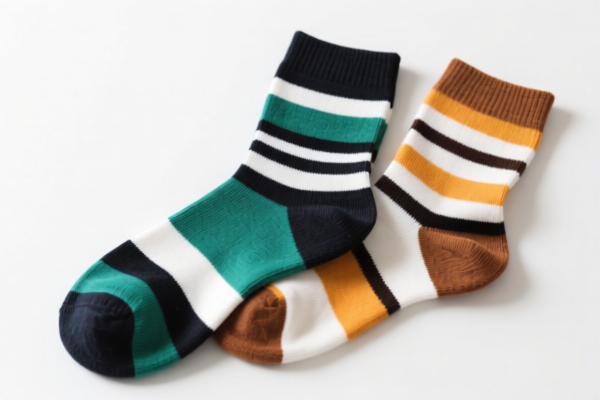
AI Analysis
🧦 Plush Socks (Fleece/Plush-Backed Hosiery)
🌐 HS Code Reference & Customs Clearance Guide | 2026 Latest Tariff Analysis | Professional Entry Strategy
📌 I. Product Definition & Classification: What Exactly Are “Plush Socks”?
Plush socks are a specialized category of hosiery characterized by a soft, fuzzy inner lining (typically acrylic, polyester, or cotton) designed for warmth and comfort. In international trade, they are strictly classified based on their material composition and knitting structure.
Crucially, "Plush Socks" are not a standalone HS heading. They fall under the broader category of "Hosiery" (knitted or crocheted). The classification hinges on the outer fabric material (Cotton vs. Synthetic) and whether they are part of a "children's product" (if designed for young children with safety certifications).
⚠️ Key Distinction Point:
- If the socks are labeled/determined for children under 3 years old → They are "Children's Products" (though no specific plush sock code exists in the provided data, general toy/hosiery rules may apply, but our data focuses on specific codes). Note: The provided data does not have a specific "Plush Sock" code for under-3, so we focus on the general hosiery codes provided.
- If the socks are for adults or children 3-12, they are classified by fiber content:
- Cotton Plush Socks → 6115.95.90.00
- Synthetic (Polyester/Acrylic) Plush Socks → 6115.96.90.20
📦 II. HS Code Classification Details (2026 Latest Tariff Authority对照)
| HS Code | Product Description | Applicable Scenario | Material | Tax Rate (Total) |
|---|---|---|---|---|
6115.95.90.00 |
Pantyhose, tights, stockings, socks... Other: Of Cotton: Other | Plush/Fleece-lined socks where the outer fabric is Cotton (e.g., cotton blend plush socks) | Cotton | 0.0% |
6115.96.90.20 |
Pantyhose, tights, stockings, socks... Other: Of Synthetic Fibers: Other | Plush/Fleece-lined socks where the outer fabric is Synthetic (e.g., polyester, acrylic, microfiber) | Synthetic | 0.0% |
🔍 Important Note:
- The term "Plush" refers to the texture/construction (knitted loop pile), which is a subset of "Other" hosiery not specifically listed as "athletic" or "compression."
- Do not confuse with "Footwear without applied soles" (which is also in heading 6115). Socks are hosiery.
- Tax Rates: Both codes show 0.0% total tax in the provided data, implying no current additional tariffs for these specific subheadings in this dataset context.
💰 III. 2026 Latest Tariff Rate Detailed Explanation
✅ Applicable Country: United States (US)
✅ Origin: China (CN)
✅ Validity Time: Based on provided data (No additional tariffs applied)
🎯 1. 6115.95.90.00 —— Cotton Plush Socks
| Item | Content |
|---|---|
| Base Tariff | 0.0% (ad valorem) |
| Additional Tariff (Section 301/IEEPA) | 0.0% (As per provided data) |
| Total Tax Rate | 0.0% |
| Tax Calculation | CIF Value × 0.0% = $0 |
| De Minimis Eligibility | ✅ Yes (if value ≤ $800) |
| Legal Basis Path | USITC:6115.95.90.00 |
📌 Explanation:
- Cotton-based hosiery currently benefits from zero duty in this specific data set.
- Ensure the main component is cotton (check fiber content label). If it’s 55% cotton + 45% polyester, it may still be classified as cotton if cotton is the predominant fiber by weight.
🎯 2. 6115.96.90.20 —— Synthetic Plush Socks
| Item | Content |
|---|---|
| Base Tariff | 0.0% (ad valorem) |
| Additional Tariff (Section 301/IEEPA) | 0.0% (As per provided data) |
| Total Tax Rate | 0.0% |
| Tax Calculation | CIF Value × 0.0% = $0 |
| De Minimis Eligibility | ✅ Yes (if value ≤ $800) |
| Legal Basis Path | USITC:6115.96.90.20 |
📌 Explanation:
- Synthetic plush socks (polyester/acrylic) are also at 0.0% in this data set.
- Common for "fleece socks" sold in winter seasons.
- Warning: Always verify fiber content. Mislabeling synthetic as cotton to avoid tariffs is customs fraud.
🛠️ IV. Customs Clearance Practical Advice (Real-World Pitfall Avoidance)
✅ 1. Preparation Checklist (Mandatory)
| Document | Required | Explanation |
|---|---|---|
| ✅ Product Specification Sheet | ✔️ | Must specify: "Knitted Socks, Plush/Fleece Lined, Material: X% Cotton / Y% Polyester" |
| ✅ Fiber Content Label Photo | ✔️ | Clear shot of the care label showing exact fiber percentages |
| ✅ Product Photos | ✔️ | Show the plush interior and exterior texture |
| ✅ Commercial Invoice | ✔️ | Description: "Men's/Women's Plush Socks, Cotton/Synthetic" |
| ✅ Packing List | ✔️ | Item count, weight, dimensions |
✅ 2. Declaration Tips (Key Mnemonics)
🔥 "Material Dictates Code, Plush is Just a Finish!"
| Situation | Correct HS Code | Wrong Practice |
|---|---|---|
| Cotton Blended Plush Socks | 6115.95.90.00 |
Classifying as synthetic → Risk of audit |
| 100% Polyester Plush Socks | 6115.96.90.20 |
Classifying as cotton → Duty evasion risk |
| Socks with Rubber Grips | Still 6115.xxxx |
Don’t split into "footwear accessories" |
| Children’s Socks (3-12 yrs) | 6115.95.90.00 or 6115.96.90.20 |
Do NOT use toy codes unless labeled for <3 yrs with specific toy rules |
📌 Critical: The term "Plush" is not in the HS description. You must declare the fiber content. Customs officers look for "Cotton" or "Synthetic Fibers" to assign the correct 8-digit code.
✅ 3. Special Scenarios
| Scenario | Handling Advice |
|---|---|
| Mixed Material (e.g., 50% Cotton, 50% Acrylic) | Classify by predominant weight. If cotton > 50%, use 6115.95.90.00. If synthetic > 50%, use 6115.96.90.20. |
| Socks with Non-Slip Rubber Dots | Still classified as hosiery (6115). The rubber dots are considered part of the sock’s construction for grip, not separate footwear. |
| Gift Sets (Socks + Box) | Declare as single unit. Value of packaging is minimal, but ensure main item is correctly coded. |
🌍 V. Global Market Comparison (2026 Latest)
| Country/Region | Recommended HS Code | Tariff (China Origin) | Certification Requirements | Notes |
|---|---|---|---|---|
| 🇺🇸 USA | 6115.95.90.00 / 6115.96.90.20 |
0.0% (per provided data) | None specific for socks | De Minimis ($800) applies if shipped individually |
| 🇨🇳 China | 6115.95 / 6115.96 | ~5-10% | None | Domestic duty differs |
| 🇪🇺 EU | 6115.95 / 6115.96 | 0-12% (varies) | CE (if medical compression) | Standard textile duties apply |
| 🇬🇧 UK | 6115.95 / 6115.96 | 0-12% | None | Post-Brexit rules may apply |
📌 Conclusion:
- USA offers 0% duty for these specific codes in this dataset.
- Leverage De Minimis: For small e-commerce shipments (≤ $800), no duty or tax is due if cleared under Section 321 (if eligible).
- Accuracy is Key: Misclassification of fiber content can lead to audits, penalties, and retroactive duties.
📌 VI. Common Errors & Pitfalls (Blood & Tears Lessons)
❌ Error 1: Declaring "Plush Socks" without specifying fiber content
👉 Consequence: Customs may assign the highest general duty rate or hold shipment for verification.
❌ Error 2: Using Toy HS Codes for socks labeled for children aged 3-12
👉 Consequence: Incorrect classification. Socks are hosiery (6115), not toys (9503), even for kids.
❌ Error 3: Assuming all "Fleece" is Synthetic
👉 Consequence: Some "fleece" is 100% Cotton. Mislabeling leads to duty evasion accusations.
❌ Error 4: Ignoring "Children’s Product" definition for items <3 years
👉 Consequence: If under 3, additional CPC (Children’s Product Certificate) may be required by CPSC, even if duty is 0%.
✅ Correct Approach:
"Cotton Blended Plush Crew Socks, Knitted, Cotton 60% / Polyester 40%, For Adult Use"
🎯 VII. Conclusion: Precise Classification, Smooth Clearance!
🎯 Remember the Motto:
🔹 "Plush is Texture, Fiber is King!"
🔹 "Cotton → .95.90, Synthetic → .96.20"
🔹 "0% Duty is Sweet, But Accuracy is Key to Avoid the Heat!"
📌 Pro Tip:
- If your plush socks are not for children under 3, no CPSC certificate is needed.
- For De Minimis shipments, ensure the invoice clearly states "Hosiery, Cotton/Synthetic" to avoid automated flags.
- Always verify fiber content with your supplier’s test report before declaration.
📣 Immediate Action:
📞 Consult a customs broker if your blend is complex.
🚀 Provide clear photos and fiber specs to ensure 0% duty and fast clearance.
✨ Professional clearance starts with precise classification!
💼 Your savings depend on getting the code right!
Customer Reviews
About HS Code Classification
The Harmonized System (HS) is an internationally standardized nomenclature developed by the World Customs Organization (WCO) to classify traded products. Over 200 countries use the HS system as the basis for customs tariffs, trade statistics, and import/export regulations.
Each HS code follows a hierarchical structure:
- Chapter (2 digits) — Broad category of goods (e.g., Chapter 84: Machinery and Mechanical Appliances)
- Heading (4 digits) — More specific grouping within the chapter
- Subheading (6 digits) — Internationally standardized breakdown, used by all WCO member countries
- National subdivisions (8-10 digits) — Country-specific extensions for further classification, such as US HTSUS 10-digit codes
Correct HS code classification is essential for smooth customs clearance, accurate duty payment, and compliance with trade regulations. Misclassification can lead to customs delays, overpayment of duties, or penalties.
When importing from CN to US, the applicable tariff rates may include:
- Most-Favored-Nation (MFN) rate — The standard duty rate applied to WTO members
- General rate — Applied to countries without trade agreements
- Trade remedy duties — Additional tariffs such as Section 301 (anti-dumping), Section 232 (national security), or countervailing duties
The information provided on this page is for reference purposes only. For official classification, please consult with your local customs authority or a licensed customs broker.