Plush Toy Dog
CN → US| HS Code | Tariff Rate | Origin | Destination | Doc |
|---|---|---|---|---|
| 9503000073 | 10.0% | CN | US | Official Doc |
| 9503000071 | 10.0% | CN | US | Official Doc |
| 6307907500 | 14.3% | CN | US | Official Doc |
| 6307909891 | 24.5% | CN | US | Official Doc |
| 3926909989 | 22.8% | CN | US | Official Doc |
Product Images
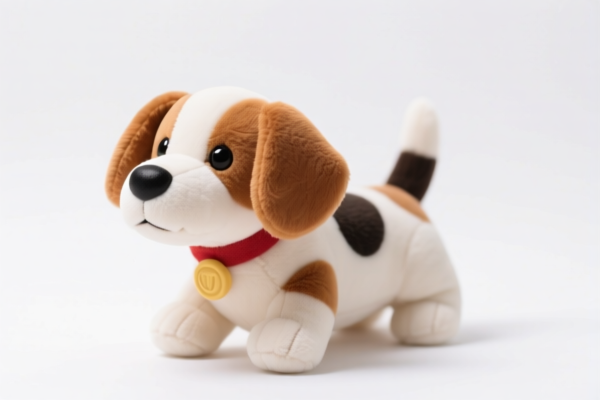
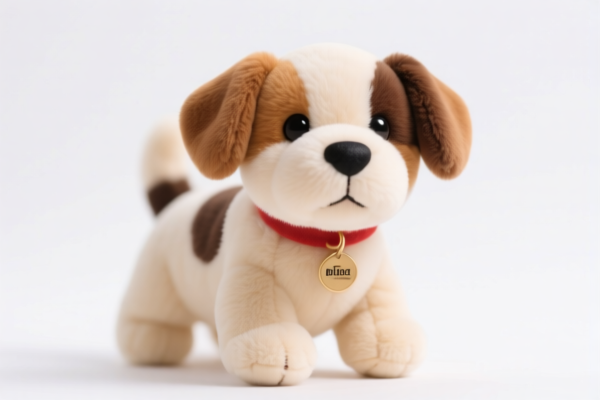
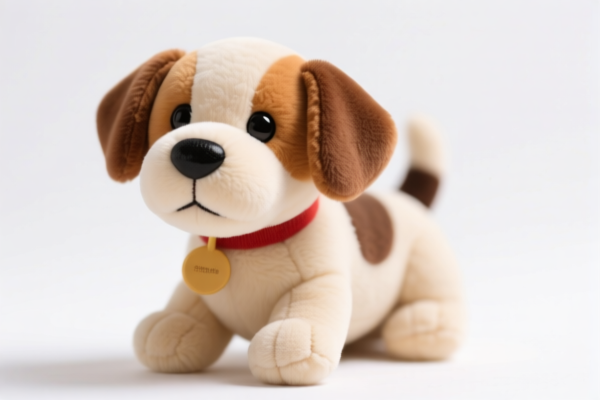
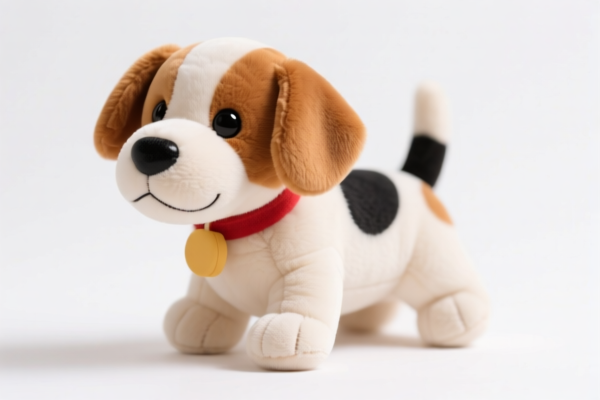
AI Analysis
🐶 Plush Toy Dog (Stuffed Animal Canines)
🌐 HS Code Reference & Clearance Guide | 2026 Latest Tariff Analysis | Professional Import Strategy for US Market
📌 Part I: Product Definition & Classification: What Exactly is a "Plush Toy Dog"?
A Plush Toy Dog is a stuffed article of animal form, typically filled with soft material (polyester fiber, foam, etc.), and covered with textile fabric (plush, fur, or woven fabric). In international trade, its classification depends heavily on material composition and intended use (pet vs. human child).
Key Classification Divergence: 1. As a Children's/Human Toy: If intended for play by children, it generally falls under Chapter 95 (Toys). 2. As a Pet Accessory: If intended for dogs to chew/play with, it may fall under Chapter 63 (Other Made Up Textile Articles) or Chapter 39 (Plastic Articles).
⚠️ Critical Distinction:
- If the product is marketed as a "Child's Toy" or "Collectible Stuffed Animal" → HS Code 9503 (Lower Duty Base).
- If the product is explicitly marketed as a "Dog Chew Toy" or "Pet Supply" → HS Code 6307 or 3926 (Higher Duty Base).
- Misclassification Risk: Declaring a Pet Toy as a Human Toy to save duties can lead to severe penalties, seizure, and audits.
📦 Part II: HS Code Classification Details (2026 Latest Tariff Reference)
Based on the provided data, here are the 5 potential HS Code classifications for a "Plush Toy Dog," ranked by cost efficiency and logical fit.
| HS Code | Product Description & Logic | Tax Rate (Total) | Key Tax Components |
|---|---|---|---|
| 9503.00.00.73 | Toy Dog (General Toy Category) Inferred Material: Plush/Plastic. Classified as a standard toy. This is often the most favorable code if marketed as a general toy. |
10.0% | Base: 0% Section 301: 0% Section 122: 10% |
| 9503.00.00.71 | Toy Dog (Other Toys) Fits "Dolls, Other Toys" description. No material conflict. Best for generic plush dogs without specific pet features. |
10.0% | Base: 0% Section 301: 0% Section 122: 10% |
| 6307.90.75.00 | Plush Toy (Textile Material) Made of textile materials. Classified as a "Pet Toy or General Toy End Product." Higher base duty due to textile nature. |
14.3% | Base: 4.3% Section 301: 0% Section 122: 10% |
| 3926.90.99.89 | Plastic/Rubber Pet Dog Toy Inferred Material: Plastic/Rubber. Classified under "Other Articles of Plastics." High base duty + Section 301. |
22.8% | Base: 5.3% Section 301: 7.5% Section 122: 10% |
| 6307.90.98.91 | Other Made Up Textile Articles Material: Fiber/Plush. Classified as a "General Textile Make-up." Highest base duty and Section 301 surcharge. |
24.5% | Base: 7.0% Section 301: 7.5% Section 122: 10% |
🔍 Analysis Insight:
- Codes 9503.71/73 are the most cost-effective (10% total), assuming the item can be legally classified as a "Toy" rather than a "Pet Accessory."
- Code 6307.90.75.00 is the middle ground for plush items (14.3%).
- Codes 6307.98.91 and 3926.99.89 carry the highest costs (22.8%–24.5%) due to higher base tariffs and Section 301 surcharges.
💰 Part III: 2026 Tariff Rate Breakdown (Including Additional Duties)
✅ Applicable Country: United States (US)
✅ Origin: China (CN) (Implied by Section 122 reference)
✅ Effective Date: Current 2026 Schedule
🎯 Scenario A: Classification as "Toy" (HS Code 9503)
Best for: General plush dogs, collectibles, or items marketed for children's play.
| Item | Detail |
|---|---|
| Total Duty Rate | 10.0% |
| Base MFN Duty | 0.0% (Free for many toys) |
| Section 301 Tariff | 0.0% (Exempt for specific toy sub-headings or not applicable) |
| Section 122 Tariff | 10.0% (Specific surcharge applied) |
| Calculation Example | On a $1,000 CIF shipment → $100 Tax |
| De Minimis Eligibility | ⚠️ Check Specifics: Section 122 often removes de minimis benefits for Chinese goods; ensure compliance. |
🎯 Scenario B: Classification as "Textile Pet Toy" (HS Code 6307.90.75.00)
Best for: Plush dogs explicitly labeled for dogs, made of fabric.
| Item | Detail |
|---|---|
| Total Duty Rate | 14.3% |
| Base MFN Duty | 4.3% |
| Section 301 Tariff | 0.0% |
| Section 122 Tariff | 10.0% |
| Calculation Example | On a $1,000 CIF shipment → $143 Tax |
| Risk Note | Customs may scrutinize "pet toy" vs. "child toy" labeling. |
🎯 Scenario C: Classification as "Plastic/Other Pet Toy" (HS Code 3926 or 6307.98)
Best for: Plastic rubber dogs or general textile articles not fitting toy definitions.
| Item | Detail |
|---|---|
| Total Duty Rate | 22.8% - 24.5% |
| Base MFN Duty | 5.3% - 7.0% |
| Section 301 Tariff | 7.5% |
| Section 122 Tariff | 10.0% |
| Calculation Example | On a $1,000 CIF shipment → $228 - $245 Tax |
| Verdict | High Cost. Only use if the product physically cannot be classified as a toy (e.g., heavy-duty industrial chew toy). |
🛠️ Part IV: Customs Clearance Practical Advice
✅ 1. Documentation Checklist (Mandatory)
| Document | Requirement | Notes |
|---|---|---|
| Commercial Invoice | ✔️ | Must clearly state: "Plush Toy Dog, Stuffed Animal, for Play." Avoid ambiguous terms like "Pet Accessory" if using 9503 codes. |
| Product Photos | ✔️ | Show the entire item, including tags/labels. Labels should match the declared use (e.g., "Toy for Children" vs. "For Dogs"). |
| Material Declaration | ✔️ | Specify filling (polyester fiber) and fabric (polyester plush). Critical for distinguishing between 9503 and 6307. |
| Intended Use Statement | ✔️ | If claiming 9503, provide marketing materials showing it is sold in toy aisles, not pet stores. |
| FCC/CPSC Certifications | ✔️ | If marketed as a child toy, ASTM F963 compliance and CPSIA testing are required. |
✅ 2. Declaration Strategy (Key Tips)
🔥 "Match Label to HS Code: Toy vs. Pet Matters!"
| Scenario | Recommended HS Code | Reasoning |
|---|---|---|
| Sold in Toy Stores, marked "Ages 3+" | 9503.00.00.71/73 | Lowest tax (10%). Must comply with toy safety standards. |
| Sold in Pet Stores, marked "For Dogs" | 6307.90.75.00 | Higher tax (14.3%). Classified as textile pet product. |
| Mixed Packaging (Toy + Pet Toy) | Split Declaration | Declare separately. Do not mix codes in one line item if uses differ. |
| Plastic/Rubber Chew Toy | 3926.90.99.89 | Highest tax (22.8%). Only if not plush. |
✅ 3. Special Circumstances
| Situation | Advice |
|---|---|
| De Minimis (Section 321) | ⚠️ Caution: Section 122 tariffs often apply even to de minimis shipments from China. Verify current CBP enforcement on Section 122 for packages <$800. |
| Labeling Errors | If a "Pet Toy" is labeled "Toy for Kids," CBP may reclassify it to 9503, but you must prove it is safe for children (ASTM F963). If it fails safety tests, it will be rejected. |
| Origin Marking | Ensure "Made in China" is permanently attached. Mislabeling origin leads to fraud penalties. |
🌍 Part V: Global Clearance Comparison (2026 Snapshot)
| Market | Recommended HS Code | Est. Total Duty | Key Requirement |
|---|---|---|---|
| 🇺🇸 USA | 9503.00.00.71/73 | 10.0% | Section 122 applies. Toy Safety (CPSIA) required for 9503. |
| 🇺🇸 USA | If Pet Toy | 14.3% - 24.5% | Higher duty, no child safety certs needed, but higher tax. |
| 🇪🇺 EU | 9503.00.10 | 0% + VAT | CE Marking + EN71 Safety Standard. |
| 🇨🇳 China | 9503.00.90 | 5% - 9% | CCC Certification (if applicable). |
📌 Conclusion for US Imports:
The 10% rate (HS 9503) is significantly better than the 14-24% rates. However, you must ensure the product is compliant with toy safety standards (ASTM F963, CPSIA) if you use this code. If it is a pet-specific item that cannot pass child safety tests, you must accept the higher duty under HS 6307.
📌 Part VI: Common Errors & Pitfalls (Lessons Learned)
❌ Error 1: Declaring a "Pet Chew Toy" as a "Child's Toy" to save tax.
👉 Consequence: Customs audit, seizure if safety certs are missing, back-tariffs + penalties.
❌ Error 2: Ignoring Section 122 Tariff (10%).
👉 Consequence: Underpayment of duties. Even if Base/301 are 0%, the 10% Section 122 must be paid.
❌ Error 3: Using "Plush Dog" without specifying "Toy" vs. "Pet Accessory."
👉 Consequence: CBP officer discretion → May assign highest code (6307.98.91 at 24.5%) if description is vague.
✅ Correct Declaration Example:
"Plush Stuffed Toy Dog, Polyester Fabric, Polyester Fiber Fill, For Children's Play, ASTM F963 Compliant, HS 9503.00.00.73"
🎯 Part VII: Conclusion: Smart Classification Saves Money!
🎯 Key Takeaway:
🔹 "Toy Code = 10% | Pet Code = 14-24%"
🔹 But Safety is Price: You can only use the 10% Toy Code if the product meets Child Safety Standards.
🔹 Section 122 is Real: Always budget for the additional 10% surcharge on Chinese goods.
📌 Pro Tip:
If your plush dog is not safe for children (e.g., small detachable eyes, toxic glue), do not use HS 9503. Use HS 6307.90.75.00 (14.3%) to remain compliant and avoid seizures.
📣 Immediate Action:
1. Review your product's safety features.
2. If it passes child safety tests → Use 9503.00.00.71/73.
3. If it is a heavy-duty pet chew toy → Use 6307.90.75.00 or 3926.90.99.89.
4. Always include ASTM F963 or Pet Safety Certifications in your file.
✨ Professional Clearance, Precise Classification!
💼 Every Percent of Duty Saved is Pure Profit!
Customer Reviews
About HS Code Classification
The Harmonized System (HS) is an internationally standardized nomenclature developed by the World Customs Organization (WCO) to classify traded products. Over 200 countries use the HS system as the basis for customs tariffs, trade statistics, and import/export regulations.
Each HS code follows a hierarchical structure:
- Chapter (2 digits) — Broad category of goods (e.g., Chapter 84: Machinery and Mechanical Appliances)
- Heading (4 digits) — More specific grouping within the chapter
- Subheading (6 digits) — Internationally standardized breakdown, used by all WCO member countries
- National subdivisions (8-10 digits) — Country-specific extensions for further classification, such as US HTSUS 10-digit codes
Correct HS code classification is essential for smooth customs clearance, accurate duty payment, and compliance with trade regulations. Misclassification can lead to customs delays, overpayment of duties, or penalties.
When importing from CN to US, the applicable tariff rates may include:
- Most-Favored-Nation (MFN) rate — The standard duty rate applied to WTO members
- General rate — Applied to countries without trade agreements
- Trade remedy duties — Additional tariffs such as Section 301 (anti-dumping), Section 232 (national security), or countervailing duties
The information provided on this page is for reference purposes only. For official classification, please consult with your local customs authority or a licensed customs broker.