Pneumatic Mattresses
CN → US| HS Code | Tariff Rate | Origin | Destination | Doc |
|---|---|---|---|---|
| 4016950000 | 21.7% | CN | US | Official Doc |
| 6306404900 | 21.2% | CN | US | Official Doc |
| 9404210095 | 38.0% | CN | US | Official Doc |
| 9404909670 | 17.3% | CN | US | Official Doc |
| 9404210095 | 38.0% | CN | US | Official Doc |
Product Images
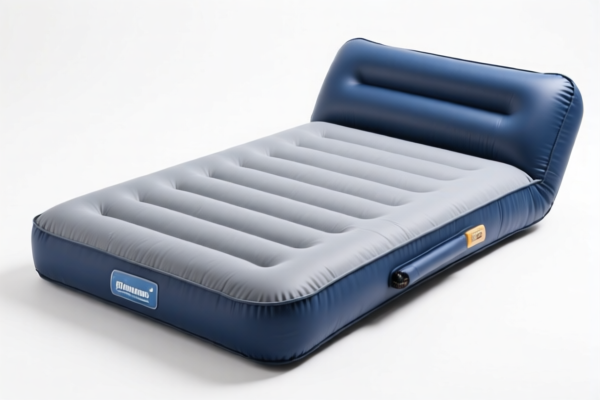
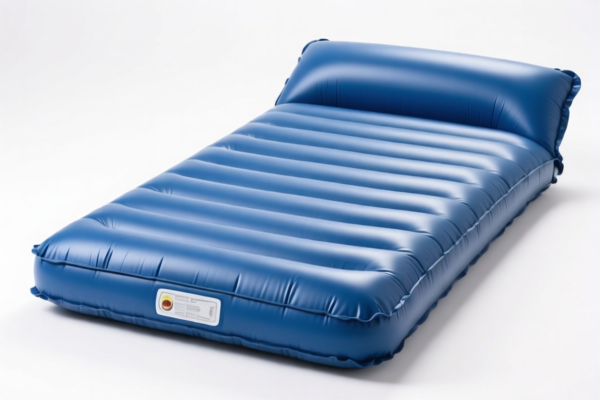
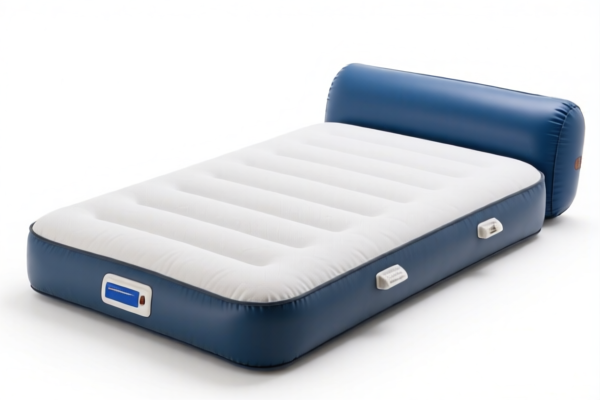
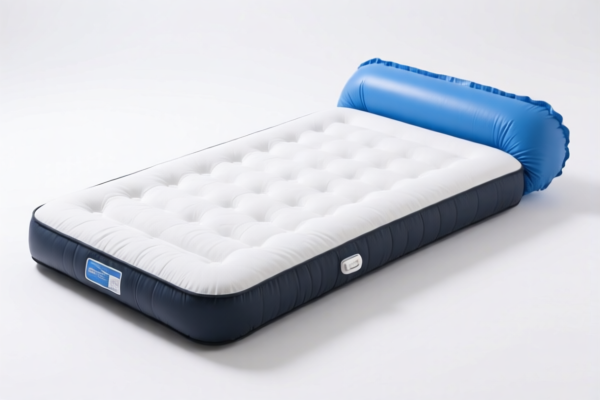
AI Analysis
🛌 Pneumatic Mattresses (Air Mattresses)
🌐 HS Code Reference & Customs Clearance Guide | 2026 Latest Tariff Analysis | Professional Clearance Strategy
📌 I. Product Definition & Classification: Do You Really Know What an "Air Mattress" Is?
An air mattress is a portable sleeping device that relies on inflated air for support. In international trade, its classification is highly sensitive to material composition and structural definition. The ambiguity between "Rubber," "Textiles," and "Plastics" leads to significantly different tariff rates.
Based on the provided data, there are 4 distinct classification paths depending on the inferred material. Below is the detailed breakdown.
📦 II. HS Code Classification Details (Based on Provided Data)
| HS Code | Product Description | Material Inference | Key Classification Logic |
|---|---|---|---|
4016.95.00.00 |
Other Inflatable Articles | Sulfurized Rubber or Synthetic Rubber | Classified as "Other inflatable articles." Assumed to be made of rubber based on common sense for durable inflatables. |
6306.40.49.00 |
Other Inflatable Bedding | Textile Material | Classified as "Inflatable Mattress" (用途一致). Assumed textile outer shell (e.g., vinyl-coated fabric) due to lack of specific material mention. |
9404.21.00.95 |
Mattresses of Cellular Rubber/Plastics | Plastics/Cellular Rubber | Classified as "Mattress." "Inflatable" implies plastic/synthetic materials (of plastics). High tariff due to "Cellular" classification. |
9404.90.96.70 |
Other Mattress Accessories/Parts | Synthetic Materials (Non-Textile/Rubber Shell) | Classified as "Other." Assumes plastic/PVC composition but not cellular rubber or textile outer shell. Fits the "Other" category under mattresses. |
🔍 Critical Distinction:
- Rubber vs. Plastic vs. Textile: The core difference lies in the material inference.
- Cellular Rubber (9404.21) vs. Rubber Articles (4016.95): If the product is explicitly "Rubber" and inflated, it might fall under4016. If it is "Plastic" or "Cellular," it falls under9404.
- Textile (6306): If the outer layer is fabric (even if coated with PVC), it may be considered textile bedding.
💰 III. 2026 Latest Tariff Rate Breakdown (Including Surcharges)
✅ Applicable Country: United States (US)
✅ Country of Origin: China (CN)
✅ Effective Date: 2025/2026 (Current Policy)
🎯 1. 4016.95.00.00 – Other Inflatable Rubber Articles
| Item | Detail |
|---|---|
| Base Duty | 4.2% |
| Section 301 Surcharge | 7.5% |
| Section 122 Tariff | 10% |
| Total Rate | 21.7% |
| Calculation | CIF Value × 21.7% |
| Legal Basis | Standard HS code + USITC Footnotes + IEEPA Section 122 |
📌 Explanation:
- This is a mid-range tariff.
- Suitable for durable, rubber-based inflatable products (e.g., heavy-duty camping air mattresses).
🎯 2. 6306.40.49.00 – Other Inflatable Bedding (Textile)
| Item | Detail |
|---|---|
| Base Duty | 3.7% |
| Section 301 Surcharge | 7.5% |
| Section 122 Tariff | 10% |
| Total Rate | 21.2% |
| Calculation | CIF Value × 21.2% |
| Legal Basis | Textile Chapter + USITC Footnotes + IEEPA Section 122 |
📌 Note:
- Lowest total rate among the options.
- Best for standard home/office air mattresses with a fabric outer cover.
🎯 3. 9404.21.00.95 – Mattresses of Cellular Rubber/Plastics
| Item | Detail |
|---|---|
| Base Duty | 3.0% |
| Section 301 Surcharge | 25.0% |
| Section 122 Tariff | 10% |
| Total Rate | 38.0% |
| Calculation | CIF Value × 38.0% |
| Legal Basis | Mattress Chapter + Heavy Section 301 Tariff + IEEPA Section 122 |
📌 Warning:
- Highest tariff among the rubber/plastic classifications.
- The 25% Section 301 surcharge is the primary cost driver.
- Applies if the product is classified as "Cellular Rubber" or "Plastic Mattress" rather than a simple "Inflatable Article."
🎯 4. 9404.90.96.70 – Other Mattress Articles
| Item | Detail |
|---|---|
| Base Duty | 7.3% |
| Section 301 Surcharge | 0.0% |
| Section 122 Tariff | 10% |
| Total Rate | 17.3% |
| Calculation | CIF Value × 17.3% |
| Legal Basis | "Other" Category + No Section 301 Surcharge + IEEPA Section 122 |
📌 Strategic Insight:
- Lowest Overall Rate at 17.3%.
- Crucial Advantage: No Section 301 Surcharge (0%).
- This classification assumes the product is a "Mattress" but not specifically "Cellular Rubber" or "Plastic" in a way that triggers the 25% tariff. It falls into the "Other" bucket with only the 10% Section 122 tariff added.
- Risk: Must ensure the product description and material do not explicitly trigger "Cellular Rubber" or "Textile" misclassification.
🛠️ IV. Customs Clearance Practical Advice (Avoiding Pitfalls)
✅ 1. Material Declaration is Key
| Scenario | Recommended HS Code | Tariff Risk |
|---|---|---|
| Explicit "Rubber" Label | 4016.95.00.00 |
21.7% (Moderate) |
| Fabric Outer Layer | 6306.40.49.00 |
21.2% (Low-Moderate) |
| PVC/Plastic Shell (No Textile) | 9404.90.96.70 |
17.3% (Best) |
| Cellular Rubber/High-Density Foam Core | 9404.21.00.95 |
38.0% (High) |
⚠️ Critical Tip:
- Avoid using terms like "Cellular Rubber" or "Foam" if you want to avoid the 25% Section 301 Tariff.
- Use "Inflatable Mattress" or "Air Bed" with "PVC/Plastic Material" to aim for9404.90.96.70(17.3%).
- If the product has a textile cover, declare it as "Inflatable Bedding" (6306.40.49.00) to avoid mattress-specific surcharges.
✅ 2. Documentation Requirements
| Document | Requirement | Purpose |
|---|---|---|
| Product Specification Sheet | Must specify Material Composition (e.g., PVC, TPU, Fabric) | Determines HS Code path |
| Product Photos | Show Outer Material (Fabric vs. Plastic vs. Rubber) | Proves Textile vs. Plastic/Rubber |
| Commercial Invoice | Use precise description: "Inflatable Air Mattress, PVC Material, No Cellular Rubber" | Avoids "Cellular Rubber" classification |
| Certificate of Origin | Standard CO for China Origin | Required for Tariff Calculation |
✅ 3. Strategic Recommendation for Importers
🔥 "Target the 17.3% Rate!"
- Optimal Strategy: Classify as9404.90.96.70("Other Mattress Articles").
- Why?
- No 25% Section 301 Surcharge.
- Condition: Ensure the product is not classified as "Cellular Rubber" (9404.21) or "Textile Bedding" (6306).
- Use "PVC/Plastic Inflatable Mattress" in documentation.
- Avoid words like "Foam," "Cellular," "Rubber Core."
🌍 V. Global Market Comparison (2026)
| Market | Recommended HS Code | Estimated Total Rate (China Origin) | Notes |
|---|---|---|---|
| 🇺🇸 USA | 9404.90.96.70 |
17.3% | Best for non-cellular, non-textile inflatables. |
| 🇺🇸 USA | 6306.40.49.00 |
21.2% | Best for textile-covered inflatables. |
| 🇺🇸 USA | 4016.95.00.00 |
21.7% | Best for rubber-based inflatables. |
| 🇺🇸 USA | 9404.21.00.95 |
38.0% | Avoid if possible (High Surcharge). |
| 🇪🇺 EU | 9404.90.90 |
~5-7% | No Section 301/122 Surcharges. |
| 🇨🇳 China | 9404.90.90 |
~10-15% | Domestic Import Rules Apply. |
📌 Conclusion:
- US Market is Highly Tariff-Dependent.
- Material Declaration is the #1 Lever for cost optimization.
-9404.90.96.70is the most cost-effective path for standard PVC/Plastic air mattresses in the US.
📌 VI. Common Errors & Pitfalls
❌ Error 1: Declaring as "Cellular Rubber Mattress"
👉 Result: 38.0% Tax (25% Surcharge).
✅ Fix: Use "Plastic Inflatable Mattress" if no foam core.
❌ Error 2: Using "Rubber" when it's PVC
👉 Result: Misclassification risk, potential penalties.
✅ Fix: Specify "PVC/TPU" material.
❌ Error 3: Ignoring Section 122 Tariff
👉 Result: Underestimating cost by 10%.
✅ Fix: Always add 10% for China-origin goods under current policy.
🎯 VII. Conclusion: Optimize Your Clearance Strategy
🔹 Remember:
- "Inflatable ≠ Rubber ≠ Foam."
- "Textile Cover = 6306 (21.2%)."
- "PVC Shell = 9404.90 (17.3%)."
- "Cellular Rubber = 9404.21 (38.0%)."
📌 Pro Tip:
- Apply for an Advance Ruling from CBP if you are unsure.
- Provide Detailed Photos showing the outer material to justify
9404.90.96.70.- Avoid "Foam" or "Cellular" terms in commercial invoices.
📣 Immediate Action:
📞 Consult your customs broker with product specs and photos.
🚀 Target 17.3% Tariff by precise classification!
✨ Professional Customs Clearance Starts with Accurate Classification!
💼 Every Percent Saved is Pure Profit!
Customer Reviews
About HS Code Classification
The Harmonized System (HS) is an internationally standardized nomenclature developed by the World Customs Organization (WCO) to classify traded products. Over 200 countries use the HS system as the basis for customs tariffs, trade statistics, and import/export regulations.
Each HS code follows a hierarchical structure:
- Chapter (2 digits) — Broad category of goods (e.g., Chapter 84: Machinery and Mechanical Appliances)
- Heading (4 digits) — More specific grouping within the chapter
- Subheading (6 digits) — Internationally standardized breakdown, used by all WCO member countries
- National subdivisions (8-10 digits) — Country-specific extensions for further classification, such as US HTSUS 10-digit codes
Correct HS code classification is essential for smooth customs clearance, accurate duty payment, and compliance with trade regulations. Misclassification can lead to customs delays, overpayment of duties, or penalties.
When importing from CN to US, the applicable tariff rates may include:
- Most-Favored-Nation (MFN) rate — The standard duty rate applied to WTO members
- General rate — Applied to countries without trade agreements
- Trade remedy duties — Additional tariffs such as Section 301 (anti-dumping), Section 232 (national security), or countervailing duties
The information provided on this page is for reference purposes only. For official classification, please consult with your local customs authority or a licensed customs broker.