Pneumatic Radial Off Highway Tires for Industrial Use
CN → US| HS Code | Tariff Rate | Origin | Destination | Doc |
|---|---|---|---|---|
| 4016996050 | 37.5% | CN | US | Official Doc |
| 4016996010 | 37.5% | CN | US | Official Doc |
| 4012909000 | 37.7% | CN | US | Official Doc |
| 4011808010 | 38.4% | CN | US | Official Doc |
| 4011808020 | 38.4% | CN | US | Official Doc |
Product Images
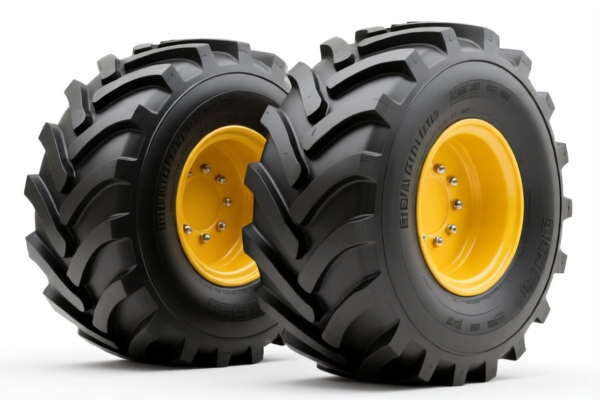
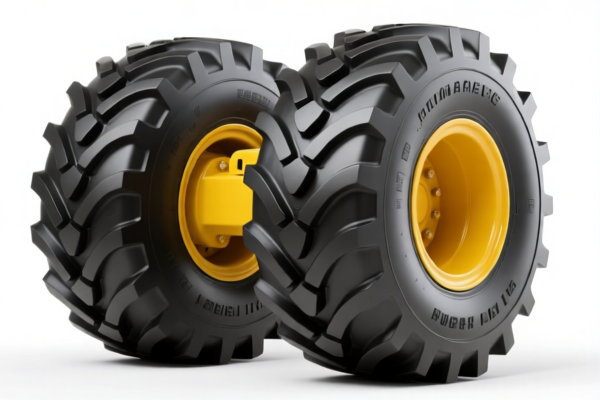
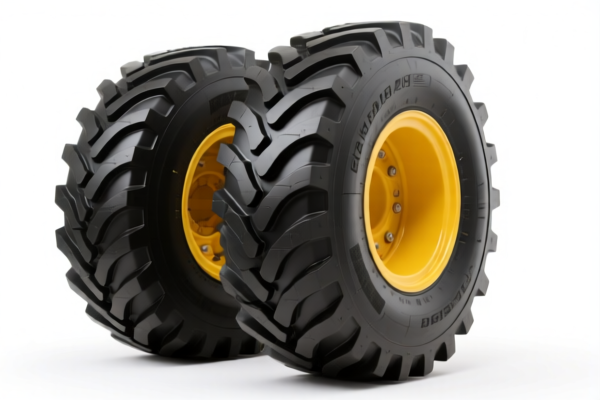
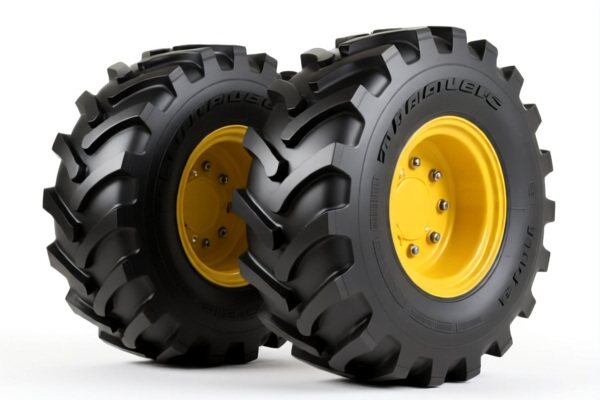
AI Analysis
🚜 Pneumatic Radial Off-Highway Tires for Industrial Use
🌐 HS Code Reference & Customs Clearance Guide | 2026 Latest Tariff Analysis | Professional Entry Strategies
📌 I. Product Definition & Classification: Do You Really Understand "Industrial Pneumatic Tires"?
Industrial pneumatic tires, specifically radial off-highway types, are critical components for heavy-duty machinery such as forklifts, agricultural tractors, construction equipment, and industrial logistics vehicles. In international trade, their classification is strictly determined by their structure (radial vs. bias), material (rubber), and specific application.
Key Distinction:
Pneumatic Tires: Contain an inner tube or tubeless air chamber; classified under Chapter 40 (Rubber) and Chapter 4011 (Tires).
Solid Tires: Non-pneumatic, solid rubber; often classified differently (e.g., 4016).
Radial Structure*: Cords run radially across the tread; usually commands specific sub-headings compared to bias-ply tires.
⚠️ Critical Note:
- These tires are not considered "parts" of a machine when imported separately. They are classified as finished goods under Heading 4011.
- Misclassification as "rubber parts" (4016) or other categories can lead to significant duty discrepancies and customs delays.
📦 II. HS Code Classification Matrix (2026 Latest Authorized Codes)
Based on the provided data, here are the specific HS Codes applicable to Industrial Pneumatic Radial Off-Highway Tires and the rationale for each.
| HS Code | Product Description & Rationale | Tax Details (China Origin → US) | Total Tax Rate |
|---|---|---|---|
| 4016.99.60.50 | Other Vulcanized Rubber Articles • Rationale: Classified as "vulcanized rubber products" falling under "other rubber articles" category. • Risk: May be considered a "broad" classification if specific tire sub-headings are ignored. |
Base: 2.5% Section 301: 25.0% Section 122: 10.0% |
37.5% |
| 4016.99.60.10 | Other Vulcanized Rubber Articles • Rationale: Fits the morphological characteristics of vulcanized rubber products, categorized under "other rubber articles." |
Base: 2.5% Section 301: 25.0% Section 122: 10.0% |
37.5% |
| 4012.90.90.00 | Retreaded or Used Inflated Rubber Tires • Rationale: Classified under "Rubber Inflated Tires" (Gai Tai). • Caution: Heading 4012 typically covers retreaded/used tires. If these are new radial tires, this code is incorrect. If new, it should be under 4011. However, per data, it is listed as an option for "inflat rubber tire" category. |
Base: 2.7% Section 301: 25.0% Section 122: 10.0% |
37.7% |
| 4011.80.80.10 | New Pneumatic Radial Tires • Rationale: Specifically covers rubber pneumatic tires of a kind used on motor vehicles or other vehicles (incl. off-highway/industrial), radial structure. No obvious conflict with material/shape requirements. |
Base: 3.4% Section 301: 25.0% Section 122: 10.0% |
38.4% |
| 4011.80.80.20 | New Pneumatic Radial Tires • Rationale: Meets rubber material and industrial use limitations. Specific sub-code for radial tires for specific industrial/vehicle types. |
Base: 3.4% Section 301: 25.0% Section 122: 10.0% |
38.4% |
🔍 Priority Analysis:
- 4011.80.80.xx is the most technically accurate for NEW radial pneumatic tires. It directly addresses "Pneumatic Radial Tires."
- 4016.99.60.xx is a catch-all for rubber articles. Using this for tires is often a fallback or error unless the tire is non-standard (e.g., specialized solid-rubber hybrids without air chambers, though the prompt says "Pneumatic").
- 4012.90.90.00 is likely for retreaded/used tires. Do not use for new production unless specified.
💰 III. 2026 Latest Tariff Rate Breakdown (Including Add-On Taxes & Policies)
✅ Applicable Country: United States (US)
✅ Origin: China (CN)
✅ Effective Time: 2025/2026 Tariff Schedule
🎯 1. 4011.80.80.10 & 4011.80.80.20 — New Pneumatic Radial Tires (Recommended)
| Item | Content |
|---|---|
| Base Duty Rate | 3.4% (Standard MFN Rate) |
| Section 301 Duty | +25.0% (USITC Footnote: Additional duties on Chinese goods) |
| Section 122 Duty | +10.0% (Specific additional duty on Chinese imports) |
| Total Tax Rate | 38.4% |
| Calculation | CIF Value × 38.4% |
| De Minimis Exemption | ❌ Not Eligible (Section 301 duties typically block de minimis entry for China) |
| Legal Path | USITC:4011.80.80.xx → Section 301: Footnote 9903.88.01 → Section 122: 19 CFR 122 |
📌 Interpretation:
- 3.4% is the standard customs duty for new pneumatic rubber tires.
- 25% is the aggressive tariff under US Trade Act Section 301 against China.
- 10% is an additional levy under Section 122.
- Total: 38.4%. This is the highest rate among the valid tire codes, but it is the most legally precise for new radial tires.
🎯 2. 4016.99.60.50 & 4016.99.60.10 — Other Vulcanized Rubber Articles
| Item | Content |
|---|---|
| Base Duty Rate | 2.5% |
| Section 301 Duty | +25.0% |
| Section 122 Duty | +10.0% |
| Total Tax Rate | 37.5% |
| Calculation | CIF Value × 37.5% |
| De Minimis Exemption | ❌ Not Eligible |
| Legal Path | USITC:4016.99.60.xx → Section 301 → Section 122 |
📌 Interpretation:
- This code offers a 0.9% savings (37.5% vs 38.4%) compared to 4011.
- ⚠️ Risk: Customs may reject this classification if the product is clearly a finished pneumatic tire. Incorrect classification can lead to penalties, audits, and retroactive duty payments. Use only if the tire has unique features not covered by 4011.
🎯 3. 4012.90.90.00 — Other Retreaded/Used Inflated Tires
| Item | Content |
|---|---|
| Base Duty Rate | 2.7% |
| Section 301 Duty | +25.0% |
| Section 122 Duty | +10.0% |
| Total Tax Rate | 37.7% |
| Calculation | CIF Value × 37.7% |
| De Minimis Exemption | ❌ Not Eligible |
📌 Interpretation:
- Only applicable if the tires are retreaded or used.
- For new radial tires, this is incorrect. Misuse can trigger fraud alerts.
🛠️ IV. Customs Clearance Practical Advice (Battle-Tested Pitfall Guide)
✅ 1. Documentation Checklist (Mandatory)
| Document | Required | Description |
|---|---|---|
| ✅ Product Specification Sheet | ✔️ | Must include: Size (e.g., 11.2-24), Load Index, Speed Symbol, Radial Structure, Tread Pattern, Intended Use (e.g., Forklift, Tractor). |
| ✅ Commercial Invoice | ✔️ | Clearly state: "New Pneumatic Radial Off-Highway Tire for Industrial Use." Avoid vague terms like "Rubber Part." |
| ✅ Packing List | ✔️ | Detail net/gross weight per tire. Ensure HS Code is explicitly listed. |
| ✅ Certificate of Origin (CO) | ✔️ | Required for Section 301 and 122 duty assessments. If from non-China origin, may apply for exemptions. |
| ✅ Photos of Tires | ✔️ | Show sidewall markings (DOT code, size, radial designation "R"), tread pattern, and packaging. |
| ✅ Test Reports | ✔️ | ECE, DOT, or ISO standards compliance if required for specific industrial equipment. |
✅ 2. Declaration Strategy (Key Mnemonic)
🔥 "New Radial Goes to 4011, Retread to 4012, Vague Rubber to 4016 (Risky)"
| Scenario | Correct HS Code | Incorrect Code | Consequence |
|---|---|---|---|
| New Radial Tire (Most Common) | 4011.80.80.10 / .20 |
4016.99.60.50 |
⚠️ Low Risk (Minor duty diff) but may trigger audit for improper classification. |
| New Radial Tire | 4011.80.80.10 / .20 |
4012.90.90.00 |
❌ High Risk (Customs will flag as misdeclared new goods as used/retreaded). |
| Retreaded Tire | 4012.90.90.00 |
4011.80.80.10 |
❌ High Risk (Duty evasion allegation). |
| Solid Rubber Wheel (Non-Pneumatic) | 4016.99.60.xx |
4011.80.80.10 |
⚠️ Risk (If declared pneumatic but is solid, penalty for false declaration). |
✅ 3. Special Handling Tips
| Situation | Recommendation |
|---|---|
| OEM Custom Tires | Provide mold designs or customer POs to prove specific industrial use. Helps justify 4011 classification. |
| Mixed Container | Ensure all tires in the container are identical in HS Code. Mixed classifications complicate clearance. |
| Section 301 Exemption | Check if the specific tire type was removed from the exclusion list (unlikely for standard industrial tires). |
| Valuation | Ensure CIF value includes freight and insurance. Under-declaration leads to seizure. |
🌍 V. Global Market Clearance Comparison (2026)
| Country/Region | Recommended HS Code | Duty Rate (China Origin) | Key Requirements | Notes |
|---|---|---|---|---|
| 🇺🇸 USA | 4011.80.80.10/20 |
38.4% (High) | FCC/DOE not required for tires; CO needed. | Highest duty due to Section 301 + 122. |
| 🇨🇳 China (Import) | 4011.80.80 |
10-15% | CCC (if applicable for vehicle parts). | Lower duty, no Section 301. |
| 🇪🇺 EU | 4011.20 / 4011.10 |
0-4.5% (Varies by size/type) | ECE Mark, REACH. | No additional punitive tariffs. |
| 🇬🇧 UK | 4011.20 |
0-4.5% | UKCA Mark (post-Brexit). | Post-Brexit tariff schedules apply. |
| 🇯🇵 Japan | 4011.20 |
0-5% | JATMA Standards. | No additional punitive tariffs. |
📌 Conclusion:
- USA remains the most expensive market for Chinese-made tires due to the 38.4% total duty.
- EU/UK/Japan offer significantly lower duty burdens (<5%), but require strict regulatory compliance (ECE/UKCA/JATMA).
- Strategy: If shipping to the US, ensure precise classification to avoid penalties, as the base duty is already high. Consider supply chain diversification if tariffs impact profitability.
📌 VI. Common Errors & Pitfall Guide (Blood & Tears Lessons)
❌ Error 1: Declaring New Radial Tires under 4016.99.60.50 (Other Rubber Articles)
👉 Consequence: While the duty is slightly lower (37.5% vs 38.4%), Customs may classify it as "incorrect HS Code," leading to audits, fines, and potential seizure for misrepresentation.
👉 Fix: Use 4011.80.80.10 for new radial tires.
❌ Error 2: Declaring New Tires as 4012.90.90.00 (Retreaded/Used)
👉 Consequence: Severe Penalty. Customs will detect new tires vs. used markings. Accusation of fraud.
👉 Fix: Always verify tire age and condition. New = 4011.
❌ Error 3: Omitting "Radial" in Description
👉 Consequence: Customs may default to Bias-Ply codes (4011.30/4011.60), which have different duty rates, leading to underpayment or overpayment.
👉 Fix: Explicitly state "Radial Structure" in invoice.
❌ Error 4: Ignoring Section 122 & 301 in Costing
👉 Consequence: Profit margins wiped out.
👉 Fix: Include 38.4% in landed cost calculations for US imports from China.
✅ Correct Declaration Example:
"New Pneumatic Radial Off-Highway Tire for Industrial Forklifts, Size 11.2-24, Vulcanized Rubber, HS Code 4011.80.80.10, Origin China"
🎯 VII. Conclusion: Precision Classification Saves Money
🎯 Remember the Mantra:
🔹 "New Radial = 4011 (38.4%); Used/Retread = 4012 (37.7%); Vague = 4016 (37.5% but Risky)."
🔹 "HS Code is Law. Misclassification is Costly. 38.4% is the Price of Entry for Chinese Tires in the US."
📌 Pro Tip:
If your tires are originally manufactured in Vietnam, Mexico, or Thailand, you may be eligible for Section 301 Exemptions, reducing the effective duty to 0-5%.
Always apply for an Advance Ruling if you have doubt about the specific subtype (e.g., solid vs. pneumatic, radial vs. bias).
📣 Immediate Action:
📞 Consult a Licensed Customs Broker + Provide Product Specs + Verify Origin
🚀 Clear Customs Smoothly, Avoid Penalties, Protect Margins!
✨ Professional Clearance Starts with Accurate Classification!
💼 Every Percentage Point of Duty Affects Your Bottom Line!
Customer Reviews
About HS Code Classification
The Harmonized System (HS) is an internationally standardized nomenclature developed by the World Customs Organization (WCO) to classify traded products. Over 200 countries use the HS system as the basis for customs tariffs, trade statistics, and import/export regulations.
Each HS code follows a hierarchical structure:
- Chapter (2 digits) — Broad category of goods (e.g., Chapter 84: Machinery and Mechanical Appliances)
- Heading (4 digits) — More specific grouping within the chapter
- Subheading (6 digits) — Internationally standardized breakdown, used by all WCO member countries
- National subdivisions (8-10 digits) — Country-specific extensions for further classification, such as US HTSUS 10-digit codes
Correct HS code classification is essential for smooth customs clearance, accurate duty payment, and compliance with trade regulations. Misclassification can lead to customs delays, overpayment of duties, or penalties.
When importing from CN to US, the applicable tariff rates may include:
- Most-Favored-Nation (MFN) rate — The standard duty rate applied to WTO members
- General rate — Applied to countries without trade agreements
- Trade remedy duties — Additional tariffs such as Section 301 (anti-dumping), Section 232 (national security), or countervailing duties
The information provided on this page is for reference purposes only. For official classification, please consult with your local customs authority or a licensed customs broker.