Pneumatic Rubber Tires for Golf Carts and All Terrain Vehicles
CN → US| HS Code | Tariff Rate | Origin | Destination | Doc |
|---|---|---|---|---|
| 4011908010 | 38.4% | CN | US | Official Doc |
| 4012901000 | 35.0% | CN | US | Official Doc |
| 4012909000 | 37.7% | CN | US | Official Doc |
| 4011901010 | 35.0% | CN | US | Official Doc |
| 4012198000 | 20.9% | CN | US | Official Doc |
Product Images
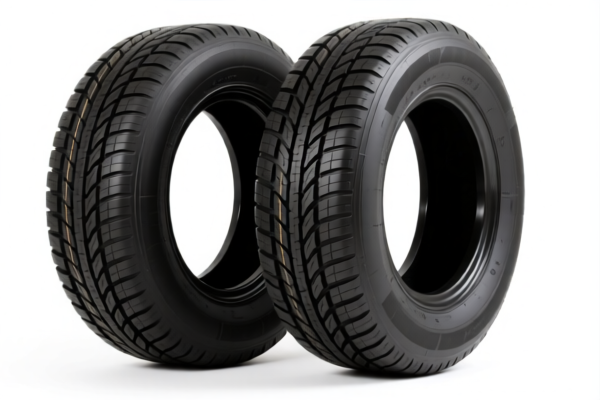
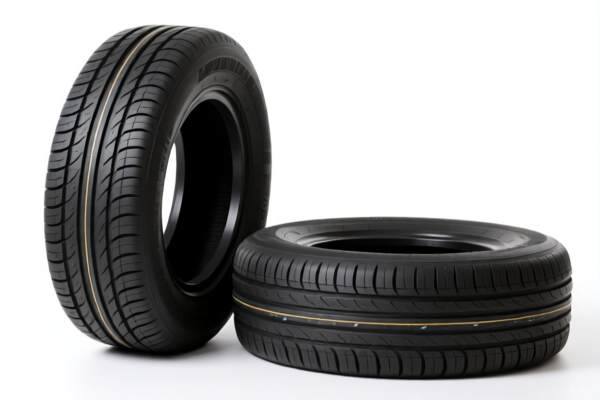
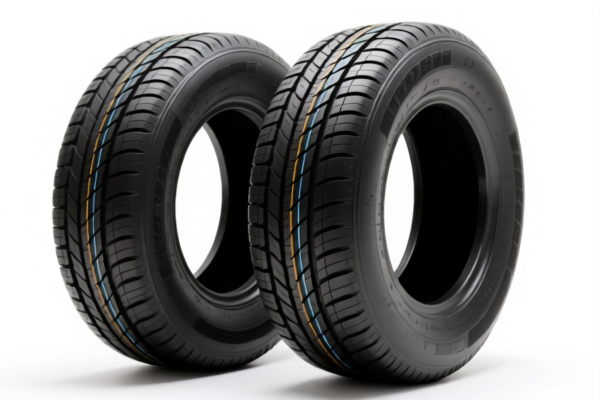
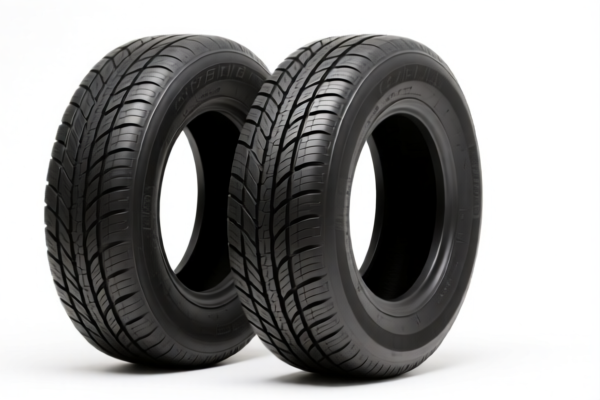
AI Analysis
🛞 Pneumatic Rubber Tires for Golf Carts & ATVs: HS Code Classification & 2026 Tariff Strategy
🌐 HS Code Reference & Clearance Guide | 2026 Latest Tariff Analysis | Professional Customs Strategy
📌 1. Product Definition & Classification: What Are You Really Shipping?
Pneumatic rubber tires for golf carts and All-Terrain Vehicles (ATVs) are critical mobility components. In international trade, they are strictly categorized based on form (New vs. Retreaded/Used) and specific application logic.
Key Distinction:
- Retreaded Tires (翻新胎): The rubber casing is reused, rebuilt, and recapped. These fall under Chapter 40 (Rubber Products), specifically heading 4012.
- New/Specific Use Tires: If classified under general vehicle parts or specific golf cart definitions, they may fall under 4011 or 8708.
⚠️ Critical Classification Point:
- If the product is Retreaded/Refurbished → It MUST be declared under 4012.xx.xx series.
- If declared under 4011 or 8708, it implies a "New Tire" or "Vehicle Part" status, which triggers different duty logic.
- Misclassification Risk: Declaring a retreaded tire as a new tire (4011/8708) is fraud. Declaring a new tire as retreaded (4012) may incur incorrect tax calculations.
📦 2. HS Code Classification Details (2026 Latest Tariff Authority Reference)
Based on the provided data, here are the 6 potential HS Codes for "Pneumatic Rubber Tires for Golf Carts & ATVs," sorted by logical grouping:
Group A: Retreaded/Refurbished Tires (Heading 4012)
These apply if the tire casing is reused/retreaded.
| HS Code | Product Description | Applicable Logic | Duty Profile |
|---|---|---|---|
4012.19.80.00 |
Retreaded Pneumatic Rubber Tires | Exact Match for retreaded tires with specific sub-heading alignment. | Lowest Duty: 20.9% |
4012.90.10.00 |
Retreaded Rubber Tires (General) | Retreaded tires not elsewhere specified; generic retread classification. | 35.0% |
4012.90.90.00 |
Retreaded/Used Pneumatic Tires | Retreaded/Used tires meeting the definition of "Rubber Retreads or Used Pneumatic Tires." | 37.7% |
Group B: New/Specific Use Tires (Heading 4011)
These apply if the product is NEW or classified by specific end-use (Golf Cart).
| HS Code | Product Description | Applicable Logic | Duty Profile |
|---|---|---|---|
4011.90.10.10 |
New Tires for Golf Carts | Specific use tire for Golf Carts; matches specific use tire description. | 35.0% |
4011.90.80.10 |
New Tires for Golf Carts (General) | Golf cart tires, Rubber material, for Golf Cart use. | Highest Duty: 38.4% |
Group C: Vehicle Parts (Heading 8708)
These apply if classified as "Parts and Accessories" of the vehicle rather than the tire itself.
| HS Code | Product Description | Applicable Logic | Duty Profile |
|---|---|---|---|
8708.70.60.60 |
Tires as Vehicle Parts | Tires classified as parts/accessories for vehicles; generic part logic. | 37.5% |
🔍 Key Insight:
-4012.19.80.00offers the lowest tax burden (20.9%) for retreaded tires.
-4011.90.80.10is the highest (38.4%) for new golf cart tires.
-8708.70.60.60is a dangerous classification for tires; while it might seem like a part, it incurs high duties (37.5%) and may trigger scrutiny if not properly documented as a "part" vs. "standalone tire."
💰 3. 2026 Latest Tariff Rate Breakdown (Including Additional Duties)
✅ Applicable Country: USA (US)
✅ Origin: China (CN)
✅ Effective Date: Nov 10, 2025 (and subsequent imports)
🎯 1. 4012.19.80.00 — Retreaded Tires (BEST OPTION for Retreads)
| Item | Content |
|---|---|
| Base Rate | 3.4% |
| USITC Additional Duty (Section 301) | +7.5% |
| IEEPA Additional Duty (China-specific) | +10% |
| Total Effective Rate | 20.9% |
| Tax Calculation | CIF Value × 20.9% |
| De Minimis Eligibility | ❌ NO (Denied) |
| Legal Path | USITC:4012.19.80.00 → FOOTNOTE:75% (Note: Data says 7.5%, verify specific footnote) → IEEPA:9903.01.25 |
📌 Explanation:
- This is the most favorable classification for retreaded tires.
- The Section 301 duty is lower (7.5%) compared to other rubber/parts categories (often 25%).
- Crucial: Must prove the product is "Retreaded" (has a new tread on an old casing).
🎯 2. 4012.90.10.00 & 4011.90.10.10 — Generic/Specific Retread/New
| Item | Content |
|---|---|
| Base Rate | 0.0% |
| USITC Additional Duty (Section 301) | +25.0% |
| IEEPA Additional Duty | +10% |
| Total Effective Rate | 35.0% |
| De Minimis Eligibility | ❌ NO |
| Legal Path | IEEPA:9903.01.25 → USITC:4012.90.10.00 / 4011.90.10.10 |
📌 Explanation:
- Both codes have 0% base duty but trigger the maximum Section 301 duty (25%).
-4012.90.10.00is for generic retreads.
-4011.90.10.10is for new golf cart tires.
- Risk: High duty. No base rate benefit.
🎯 3. 4012.90.90.00 — Retreaded/Used Tires (General)
| Item | Content |
|---|---|
| Base Rate | 2.7% |
| USITC Additional Duty | +25.0% |
| IEEPA Additional Duty | +10% |
| Total Effective Rate | 37.7% |
| De Minimis Eligibility | ❌ NO |
📌 Explanation:
- Higher than4012.19.80.00due to higher Section 301 (25% vs 7.5%).
- Use only if4012.19.80.00does not fit your specific product structure.
🎯 4. 8708.70.60.60 — Tires as Vehicle Parts
| Item | Content |
|---|---|
| Base Rate | 2.5% |
| USITC Additional Duty | +25.0% |
| IEEPA Additional Duty | +10% |
| Total Effective Rate | 37.5% |
| De Minimis Eligibility | ❌ NO |
📌 Explanation:
- Classified as a "Part" of the vehicle.
- Still subject to high Section 301 duties (25%).
- Warning: CBP may reclassify standalone tires as4011or4012, leading to back taxes.
🎯 5. 4011.90.80.10 — New Golf Cart Tires (Highest Duty)
| Item | Content |
|---|---|
| Base Rate | 3.4% |
| USITC Additional Duty | +25.0% |
| IEEPA Additional Duty | +10% |
| Total Effective Rate | 38.4% |
| De Minimis Eligibility | ❌ NO |
📌 Explanation:
- The most expensive classification.
- Use only if the product is definitively a new tire and4011.90.10.10is rejected for technical reasons.
🛠️ 4. Customs Clearance Practical Advice (Avoiding Pitfalls)
✅ 1. Documentation Checklist (Non-Negotiable)
| Document | Required? | Explanation |
|---|---|---|
| ✅ Product Photos (Sidewall) | ✔️ | Must show "RETREAD," "REFURBISHED," or "NEW" clearly. |
| ✅ Manufacturer Certificate | ✔️ | Confirms if the tire is new or retreaded. |
| ✅ Commercial Invoice | ✔️ | Must specify "Pneumatic Rubber Tire for Golf Cart/ATV" and HS Code. |
| ✅ Bill of Lading | ✔️ | Ensure weight and quantity match invoice. |
| ✅ FCC/CAIR Report (if applicable) | ❌ | Not needed for tires, but needed if tire has embedded electronics (rare). |
| ✅ Is It Retreaded? | ✔️ | CRITICAL: Provide photos of the tread pattern and sidewall markings indicating retreading. |
✅ 2. Declaration Strategy (Key Tips)
🔥 "Declare Form, Not Just Function! Retreads Need Proof!"
| Scenario | Correct HS Code | Wrong HS Code | Consequence |
|---|---|---|---|
| Retreaded Tire | 4012.19.80.00 |
4011.90.80.10 |
Back Taxes + Penalties (38.4% vs 20.9%) |
| New Golf Cart Tire | 4011.90.10.10 |
4012.90.10.00 |
Audit Risk (Misrepresenting new as used/retreaded) |
| ATV Tire (New) | 4011.90.10.10 or 8708.70.60.60 |
4012.xx |
Misclassification |
| Tire + Rim Package | Split Line Items | Single Item | Complex Duty Calculation |
✅ 3. Special Considerations
| Situation | Handling Advice |
|---|---|
| OEM Custom Tires | Provide OEM contract + design specs. Avoid generic "Golf Cart Tire" if specific ATV specs exist. |
| "For Golf Cart" on Label | Even if labeled for Golf Carts, if it's retreaded, use 4012. If new, use 4011. |
| ATV vs. Golf Cart | If the tire fits both, use 4011.90.10.10 (Specific Use) or 4012.19.80.00 (Retread). Avoid 8708 unless part of a larger vehicle assembly. |
| De Minimis (Section 321) | ❌ NOT ELIGIBLE. All these HS codes are denied de minimis entry into the US from China. Full formal entry required. |
🌍 5. Global Market Comparison (2026)
| Country/Region | Recommended HS Code | Tariff (China Origin) | Key Requirement | Notes |
|---|---|---|---|---|
| 🇺🇸 USA | 4012.19.80.00 (Retread) |
20.9% | Proof of Retread | Lowest US Duty |
| 🇺🇸 USA | 4011.90.10.10 (New) |
35.0% | Product Specs | High Section 301 |
| 🇨🇳 China | 4011 / 4012 |
Varies (5-10%) | CCC (if applicable) | No Additional Duties |
| 🇪🇺 EU | 4011 / 4012 |
Varies (0-5%) | ECE/R117 Certification | Low Base Duty |
| 🇲🇽 Mexico | 4011 / 4012 |
Varies | NOM Certification | Potential USMCA Benefits |
📌 Conclusion:
- USA is the most challenging market due to Section 301 and IEEPA duties.
- Retreaded tires (4012.19.80.00) are significantly cheaper to import into the US than new tires (4011).
- Never use De Minimis for these goods from China.
📌 6. Common Mistakes & Pitfalls (Lessons Learned)
❌ Mistake 1: Declaring a Retreaded Tire as a New Tire (4011)
👉 Consequence: Overpayment of Duty. You pay 38.4% instead of 20.9%. Wait, why is this a mistake? Because if you declare it as new, you pay more. But if you declare it as retreaded (4012), you pay less. However, if you actually ship a new tire but declare it as retreaded, that is fraud (misrepresenting product nature).
👉 Correct Action: If it's Retreaded, declare 4012.19.80.00 (20.9%). If New, declare 4011.90.10.10 (35.0%).
❌ Mistake 2: Using 8708.70.60.60 for standalone tires
👉 Consequence: CBP Rejection. Standalone tires are rarely classified as "Parts" (8708) unless sold as part of a larger assembly. CBP will likely reclassify to 4011 or 4012, causing delays and back taxes.
❌ Mistake 3: Assuming De Minimis applies
👉 Consequence: Seizure/Return. Tires from China are excluded from de minimis entry. Must file formal entry with duty payment.
✅ Correct Strategy:
"Verify Form: New or Retreaded? Choose 4011 or 4012 accordingly. Avoid 8708 for standalone tires. Always pay full duty."
🎯 7. Conclusion: Professional Classification Saves Money
🎯 Key Takeaway:
🔹 For Retreaded Tires: Use
4012.19.80.00→ 20.9% Total Duty.
🔹 For New Golf Cart Tires: Use4011.90.10.10→ 35.0% Total Duty.
🔹 Avoid8708for standalone tires to prevent reclassification risks.
🔹 No De Minimis. Formal entry required.
📌 Pro Tip:
If you are shipping Retreaded Tires, ensure your supplier provides clear photos of the retread process and sidewall markings (e.g., "RETREAD," "REFURBISHED") to justify the 4012 classification and benefit from the lower 7.5% Section 301 duty.
📣 Immediate Action:
📞 Contact Your Freight Forwarder to confirm the physical product state (New vs. Retreaded).
🚀 Apply for Pre-Ruling if unsure, to avoid post-entry audits.
✨ Professional Clearance Starts with Accurate Classification!
💼 Your Cost Efficiency Depends on the Right HS Code!
Customer Reviews
About HS Code Classification
The Harmonized System (HS) is an internationally standardized nomenclature developed by the World Customs Organization (WCO) to classify traded products. Over 200 countries use the HS system as the basis for customs tariffs, trade statistics, and import/export regulations.
Each HS code follows a hierarchical structure:
- Chapter (2 digits) — Broad category of goods (e.g., Chapter 84: Machinery and Mechanical Appliances)
- Heading (4 digits) — More specific grouping within the chapter
- Subheading (6 digits) — Internationally standardized breakdown, used by all WCO member countries
- National subdivisions (8-10 digits) — Country-specific extensions for further classification, such as US HTSUS 10-digit codes
Correct HS code classification is essential for smooth customs clearance, accurate duty payment, and compliance with trade regulations. Misclassification can lead to customs delays, overpayment of duties, or penalties.
When importing from CN to US, the applicable tariff rates may include:
- Most-Favored-Nation (MFN) rate — The standard duty rate applied to WTO members
- General rate — Applied to countries without trade agreements
- Trade remedy duties — Additional tariffs such as Section 301 (anti-dumping), Section 232 (national security), or countervailing duties
The information provided on this page is for reference purposes only. For official classification, please consult with your local customs authority or a licensed customs broker.