Pneumatic Tires for Engineering Machinery
CN → US| HS Code | Tariff Rate | Origin | Destination | Doc |
|---|---|---|---|---|
| 4012198000 | 20.9% | CN | US | Official Doc |
| 4012208000 | 35.0% | CN | US | Official Doc |
| 4011808020 | 38.4% | CN | US | Official Doc |
| 4011808010 | 38.4% | CN | US | Official Doc |
| 4013100020 | 38.7% | CN | US | Official Doc |
Product Images
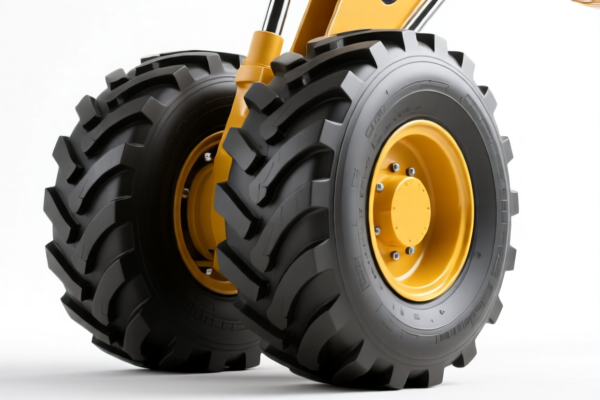
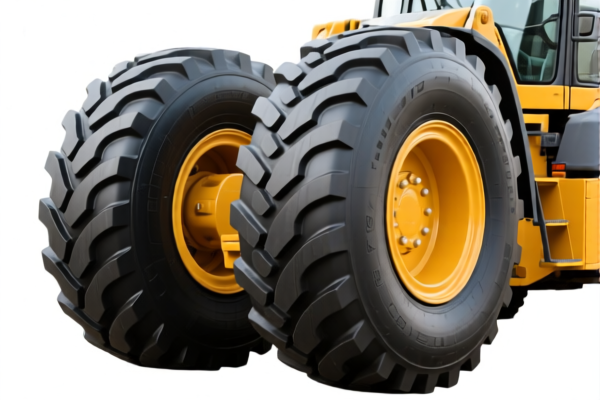
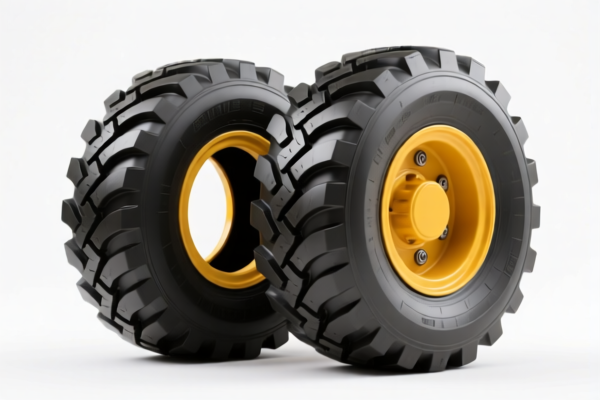
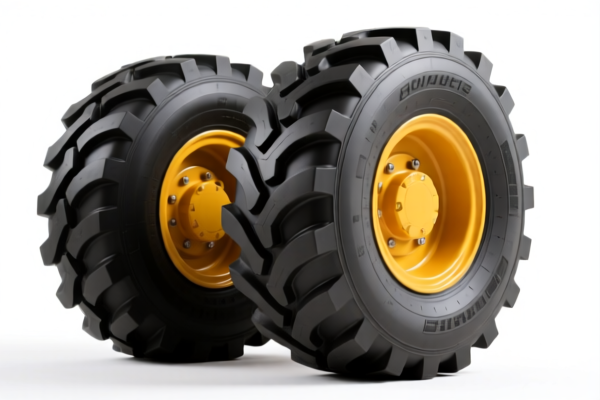
AI Analysis
🚜 Pneumatic Tires for Engineering Machinery (Large-Scale)
🌐 HS Code Reference & Clearance Guide | 2026 Latest Tariff Analysis | Professional Clearance Strategy
📌 I. Product Definition & Classification: What Exactly Are "Engineering Machinery Tires"?
Pneumatic tires for engineering machinery (often referred to as OTR - Off-The-Road tires) are specialized rubber products designed for heavy-duty vehicles used in construction, mining, and industrial handling. Unlike standard vehicle tires, they must withstand extreme loads, harsh terrains, and high-impact stresses.
Key Classification Logic:
- By Structure: Pneumatic (Air-filled) vs. Solid. Note: The input specifies "Pneumatic".
- By Vehicle Type: Mining trucks, excavators, loaders, dozers, etc.
- By Rim Size & Specification: Critical for distinguishing between subheadings in Chapter 40.
⚠️ Key Distinction Point:
- If the tire is for large engineering/mining vehicles with specific rim sizes or load indices, it falls under 4012 (Retreaded/Used) or 4011 (New Pneumatic Tires).
- Crucial: Do not confuse with Inner Tubes (4013) or Retreaded Tires (4012) unless specified. The provided data focuses on new pneumatic tires for large vehicles, primarily under 4011 and 4012 subheadings based on specific attributes like rim diameter or usage inference.
📦 II. HS Code Classification Details (Based on Provided Data)
| HS Code | Product Description | Applicable Scenario | Key Differentiator |
|---|---|---|---|
4012.19.80.00 |
Pneumatic Tires for Large Engineering Vehicles | General "Catch-all" for large tires | Classified under "Other" pneumatic tires based on fallback principles. |
4012.20.80.00 |
Pneumatic Tires for Large Engineering Vehicles | High-pressure pneumatic tires, Rubber material | Meets definition of pneumatic tires, material is rubber. |
4011.80.80.20 |
Pneumatic Tires for Large Engineering Vehicles | Matches usage in Construction/Minering/Industrial Handling; Rim size > 61cm | Specific subheading for large rim sizes in this category. |
4011.80.80.10 |
Pneumatic Tires for Large Engineering Vehicles | Matches usage in Construction, Mining, or Industrial Handling; Rubber material | General subheading for large pneumatic tires in these industries. |
4013.10.00.20 |
Pneumatic Tires for Large Engineering Vehicles | Functional attribute linked to Inner Tubes; Usage in Medium/Large Vehicles | ⚠️ Caution: This code often refers to Inner Tubes or related parts, but data links it to the tire itself for specific functional attributes. Verify if it's a tire or a tube accessory. |
🔍 Important Note:
- 4011 vs. 4012: Chapter 40 distinguishes between new tires (4011) and retreaded/used tires (4012). However, the provided data suggests some ambiguity or specific national sub-classifications where4012codes are used for new large tires based on "fallback principles" or specific regional tariff lines.
- Rim Size: Codes like4011.80.80.20explicitly mention rim size inference (>61cm), which is critical for correct classification.
💰 III. 2026 Latest Tariff Rate Breakdown (Detailed Tax Analysis)
✅ Applicable Country: United States (US)
✅ Origin: China (CN)
✅ Effective Date: Current rates as per 2026 data
🎯 1. 4012.19.80.00 – Large Engineering Pneumatic Tires (Fallback Category)
| Item | Detail |
|---|---|
| Base Tariff | 3.4% |
| Section 301 Tariff | 7.5% |
| Section 122 Tariff | 10% |
| Total Rate | 20.9% |
| Tax Calculation | CIF Value × 20.9% |
| De Minimis Exemption | ❌ Not Eligible (High value commodity) |
| Legal Basis | Base Tariff + Section 301 + Section 122 |
📌 Explanation:
- This code is used when specific criteria for other subheadings aren't fully met, relying on a "fallback" principle.
- Lowest Total Rate (20.9%) among the options, making it potentially attractive if classification allows.
- Section 122 Tariff is an additional surcharge on Chinese goods.
🎯 2. 4012.20.80.00 – Large Engineering Pneumatic Tires (Pneumatic Definition)
| Item | Detail |
|---|---|
| Base Tariff | 0.0% |
| Section 301 Tariff | 25.0% |
| Section 122 Tariff | 10% |
| Total Rate | 35.0% |
| Tax Calculation | CIF Value × 35.0% |
| De Minimis Exemption | ❌ Not Eligible |
| Legal Basis | Section 301 + Section 122 |
📌 Explanation:
- Despite a 0% base tariff, the high Section 301 rate (25%) significantly increases the cost.
- Suitable if the tire strictly meets the "pneumatic" definition without other disqualifying factors.
🎯 3. 4011.80.80.20 – Large Engineering Pneumatic Tires (Rim > 61cm)
| Item | Detail |
|---|---|
| Base Tariff | 3.4% |
| Section 301 Tariff | 25.0% |
| Section 122 Tariff | 10% |
| Total Rate | 38.4% |
| Tax Calculation | CIF Value × 38.4% |
| De Minimis Exemption | ❌ Not Eligible |
| Legal Basis | Base + Section 301 + Section 122 |
📌 Explanation:
- Applies when rim size is inferred to be greater than 61cm.
- Higher total rate due to 25% Section 301 tariff on top of base and Section 122.
🎯 4. 4011.80.80.10 – Large Engineering Pneumatic Tires (General Large Vehicle Use)
| Item | Detail |
|---|---|
| Base Tariff | 3.4% |
| Section 301 Tariff | 25.0% |
| Section 122 Tariff | 10% |
| Total Rate | 38.4% |
| Tax Calculation | CIF Value × 38.4% |
| De Minimis Exemption | ❌ Not Eligible |
| Legal Basis | Base + Section 301 + Section 122 |
📌 Explanation:
- General category for tires used in construction, mining, or industrial handling.
- Same high rate as4011.80.80.20due to Section 301.
🎯 5. 4013.10.00.20 – Pneumatic Tires (Inner Tube Functional Attribute)
| Item | Detail |
|---|---|
| Base Tariff | 3.7% |
| Section 301 Tariff | 25.0% |
| Section 122 Tariff | 10% |
| Total Rate | 38.7% |
| Tax Calculation | CIF Value × 38.7% |
| De Minimis Exemption | ❌ Not Eligible |
| Legal Basis | Base + Section 301 + Section 122 |
📌 Explanation:
- Highest Total Rate (38.7%).
- Caution: HS 4013 typically refers to Inner Tubes. If you are importing tires, ensure this code is not misapplied. It may be used if the product is functionally an inner tube or if specific national rules link it to tire assemblies. Misclassification here can lead to severe penalties.
🛠️ IV. Clearance Practical Advice (Pitfall Avoidance Guide)
✅ 1. Documentation Checklist (Mandatory)
| Document | Required | Description |
|---|---|---|
| ✅ Product Specification Sheet | ✔️ | Must include tire size, load index, speed rating, tread pattern, and material composition. |
| ✅ Technical Drawings/Cross-section | ✔️ | To prove pneumatic structure and confirm rim size (>61cm if claiming 4011.80.80.20). |
| ✅ Product Photos | ✔️ | Clear images of the tire, including sidewall markings (size, DOT, brand). |
| ✅ Commercial Invoice | ✔️ | Must clearly state "Pneumatic Tire for Engineering Machinery" and match HS Code. |
| ✅ Packing List | ✔️ | Detail quantity, weight, and packaging to prevent component separation issues. |
| ✅ Certificate of Origin | ✔️ | To verify Chinese origin for accurate Section 301/122 calculation. |
| ✅ Statement of Use | ✔️ | Confirm usage in construction/mining to justify HS Code subheadings. |
✅ 2. Declaration Tips (Key Mantras)
🔥 "Size Matters, Usage Defines, Code Aligns!"
| Scenario | Correct Declaration | Wrong Practice |
|---|---|---|
| Rim Size > 61cm | Use 4011.80.80.20 |
Use 4011.80.80.10 → May face audit if size not proven. |
| General Large Vehicle Use | Use 4011.80.80.10 |
Use 4012 codes without justification → Delay in clearance. |
| Fallback Classification | Use 4012.19.80.00 with justification |
Use 4012.19.80.00 without explanation → High scrutiny. |
| Inner Tube vs. Tire | Do not mix. If importing tires, avoid 4013 unless specifically allowed. |
Importing tires under 4013 → Misclassification penalty. |
✅ 3. Special Considerations
| Situation | Advice |
|---|---|
| OEM/Custom Tires | Provide design specs to prove "Engineering" use. |
| Retreaded Tires | If actually retreaded, ensure correct classification under 4012, but verify if base code allows. |
| Mixed Containers | Ensure all items are classified correctly. Do not bundle small parts with large tires to hide rates. |
| Rim Size Ambiguity | If rim size is borderline, provide precise measurements to support 4011.80.80.20 if beneficial, or stick to general 4011.80.80.10. |
🌍 V. Global Market Clearance Comparison (2026)
| Country/Region | Recommended HS Code | Tariff (China Origin) | Certification | Notes |
|---|---|---|---|---|
| 🇺🇸 USA | 4011.80.80.10 / 4012.19.80.00 |
20.9% – 38.7% (incl. Sec 301/122) | DOT, ISO | High tariffs due to trade policies. |
| 🇨🇳 China | 4011.80.80.10 |
~5-10% (Import Duty) | CCC (if applicable) | Lower tariffs for domestic use. |
| 🇪🇺 EU | 4011.80.80.80 |
0-5% | ECE Mark, CE | No Section 301/122 equivalent. |
| 🇦🇺 Australia | 4011.80.80.80 |
5% | RCM | Moderate tariffs. |
| 🇯🇵 Japan | 4011.80.80.80 |
0-5% | JIS | Low tariffs, strict safety standards. |
📌 Conclusion:
- USA imposes the highest effective tariffs (20.9%-38.7%) due to Section 301 and Section 122.
- EU, Japan, Australia have significantly lower tariff barriers but require strict safety certifications.
- Cost Optimization: In the US,4012.19.80.00offers the lowest rate (20.9%), but classification must be strictly justified.
📌 VI. Common Errors & Pitfalls (Lessons Learned)
❌ Error 1: Misclassifying Tires under 4013 (Inner Tubes)
👉 Consequence: Misdeclaration, potential fines, and delayed clearance. 4013 is for tubes, not tires.
❌ Error 2: Ignoring Rim Size when selecting 4011 subheadings
👉 Consequence: If rim size > 61cm is not documented, 4011.80.80.20 may be rejected, forcing a switch to higher-tariff or less suitable codes.
❌ Error 3: Not accounting for Section 122 Tariff
👉 Consequence: Underestimating total landed cost. Section 122 adds an extra 10% on top of other tariffs for Chinese goods.
❌ Error 4: Using "Fallback" Code 4012.19.80.00 without justification
👉 Consequence: Customs may challenge the classification, leading to audits and potential back-taxes.
✅ Best Practice:
"Precise Specification, Clear Usage, Accurate Size, Correct Code!"
Example Declaration:
"Pneumatic Rubber Tires for Excavators, Size 26.5R25, Load Index XYZ, For Mining Use, Made in China, Subject to Sec 301/122 Tariffs"
🎯 VII. Conclusion: Professional Classification Saves Costs!
🎯 Key Takeaways:
🔹 Lowest US Tariff:
4012.19.80.00at 20.9%, but requires robust justification.
🔹 Standard Large Tire:4011.80.80.10/.20at 38.4% due to Section 301.
🔹 Avoid 4013: Unless importing inner tubes, avoid this code to prevent misclassification.
🔹 Documentation is Key: Rim size and usage evidence are critical for accurate classification.
📌 Pro Tip:
For high-volume imports, consider applying for an Advance Ruling from CBP (Customs and Border Protection) to lock in the HS Code and tariff rate, reducing uncertainty and risk.
📣 Act Now:
📞 Consult a licensed customs broker.
📄 Prepare detailed technical specs.
🚀 Ensure smooth, compliant clearance and cost control!
✨ Professional Clearance Starts with Accurate Classification!
💼 Every Percent in Tariff Matters!
Customer Reviews
About HS Code Classification
The Harmonized System (HS) is an internationally standardized nomenclature developed by the World Customs Organization (WCO) to classify traded products. Over 200 countries use the HS system as the basis for customs tariffs, trade statistics, and import/export regulations.
Each HS code follows a hierarchical structure:
- Chapter (2 digits) — Broad category of goods (e.g., Chapter 84: Machinery and Mechanical Appliances)
- Heading (4 digits) — More specific grouping within the chapter
- Subheading (6 digits) — Internationally standardized breakdown, used by all WCO member countries
- National subdivisions (8-10 digits) — Country-specific extensions for further classification, such as US HTSUS 10-digit codes
Correct HS code classification is essential for smooth customs clearance, accurate duty payment, and compliance with trade regulations. Misclassification can lead to customs delays, overpayment of duties, or penalties.
When importing from CN to US, the applicable tariff rates may include:
- Most-Favored-Nation (MFN) rate — The standard duty rate applied to WTO members
- General rate — Applied to countries without trade agreements
- Trade remedy duties — Additional tariffs such as Section 301 (anti-dumping), Section 232 (national security), or countervailing duties
The information provided on this page is for reference purposes only. For official classification, please consult with your local customs authority or a licensed customs broker.