Polishing Strip
CN → US| HS Code | Tariff Rate | Origin | Destination | Doc |
|---|---|---|---|---|
| 8460120080 | 39.4% | CN | US | Official Doc |
| 6805301000 | 35.0% | CN | US | Official Doc |
| 8460190150 | 39.4% | CN | US | Official Doc |
| 6307908985 | 17.0% | CN | US | Official Doc |
| 3926904510 | 38.5% | CN | US | Official Doc |
Product Images
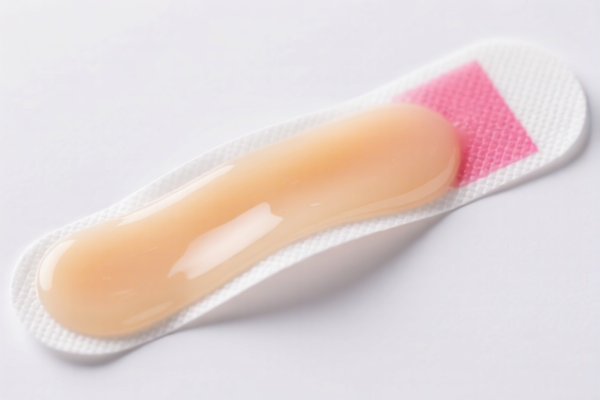
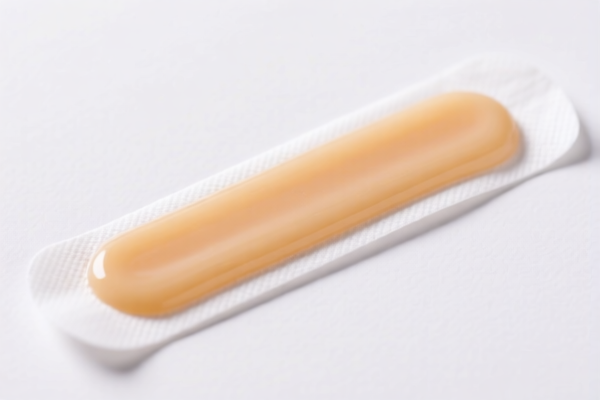
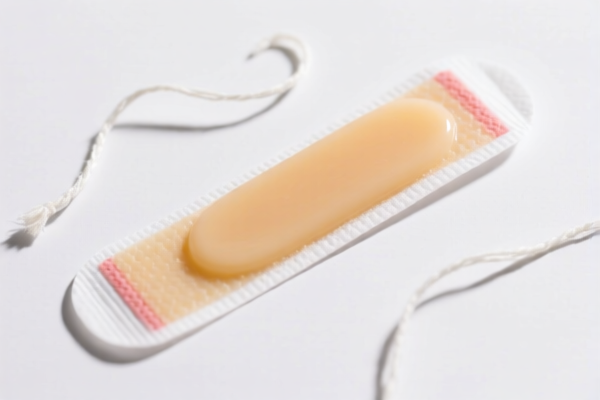
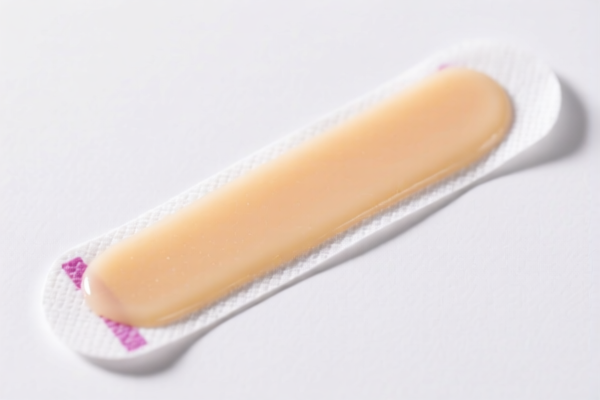
AI Analysis
🛠️ Polishing Strip (Polishing Pads / Abrasive Strips)
🌐 HS Code Reference & Customs Clearance Guide | 2026 Latest Tariff Analysis | Professional Clearance Strategy 📌 I. Product Definition & Classification: Do You Really Understand “Polishing Strips”?
The term "Polishing Strip" is generic and can refer to two distinct types of products in international trade: 1. Machinery Components: Mechanical belts or strips used for surface finishing on industrial machines. 2. Abrasive/Consumable Goods: Loose abrasive materials, pads, or strips used for manual or machine-assisted polishing.
The HS Code classification depends heavily on the material, form, and intended use. Based on the provided data, there are five potential classifications ranging from machinery parts to general textile or plastic goods.
⚠️ Key Distinction Point: - If it is a mechanical part of a machine performing the polishing function → Classify under Chapter 84. - If it is an abrasive material (grinding/polishing medium) without a machine frame → Classify under Chapter 68 (Stone/Ceramics) or Chapter 63/39 (Textiles/Plastics).
📦 II. HS Code Classification Details (2026 Latest Tariff Authority对照)
Based on the provided data, here are the five potential HS Codes and their logical reasoning:
| HS Code | Product Description | Application Scenario | Classification Logic |
|---|---|---|---|
| 8460.12.00.80 | Machines for grinding, finishing, or polishing metal (with self-removing tools) | Industrial machines where the "strip" is part of the polishing mechanism | ✅ Machine Part: Matches the function "Polishing" in Class 84. No material conflict. |
| 8460.19.01.50 | Other machines for grinding, finishing, or polishing | Similar to above, but a "fallback" category if it doesn't fit 8460.12 | ✅ Machine Part: Based on function (fine processing). Fallback rule applies due to lack of specific shape. |
| 6805.30.10.00 | Abrasive materials (powders, grains, etc.) | Loose abrasive strips or pads used as consumables | ✅ Abrasive Medium: Infer from "Polishing" use. Matches "Abrasive" attribute. Fallback category. |
| 6307.90.89.85 | Other made-up articles (Textiles) | Polishing pads made of cotton, wool, or other fabrics | ✅ Textile Article: If made of fabric. No obvious material conflict with cotton/fiber categories. |
| 3926.90.45.10 | Other articles of plastics (Gaskets, Seals, etc.) | Polishing pads made of Polyurethane (PU) or plastic-based materials | ✅ Plastic Article: Inferred as "pad-like" product. Logic matches "other plastic articles." |
🔍 重点提醒 (Key Reminders): - Machinery vs. Consumable: If the strip is attached to a machine and performs the action, it likely falls under 8460. If it is a loose pad used by hand or on a buffing wheel, it falls under 6805, 6307, or 3926. - Material Conflict: Ensure the actual material matches the HS Code. e.g., Do not classify a steel belt as a textile article (6307).
💰 III. 2026 Latest Tariff Rate Breakdown (Including Additional Taxes & Policy Surcharges)
✅ Applicable Country: United States (US) ✅ Origin: China (CN) ✅ Effective Date: Post-November 2025 (Subject to ongoing trade policies)
🎯 1. 8460.12.00.80 & 8460.19.01.50 —— Machinery for Polishing/Grinding
These codes are classified as Machinery.
| Item | Content |
|---|---|
| Base Tariff | 4.4% (Ad Valorem) |
| Section 301 Tariff | +25.0% (Additional duty on Chinese imports) |
| 122 Clause Tariff | +10.0% (Specific trade restriction duty) |
| Total Tariff Rate | 39.4% |
| Tax Calculation | CIF Value × 39.4% |
| De Minimis Exemption | ❌ Not Applicable (High duty rate exceeds de minimis thresholds) |
| Legal Basis Path | HTSUS:8460.12.00.80 → USITC:301_Footnote → USTR:122_Clause |
📌 Explanation: - Base 4.4%: Standard Most Favored Nation (MFN) rate for machinery. - Section 301 (25%): The standard additional tariff on a broad range of Chinese goods. - 122 Clause (10%): Additional duty related to specific trade enforcement measures. - Total 39.4%: This is a significant cost. Machinery components are heavily scrutinized.
🎯 2. 6805.30.10.00 —— Abrasive Materials (Stone/Ceramic based)
This code is classified as Abrasive Articles.
| Item | Content |
|---|---|
| Base Tariff | 0.0% |
| Section 301 Tariff | +25.0% |
| 122 Clause Tariff | +10.0% |
| Total Tariff Rate | 35.0% |
| Tax Calculation | CIF Value × 35.0% |
| De Minimis Exemption | ❌ Not Applicable |
| Legal Basis Path | HTSUS:6805.30.10.00 → USITC:301_Footnote → USTR:122_Clause |
📌 Explanation: - Although the base tariff is 0%, the Section 301 and 122 Clause taxes bring the total to 35.0%. - This is cheaper than machinery (39.4%) but still high.
🎯 3. 6307.90.89.85 —— Other Made-up Textile Articles
This code is classified as Textile/Non-woven Articles.
| Item | Content |
|---|---|
| Base Tariff | 7.0% |
| Section 301 Tariff | 0.0% |
| 122 Clause Tariff | +10.0% |
| Total Tariff Rate | 17.0% |
| Tax Calculation | CIF Value × 17.0% |
| De Minimis Exemption | ❌ Not Applicable (Generally, textile articles under this code are subject to 301 duties, BUT data shows 0% for 301 here. Note: Verify if this specific textile sub-category is exempt from Section 301. If not, add 25%. |
| Legal Basis Path | HTSUS:6307.90.89.85 → USITC:Textile_Rule → USTR:122_Clause |
📌 Explanation: - Lowest Rate: At 17.0%, this is the most cost-effective classification IF the product is indeed made of textile/fabric material. - Warning: You must prove the material is textile. If it is plastic or metal, this classification is incorrect and will lead to penalties.
🎯 4. 3926.90.45.10 —— Other Plastic Articles
This code is classified as Plastic Products.
| Item | Content |
|---|---|
| Base Tariff | 3.5% |
| Section 301 Tariff | +25.0% |
| 122 Clause Tariff | +10.0% |
| Total Tariff Rate | 38.5% |
| Tax Calculation | CIF Value × 38.5% |
| De Minimis Exemption | ❌ Not Applicable |
| Legal Basis Path | HTSUS:3926.90.45.10 → USITC:301_Footnote → USTR:122_Clause |
📌 Explanation: - Similar to machinery, plastic polishing pads are subject to full Section 301 and 122 Clause taxes. - Total 38.5% is high, but slightly lower than machinery (39.4%).
🛠️ IV. Customs Clearance Practical Advice (Avoid Pitfalls)
✅ 1. Documentation Checklist (Must-Have)
| Document | Required | Description |
|---|---|---|
| ✅ Product Specification Sheet | ✔️ | Must clearly state Material (e.g., PU, Cotton, Abrasive Grain) and Dimensions. |
| ✅ Material Composition Report | ✔️ | Crucial for distinguishing between 6307 (Textile), 3926 (Plastic), and 6805 (Abrasive). |
| ✅ Product Photos | ✔️ | Show the item clearly. Is it a belt? A pad? A loose strip? |
| ✅ Commercial Invoice | ✔️ | Use precise description: "Polyurethane Polishing Pad, for Machine Use" or "Cotton Buffing Strip." Avoid vague "Polishing Strip." |
| ✅ Packing List | ✔️ | Detail weights and dimensions. |
✅ 2. Declaration Strategy (Key Mnemonics)
🔥 "Material First, Function Second. Vague Names = High Risk!"
| Scenario | Correct Declaration | Wrong Declaration | Consequence |
|---|---|---|---|
| PU Plastic Pad | 3926.90.45.10 |
"Polishing Tool" | Misclassification → 39.4% + Penalties |
| Cotton/Fabric Pad | 6307.90.89.85 |
"Abrasive Pad" | High Duty (35-39%) instead of 17% |
| Abrasive Grain Strip | 6805.30.10.00 |
"Machine Part" | Wrong Chapter → Rejection |
| Machine Belt | 8460.12.00.80 |
"Textile Product" | Wrong Chapter → Rejection |
✅ 3. Special Considerations
| Situation | Handling Advice |
|---|---|
| Mixed Materials | If the pad has a plastic base and fabric top, consult a customs broker. It may fall under the "essential character" rule (usually the plastic or fabric, depending on function). |
| Sample vs. Commercial | Ensure the sample declared matches the commercial shipment exactly. Changes in material lead to audits. |
| Section 301 Exclusion | Check if your specific HS Code was removed from the Section 301 list (unlikely for these codes, but always verify). |
🌍 V. Global Market Comparison (2026 Latest)
| Country/Region | Recommended HS Code | Tariff Rate (China Origin) | Key Requirement | Note |
|---|---|---|---|---|
| 🇺🇸 USA | 6307.90.89.85 (If Textile) |
17.0% | Material Proof | Lowest duty if textile. Machinery is 39.4%. |
| 🇺🇸 USA | 8460.12.00.80 (If Machine Part) |
39.4% | Machine Function Proof | High duty due to 301 + 122 Clause. |
| 🇨🇳 China | Varies | Varies | CCC/Certificate | Check if export rebates apply. |
| 🇪🇺 EU | Varies | Varies | CE/RoHS | EU may have different classification for abrasive tools. |
📌 Conclusion for USA: - If the product is made of TEXTILE/FABRIC, classify under
6307.90.89.85to save 22-22.4% in duties compared to machinery or plastic. - If the product is PLASTIC or MACHINE PART, you will face high tariffs (~39%). Consider supply chain adjustments or duty drawback programs.
📌 VI. Common Errors & Pitfalls (Lessons Learned)
❌ Error 1: Declaring a Plastic PU Pad as "Textile Pad" to save duty. 👉 Consequence: Customs inspection reveals plastic material. Back taxes + 25% penalty + Seizure risk.
❌ Error 2: Declaring a Machine Belt as "Abrasive Material" (6805).
👉 Consequence: 6805 is for consumables. A machine belt is a part. Misclassification → Delay + Rerating to 8460 (39.4%).
❌ Error 3: Using vague description "Polishing Strip" on the Invoice. 👉 Consequence: CBP cannot determine HS Code. Hold for Inspection → 2-4 weeks delay.
✅ Correct Practice:
"Polyurethane Polishing Pad, 10-inch diameter, for use with orbital sander, Model XYZ, 100% Polyurethane." (This clearly points to
3926.90.45.10)
🎯 VII. Conclusion: Professional Declaration Saves Money!
🎯 Remember the Mnemonic:
🔹 "Textile Pads: 17%, Plastic/Machine: 39%." 🔹 "Define Material, Not Just Function." 🔹 "Vague Description = High Risk."
📌 Tips:
- If your polishing strips are made of Cotton or Nylon Fabric, insist on
6307.90.89.85for the 17.0% rate.- If they are PU (Polyurethane), expect
3926.90.45.10at 38.5%.- Pre-Ruling: Consider applying for an Advance Ruling from US CBP if the material composition is ambiguous.
📣 Immediate Action:
📞 Contact your customs broker with material specifications. 🚀 Optimize your HS Code to save up to 22% in tariffs.
✨ Professional Customs Clearance Starts with Accurate Classification! 💼 Every Percent of Duty Saved is Pure Profit!
Customer Reviews
About HS Code Classification
The Harmonized System (HS) is an internationally standardized nomenclature developed by the World Customs Organization (WCO) to classify traded products. Over 200 countries use the HS system as the basis for customs tariffs, trade statistics, and import/export regulations.
Each HS code follows a hierarchical structure:
- Chapter (2 digits) — Broad category of goods (e.g., Chapter 84: Machinery and Mechanical Appliances)
- Heading (4 digits) — More specific grouping within the chapter
- Subheading (6 digits) — Internationally standardized breakdown, used by all WCO member countries
- National subdivisions (8-10 digits) — Country-specific extensions for further classification, such as US HTSUS 10-digit codes
Correct HS code classification is essential for smooth customs clearance, accurate duty payment, and compliance with trade regulations. Misclassification can lead to customs delays, overpayment of duties, or penalties.
When importing from CN to US, the applicable tariff rates may include:
- Most-Favored-Nation (MFN) rate — The standard duty rate applied to WTO members
- General rate — Applied to countries without trade agreements
- Trade remedy duties — Additional tariffs such as Section 301 (anti-dumping), Section 232 (national security), or countervailing duties
The information provided on this page is for reference purposes only. For official classification, please consult with your local customs authority or a licensed customs broker.