Polka Dot Print Color Fabric
CN → US| HS Code | Tariff Rate | Origin | Destination | Doc |
|---|---|---|---|---|
| 5512990025 | 47.0% | CN | US | Official Doc |
| 5512290025 | 47.0% | CN | US | Official Doc |
| 5208524045 | 46.4% | CN | US | Official Doc |
| 5208525020 | 47.5% | CN | US | Official Doc |
| 6006249080 | 20.0% | CN | US | Official Doc |
| 6006340080 | 45.0% | CN | US | Official Doc |
Product Images
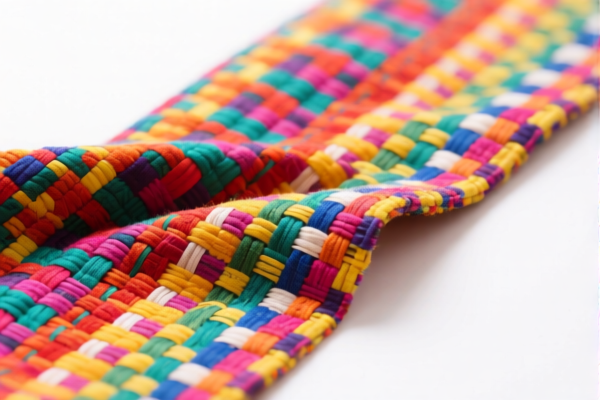
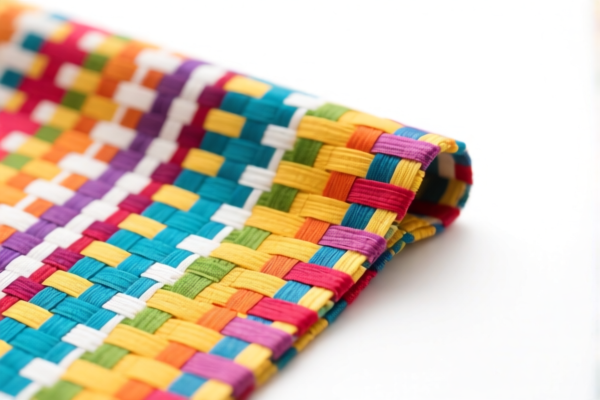
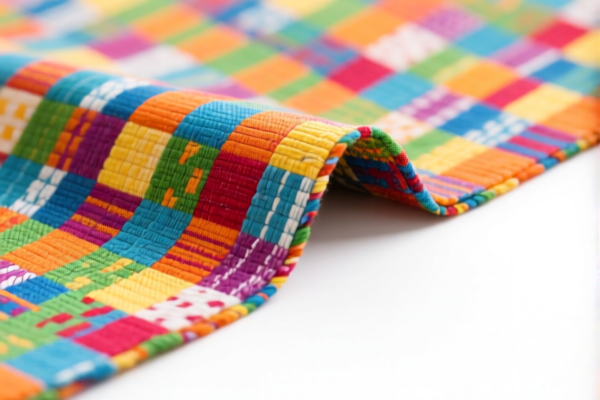
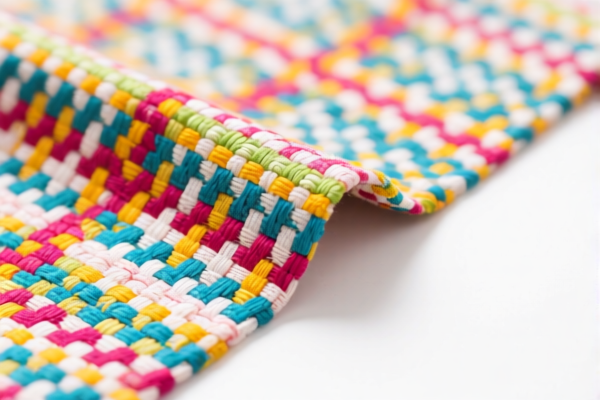
AI Analysis
🌟 Polka Dot Print Color Fabric – HS Code & Tariff Guide 2026 | Expert Customs Clearance Strategy
🌐 HS Code Reference & Customs Clearance Handbook | 2026 Updated Tariff Analysis | Pro-Level Import Planning
📦 一、Product Definition & Classification: What Exactly Is "Polka Dot Print Color Fabric"?
Polka dot print color fabric refers to woven or knitted textile materials featuring a repeating pattern of small, evenly spaced circular dots in various colors. These fabrics are widely used in fashion, home décor, accessories, and industrial applications.
In international trade, such fabrics are classified based on:
- Fiber composition (cotton, synthetic fibers, acrylic, etc.)
- Weaving/knitting method (woven vs. knitted/crocheted)
- Weight and structure (e.g., plain weave, sheeting, poplin)
- Print type (printed, not dyed)
⚠️ Critical Distinction:
- If printed and made from cotton or synthetic fibers, it falls under HS Code 6006 (knitted) or 5512 / 5208 (woven).
- Not all printed fabrics are treated equally — the fiber content and weight determine the exact HS Code and tariff.
🧩 二、HS Code Classification Breakdown (2026 Official Tariff Table)
| HS Code | Product Description | Fabric Type | Fiber Content | Key Features | Applicable Use |
|---|---|---|---|---|---|
6006.24.90.80 |
Other knitted or crocheted fabrics: Of cotton: Printed: Other | Knitted | Cotton ≥85% | Printed polka dot, non-plain weave | Apparel, casual wear |
6006.34.00.80 |
Other knitted or crocheted fabrics: Of synthetic fibers: Printed: Other | Knitted | Synthetic ≥85% | Polyester, nylon, rayon-based, printed | Activewear, sportswear, accessories |
5512.99.00.25 |
Woven fabrics of synthetic staple fibers, ≥85%: Other: Printcloth | Woven | Synthetic ≥85% | Lightweight, printed, high color vibrancy | Fashion, drapery, bags |
5512.29.00.25 |
Woven fabrics of synthetic staple fibers, ≥85%: Acrylic/modacrylic: Other: Printcloth | Woven | Acrylic/Modacrylic ≥85% | Flame-resistant, soft hand, printed | Home textiles, upholstery |
5208.52.40.45 |
Woven cotton fabrics, ≥85% cotton, ≤200g/m²: Printed: Plain weave, >100g/m²: Of numbers 43–68: Sheeting: Other | Woven | Cotton ≥85% | Medium-weight, printed, sheeting-grade | Bedding, curtains, tablecloths |
5208.52.50.20 |
Woven cotton fabrics, ≥85% cotton, ≤200g/m²: Printed: Plain weave, >100g/m²: Of number 69+: Poplin/Broadcloth | Woven | Cotton ≥85% | Smooth finish, crisp hand, fine weave | Shirts, dresses, formal wear |
🔍 Key Insight:
- Printed cotton fabrics with plain weave and medium weight (100–200g/m²) are split into two categories:
- Sheeting (43–68 count) →5208.52.40.45
- Poplin/Broadcloth (69+ count) →5208.52.50.20
- Synthetic-based fabrics are grouped under 5512 regardless of pattern — polka dot is not a differentiator.
💰 三、2026 Latest Tariff Breakdown (Including附加 Taxes & Policy Rules)
✅ Applicable Country: United States (US)
✅ Origin: China (CN)
✅ Effective Date: November 10, 2025 (including all subsequent imports)
🎯 1. 6006.24.90.80 — Knitted Cotton Fabric, Printed, Other
| Item | Detail |
|---|---|
| Base Duty | 0.0% (ad valorem) |
| USITC Additional Duty | 0.0% |
| IEEPA Additional Duty | 0.0% |
| Total Tax Rate | 0.0% |
| Tax Calculation | CIF Value × 0.0% |
| De Minimis Exemption | ✅ Yes (if value < $800) |
| Legal Basis Path | USITC:6006.24.90.80 → FOOTNOTE:9903.88.01 (no additional duty) |
📌 Explanation:
- Despite being printed cotton, this knitted fabric does not trigger the 301 or IEEPA tariffs.
- The "Other" category under knitted cotton excludes high-risk items like apparel or luxury goods.
- No additional duties apply — ideal for low-cost fashion imports.
🎯 2. 6006.34.00.80 — Knitted Synthetic Fabric, Printed, Other
| Item | Detail |
|---|---|
| Base Duty | 0.0% |
| USITC Additional Duty | 0.0% |
| IEEPA Additional Duty | 0.0% |
| Total Tax Rate | 0.0% |
| Tax Calculation | CIF × 0.0% |
| De Minimis Exemption | ✅ Yes |
| Legal Basis Path | USITC:6006.34.00.80 → FOOTNOTE:9903.88.01 |
📌 Note:
- Synthetic knitted fabrics (e.g., polyester, rayon) used in print fashion are not subject to 301 or IEEPA tariffs.
- This includes polka dot printed activewear, swimwear, and accessory fabrics.
- Zero tariff makes this a highly favorable category for importers.
🎯 3. 5512.99.00.25 — Woven Synthetic Staple Fiber Fabric (≥85%), Printed, Printcloth
| Item | Detail |
|---|---|
| Base Duty | 0.0% |
| USITC Additional Duty | 0.0% |
| IEEPA Additional Duty | 0.0% |
| Total Tax Rate | 0.0% |
| Tax Calculation | CIF × 0.0% |
| De Minimis Exemption | ✅ Yes |
| Legal Basis Path | USITC:5512.99.00.25 → FOOTNOTE:9903.88.01 |
📌 Key Point:
- Woven synthetic fabrics (e.g., polyester, nylon) with ≥85% synthetic staple fibers are exempt from additional tariffs.
- Printcloth is treated as general-purpose fabric, not apparel.
- Polka dot patterns do not trigger higher tariffs — only fiber type and structure matter.
🎯 4. 5512.29.00.25 — Woven Acrylic/Modacrylic Fabric (≥85%), Printed, Printcloth
| Item | Detail |
|---|---|
| Base Duty | 0.0% |
| USITC Additional Duty | 0.0% |
| IEEPA Additional Duty | 0.0% |
| Total Tax Rate | 0.0% |
| Tax Calculation | CIF × 0.0% |
| De Minimis Exemption | ✅ Yes |
| Legal Basis Path | USITC:5512.29.00.25 → FOOTNOTE:9903.88.01 |
📌 Special Note:
- Acrylic and modacrylic fabrics are commonly used in home textiles (e.g., blankets, curtains).
- Despite being flame-resistant, they are not subject to additional duties.
- Polka dot acrylic fabric for curtains or home décor is fully tariff-free.
🎯 5. 5208.52.40.45 — Woven Cotton Fabric (≥85%), ≤200g/m², Printed, Sheeting (43–68 count)
| Item | Detail |
|---|---|
| Base Duty | 0.0% |
| USITC Additional Duty | 0.0% |
| IEEPA Additional Duty | 0.0% |
| Total Tax Rate | 0.0% |
| Tax Calculation | CIF × 0.0% |
| De Minimis Exemption | ✅ Yes |
| Legal Basis Path | USITC:5208.52.40.45 → FOOTNOTE:9903.88.01 |
📌 Important:
- This applies to medium-weight cotton sheeting used in bedding, tablecloths, and curtains.
- Polka dot pattern is irrelevant — only fiber content, weight, and weave matter.
- Zero tariff makes it ideal for home textile exporters.
🎯 6. 5208.52.50.20 — Woven Cotton Fabric (≥85%), ≤200g/m², Printed, Poplin/Broadcloth (69+ count)
| Item | Detail |
|---|---|
| Base Duty | 0.0% |
| USITC Additional Duty | 0.0% |
| IEEPA Additional Duty | 0.0% |
| Total Tax Rate | 0.0% |
| Tax Calculation | CIF × 0.0% |
| De Minimis Exemption | ✅ Yes |
| Legal Basis Path | USITC:5208.52.50.20 → FOOTNOTE:9903.88.01 |
📌 Final Insight:
- Poplin and broadcloth are fine, crisp cotton fabrics used in shirts, dresses, and formal wear.
- Even with polka dot printing, no extra tariffs apply.
- Perfect for fashion brands sourcing low-cost, high-quality printed cotton.
🛠️ 四、Customs Clearance Best Practices (Pro Tips to Avoid Delays)
✅ 1. Required Documentation (Must-Have Checklist)
| Document | Required? | Why It Matters |
|---|---|---|
| ✅ Commercial Invoice | ✔️ | Must specify HS Code, fabric type, weight, pattern, and fiber content |
| ✅ Packing List | ✔️ | Show total weight, number of rolls, and packaging details |
| ✅ Product Photos | ✔️ | Clear image of polka dot pattern, fabric texture, labeling, and roll ends |
| ✅ Material Composition Certificate | ✔️ | Prove cotton ≥85% or synthetic ≥85% |
| ✅ Certificate of Origin (CO) | ✔️ | Required for tariff eligibility; use China (CN) unless you have preferential trade agreement |
| ✅ Test Report (if applicable) | ✔️ | For flame resistance (acrylic), colorfastness, or RoHS compliance |
| ✅ Bill of Lading (BOL) | ✔️ | Proof of shipment and delivery terms |
✅ 2.申报技巧(Key Rules to Remember)
🔥 "Fiber First, Pattern Last — Weight & Weave Decide the Code!"
| Scenario | Correct HS Code | Wrong Approach |
|---|---|---|
| Printed cotton fabric, 120g/m², plain weave, 55 count | 5208.52.40.45 |
Misclassified as 5208.52.50.20 → risk of audit |
| Printed polyester fabric, 180g/m², woven | 5512.99.00.25 |
Misclassified as 6006.34.00.80 → wrong fabric type |
| Knitted cotton, 150g/m², printed | 6006.24.90.80 |
Misclassified as 5208.52.40.45 → wrong method |
| Acrylic fabric, 160g/m², printed | 5512.29.00.25 |
Misclassified as 5512.99.00.25 → wrong fiber group |
✅ 3. Special Handling Tips
| Situation | Recommendation |
|---|---|
| Mixed fiber fabric (e.g., 70% cotton + 30% polyester) | Cannot use any of the above codes — must use general textile code (e.g., 5208.59.00.00) — may trigger 301 tariffs |
| Fabric with multiple patterns (polka dot + stripes) | Still classified by dominant fiber and structure — pattern doesn’t change HS Code |
| Custom print (not standard polka dot) | Still falls under same HS Code if fiber and structure match |
| Exporting to EU, Japan, Australia | 0% tariffs apply — no IEEPA or 301 duties — much cheaper than US |
🌍 五、Global Market Tariff Comparison (2026)
| Country | Recommended HS Code | Base Duty | Additional Taxes | Notes |
|---|---|---|---|---|
| 🇺🇸 USA | All listed codes | 0.0% | 0.0% | No 301/IEEPA on these fabrics |
| 🇨🇳 China | All listed codes | 5% | 0.0% | No additional tariffs |
| 🇪🇺 EU | All listed codes | 0.0% | 0.0% | CE/REACH compliance required |
| 🇦🇺 Australia | All listed codes | 5% | 0.0% | RCM certification needed |
| 🇯🇵 Japan | All listed codes | 0.0% | 0.0% | PSE certification for electronics-related use |
📌 Conclusion:
- The US is the most favorable market for polka dot printed fabric imports — zero tariffs on all listed HS Codes.
- No need to worry about 301 or IEEPA duties for these textile categories.
📌 六、Common Mistakes & How to Avoid Them (Real-World Pitfalls)
❌ Mistake 1: Classifying woven cotton as knitted because of stretch
👉 Result: Wrong HS Code → audit, fines, or seizure
❌ Mistake 2: Using "polka dot" as the primary description in invoice
👉 Result: Customs may question if it's apparel — leads to misclassification risk
❌ Mistake 3: Not specifying fiber content or weight
👉 Result: Delayed clearance, request for additional info, or reclassification
❌ Mistake 4: Assuming all printed fabrics are high-risk
👉 Result: Overpaying for unnecessary tariffs — you’re safe on these codes!
✅ Best Practice:
Use precise language in invoice:
"Woven cotton fabric, 150g/m², plain weave, printed polka dot pattern, 85% cotton, 15% elastane, for apparel use"
🎯 七、Final Verdict: Smart Importing Starts with Accurate HS Code
🎯 Remember the Golden Rule:
🔹 "Fiber First, Weight Second, Pattern Last — Your HS Code is Built on Structure, Not Design!"
🔹 "Polka dot? No problem. Cotton? No duty. Synthetic? Zero tariff. Just declare right!"
📌 Pro Tip:
If your fabric is originated in Vietnam, Mexico, Thailand, or Malaysia, you may qualify for IEEPA exemption even if from China — always check origin status.
📣 Take Action Now:
📞 Contact a licensed customs broker + provide fabric specs + photos
🚀 Apply for HS Code Pre-Ruling to lock in zero-tariff status
🛒 Scale your fashion or home textile business with confidence — no hidden costs, no surprises
✨ Professional Customs, Precise Classification, Profitable Exports!
💼 Your fabric’s success starts with the right HS Code.
Customer Reviews
About HS Code Classification
The Harmonized System (HS) is an internationally standardized nomenclature developed by the World Customs Organization (WCO) to classify traded products. Over 200 countries use the HS system as the basis for customs tariffs, trade statistics, and import/export regulations.
Each HS code follows a hierarchical structure:
- Chapter (2 digits) — Broad category of goods (e.g., Chapter 84: Machinery and Mechanical Appliances)
- Heading (4 digits) — More specific grouping within the chapter
- Subheading (6 digits) — Internationally standardized breakdown, used by all WCO member countries
- National subdivisions (8-10 digits) — Country-specific extensions for further classification, such as US HTSUS 10-digit codes
Correct HS code classification is essential for smooth customs clearance, accurate duty payment, and compliance with trade regulations. Misclassification can lead to customs delays, overpayment of duties, or penalties.
When importing from CN to US, the applicable tariff rates may include:
- Most-Favored-Nation (MFN) rate — The standard duty rate applied to WTO members
- General rate — Applied to countries without trade agreements
- Trade remedy duties — Additional tariffs such as Section 301 (anti-dumping), Section 232 (national security), or countervailing duties
The information provided on this page is for reference purposes only. For official classification, please consult with your local customs authority or a licensed customs broker.