Polo衫
CN → US| HS Code | Tariff Rate | Origin | Destination | Doc |
|---|---|---|---|---|
| 6109901049 | 49.5% | CN | US | Official Doc |
| 6105100010 | 29.7% | CN | US | Official Doc |
| 6105100030 | 37.2% | CN | US | Official Doc |
| 6205202026 | 37.2% | CN | US | Official Doc |
| 6109100027 | 34.0% | CN | US | Official Doc |
| 6205202067 | 37.2% | CN | US | Official Doc |
Product Images
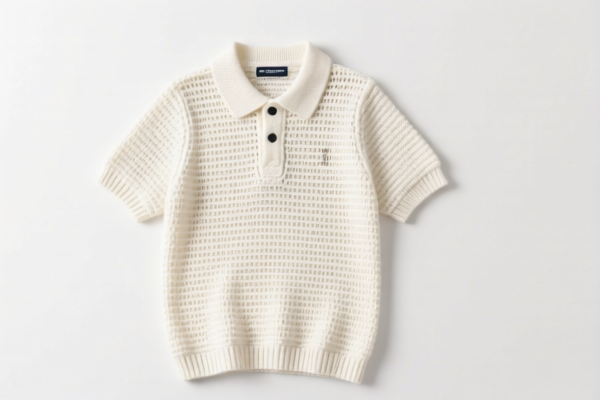
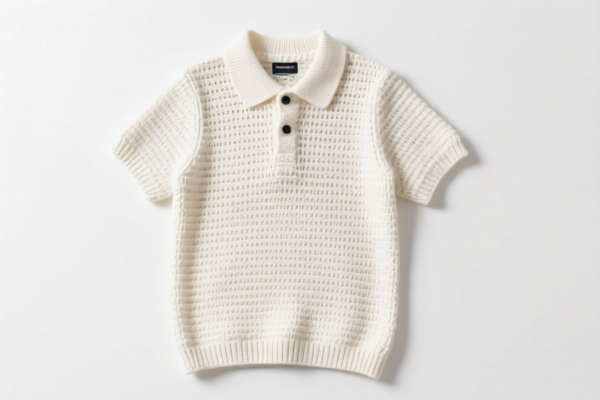
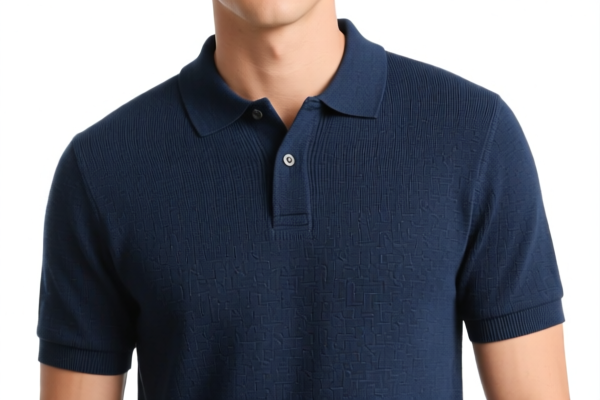
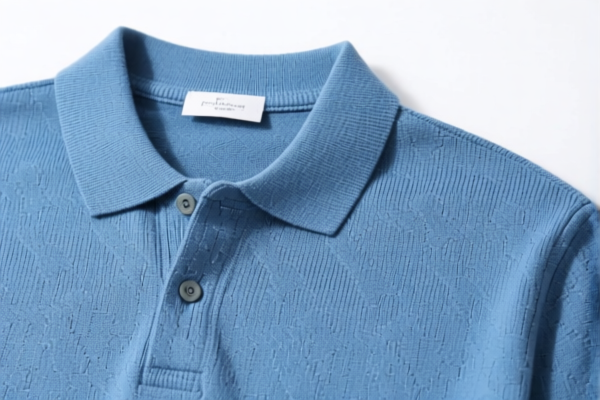
AI Analysis
👕 Polo Shirt (The Ultimate Guide to US Customs Classification & Tariffs 2026)
🌐 HS Code Reference & Clearance Guide | 2026 Latest Tariff Analysis | Professional Entry Strategy
📌 I. Product Definition & Classification: Do You Really Understand "Polo Shirts"?
The Polo Shirt is a versatile staple in global fashion, sitting at the crossroads of casual wear, sportswear, and business casual. In international trade, its classification hinges on two critical factors: Manufacturing Process (Knitted vs. Woven) and Material Composition.
Key Distinctions:
- Knitted Polos: Made from jersey or interlock fabric (stretchy, t-shirt-like). These are classified under Chapter 61.
- Woven Polos: Made from non-stretch fabric (shirts that look like dress shirts but with a collar). These are classified under Chapter 62.
- Material Matters:
- Cotton (Natural fiber) → Generally lower base tariffs, specific "10%" section rules apply.
- Synthetic/Fibers (Man-made) → Often attracts higher base tariffs.
⚠️ Critical Alert:
- Misclassifying a Knitted Polo as Woven (or vice versa) leads to immediate Customs Rejection or Re-calculation of Duties.
- Under current US trade policies (Section 301, Section 122, etc.), Cotton vs. Synthetic and Men's vs. Women's (often implied in HS Code) significantly alter the total tax burden.
📦 II. HS Code Classification Details (2026 Authoritative对照)
Based on the latest US Customs Data, here are the 6 potential HS Codes for Polo Shirts, ranging from 34.0% to 49.5% total tax.
| HS Code | Product Description | Material & Form | Total Tax Rate | Key Tax Components |
|---|---|---|---|---|
| 6109.90.10.49 | Other Knitted T-shirts & Polo Shirts | Synthetic / Other Fibers (Knitted) | 49.5% | Base: 32% + Sec. 301: 7.5% + Sec. 122: 10% |
| 6105.10.00.10 | Men's Knitted Cotton Shirts (Polo) | Cotton (Knitted) | 29.7% | Base: 19.7% + Sec. 301: 0% + Sec. 122: 10% |
| 6105.10.00.30 | Men's Knitted Cotton Shirts (Polo) | Cotton (Knitted) | 37.2% | Base: 19.7% + Sec. 301: 7.5% + Sec. 122: 10% |
| 6205.20.20.26 | Men's Woven Shirts (Polo) | Cotton/Mix (Woven, Dress Shirt style) | 37.2% | Base: 19.7% + Sec. 301: 7.5% + Sec. 122: 10% |
| 6109.10.00.27 | Cotton T-shirts & Other Knitted Shirts | Cotton (Knitted) | 34.0% | Base: 16.5% + Sec. 301: 7.5% + Sec. 122: 10% |
| 6106.10.00.10 | Women's/Men's Knitted Blouses/Shirts | Cotton/Synthetic Mix | 37.2% | Base: 19.7% + Sec. 301: 7.5% + Sec. 122: 10% |
🔍 Key Insight:
- The "Cotton" Advantage:6105.10.00.10offers the lowest total tax (29.7%) because it avoids the 7.5% "Section 301" (add-on) tariff.
- The "Synthetic" Penalty: If the Polo is synthetic (polyester/rayon) or mixed, the tax jumps to 49.5% (6109.90.10.49).
- Knitted vs. Woven:6105(Knitted) and6205(Woven) have different base tariffs. A "classic" knit polo is usually6105, while a formal woven polo is6205.
💰 III. 2026 US Tariff Rate Breakdown (Detailed Policy Analysis)
✅ Applicable Market: United States (US)
✅ Country of Origin: China (CN)
✅ Effective Timeline: Based on current Section 301, 122, and Base Tariff structures.
🎯 1. 6105.10.00.10 — The "Golden" Cotton Knit Polo (Lowest Cost)
Summary: "Pure Cotton Knitted Shirt"
| Component | Rate | Details |
|---|---|---|
| Base Tariff | 19.7% | Standard Most-Favored-Nation (MFN) rate for cotton shirts. |
| Section 301 (Add-on) | 0.0% | CRITICAL: Exempt from the 7.5% additional tariff. |
| Section 122 | 10.0% | Additional tariff under Section 122 (Trade Act provisions). |
| TOTAL DUTY | 29.7% | Lowest possible rate for Polos. |
| Legal Path | HTSUS:6105.10.00.10 → Section 301: 0% → Section 122: 10% |
📌 Strategy: If your product is 100% Cotton and Knitted, this is your target code. You save 7.5% compared to other cotton codes.
🎯 2. 6105.10.00.30 & 6106.10.00.10 — The "Standard" Cotton/Synthetic Polo
Summary: "Knitted Cotton with Trade Penalties"
| Component | Rate | Details |
|---|---|---|
| Base Tariff | 19.7% | Standard MFN rate. |
| Section 301 (Add-on) | 7.5% | Penalty: Applies to many textile items from China. |
| Section 122 | 10.0% | Additional tariff. |
| TOTAL DUTY | 37.2% | Standard High Cost. |
| Legal Path | HTSUS:6105.10.00.30 → Section 301: 7.5% → Section 122: 10% |
📌 Strategy: Used when the cotton content is mixed, or if the specific sub-category doesn't qualify for the 0% Section 301 exemption. Avoid if possible.
🎯 3. 6109.90.10.49 — The "Synthetic" Penalty (Highest Cost)
Summary: "Man-made Fiber Knitted Shirt"
| Component | Rate | Details |
|---|---|---|
| Base Tariff | 32.0% | High base rate for synthetic fibers. |
| Section 301 (Add-on) | 7.5% | Additional penalty. |
| Section 122 | 10.0% | Additional tariff. |
| TOTAL DUTY | 49.5% | Extremely High. |
| Legal Path | HTSUS:6109.90.10.49 → Section 301: 7.5% → Section 122: 10% |
📌 Strategy: This is the worst-case scenario. If your Polo is Polyester or Rayon, you pay almost 50% duty. Re-evaluate your supply chain material sourcing immediately.
🛠️ IV. Practical Clearance Advice (Action Plan)
✅ 1. Material Declaration (The Most Critical Step)
| Scenario | Action |
|---|---|
| 100% Cotton | Declare as 6105.10.00.10 if knitted. Get a Fiber Content Test Report to prove it is cotton. |
| Polyester/Rayon | Expect 49.5%. Consider switching suppliers to cotton-blend or 100% cotton if margins allow. |
| Mix (e.g., 60% Cotton/40% Poly) | Check the "Principal Character" rule. It usually defaults to the synthetic side if >50% poly, or specific "other" codes. |
✅ 2. "Knitted" vs. "Woven" Verification
| Scenario | Action |
|---|---|
| Jersey Fabric (Stretchy) | Must be Chapter 61 (Knitted). |
| Poplin/Oxford (Non-stretch) | Must be Chapter 62 (Woven). |
| Mistake | Declaring a Knitted Polo as Woven (6205) can lead to a 37.2% rate, but declaring a Woven Polo as Knitted (6105) can lead to penalties. |
✅ 3. Labeling & Packaging
🔥 The "Polo" Trap: Many Polo shirts look like T-shirts (
6109). Ensure the collar and placket (button area) clearly indicate it is a "Polo Shirt" (Collared T-shirt) and not a "T-Shirt" (No collar). - Correct Label: "Polo Shirt, Cotton, Knitted". - Wrong Label: "T-Shirt" (if it has a collar) or "Dress Shirt" (if it's knitted).
🌍 V. Market Comparison & Cost Optimization
| HS Code | Base Tax | Sec 301 | Sec 122 | Total | Recommendation |
|---|---|---|---|---|---|
| 6105.10.00.10 | 19.7% | 0% | 10% | 29.7% | ✅ BEST (100% Cotton Knitted) |
| 6109.10.00.27 | 16.5% | 7.5% | 10% | 34.0% | ⚠️ Good (Cotton T-shirt style) |
| 6105.10.00.30 | 19.7% | 7.5% | 10% | 37.2% | ❌ Avoid (Cotton with penalties) |
| 6205.20.20.26 | 19.7% | 7.5% | 10% | 37.2% | ❌ Avoid (Woven) |
| 6106.10.00.10 | 19.7% | 7.5% | 10% | 37.2% | ❌ Avoid (Mixed/Blouse) |
| 6109.90.10.49 | 32.0% | 7.5% | 10% | 49.5% | 🔴 AVOID (Synthetic) |
📌 VI. Common Mistakes & Pitfalls (Learn from Errors!)
❌ Mistake 1: "It's a Polo, so it's 37.2%."
👉 Correction: Not true! If you are 100% Cotton and Knitted, you can get 29.7%. Check your code 6105.10.00.10.
❌ Mistake 2: Confusing "Knitted" with "Woven".
👉 Correction: Touch the fabric. If it stretches like a t-shirt, it's Knitted (61xx). If it's stiff and non-stretch, it's Woven (62xx). Mixing these up causes Customs audits.
❌ Mistake 3: Ignoring the "Section 122" 10% Surcharge.
👉 Correction: All codes listed above include the 10% Section 122 tax. Do not assume "Base Tax + 301" is the total. The 10% is almost always there for China-origin goods.
❌ Mistake 4: Synthetic Material Blunders.
👉 Correction: If you use 100% Polyester, you are looking at 49.5%. This is a dealbreaker for low-margin items. Switch to Cotton immediately.
🎯 VII. Final Conclusion: How to Save Money on Polo Shirts?
🔹 Rule of Thumb:
"Cotton + Knitted = Code 6105.10.00.10 = 29.7% Tax."
"Synthetic = 49.5% Tax."
"Woven = 37.2% Tax."🔹 Actionable Steps:
1. Verify Material: Run a lab test to confirm 100% Cotton.
2. Check Construction: Ensure it is Knitted (Jersey).
3. Declare Correctly: Use 6105.10.00.10 to unlock the 0% Section 301 exemption.
4. Avoid Synethetics: If you must use synthetic, calculate if the 49.5% tax kills your profit margin.
📌 Pro Tip:
If your Polo is made in Vietnam, Mexico, or Malaysia, you might be eligible to bypass the Section 301 (7.5%) and Section 122 (10%) taxes, potentially dropping the rate to just the Base Tariff (16.5% - 19.7%).
Consider Supply Chain Diversification!
✨ Smart Customs, Higher Profit Margins!
💼 Every 0.1% in tax savings counts!
Customer Reviews
About HS Code Classification
The Harmonized System (HS) is an internationally standardized nomenclature developed by the World Customs Organization (WCO) to classify traded products. Over 200 countries use the HS system as the basis for customs tariffs, trade statistics, and import/export regulations.
Each HS code follows a hierarchical structure:
- Chapter (2 digits) — Broad category of goods (e.g., Chapter 84: Machinery and Mechanical Appliances)
- Heading (4 digits) — More specific grouping within the chapter
- Subheading (6 digits) — Internationally standardized breakdown, used by all WCO member countries
- National subdivisions (8-10 digits) — Country-specific extensions for further classification, such as US HTSUS 10-digit codes
Correct HS code classification is essential for smooth customs clearance, accurate duty payment, and compliance with trade regulations. Misclassification can lead to customs delays, overpayment of duties, or penalties.
When importing from CN to US, the applicable tariff rates may include:
- Most-Favored-Nation (MFN) rate — The standard duty rate applied to WTO members
- General rate — Applied to countries without trade agreements
- Trade remedy duties — Additional tariffs such as Section 301 (anti-dumping), Section 232 (national security), or countervailing duties
The information provided on this page is for reference purposes only. For official classification, please consult with your local customs authority or a licensed customs broker.