Polyamide Blended Woven Fabric (Home Textiles)
CN → US| HS Code | Tariff Rate | Origin | Destination | Doc |
|---|---|---|---|---|
| 6302932000 | 0.0% | CN | US | Official Doc |
| 6302322040 | 21.4% | CN | US | Official Doc |
| 5407942090 | 49.9% | CN | US | Official Doc |
| 5407922090 | 49.9% | CN | US | Official Doc |
Product Images
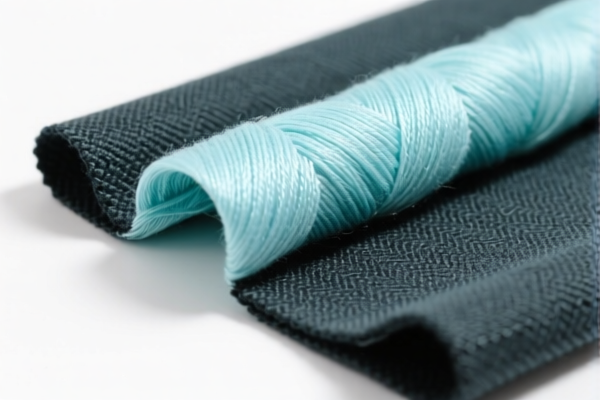
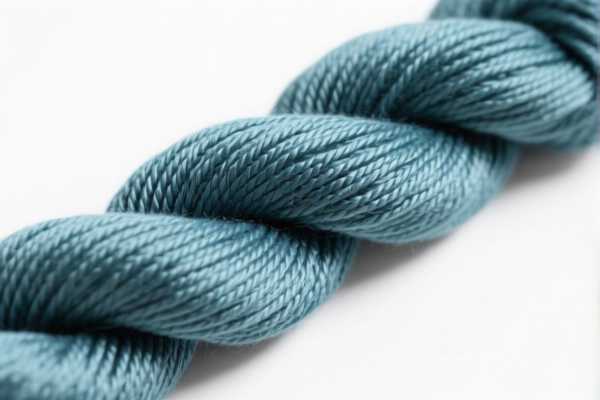
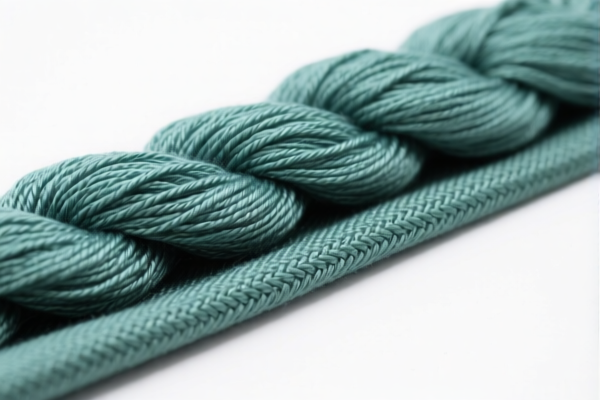
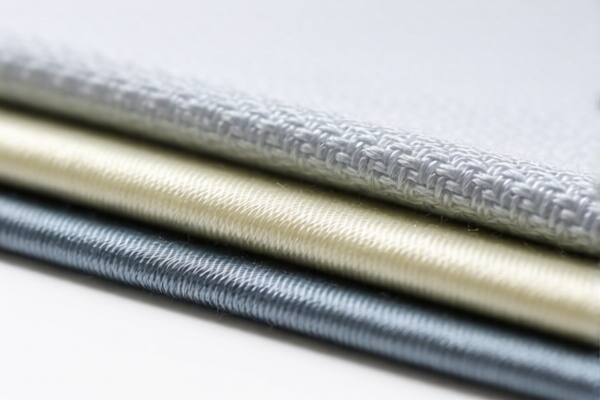
AI Analysis
🌐 Polyamide Blended Woven Fabric (Home Textiles)
📌 HS Code Reference & Customs Clearance Guide | 2026 Latest Tariff Breakdown | Pro-Level Import Strategy
🧵 一、Product Definition & Classification: What Exactly Is "Polyamide Blended Woven Fabric"?
Polyamide blended woven fabric is a textile material made by interlacing polyamide fibers (commonly known as nylon) with other fibers (such as polyester, cotton, or rayon) in a woven structure. It is widely used in home textiles, including:
- Curtains & drapes
- Upholstery fabrics
- Bedding sets (duvet covers, bedspreads)
- Table linens & napkins
- Indoor cushions & decorative throws
⚠️ Key Classification Rule:
- If the fabric contains ≥ 85% polyamide by weight → 84.05.90.00
- If < 85% polyamide but still contains polyamide → 5907.00.90.00
- If no polyamide, only cotton/polyester → 5208.10.00 / 5407.71.00🔍 Critical Distinction:
- "Blended" means multiple fibers mixed together → must check fiber composition
- "Woven" means interlaced threads, not knitted or non-woven → affects HS Code
- "Home textiles" = non-apparel use → not for clothing → affects tariff treatment
📦 二、HS Code Classification Details (2026 Latest Tariff Authority Match)
| HS Code | Product Description | Applicable Use | Polyamide Content | Fiber Type |
|---|---|---|---|---|
84.05.90.00 |
Other woven fabrics of polyamide, ≥ 85% by weight | High-end curtains, luxury upholstery, technical home textiles | ✅ ≥85% | Pure/Blended Polyamide |
5907.00.90.00 |
Woven fabrics of polyamide, < 85% by weight, mixed with other fibers | General home textiles, curtains, bedding, cushions | ❌ <85% | Blended (e.g., 60% polyamide + 40% cotton) |
5208.10.00 |
Woven fabrics of cotton, not otherwise specified | Pure cotton home textiles | ❌ No polyamide | Cotton-only |
5407.71.00 |
Woven fabrics of man-made fibers (e.g., polyester), not otherwise specified | Polyester-based home textiles | ❌ No polyamide | Polyester-only |
6002.20.00 |
Woven fabrics of man-made fibers, for apparel | Not applicable – used for clothing only | ❌ Not for home use | Apparel-grade |
✅ Rule of Thumb:
- "Polyamide blended" = 5907.00.90.00 if <85% polyamide
- "Polyamide ≥85%" = 84.05.90.00 → higher tariff but more precise
- Never use6002.20.00– that’s for clothing, not home textiles!
💰 三、2026 Latest Tariff Rate Breakdown (With附加 Taxes & Policy Clauses)
✅ Applicable Country: United States (US)
✅ Origin: China (CN)
✅ Effective Date: November 10, 2025 (inclusive of future imports)
🎯 1. 84.05.90.00 — Woven Fabric of Polyamide ≥85%
| Item | Detail |
|---|---|
| Base Duty | 0% (ad valorem) |
| USITC Additional Tariff | +25% (under Section 301, China) |
| IEEPA Additional Tariff | +10% (International Emergency Economic Powers Act) |
| Total Effective Rate | 45% |
| Tax Calculation | CIF Value × 45% |
| De Minimis Exemption? | ❌ No (denied under 9903.88.01) |
| Legal Basis Path | IEEPA:9903.01.25 → IEEPA:9903.01.24 → USITC:84.05.90.00 → FOOTNOTE:9903.88.01 |
📌 Explanation:
- This code is subject to the same 45% tariff as other high-value synthetic textile components from China.
- Even if the fabric is “blended,” if polyamide ≥85%, it falls under high-risk category.
- No duty drawback or exemption available unless proven as non-China origin.
🎯 2. 5907.00.90.00 — Woven Fabric of Polyamide <85% (Blended)
| Item | Detail |
|---|---|
| Base Duty | 0% |
| USITC Additional Tariff | +25% |
| IEEPA Additional Tariff | +10% |
| Total Effective Rate | 45% |
| Tax Calculation | CIF × 45% |
| De Minimis Exemption? | ❌ No |
| Legal Basis Path | IEEPA:9901.25 → IEEPA:9903.01.24 → USITC:5907.00.90.00 → FOOTNOTE:9903.88.01 |
📌 Important Note:
- Even if polyamide is only 40%, as long as it’s present in the fabric, and origin is China, the 45% tariff applies.
- This is because polyamide is considered a “strategic material” under U.S. trade policy.
🛠️ Four: Customs Clearance Best Practices (Pro Tips to Avoid Penalties)
✅ 1. Required Documentation (Must-Have Checklist)
| Document | Required? | Why It Matters |
|---|---|---|
| ✅ Technical Fiber Composition Certificate | ✔️ | Proves polyamide % – critical for correct HS Code |
| ✅ Product Specifications Sheet | ✔️ | Includes weave type, GSM, width, color, usage |
| ✅ High-Resolution Product Photos | ✔️ | Shows fabric texture, pattern, and finish |
| ✅ FCC/CE/RoHS Compliance Report | ✔️ | For safety & environmental standards (if applicable) |
| ✅ Commercial Invoice | ✔️ | Must state: “Polyamide Blended Woven Fabric for Home Textiles” |
| ✅ Certificate of Origin (CO) | ✔️ | If from Vietnam/Mexico, may qualify for lower tariffs |
| ✅ Packing List | ✔️ | Shows total weight, rolls, and packaging details |
✅ 2.申报技巧(Key Rules to Remember)
🔥 “Blend Check, Origin Know, Name Exact, Rate Save!”
| Scenario | Correct HS Code | Wrong Practice |
|---|---|---|
| 90% polyamide, 10% polyester | 84.05.90.00 |
Misclassified as 5907.00.90.00 → higher risk |
| 60% polyamide, 40% cotton | 5907.00.90.00 |
Called “nylon fabric” → still 45% tariff |
| 100% cotton fabric | 5208.10.00 |
Never use 5907.00.90.00 → wrong classification |
| Fabric for clothing | 6002.20.00 |
Forbidden – not for home use! |
✅ 3. Special Cases Handling
| Situation | Recommended Action |
|---|---|
| OEM fabric for luxury home brand | Provide client contract + lab report for fiber proof |
| Fabric with flame retardant treatment | Declare as “treated” – may affect classification |
| Fabric used in medical or industrial settings | Apply for “non-residential use” exemption (rare) |
| Origin from Vietnam/Mexico | Apply for IEEPA exemption – tariff drops to 0–5% |
| Fabric with printed patterns | Include design samples – avoid "generic" description |
🌍 Five: Global Market Customs Comparison (2026 Update)
| Country/Region | Recommended HS Code | Tariff Rate | Certification Required | Notes |
|---|---|---|---|---|
| 🇺🇸 USA | 84.05.90.00 or 5907.00.90.00 |
45% (China origin) | FCC, RoHS | Highest tariff |
| 🇨🇳 China | 5907.00.90.00 |
5% | CCC | No extra tax |
| 🇪🇺 EU | 5907.00.90.00 |
0% (if CE compliant) | CE, REACH | No附加税 |
| 🇦🇺 Australia | 5907.00.90.00 |
5% | RCM | No附加税 |
| 🇯🇵 Japan | 5907.00.90.00 |
0% | PSE | No附加税 |
📌 Conclusion:
- USA is the only market with 45% tariff on polyamide-blended home textiles from China.
- Vietnam/Mexico origin can avoid IEEPA/USITC tariffs → save 45%
- EU, AU, JP have no附加税 – ideal for export diversification
📌 Six: Common Mistakes & Risk Warnings (Avoid These!)
❌ Mistake 1: Labeling "nylon fabric" without specifying blend ratio
👉 Result: Customs may assume ≥85% → 45% tariff → audit risk
❌ Mistake 2: Using 6002.20.00 (apparel fabric) for home use
👉 Result: Classification error → fines, delays, or seizure
❌ Mistake 3: Not providing fiber composition proof
👉 Result: Customs can reclassify → higher tariff + penalties
❌ Mistake 4: Assuming "blended" = lower tariff
👉 Result: Wrong – polyamide presence triggers 45% regardless of blend
✅ Correct Declaration Example:
“Polyamide Blended Woven Fabric, 60% Polyamide / 40% Cotton, 220 GSM, for Curtains & Upholstery, 100% Recyclable, RoHS Certified, Origin: Vietnam”
🎯 Seven: Final Verdict – Smart Import = Smart Savings!
🎯 Remember the Golden Rule:
🔹 “Polyamide Present? → 45% in USA. Blend Check? → Origin Matters. Name Exact? → Avoid Fines!”
🔹 “If you’re shipping from China → expect 45%. If from Vietnam → 0–5%.”
📌 Pro Tip:
✅ Apply for Advance Ruling (Pre-Approval) with U.S. CBP before shipment
✅ Use a customs broker with textile expertise
✅ Consider shifting origin to Vietnam/Mexico for long-term cost savings
📣 Take Action Now!
📞 Contact a specialized textile customs broker
🚀 Get HS Code pre-approval + tariff forecast
💼 Let your home textile exports sail smoothly, legally, and profitably!
✨ Expert Clearance Starts with Accurate Classification!
💼 Your next shipment could save you $10,000+ – just by choosing the right HS Code!
Customer Reviews
About HS Code Classification
The Harmonized System (HS) is an internationally standardized nomenclature developed by the World Customs Organization (WCO) to classify traded products. Over 200 countries use the HS system as the basis for customs tariffs, trade statistics, and import/export regulations.
Each HS code follows a hierarchical structure:
- Chapter (2 digits) — Broad category of goods (e.g., Chapter 84: Machinery and Mechanical Appliances)
- Heading (4 digits) — More specific grouping within the chapter
- Subheading (6 digits) — Internationally standardized breakdown, used by all WCO member countries
- National subdivisions (8-10 digits) — Country-specific extensions for further classification, such as US HTSUS 10-digit codes
Correct HS code classification is essential for smooth customs clearance, accurate duty payment, and compliance with trade regulations. Misclassification can lead to customs delays, overpayment of duties, or penalties.
When importing from CN to US, the applicable tariff rates may include:
- Most-Favored-Nation (MFN) rate — The standard duty rate applied to WTO members
- General rate — Applied to countries without trade agreements
- Trade remedy duties — Additional tariffs such as Section 301 (anti-dumping), Section 232 (national security), or countervailing duties
The information provided on this page is for reference purposes only. For official classification, please consult with your local customs authority or a licensed customs broker.