Polyamide Electronic Component Board
CN → US| HS Code | Tariff Rate | Origin | Destination | Doc |
|---|---|---|---|---|
| 3926906090 | 39.2% | CN | US | Official Doc |
| 3921190090 | 41.5% | CN | US | Official Doc |
| 3921905050 | 39.8% | CN | US | Official Doc |
| 3926909989 | 22.8% | CN | US | Official Doc |
| 3926906090 | 39.2% | CN | US | Official Doc |
Product Images
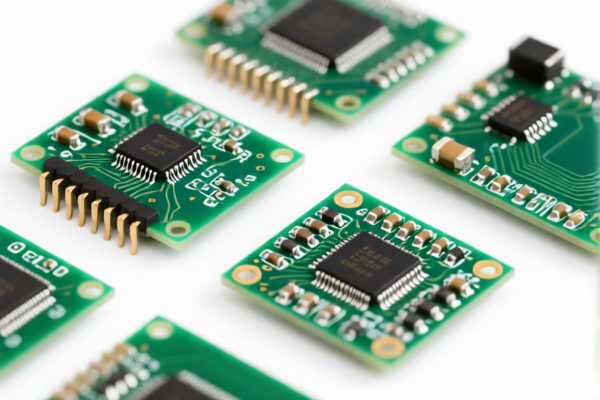
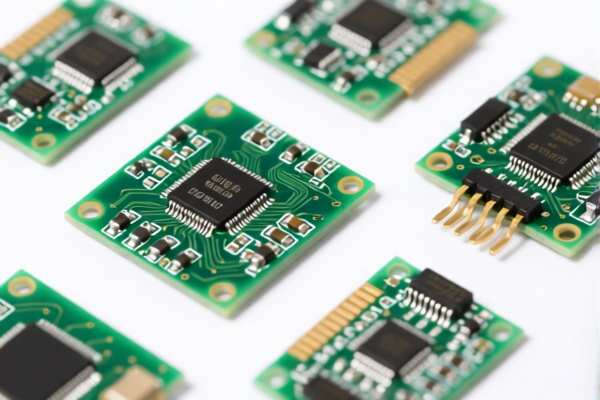
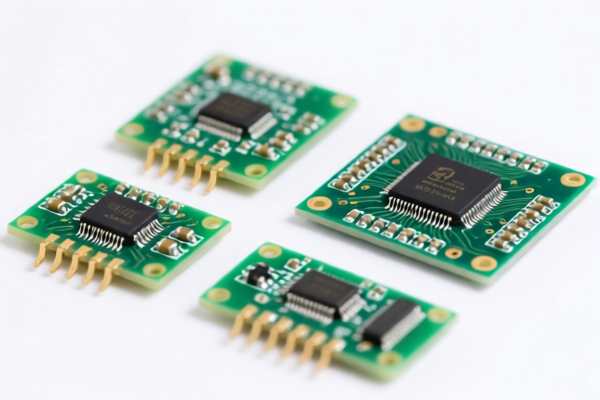
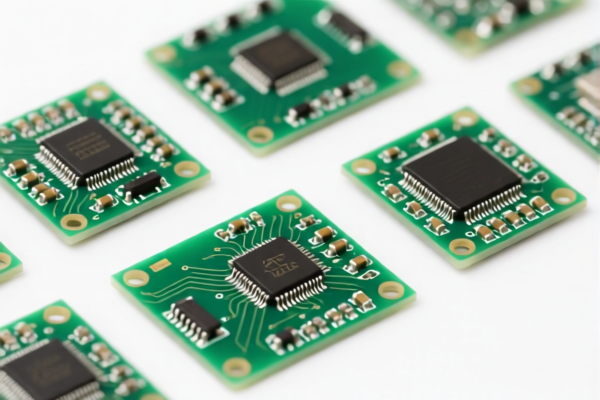
AI Analysis
🧩 Polyamide Electronic Component Boards (Electronic Substrates)
🌐 HS Code Reference & Customs Clearance Guide | 2026 Latest Tariff Analysis | Professional Compliance Strategy
📌 I. Product Definition & Classification: What is a "Polyamide Electronic Component Board"?
Polyamide (commonly known as Nylon) electronic component boards are rigid or semi-rigid substrates used to mechanically support and electrically connect electronic components. Unlike standard FR-4 (epoxy/glass) boards, Polyamide boards offer superior high-temperature resistance, moisture stability, and mechanical strength, making them ideal for: * Solder masks (wave soldering processes) * High-frequency applications * Harsh industrial environments
In international trade, these boards fall primarily under Chapter 39 (Plastics and Articles Thereof), specifically categorized as plastic sheets, plates, films, or "other plastic articles," depending on their specific structure and level of processing.
⚠️ Key Distinction:
- If the board is a raw substrate (just the plastic sheet with conductive patterns but no components) → Classified under 3921 (Plastic plates/sheets/films).
- If the board is a finished assembly or considered a "general plastic article" for equipment → Classified under 3926 (Other plastic articles).
📦 II. HS Code Classification Details (2026 Latest Tariff Authority Comparison)
Based on the provided data, the Polyamide Electronic Component Board can be classified into four distinct HS Codes, with varying tax implications.
| HS Code | Summary Description | Applicable Scenario | Tax Rate (Total) |
|---|---|---|---|
3921.19.00.90 |
Plastic Plates/Sheets (Polyamide as a substrate material) |
Raw or semi-finished substrates; sheets/films used as the base layer for electronics. | 41.5% |
3921.90.50.50 |
Plastic Plates/Sheets (Other) (General plastic plates) |
Generic plastic plates not specified as "electrical" or "unworked"; broad category for plastic sheets. | 39.8% |
3926.90.60.90 |
Other Plastic Articles (Plastic parts for equipment) |
Finished plastic parts/components for electronic equipment; assemblies where the board is a specific part. | 39.2% |
3926.90.99.89 |
Other Unnamed Plastic Articles (Miscellaneous plastic items) |
Items not specified elsewhere; generic "other" category with lower additional tariffs. | 22.8% |
🔍 Critical Analysis:
-3921.19.00.90is the most direct classification for polyamide sheets/films used as substrates. However, it carries the highest total tax (41.5%).
-3926.90.99.89offers the lowest tax burden (22.8%) but is a "catch-all" category. It may be accepted if the board is considered a generic plastic part rather than a specialized sheet.
-3926.90.60.90sits in the middle (39.2%) and is suitable for finished plastic components for electronic devices.
💰 III. 2026 Latest Tariff Rate Breakdown (Including Surcharges & Policy Add-ons)
✅ Applicable Country: United States (US)
✅ Country of Origin: China (CN)
✅ Effective Date: From November 10, 2025 (inclusive of subsequent imports)
🎯 1. 3921.19.00.90 — Plastic Plates, Sheets, Films (Highest Risk)
| Item | Detail |
|---|---|
| Base Duty Rate | 6.5% (Ad Valorem) |
| Section 301 Surcharge | +25.0% (USITC Footnote 9903.88.01) |
| Section 122 Tariff | +10.0% (Specific policy surcharge for China) |
| Total Effective Rate | 41.5% |
| Tax Calculation | CIF Value × 41.5% |
| De Minimis Eligibility | ❌ No (Not eligible for de minimis exemption) |
| Legal Basis Path | USITC:3921.19.00.90 → SECTION_301:25% → SECTION_122:10% |
📌 Explanation:
- This classification treats the board as a basic plastic material.
- The 25% Section 301 tariff is standard for most Chinese plastics.
- The 10% Section 122 tariff further increases the cost.
- Total 41.5% is a significant cost driver. Ensure the product strictly matches the definition of "plastic plates/sheets" to avoid misclassification penalties.
🎯 2. 3921.90.50.50 — Plastic Plates/Sheets (Other)
| Item | Detail |
|---|---|
| Base Duty Rate | 4.8% (Ad Valorem) |
| Section 301 Surcharge | +25.0% (USITC Footnote 9903.88.01) |
| Section 122 Tariff | +10.0% (Specific policy surcharge for China) |
| Total Effective Rate | 39.8% |
| Tax Calculation | CIF Value × 39.8% |
| De Minimis Eligibility | ❌ No |
| Legal Basis Path | USITC:3921.90.50.50 → SECTION_301:25% → SECTION_122:10% |
📌 Note:
- Slightly lower base rate (4.8% vs. 6.5%) reduces the total by 1.7%.
- Still subject to the same high surcharges.
🎯 3. 3926.90.60.90 — Other Plastic Articles (Equipment Parts)
| Item | Detail |
|---|---|
| Base Duty Rate | 4.2% (Ad Valorem) |
| Section 301 Surcharge | +25.0% (USITC Footnote 9903.88.01) |
| Section 122 Tariff | +10.0% (Specific policy surcharge for China) |
| Total Effective Rate | 39.2% |
| Tax Calculation | CIF Value × 39.2% |
| De Minimis Eligibility | ❌ No |
| Legal Basis Path | USITC:3926.90.60.90 → SECTION_301:25% → SECTION_122:10% |
📌 Note:
- This is a competitive rate if the board is considered a finished part for equipment.
- Lower base rate (4.2%) helps minimize the total tax burden.
🎯 4. 3926.90.99.89 — Other Unnamed Plastic Articles (Lowest Risk)
| Item | Detail |
|---|---|
| Base Duty Rate | 5.3% (Ad Valorem) |
| Section 301 Surcharge | +7.5% (Reduced Section 301 rate for this category) |
| Section 122 Tariff | +10.0% (Specific policy surcharge for China) |
| Total Effective Rate | 22.8% |
| Tax Calculation | CIF Value × 22.8% |
| De Minimis Eligibility | ❌ No |
| Legal Basis Path | USITC:3926.90.99.89 → SECTION_301:7.5% → SECTION_122:10% |
📌 Strategic Advantage:
- This classification has a reduced Section 301 surcharge (7.5% vs. 25%), which is the key reason for the lower total tax.
- It is classified under "Other" articles, which often benefit from lower additional tariffs.
- Total 22.8% is significantly cheaper than other options. However, ensure the product description supports this "general article" classification to avoid customs disputes.
🛠️ IV. Customs Clearance Practical Advice (Battle-Tested Pitfall Avoidance)
✅ 1. Document Checklist (Non-Negotiable)
| Document | Required | Explanation |
|---|---|---|
| ✅ Product Specification Sheet | ✔️ | Must detail material composition (100% Polyamide/Nylon), dimensions, and electrical properties. |
| ✅ Technical Drawings | ✔️ | Show if the board is a raw sheet (3921) or a finished part (3926). |
| ✅ Product Photos | ✔️ | Clear images of the board, including any conductive traces or lack thereof. |
| ✅ Commercial Invoice | ✔️ | Must clearly state "Polyamide Electronic Component Board" and HS Code. |
| ✅ Certificate of Origin | ✔️ | If applicable, for potential preferential treatment (though limited for China-origin goods under current rules). |
| ✅ Packing List | ✔️ | Detail weight, volume, and packaging type. |
✅ 2. Declaration Tactics (Key Mantras)
🔥 "Raw Sheet = 3921, Finished Part = 3926, Low Surcharge = 3926.99.89"
| Scenario | Correct Declaration | Wrong Practice |
|---|---|---|
| Raw Polyamide Sheet | 3921.19.00.90 |
Misdeclaring as "part" → 41.5% |
| Finished Circuit Board | 3926.90.60.90 |
Misdeclaring as "sheet" → 39.8% |
| General Plastic Board | 3926.90.99.89 |
Misdeclaring as "electrical sheet" → 22.8% |
| Board with Components | Incorrect Classification | Do not declare as plastic if it contains metal/ceramic components >50% |
✅ 3. Special Case Handling
| Scenario | Handling Advice |
|---|---|
| OEM Custom Boards | Provide customer PO and design specs. Avoid generic descriptions. |
| Multi-Layer Boards | If layers include non-plastic materials (e.g., metal), consider Chapter 85. |
| Flexible Polyamide Films | Ensure classification under 3921.19 is accurate for thin films. |
| High-Temperature Boards | Highlight "Polyamide" material to justify classification under plastic articles. |
🌍 V. Global Market Comparison (2026 Latest)
| Country/Region | Recommended HS Code | Tariff Rate | Certification | Notes |
|---|---|---|---|---|
| 🇺🇸 USA | 3926.90.99.89 |
22.8% | None specific | Lowest rate; avoid 3921 if possible due to 41.5% |
| 🇨🇳 China | 3921.19.00.90 |
6.5% | CCC | No surcharges; direct import cost |
| 🇪🇺 EU | 3926.90.99 |
4.7% | CE/REACH | No Section 301/122; stable tariff |
| 🇦🇺 Australia | 3926.90.99 |
5.0% | RCM | No surcharges |
| 🇯🇵 Japan | 3926.90.99 |
0-6% | PSE | Varies by application |
📌 Conclusion:
- USA imposes the highest tariffs due to Section 301 (25% or 7.5%) and Section 122 (10%).
- Targeting3926.90.99.89is the optimal strategy for US imports to save ~19% in taxes compared to3921categories.
- EU and other markets do not have these surcharges, making them more cost-effective.
📌 VI. Common Errors & Pitfalls (Lessons Learned)
❌ Error 1: Declaring a finished assembly as a raw sheet (3921)
👉 Consequence: Customs may reject the classification or apply penalties.
👉 Fix: Use 3926 for finished parts.
❌ Error 2: Declaring a raw sheet as a general article (3926.99.89)
👉 Consequence: Risk of audit if the product clearly fits 3921.
👉 Fix: Ensure the product is not primarily a "sheet" but a "part."
❌ Error 3: Ignoring Section 122 Tariff
👉 Consequence: Unexpected 10% surcharge on all Chinese plastic imports.
👉 Fix: Always include Section 122 in tax calculations.
❌ Error 4: Misidentifying Material Composition
👉 Consequence: If the board contains >50% non-plastic (e.g., metal), it may fall under Chapter 85.
👉 Fix: Verify material percentage. Pure polyamide = Chapter 39.
✅ Correct Practice:
"Polyamide (Nylon) Electronic Substrate Board, Pure Plastic, No Components, 100% Polyamide, Model XYZ, For Industrial Use"
🎯 VII. Conclusion: Professional Declaration, Cost Savings
🎯 Remember the Mantra:
🔹 "Raw Sheet = 3921 (41.5%), Finished Part = 3926.99.89 (22.8%)"
🔹 "Avoid Section 301 25%, Target 7.5% Surcharge"
🔹 "HS Code Determines Profit, Declare Accurately, Save Thousands!"
📌 Pro Tip:
- If your Polyamide boards are originally from Vietnam, Mexico, or Thailand, you may qualify for IEEPA Exemptions, reducing tariffs to 0-5%.
- Apply for an Advance Ruling from CBP (Customs and Border Protection) to confirm the correct HS Code before shipment.
📣 Immediate Action:
📞 Consult with a licensed customs broker + Provide product specs + Request HS Code Advance Ruling
🚀 Ensure your Polyamide boards clear customs smoothly, maximize profits, and stay compliant!
✨ Professional Clearance Starts with Accurate Classification!
💼 Every Percentage Point Saved is Pure Profit!
Customer Reviews
About HS Code Classification
The Harmonized System (HS) is an internationally standardized nomenclature developed by the World Customs Organization (WCO) to classify traded products. Over 200 countries use the HS system as the basis for customs tariffs, trade statistics, and import/export regulations.
Each HS code follows a hierarchical structure:
- Chapter (2 digits) — Broad category of goods (e.g., Chapter 84: Machinery and Mechanical Appliances)
- Heading (4 digits) — More specific grouping within the chapter
- Subheading (6 digits) — Internationally standardized breakdown, used by all WCO member countries
- National subdivisions (8-10 digits) — Country-specific extensions for further classification, such as US HTSUS 10-digit codes
Correct HS code classification is essential for smooth customs clearance, accurate duty payment, and compliance with trade regulations. Misclassification can lead to customs delays, overpayment of duties, or penalties.
When importing from CN to US, the applicable tariff rates may include:
- Most-Favored-Nation (MFN) rate — The standard duty rate applied to WTO members
- General rate — Applied to countries without trade agreements
- Trade remedy duties — Additional tariffs such as Section 301 (anti-dumping), Section 232 (national security), or countervailing duties
The information provided on this page is for reference purposes only. For official classification, please consult with your local customs authority or a licensed customs broker.