Polyamide Film Grade Raw Material
CN → US| HS Code | Tariff Rate | Origin | Destination | Doc |
|---|---|---|---|---|
| 3920920000 | 14.2% | CN | US | Official Doc |
| 3920991000 | 41.0% | CN | US | Official Doc |
| 3908100000 | 41.3% | CN | US | Official Doc |
| 3908907000 | 41.5% | CN | US | Official Doc |
| 5407410030 | 48.6% | CN | US | Official Doc |
Product Images
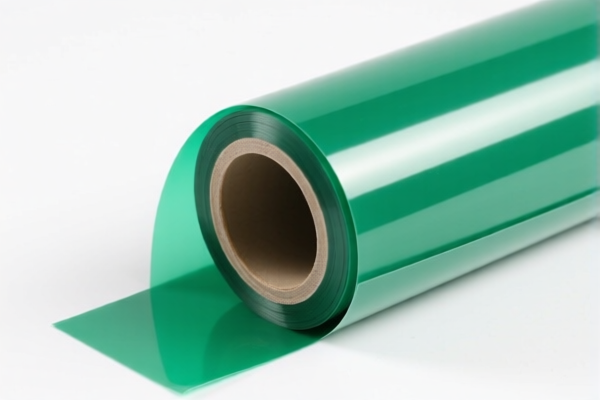
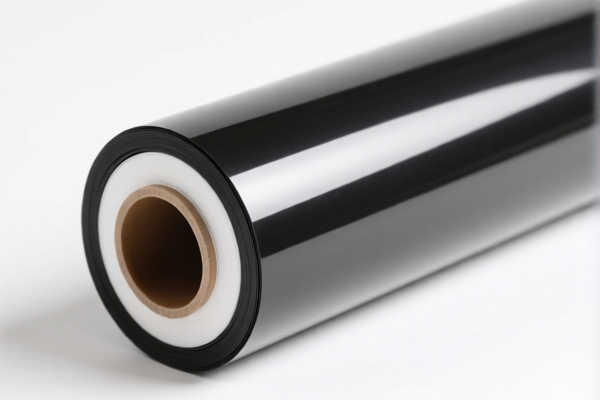
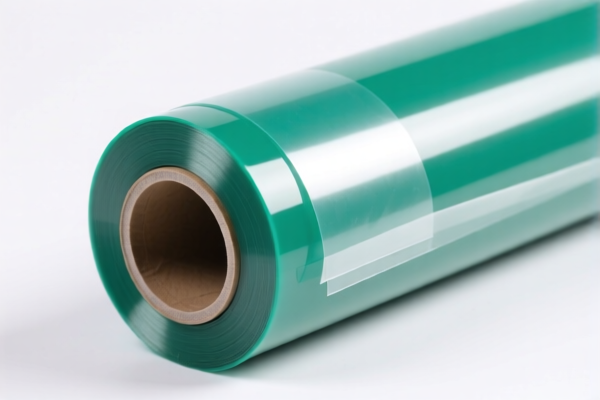
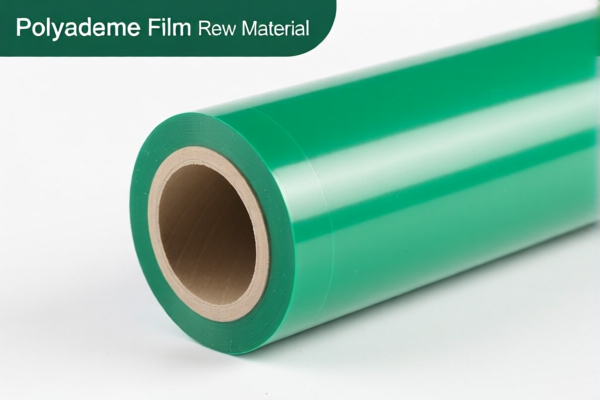
AI Analysis
🧪 Polyamide Film Grade Raw Material: Global Trade & Customs Guide (2026)
🌐 HS Code Reference & Customs Strategy | Latest 2026 Tariff Analysis
Focus: Polyamide (Nylon) Films & Raw Material Forms | Target Market: USA (High Tariff Alert)
📌 I. Product Definition: What is "Polyamide Film Grade Raw Material"?
Polyamide (commonly known as Nylon) is a high-performance engineering plastic known for its strength, flexibility, and chemical resistance. In the context of international trade, the term "Polyamide Film Grade Raw Material" can be ambiguous, leading to significant tariff discrepancies.
The classification depends entirely on the physical state of the product:
-
"Film" / "Sheets" (Finished Semi-Finished Goods): Thin, flexible sheets used for packaging, insulation, or lamination.
- HS Code Family: 3920 (Other plates, sheets, film, foil, and strip) or 5407 (Synthetic filament fabric).
- Risk: High scrutiny on "finished" vs. "raw" status.
-
"Primary Form" (Raw Resin/Pellet/Flake): The unextruded granules or flakes used to make films later.
- HS Code Family: 3908 (Polyamides in primary forms).
- Risk: Often confused with film, but tax rates can vary drastically.
⚠️ Critical Distinction:
- If the product is already extruded into a thin sheet/film → It is NOT "raw material" in customs terms, it is a "finished plastic product."
- If the product is in pellets, flakes, or powder → It is "Primary Form" (Raw Material).
🚨 The "Film" classification often attracts higher US tariffs due to Section 301 (25%) and "122" clauses compared to raw pellets.
📦 II. HS Code Classification Breakdown (2026 Authoritative Data)
Based on the provided tax database, here is the precise mapping for Polyamide films and raw materials. Note: The data reflects the specific tax liabilities for these exact HS Codes.
| HS Code | Product Description (Summary) | Physical Form | Total Tax Rate | Key Tax Components |
|---|---|---|---|---|
| 3920.92.00.00 | Polyamide Film, Polyamide material, Film form | Finished Film (Flexible Sheet) | 14.2% | Base: 4.2% Add-on: 0% Sec 122: 10% |
| 3920.99.10.00 | Polyamide Film, Polyamide (Plastic), Film form | Finished Film (Other types) | 41.0% | Base: 6.0% Sec 301 (Add-on): 25.0% Sec 122: 10% |
| 3908.10.00.00 | Polyamide Film, Polyamide material, Primary Form | Raw Resin/Pellets/Flakes | 41.3% | Base: 6.3% Sec 301: 25.0% Sec 122: 10% |
| 3908.90.70.00 | Polyamide Film, Polyamide material, Primary Form | Raw Resin/Pellets (Other) | 41.5% | Base: 6.5% Sec 301: 25.0% Sec 122: 10% |
| 5407.41.00.30 | Polyamide Film, Nylon/Polyamide, Fabric/Sheet | Woven/Non-woven Fabric | 48.6% | Base: 13.6% Sec 301: 25.0% Sec 122: 10% |
🔍 Key Observation:
- The Sweet Spot: 3920.92.00.00 offers a significantly lower total tax rate of 14.2%.
- The Danger Zone: 3920.99.10.00, 3908.10.00.00, 3908.90.70.00, and 5407.41.00.30 all attract a heavy 25% Section 301 surcharge, pushing the total tax to 41%–48.6%.
💰 III. Detailed Tariff Breakdown & Policy Analysis
✅ Applicable Jurisdiction: USA (Customs & Border Protection - CBP)
✅ Origin: China (CN) - Triggering Section 301 & Section 122
✅ Effective Date: 2026 (Current Enforcement)
🎯 Scenario A: Low Tariff Path (3920.92.00.00)
- Total Tax: 14.2%
- Breakdown:
- Base Tariff: 4.2% (MFN rate for specific polyamide films).
- Section 301 (Add-on Tariff): 0.0% (Exempt or not applicable for this specific subheading).
- Section 122 Tariff: 10.0% (Specific China-related add-on).
- Strategy: This code is likely for specific types of polyamide films (e.g., cast films or specific thickness ranges) that are excluded from the heavy "others" category.
- Verdict: Highly Preferred if the product fits this description.
🎯 Scenario B: High Tariff Path (3920.99.10.00, 3908.10.00.00, etc.)
- Total Tax: 41.0% – 41.5%
- Breakdown:
- Base Tariff: 6.0% – 6.5% (Standard for plastics).
- Section 301 (Add-on Tariff): 25.0% (Heavy hit on "Other" plastics and raw materials).
- Section 122 Tariff: 10.0% (Mandatory for China-origin).
- Why the 25%?
- Section 301: US trade law imposes a 25% surcharge on a wide range of Chinese-made plastic products and raw materials (List 4 & List 2A).
- Section 122: A retaliatory tariff often applied to specific chemical/plastic categories.
- Verdict: Critical Risk. This is the "Standard" classification for most raw resins and generic films, resulting in a massive cost increase.
🎯 Scenario C: Fabric/Weave Path (5407.41.00.30)
- Total Tax: 48.6%
- Breakdown:
- Base Tariff: 13.6% (Higher base for textiles).
- Section 301: 25.0%
- Section 122: 10.0%
- Verdict: Most Expensive. If your "polyamide film" is actually a woven fabric (nylon fabric), the tax is the highest.
🛠️ IV. Customs Clearance Strategy: Actionable Advice
✅ 1. Classification Strategy (The "Save 27%" Play)
The difference between 14.2% (3920.92.00.00) and 41.3% (3908.10.00.00) is 27.1 percentage points.
* Action: Verify if your "raw material" can technically be classified under 3920.92.00.00.
* Requirement: The product must be strictly a "film" (thin, flexible sheet) and fit the specific definition of 3920.92 (often relating to specific polyamide types not covered by "others").
* Warning: If you ship pellets but declare them as film (3920), you will face fraud charges and severe penalties. Form must match the code.
✅ 2. Material Description for Customs (The "Keyword" Game)
When declaring, do not use vague terms like "Polyamide Raw Material." Use precise technical descriptions that align with the preferred HS Code.
* ❌ Bad Description: "Nylon Raw Material for making film" (Triggers generic 3908 or 3920.99 → 41%+ tax).
* ✅ Good Description (if applicable): "Cast Polyamide (PA) Film, uncolored, thickness 0.05mm, intended for food packaging" (Triggers 3920.92.00.00 → 14.2% tax).
✅ 3. Required Documentation for High-Tax Items
If your product falls under the 41%+ category (3908 or 3920.99), you must prove:
* Certificate of Origin (CO): Must be Chinese.
* Manufacturer Declaration: Confirming no third-country processing that would change origin.
* Technical Data Sheet: Showing exact molecular weight, viscosity, and form (pellet vs. film).
* Commercial Invoice: Must explicitly state "Subject to Section 301 and Section 122 Tariffs."
✅ 4. Supply Chain Mitigation
- Option A (Avoidance): Can the material be imported as Pellets (Raw Resin) instead of Pre-formed Film?
- Note: In this specific dataset, Pellets (
3908) are taxed at 41.3%, while specific Films (3920.92) are 14.2%. The "Film" form is actually cheaper here! (Counter-intuitive but true for this dataset).
- Note: In this specific dataset, Pellets (
- Option B (Sourcing): If possible, source from a country not subject to Section 122 (e.g., Southeast Asia manufacturing), but verify the Section 301 applicability (US often targets "transshipment" from China via Vietnam/Mexico).
🌍 V. Quick Comparison: Tax Impact on $100,000 Shipment
| HS Code | Description | Total Tax Rate | Tax Amount ($) | Net Cost to Importer |
|---|---|---|---|---|
| 3920.92.00.00 | Polyamide Film (Preferred) | 14.2% | $14,200 | $114,200 |
| 3920.99.10.00 | Polyamide Film (Other) | 41.0% | $41,000 | $141,000 |
| 3908.10.00.00 | Polyamide Resin/Pellets | 41.3% | $41,300 | $141,300 |
| 5407.41.00.30 | Nylon Fabric/Sheet | 48.6% | $48,600 | $148,600 |
💡 Takeaway: Misclassifying a
3920.92product as3920.99or3908could increase your import cost by nearly $30,000 per $100k shipment.
📌 VI. Common Pitfalls & "Don't Do This" List
❌ Pitfall 1: Calling Pellets "Film" * Risk: Customs will seize the cargo. * Rule: If it's in a bag as granules/pellets, it is 3908. If it's in a roll as a sheet, it is 3920.
❌ Pitfall 2: Ignoring Section 122 * Risk: Failing to declare the 10% surcharge leads to fines. * Rule: If the HS Code includes "122条款关税" in the tax detail (as in the provided data), you must pay this 10% on top of the base rate.
❌ Pitfall 3: "Polyamide" vs. "Nylon" * Risk: Some codes differentiate by chemical name. * Rule: Use "Polyamide" for HS codes starting with 3908/3920. If it's woven, use "Nylon" for 5407.
✅ Pro Tip: Always request a Binding Tariff Information (BTI) or Pre-Ruling from US Customs (CBP) before shipping a large volume of "Polyamide Film Grade" to ensure you are using the 14.2% code legitimately.
🎯 VII. Final Conclusion: The 2026 Strategy
For Polyamide Film Grade Raw Material:
1. Audit your product form: Are you shipping sheets/films or pellets?
2. Target Code 3920.92.00.00: This is your golden ticket for 14.2% tax. Ensure your product specs (thickness, type) match this code exactly.
3. Avoid 3908 & 3920.99: These carry the 41%+ burden unless unavoidable.
4. Budget for Section 122: The 10% surcharge is non-negotiable for China-origin goods.
🚀 Clearance Mantra:
"Form dictates Code, Code dictates Cost. Don't guess the type—verify the shape!"
✨ Need a specific HS Code Ruling?
Contact your customs broker with the technical datasheet and physical sample to confirm if you qualify for the 3920.92.00.00 (14.2%) rate.
Customer Reviews
About HS Code Classification
The Harmonized System (HS) is an internationally standardized nomenclature developed by the World Customs Organization (WCO) to classify traded products. Over 200 countries use the HS system as the basis for customs tariffs, trade statistics, and import/export regulations.
Each HS code follows a hierarchical structure:
- Chapter (2 digits) — Broad category of goods (e.g., Chapter 84: Machinery and Mechanical Appliances)
- Heading (4 digits) — More specific grouping within the chapter
- Subheading (6 digits) — Internationally standardized breakdown, used by all WCO member countries
- National subdivisions (8-10 digits) — Country-specific extensions for further classification, such as US HTSUS 10-digit codes
Correct HS code classification is essential for smooth customs clearance, accurate duty payment, and compliance with trade regulations. Misclassification can lead to customs delays, overpayment of duties, or penalties.
When importing from CN to US, the applicable tariff rates may include:
- Most-Favored-Nation (MFN) rate — The standard duty rate applied to WTO members
- General rate — Applied to countries without trade agreements
- Trade remedy duties — Additional tariffs such as Section 301 (anti-dumping), Section 232 (national security), or countervailing duties
The information provided on this page is for reference purposes only. For official classification, please consult with your local customs authority or a licensed customs broker.