Polyamide Film Sheet
CN → US| HS Code | Tariff Rate | Origin | Destination | Doc |
|---|---|---|---|---|
| 3920920000 | 39.2% | CN | US | Official Doc |
| 3920991000 | 41.0% | CN | US | Official Doc |
| 3908100000 | 41.3% | CN | US | Official Doc |
| 3908907000 | 41.5% | CN | US | Official Doc |
| 5407410030 | 48.6% | CN | US | Official Doc |
Product Images
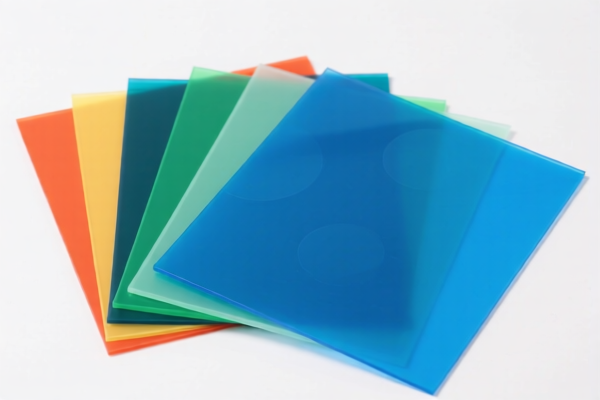
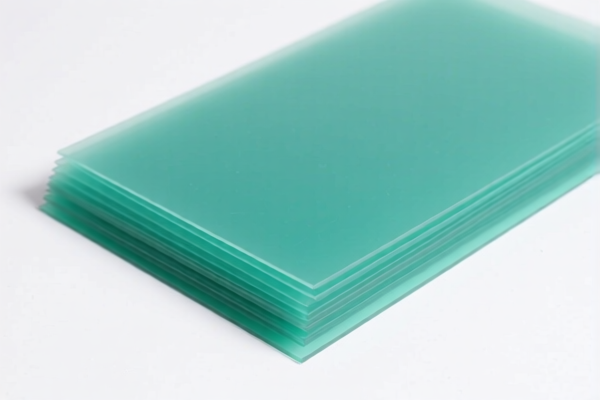
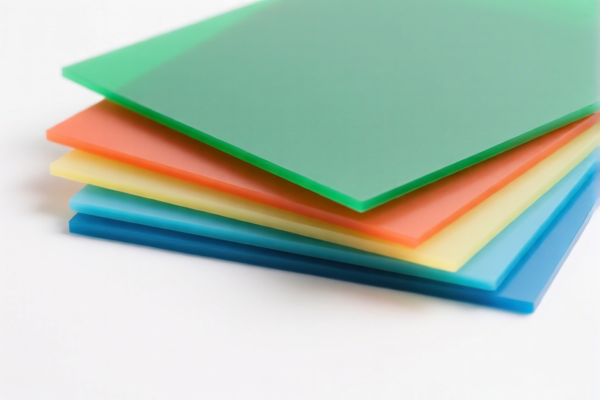
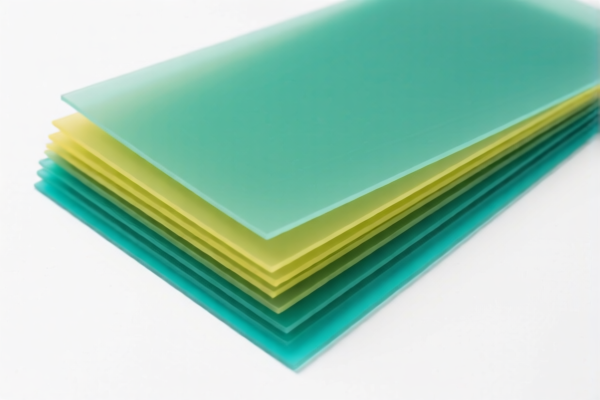
AI Analysis
🧵 Polyamide Film Sheet (Polyamide/Nylon Film)
🌐 HS Code Reference & Customs Clearance Guide | 2026 Latest Tariff Analysis | Professional Clearance Strategy
📌 I. Product Definition & Classification: Do You Really Understand "Polyamide Film"?
Polyamide (commonly known as Nylon) is a synthetic polymer renowned for its high tensile strength, abrasion resistance, and thermal stability. In international trade, "Polyamide Film Sheet" can be classified into different HS Codes depending on its physical form (finished film vs. raw material) and manufacturing process (woven/processed vs. plain film).
International customs authorities distinguish these products primarily by:
1. State of Processing: Is it a finished flexible film (3920) or a primary shape/resin (3908)?
2. Material Structure: Is it a plain plastic film or a woven/processed textile-like structure?
⚠️ Key Distinction Point:
- If it is a finished, flexible film ready for packaging, insulation, or laminating → Generally Chapter 39.20.
- If it is raw resin, granules, or sheets in primary shape not yet formed into a thin film → Generally Chapter 39.08.
- If it has a woven or fabric-like texture (even if thin) → May fall under Chapter 54.07.
📦 II. HS Code Classification Details (2026 Latest Tariff Authority对照)
Based on the provided data, here are the specific HS Codes applicable to Polyamide Film Sheets:
| HS Code | Product Description | Applicable Scenario | Tax Rate (Total) |
|---|---|---|---|
3920.92.00.00 |
Polyamide film, material is polyamide, form is film | Standard Flexible Polyamide Film (e.g., Nylon 6/66 films for packaging/binding) | 39.2% |
3920.99.10.00 |
Polyamide film, classified as plastics, form is film | Other Plastic Polyamide Films (General purpose plastic films, not specified as other polyamides) | 41.0% |
3908.10.00.00 |
Polyamide film, material is polyamide, form is primary shape | Raw Material/Resin Sheets (e.g., Polyamide 6 or 66 in block, powder, or non-film sheet form) | 41.3% |
3908.90.70.00 |
Polyamide film, material is polyamide, form is primary shape | Other Primary Shape Polyamides (Non-filamentous, non-film raw materials) | 41.5% |
5407.41.00.30 |
Polyamide film, material is nylon or polyamide, form is fabric/sheet-like | Woven/Textile-like Polyamide Fabric (Thin sheets with woven structure, often used for technical textiles) | 48.6% |
🔍 Key Reminder:
-3920vs3908: The critical difference is Form. If it is a thin, flexible film, it goes to3920. If it is a thick block, granule, or primary sheet before being processed into a film, it goes to3908.
-3920.92vs3920.99:3920.92is specifically for "Other polyamides." If the specific polyamide type isn't clearly defined or falls under "other plastics,"3920.99applies.
-5407: Use this only if the product is essentially a woven fabric or has a textile-like weave, even if it is thin.
💰 III. 2026 Latest Tariff Rate Breakdown (Including Surtaxes & Policy Add-ons)
✅ Applicable Country: United States (US)
✅ Origin: China (CN)
✅ Effective Time: As per current trade restrictions (Section 301 & IEEPA)
🎯 1. 3920.92.00.00 – Polyamide Film (Standard)
| Item | Content |
|---|---|
| Base Tariff | 4.2% (ad valorem) |
| Section 301 Surtax | +25.0% (US Trade Act Section 301) |
| Section 122 Tariff | +10.0% (Specific policy add-on, e.g., Reciprocal Trade Act or similar) |
| Total Tax Rate | 39.2% |
| Tax Calculation | CIF Value × 39.2% |
| De Minimis Exemption | ❌ Not Eligible (Deny De Minimis) |
| Legal Basis Path | HTSUS:3920.92.00.00 → USITC Footnote 301 → Section 122 Policy |
📌 Explanation:
- The 4.2% is the standard Most Favored Nation (MFN) duty for polyamide films.
- The 25% is the standard Section 301 tariff for Chinese-origin goods in Chapter 39.
- The 10% additional levy is applied per the provided data structure (likely referring to specific reciprocal trade measures).
- Total: 39.2%. This is a high tariff, significantly impacting cost margins.
🎯 2. 3920.99.10.00 – Other Plastic Polyamide Films
| Item | Content |
|---|---|
| Base Tariff | 6.0% |
| Section 301 Surtax | +25.0% |
| Section 122 Tariff | +10.0% |
| Total Tax Rate | 41.0% |
| Tax Calculation | CIF Value × 41.0% |
| De Minimis Exemption | ❌ Not Eligible |
| Legal Basis Path | HTSUS:3920.99.10.00 → USITC Footnote 301 → Section 122 Policy |
📌 Note:
- Slightly higher base tariff (6.0%) than specific polyamide films.
- Used when the polyamide type doesn't fit the specific3920.92subheading.
🎯 3. 3908.10.00.00 & 3908.90.70.00 – Primary Shape Polyamides
| HS Code | Base Tariff | Surtax (301) | Surtax (122) | Total Rate |
|---|---|---|---|---|
3908.10.00.00 |
6.3% | 25.0% | 10.0% | 41.3% |
3908.90.70.00 |
6.5% | 25.0% | 10.0% | 41.5% |
📌 Note:
- These apply if the product is NOT a finished film but a raw material (resin, granules, primary sheets).
- Misclassifying raw material as film (or vice versa) can lead to customs audits. Ensure documentation matches the physical form.
🎯 4. 5407.41.00.30 – Woven/Textile-like Polyamide Sheets
| Item | Content |
|---|---|
| Base Tariff | 13.6% |
| Section 301 Surtax | +25.0% |
| Section 122 Tariff | +10.0% |
| Total Tax Rate | 48.6% |
| Tax Calculation | CIF Value × 48.6% |
| De Minimis Exemption | ❌ Not Eligible |
| Legal Basis Path | HTSUS:5407.41.00.30 → USITC Footnote 301 → Section 122 Policy |
📌 Critical Warning:
- This is the highest tax rate (48.6%).
- Only use if the product is woven or has a fabric structure.
- Do NOT use this for plain plastic films. Misclassification can lead to severe penalties for underpayment.
🛠️ IV. Customs Clearance Practical Advice (Avoid Pitfalls)
✅ 1. Required Documentation Checklist
| Document | Must Provide | Explanation |
|---|---|---|
| ✅ Product Spec Sheet | ✔️ | Must specify: Material (Nylon 6, Nylon 66, etc.), Thickness, Width, Form (Film vs. Sheet vs. Resin). |
| ✅ Photos | ✔️ | Clear images showing the product’s surface (smooth film vs. woven texture). |
| ✅ Commercial Invoice | ✔️ | Must accurately describe the product (e.g., "Polyamide 6 Film, 0.1mm thickness"). Avoid vague terms like "Plastic Sheet." |
| ✅ Packing List | ✔️ | Detail contents to prove it’s not raw resin if claiming film status. |
| ✅ Certificate of Origin | ✔️ | Required for duty calculation and Section 301 applicability. |
| ✅ Test Report | Optional | If disputed, a third-party test confirming polyamide composition and film structure helps. |
✅ 2. Declaration Tips (Key Mantra)
🔥 “Form Determines Code, Material Determines Subhead!”
| Scenario | Correct Declaration | Error to Avoid |
|---|---|---|
| Flexible, Smooth Nylon Film | 3920.92.00.00 |
Calling it "Plastic Sheet" → Risk of 3920.99 (41.0%) or rejection |
| Raw Nylon Resin/Granules | 3908.10.00.00 |
Calling it "Film" → Incorrect, may be rejected or fined |
| Woven Nylon Fabric | 5407.41.00.30 |
Calling it "Film" → Incorrect, leads to 48.6% tax or audit |
| Unspecified Polyamide Film | 3920.99.10.00 |
Using 3920.92 without specific polyamide ID → Risk of dispute |
✅ 3. Special Situations
| Situation | Handling Advice |
|---|---|
| Multi-layer Laminated Films | If the main characteristic is polyamide film, use 3920.92. If it’s a composite with significant textile layer, consider 5407. |
| Custom OEM Film | Provide customer specifications to prove it’s a standard film, not a specialized chemical product. |
| Sample vs. Bulk | Samples must still be declared correctly. De Minimis does NOT apply to Chinese origin goods in these categories. |
| Dispute on "Primary Shape" | If customs questions whether your "sheet" is actually "primary shape" (3908), provide thickness and flexibility data to prove it’s a film (3920). |
🌍 V. Global Market Clearance Comparison (2026 Latest)
| Country/Region | Recommended HS Code | Estimated Tariff (China Origin) | Certification | Notes |
|---|---|---|---|---|
| 🇺🇸 USA | 3920.92.00.00 |
39.2% (Film) 41.3% (Raw) 48.6% (Woven) |
None specific, but 301 applies | High tariff environment. No de minimis. |
| 🇨🇳 China | 3920.92.00.00 |
~4.2% - 6.0% (Import Duty) | None | Lower base tariff, no 301/122. |
| 🇪🇺 EU | 3920.92.00.00 |
~6.5% - 10% | REACH, RoHS | No Section 301. CE marking may be needed. |
| 🇯🇵 Japan | 3920.92.00.00 |
~5.0% - 7.5% | PSE (if electrical) | Low tariffs, strict quality checks. |
📌 Conclusion:
- The US market is the most expensive due to the combination of base tariffs, Section 301 (25%), and Section 122 (10%) add-ons.
- Total costs can reach 48.6% for woven types.
- Supply Chain Strategy: Consider sourcing from non-China countries (e.g., Vietnam, Thailand, India) to potentially avoid Section 301 tariffs, but ensure origin rules are strictly followed.
📌 VI. Common Mistakes & Pitfalls (Lessons Learned)
❌ Mistake 1: Calling a woven nylon fabric "Polyamide Film" to avoid the 48.6% tax.
👉 Consequence: Customs will inspect, confirm weave structure, and charge 48.6% + penalties.
❌ Mistake 2: Calling raw nylon resin "Polyamide Film" to use a lower tariff code.
👉 Consequence: Incorrect classification. Customs may reject the entry or apply penalties for fraud.
❌ Mistake 3: Using vague terms like "Plastic Sheet" in the invoice.
👉 Consequence: Customs may assign a general catch-all code with higher duties or request additional documentation, delaying clearance.
❌ Mistake 4: Assuming small shipments qualify for De Minimis.
👉 Consequence: 0% exemption does NOT apply to Chinese-origin goods in these categories. Full tax applies regardless of value.
✅ Correct Approach:
"Nylon 6 Polyamide Film, 0.05mm Thickness, 500mm Width, Smooth Surface, For Packaging Use, Model XYZ"
🎯 VII. Conclusion: Precise Classification Saves Money!
🎯 Remember the Mantra:
🔹 "Film goes to 3920, Raw Material to 3908, Woven to 5407."
🔹 "Check the Texture: Smooth = 39%, Woven = 48.6%."
🔹 "No De Minimis for China, Pay Full Tax from Day One."
📌 Pro Tip:
If your polyamide film is sourced from Vietnam, Thailand, or India, you may avoid the 25% Section 301 tariff, potentially reducing the total rate to ~14-16% (Base + 122).
Recommendation: Request an Advance Ruling from US Customs if your product structure is ambiguous (e.g., coated films, laminated structures) to avoid post-clearance audits.
📣 Immediate Action:
📞 Consult a Licensed Customs Broker + Provide Product Samples + Verify Origin Rules
🚀 Ensure your Commercial Invoice precisely matches the HS Code Description to avoid delays.
✨ Professional Customs Clearance Starts with Accurate Classification!
💼 Every Percentage Point of Tariff Matters in Your Profit Margin!
Customer Reviews
About HS Code Classification
The Harmonized System (HS) is an internationally standardized nomenclature developed by the World Customs Organization (WCO) to classify traded products. Over 200 countries use the HS system as the basis for customs tariffs, trade statistics, and import/export regulations.
Each HS code follows a hierarchical structure:
- Chapter (2 digits) — Broad category of goods (e.g., Chapter 84: Machinery and Mechanical Appliances)
- Heading (4 digits) — More specific grouping within the chapter
- Subheading (6 digits) — Internationally standardized breakdown, used by all WCO member countries
- National subdivisions (8-10 digits) — Country-specific extensions for further classification, such as US HTSUS 10-digit codes
Correct HS code classification is essential for smooth customs clearance, accurate duty payment, and compliance with trade regulations. Misclassification can lead to customs delays, overpayment of duties, or penalties.
When importing from CN to US, the applicable tariff rates may include:
- Most-Favored-Nation (MFN) rate — The standard duty rate applied to WTO members
- General rate — Applied to countries without trade agreements
- Trade remedy duties — Additional tariffs such as Section 301 (anti-dumping), Section 232 (national security), or countervailing duties
The information provided on this page is for reference purposes only. For official classification, please consult with your local customs authority or a licensed customs broker.