Polyamide Food Grade Film
CN → US| HS Code | Tariff Rate | Origin | Destination | Doc |
|---|---|---|---|---|
| 3908100000 | 41.3% | CN | US | Official Doc |
| 3908907000 | 41.5% | CN | US | Official Doc |
| 5407410030 | 48.6% | CN | US | Official Doc |
| 3920920000 | 39.2% | CN | US | Official Doc |
| 3920991000 | 41.0% | CN | US | Official Doc |
Product Images
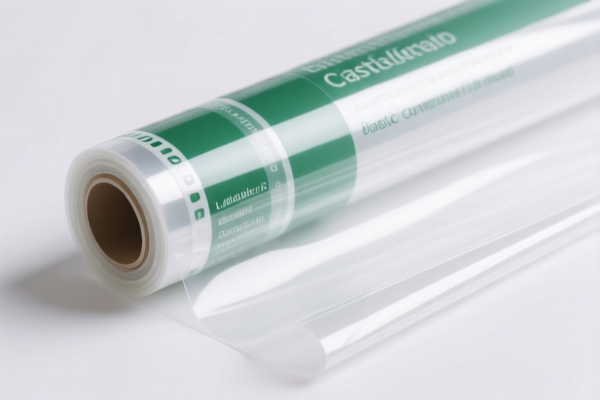


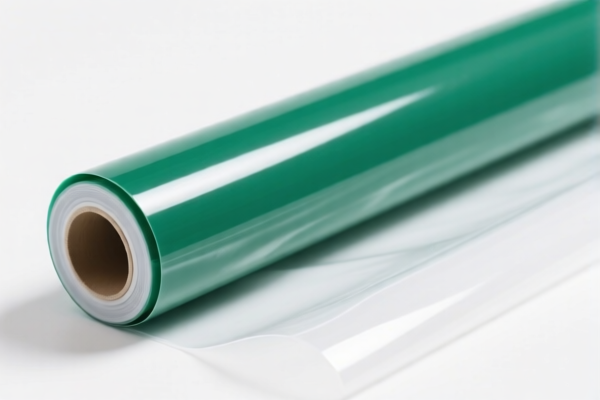
AI Analysis
🍱 Polyamide Food Grade Film (PA Film)
🌐 HS Code Reference & Customs Clearance Guide | 2026 Latest Tariff Analysis | Professional Entry Strategy
📌 I. Product Definition & Classification: Do You Truly Understand "PA Film"?
Polyamide (PA), commonly known as Nylon, is a high-performance engineering plastic prized for its excellent barrier properties, mechanical strength, and heat resistance. In international trade, Polyamide Food Grade Film refers to thin sheets or films made primarily of polyamide, intended for direct contact with food or industrial packaging.
Key Distinction in Classification:
In customs classification, PA films are not monolithic. Their classification depends heavily on:
1. Chemical Structure: Whether it is a specific homopolymer (e.g., PA 6, PA 66) or a copolymer/other.
2. Physical Form: Whether it is classified under "Plastics in primary forms" (Chapter 39) or "Woven fabrics/non-wovens" (Chapter 54).
3. Specific Usage/Attributes: Whether it fits specific subheadings for "Other plastics" vs. "Specific polyamides."
⚠️ Critical Classification Point:
- If the film is a pure polyamide film without specific fiber characteristics → Often falls under 3908 or 3920.
- If the film has characteristics of woven fabric or similar structure → May fall under 5407.
- Food Grade status does not change the HS Code but requires additional documentation (e.g., FDA compliance, LFGB) for customs clearance.
📦 II. HS Code Classification Details (2026 Latest Tariff Authority Mapping)
Based on the provided data, here are the precise HS Codes for Polyamide Food Grade Film, their descriptions, and tax implications.
| HS Code | Product Description | Application Scenario | Total Tax Rate* | Tax Breakdown |
|---|---|---|---|---|
3908.10.00.00 |
Polyamide Films, in primary forms | General-purpose PA films, standard packaging | 41.3% | Base: 6.3% + Section 301: 25% + Section 122: 10% |
3908.90.70.00 |
Other Polyamide Films (Other categories) | Specialized PA copolymers or non-standard PA films | 41.5% | Base: 6.5% + Section 301: 25% + Section 122: 10% |
5407.41.00.30 |
Polyamide Films (Fabric/Sheet-like) | Films with woven or fabric-like structure, high tensile strength | 48.6% | Base: 13.6% + Section 301: 25% + Section 122: 10% |
3920.92.00.00 |
Other Plates, Sheets, Film, Foil & Strip (of Plastics) | Polyamide films classified under "Other Plastics" (non-specified) | 39.2% | Base: 4.2% + Section 301: 25% + Section 122: 10% |
3920.99.10.00 |
Other Plates, Sheets, Film, Foil & Strip (Of Other Plastics) | Polyamide films not elsewhere specified, plastic sheet definition | 41.0% | Base: 6.0% + Section 301: 25% + Section 122: 10% |
🔍 Key Insight:
- Lowest Tax Option:3920.92.00.00at 39.2% (Base 4.2%).
- Highest Tax Option:5407.41.00.30at 48.6% (Base 13.6%).
- All codes include:
- Section 301 Tariff: +25% (US Trade Act)
- Section 122 Tariff: +10% (Presidential Proclamation)
- Base Tariff: Varies by specific subheading (4.2% – 13.6%)
💰 III. Detailed Tariff Rate Breakdown (2026 Latest)
✅ Applicable Country: United States (US)
✅ Origin: China (CN)
✅ Effective Date: Current policies apply (Section 301 & 122)
🎯 1. 3908.10.00.00 —— Polyamide Films, Primary Forms
| Item | Details |
|---|---|
| Base Tariff | 6.3% |
| Section 301 (Trade Act) | +25% |
| Section 122 | +10% |
| Total Tax Rate | 41.3% |
| Calculation | CIF Value × 41.3% |
| De Minimis Exemption | ❌ Not Eligible |
| Legal Basis Path | HTSUS:3908.10.00.00 → Section 301 → Section 122 |
📌 Explanation:
- This code is for standard polyamide films in primary forms (sheets/films).
- The 6.3% base rate is moderate, but the 35% additional tariffs dominate the cost.
- Commonly used for general food packaging where specific "other plastic" classifications don't apply.
🎯 2. 3908.90.70.00 —— Other Polyamide Films
| Item | Details |
|---|---|
| Base Tariff | 6.5% |
| Section 301 | +25% |
| Section 122 | +10% |
| Total Tax Rate | 41.5% |
| Calculation | CIF Value × 41.5% |
| De Minimis Exemption | ❌ Not Eligible |
| Legal Basis Path | HTSUS:3908.90.70.00 → Section 301 → Section 122 |
📌 Note:
- Slightly higher base rate (6.5%) than3908.10.00.00.
- Used for polyamide copolymers or films not specifically listed under.10.
🎯 3. 5407.41.00.30 —— Polyamide Films (Fabric/Sheet-like)
| Item | Details |
|---|---|
| Base Tariff | 13.6% |
| Section 301 | +25% |
| Section 122 | +10% |
| Total Tax Rate | 48.6% |
| Calculation | CIF Value × 48.6% |
| De Minimis Exemption | ❌ Not Eligible |
| Legal Basis Path | HTSUS:5407.41.00.30 → Section 301 → Section 122 |
📌 Warning:
- This is the highest tax rate in the dataset.
- Applies if the film is classified under Chapter 54 (Synthetic filaments, woven fabrics, etc.), implying a fabric-like structure or high-tenacity properties.
- Avoid if possible unless product characteristics strictly require this classification.
🎯 4. 3920.92.00.00 —— Other Plates, Sheets, Film, Foil & Strip (Of Other Plastics)
| Item | Details |
|---|---|
| Base Tariff | 4.2% |
| Section 301 | +25% |
| Section 122 | +10% |
| Total Tax Rate | 39.2% |
| Calculation | CIF Value × 39.2% |
| De Minimis Exemption | ❌ Not Eligible |
| Legal Basis Path | HTSUS:3920.92.00.00 → Section 301 → Section 122 |
📌 Optimization Tip:
- Lowest Total Tax Rate (39.2%).
- Suitable if the polyamide film can be classified as "Other plastics" under Chapter 39, rather than specific polyamide codes.
- Requires careful justification to ensure customs accepts this classification.
🎯 5. 3920.99.10.00 —— Other Plates, Sheets, Film, Foil & Strip (Of Other Plastics)
| Item | Details |
|---|---|
| Base Tariff | 6.0% |
| Section 301 | +25% |
| Section 122 | +10% |
| Total Tax Rate | 41.0% |
| Calculation | CIF Value × 41.0% |
| De Minimis Exemption | ❌ Not Eligible |
| Legal Basis Path | HTSUS:3920.99.10.00 → Section 301 → Section 122 |
📌 Note:
- Base rate 6.0%.
- Used for polyamide films not specified elsewhere in 3920.92.
🛠️ IV. Customs Clearance Practical Advice (Battle-Tested Pitfall Guide)
✅ 1. Required Documentation Checklist (Non-Negotiable)
| Document | Mandatory? | Description |
|---|---|---|
| ✅ Product Specification Sheet | ✔️ | Must state material composition (e.g., 100% PA 6), thickness, width, and Food Grade Status. |
| ✅ FDA Compliance Certificate | ✔️ | Critical for food-grade films. Must meet 21 CFR 177.1680 (Nylon resins) or equivalent. |
| ✅ MSDS / SDS | ✔️ | Safety Data Sheet for polyamide material. |
| ✅ Commercial Invoice | ✔️ | Must clearly describe as "Polyamide Film, Food Grade, HS Code [XXX]" |
| ✅ Packing List | ✔️ | Detail rolls, dimensions, and weight. |
| ✅ Certificate of Origin (CO) | ✔️ | Required for origin verification (China origin triggers tariffs). |
| ✅ Test Reports | ✔️ | Migration tests, heavy metal tests, sensory tests for food safety. |
✅ 2. Declaration Tips (Key Mantras)
🔥 "Accuracy in Description, Precision in HS Code, Compliance in Documents!"
| Scenario | Correct Declaration | Incorrect Action |
|---|---|---|
| Standard PA Film | 3908.10.00.00 - "Polyamide Film, Food Grade" |
Misclassifying as 3920 to save tax → High Risk of Audit |
| Fabric-like PA Film | 5407.41.00.30 |
Claiming it's "plastic film" when it's woven → Penalty + Back Taxes |
| Food Grade vs. Industrial | Specify "Food Grade" in invoice | Omitting "Food Grade" → May lead to rejection by FDA or customs |
| Mixed Materials | Declare full composition | Hiding non-PA layers → Misdeclaration |
✅ 3. Special Situations Handling
| Situation | Advice |
|---|---|
| Multi-layer Films (e.g., PA/PE) | If PA is the primary material or provides essential characteristics, classify under PA codes. If PE dominates, consider PE codes. |
| Custom Coatings | If coated with aluminum or other materials, classification may change. Consult customs broker. |
| Origin Routing | If shipped via third country (e.g., Vietnam), ensure no substantial transformation occurred. Rules of Origin apply strictly. |
🌍 V. Global Market Comparison (2026 Snapshot)
| Country/Region | Recommended HS Code | Tariff (China Origin) | Certification | Note |
|---|---|---|---|---|
| 🇺🇸 USA | 3908.10.00.00 or 3920.92.00.00 |
39.2% – 41.3% | FDA + Customs Bond | High tariffs due to Sec 301/122 |
| 🇨🇳 China | 3908.10.00.00 |
~6.3% (Import) | GB 4806 (Food Contact) | No additional trade tariffs |
| 🇪🇺 EU | 3920.92.00 |
~6.5% | EU 10/2011 (Plastics Regulation) | Lower base tax, no Sec 301 |
| 🇦🇺 Australia | 3920.92.00.00 |
~5% - 10% | Australia/New Zealand FS Standards | Free Trade Agreement (ChAFTA) may apply |
| 🇯🇵 Japan | 3920.92.00.00 |
~5% | Japan Food Sanitation Act | CPTEE Agreement may reduce tariffs |
📌 Conclusion:
- USA is the most expensive market for Chinese-origin polyamide films due to 35% additional tariffs.
- EU and Japan offer more competitive base tariffs but require strict food contact compliance.
- China domestic market has low import tariffs but high standards for food safety.
📌 VI. Common Errors & Pitfalls (Lessons from the Field)
❌ Error 1: Using 3920.92.00.00 for all PA films without justification
👉 Risk: Customs may reclassify to 3908 and issue penalties for misdeclaration.
❌ Error 2: Ignoring Food Grade Certification
👉 Risk: FDA refusal, shipment detention, or destruction.
❌ Error 3: Misclassifying woven PA fabric as "Film"
👉 Risk: 5407 classification attracts 48.6% tax instead of ~39%. Huge cost increase.
❌ Error 4: Failing to declare Section 301/122 liability
👉 Risk: Customs will calculate back taxes + interest + penalties upon audit.
✅ Correct Approach:
"Polyamide 6 Film, Food Grade, Thickness 50μm, Width 1000mm, Roll Packed, Compliant with FDA 21 CFR 177.1680, HS Code: 3908.10.00.00"
🎯 VII. Conclusion: Professional Declaration, Cost Optimization!
🎯 Key Takeaways:
🔹 Lowest Tax:
3920.92.00.00at 39.2% (if applicable).
🔹 Standard Tax:3908.10.00.00at 41.3%.
🔹 Highest Tax:5407.41.00.30at 48.6% (Avoid if possible).
🔹 All Codes: Subject to 25% (Sec 301) + 10% (Sec 122) tariffs for China origin.
📌 Pro Tip:
- If your film can be classified under 3920.92.00.00, use it to save ~2% total tax compared to standard PA codes.
- Ensure FDA compliance documentation is ready before shipment to avoid delays.
- Consider Advance Ruling from US Customs if your product has unique characteristics.
📣 Immediate Action:
📞 Consult a licensed customs broker for pre-classification review.
📄 Prepare FDA and SGS test reports for food-grade compliance.
🚀 Optimize your HS Code selection to minimize tariff exposure.
✨ Professional Customs Clearance Starts with Precise Classification!
💼 Every Percentage Point Counts in Global Trade!
Customer Reviews
About HS Code Classification
The Harmonized System (HS) is an internationally standardized nomenclature developed by the World Customs Organization (WCO) to classify traded products. Over 200 countries use the HS system as the basis for customs tariffs, trade statistics, and import/export regulations.
Each HS code follows a hierarchical structure:
- Chapter (2 digits) — Broad category of goods (e.g., Chapter 84: Machinery and Mechanical Appliances)
- Heading (4 digits) — More specific grouping within the chapter
- Subheading (6 digits) — Internationally standardized breakdown, used by all WCO member countries
- National subdivisions (8-10 digits) — Country-specific extensions for further classification, such as US HTSUS 10-digit codes
Correct HS code classification is essential for smooth customs clearance, accurate duty payment, and compliance with trade regulations. Misclassification can lead to customs delays, overpayment of duties, or penalties.
When importing from CN to US, the applicable tariff rates may include:
- Most-Favored-Nation (MFN) rate — The standard duty rate applied to WTO members
- General rate — Applied to countries without trade agreements
- Trade remedy duties — Additional tariffs such as Section 301 (anti-dumping), Section 232 (national security), or countervailing duties
The information provided on this page is for reference purposes only. For official classification, please consult with your local customs authority or a licensed customs broker.