Polyamide Medical Grade Board
CN → US| HS Code | Tariff Rate | Origin | Destination | Doc |
|---|---|---|---|---|
| 9021908100 | 10.0% | CN | US | Official Doc |
| 3908907000 | 41.5% | CN | US | Official Doc |
| 3921190090 | 41.5% | CN | US | Official Doc |
| 9021100090 | 10.0% | CN | US | Official Doc |
Product Images
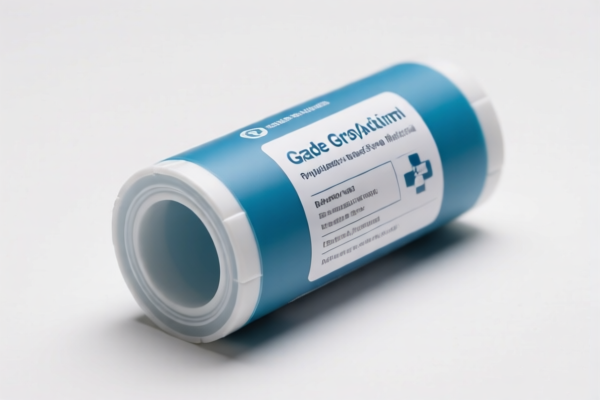
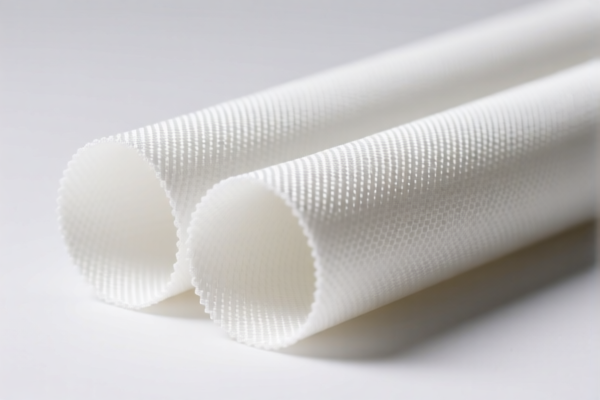
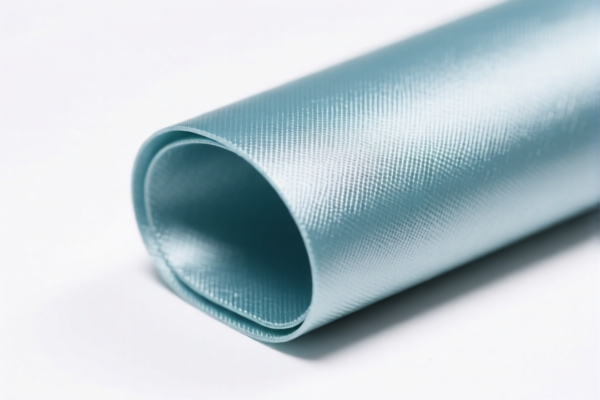
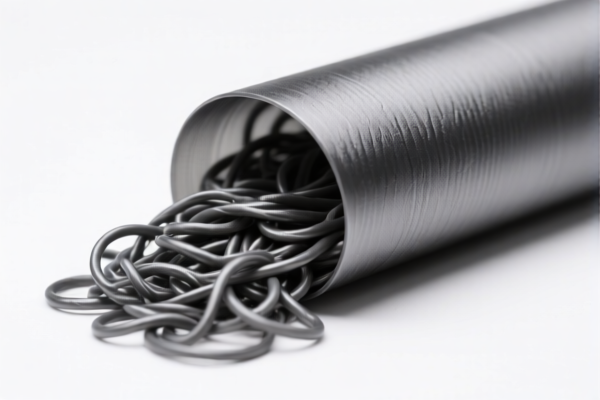
AI Analysis
🏥 Polyamide Medical Grade Board (Polyamide Medical Grade Board)
🌐 HS Code Reference & Customs Clearance Guide | 2026 Latest Tariff Analysis | Professional Clearance Strategy 📌 I. Product Definition & Classification: Do You Really Understand "Medical Grade Polyamide"?
Polyamide (PA), commonly known as Nylon, is a high-performance engineering plastic known for its strength, durability, and chemical resistance. However, in international trade, its classification depends entirely on its form, intended use, and processing stage.
For "Polyamide Medical Grade Boards," there are two distinct pathways: 1. Medical Device Semi-finished Products: Boards specifically designed or processed for orthopedic/implantable devices. 2. General Polyamide Semi-finished Goods: Raw or semi-finished plates used for general industrial or non-specific medical applications.
⚠️ Key Distinction Point: - If the board is specifically tailored for orthopedic surgery (e.g., bone plates, braces) or is a certified medical-grade intermediate product → Chapter 90 (Medical Instruments). - If the board is general-purpose polyamide sheeting (even if used in medical device manufacturing later) → Chapter 39 (Plastics).
📦 II. HS Code Classification Details (2026 Latest Tariff Authoritative Comparison)
| HS Code | Product Description | Application Scenario | Tax Category |
|---|---|---|---|
9021.90.81.00 |
Medical Grade Polyamide Boards: Used for plastic/corrective instruments. Considered semi-finished medical devices or raw materials. | Orthopedic surgery tools, corrective devices (intermediate form) | 10.0% |
9021.10.00.90 |
Medical Grade Polyamide Boards: Used for orthopedic surgery or fracture appliances. Intermediate form for medical use. | Fracture fixators, external fixators, surgical templates | 10.0% |
3908.90.70.00 |
Polyamide Material Boards: Primary or semi-finished form, fitting definitions of other polyamides. | Raw polymer sheets, industrial grade nylon plates | 41.5% |
3921.19.00.90 |
Polyamide Plastic Boards: Fits classification of other plastic sheets, films, foils, and strips. | General plastic sheeting, non-specific medical component blanks | 41.5% |
🔍 Key Reminder: - Medical Intent Matters: If the product is explicitly marketed as a "medical instrument component" and meets medical device standards, Chapter 90 applies (Lower Duty). - General Material Status: If it is sold as a raw material or generic plastic sheet, Chapter 39 applies (Higher Duty due to Section 301/122 tariffs).
💰 III. 2026 Latest Tariff Rate Breakdown (Including Surtaxes & Policy Add-ons)
✅ Applicable Country: United States (US) ✅ Country of Origin: China (CN) ✅ Effective Date: From Nov 10, 2025 (and subsequent imports)
🎯 1. 9021.90.81.00 & 9021.10.00.90 —— Medical Grade Polyamide Boards (Semi-finished Medical Devices)
| Item | Content |
|---|---|
| Base Tariff | 0.0% (ad valorem) |
| Section 301 Surtax | 0.0% |
| Section 122 Tariff | +10% |
| Total Tariff | 10.0% |
| Tax Calculation | CIF Value × 10% |
| De Minimis Eligibility | ❌ Not Applicable (Medical devices usually exceed thresholds or are excluded) |
| Legal Basis Path | USITC:9021.90.81.00 / USITC:9021.10.00.90 → Section 122: 10% |
📌 Explanation: - These codes fall under Chapter 90 (Medical/Surgical Instruments). - Base duty is 0%. - Section 301 tariffs (25%) do NOT apply to these specific medical device subheadings. - Only the Section 122 tariff (10%) applies, resulting in a total duty of 10%. This is significantly cheaper than the plastic classification.
🎯 2. 3908.90.70.00 & 3921.19.00.90 —— Polyamide Boards (General Plastic/Semi-finished)
| Item | Content |
|---|---|
| Base Tariff | 6.5% (ad valorem) |
| Section 301 Surtax | +25.0% |
| Section 122 Tariff | +10% |
| Total Tariff | 41.5% |
| Tax Calculation | CIF Value × 41.5% |
| De Minimis Eligibility | ❌ Not Applicable |
| Legal Basis Path | USITC:3908.90.70.00 / USITC:3921.19.00.90 → Section 301: 25% + Section 122: 10% |
📌 Explanation: - These codes fall under Chapter 39 (Plastics). - Base duty is 6.5%. - Section 301 tariffs (25%) DO apply to most polyamide plastics from China. - Section 122 tariffs (10%) also apply. - Total duty is 41.5%, which is more than 4 times higher than the medical device classification!
🛠️ IV. Customs Clearance Practical Advice (Practical Pitfall Avoidance Guide)
✅ 1. Required Documentation Checklist (Non-negotiable)
| Document | Must Provide | Explanation |
|---|---|---|
| ✅ Product Specification Sheet | ✔️ | Must clearly state "Polyamide," "Medical Grade," and intended use (e.g., "for orthopedic braces"). |
| ✅ Certificate of Analysis (CoA) | ✔️ | Proof of medical-grade compliance (e.g., USP Class VI, ISO 10993 biocompatibility). |
| ✅ Intended Use Statement | ✔️ | Letter from manufacturer/end-user confirming use in medical devices. |
| ✅ Commercial Invoice | ✔️ | Description must match HS code intent (e.g., "Medical Grade PA Board for Orthopedic Use"). |
| ✅ Packaging List | ✔️ | Clear separation of units. |
✅ 2. Declaration Strategy (Key Mantra)
🔥 "Medical Intent, Chapter 90; Generic Material, Chapter 39!"
| Situation | Correct Declaration | Wrong Practice |
|---|---|---|
| Board is certified medical-grade and intended for surgical devices | 9021.90.81.00 or 9021.10.00.90 (10% Duty) |
Declaring as "Plastic Board" → 41.5% Duty |
| Board is standard industrial nylon (even if used in medical device fabrication later) | 3908.90.70.00 (41.5% Duty) |
Attempting to force medical classification without proof |
| Mixed Shipment (Medical + Non-Medical) | Split Declaration | Mixing in one line item → Risk of audit & full audit rate |
✅ 3. Special Handling Tips
| Situation | Recommendation |
|---|---|
| OEM Medical Components | Provide customer PO + Design Drawings to prove specific medical application. |
| Raw Material for Medical Use | If not yet processed into a device component, it may fall under Chapter 39. Only claim Chapter 90 if it is a semi-finished medical article. |
| Biocompatibility Certificates | Always attach CoC for ISO 10993 or USP Class VI. This is strong evidence for "Medical Grade" status. |
| Country of Origin | Ensure CO (Certificate of Origin) confirms Chinese origin to correctly apply Section 301/122. |
🌍 V. Global Market Comparison (2026 Latest)
| Country/Region | Recommended HS Code | Tariff (China Origin) | Certification Required | Notes |
|---|---|---|---|---|
| 🇺🇸 USA | 9021.90.81.00 |
10% | FDA Pre-market Notification (if applicable) | Huge savings vs. Chapter 39 (41.5%) |
| 🇨🇳 China | 9021.90.81.00 |
~10-13% | NMPA | Import duties vary |
| 🇪🇺 EU | 9021.90.80 |
~0-4.5% | CE Mark + MDR | No Section 301/122 equivalents |
| 🇬🇧 UK | 9021.90.80 |
~0-4.5% | UKCA Mark | Post-Brexit rules apply |
📌 Conclusion: - USA is the critical market for tariff optimization. - Chapter 90 offers massive duty savings (10% vs. 41.5%) compared to Chapter 39. - Evidence is key: You must prove "Medical Intent" and "Medical Grade" status to avoid the higher plastic tariffs.
📌 VI. Common Errors & Pitfall Guide (Blood & Tears Lessons)
❌ Error 1: Declaring "Medical Grade Polyamide Boards" under 3921.19.00.90
👉 Consequence: Paying 41.5% duty instead of 10%. Overpaid $31.5 per $100 value.
❌ Error 2: Using Chapter 90 codes for generic nylon sheets without medical certification 👉 Consequence: Customs audit, penalty for misclassification, potential seizure.
❌ Error 3: Not providing biocompatibility certificates 👉 Consequence: Customs may doubt "Medical Grade" claim and reclassify to Chapter 39.
❌ Error 4: Mixing medical and non-medical polyamide in one shipment without split declaration 👉 Consequence: High risk of audit on the entire shipment.
✅ Correct Approach:
"Polyamide (Nylon) Medical Grade Sheet, USP Class VI Certified, for Orthopedic Bracing Use, Medical Semi-finished Product"
🎯 VII. Conclusion: Professional Declaration Saves Money!
🎯 Remember the Mantra:
🔹 "Medical Intent = 10% Duty; Generic Plastic = 41.5% Duty!" 🔹 "Chapter 90 saves you 31.5%! Prove it with Certificates!"
📌 Pro Tip:
If your polyamide boards are not explicitly for medical devices but are just raw materials, you must declare under Chapter 39. Do not force Chapter 90 without proper documentation. For USA imports, the $31.5 per $100 difference is significant. Consult a customs broker to ensure your "Medical Grade" claim is defensible.
📣 Immediate Action:
📞 Contact your customs broker. 📄 Prepare Biocompatibility Certificates and Intended Use Statements. 🚀 Optimize your tariff code and save 31.5% in duties!
✨ Professional Clearance Starts with Accurate Classification! 💼 Every penny saved is profit earned!
Customer Reviews
About HS Code Classification
The Harmonized System (HS) is an internationally standardized nomenclature developed by the World Customs Organization (WCO) to classify traded products. Over 200 countries use the HS system as the basis for customs tariffs, trade statistics, and import/export regulations.
Each HS code follows a hierarchical structure:
- Chapter (2 digits) — Broad category of goods (e.g., Chapter 84: Machinery and Mechanical Appliances)
- Heading (4 digits) — More specific grouping within the chapter
- Subheading (6 digits) — Internationally standardized breakdown, used by all WCO member countries
- National subdivisions (8-10 digits) — Country-specific extensions for further classification, such as US HTSUS 10-digit codes
Correct HS code classification is essential for smooth customs clearance, accurate duty payment, and compliance with trade regulations. Misclassification can lead to customs delays, overpayment of duties, or penalties.
When importing from CN to US, the applicable tariff rates may include:
- Most-Favored-Nation (MFN) rate — The standard duty rate applied to WTO members
- General rate — Applied to countries without trade agreements
- Trade remedy duties — Additional tariffs such as Section 301 (anti-dumping), Section 232 (national security), or countervailing duties
The information provided on this page is for reference purposes only. For official classification, please consult with your local customs authority or a licensed customs broker.