Polyamide Plastic Film Non Reinforced
CN → US| HS Code | Tariff Rate | Origin | Destination | Doc |
|---|---|---|---|---|
| 3920992000 | 39.2% | CN | US | Official Doc |
| 3920991000 | 41.0% | CN | US | Official Doc |
| 3908100000 | 41.3% | CN | US | Official Doc |
| 3908907000 | 41.5% | CN | US | Official Doc |
| 3920920000 | 39.2% | CN | US | Official Doc |
Product Images
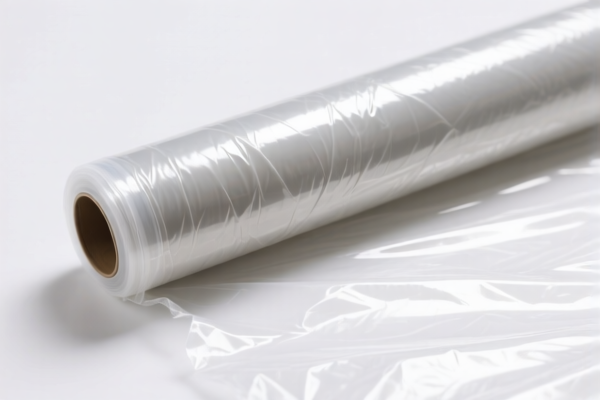
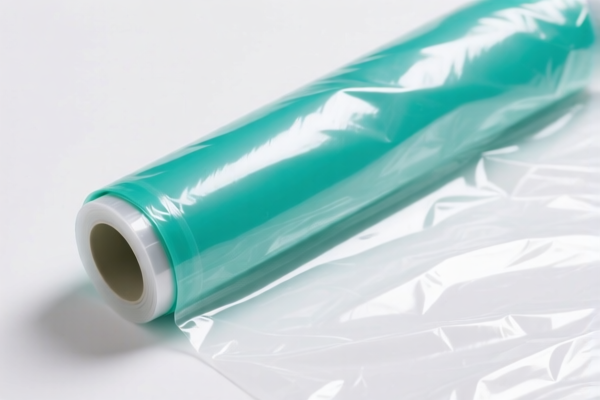
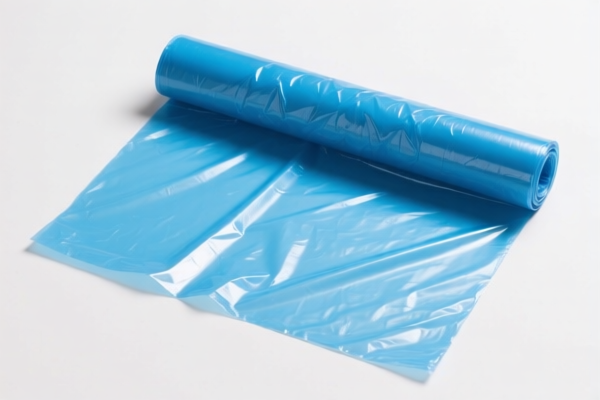
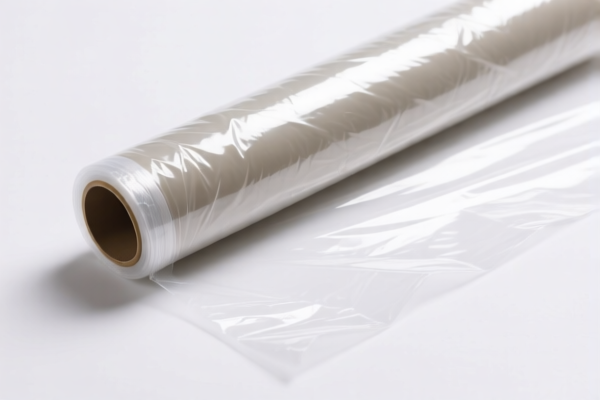
AI Analysis
🧪 Polyamide Plastic Film (Non-Reinforced)
🌐 HS Code Reference & Customs Clearance Guide | 2026 Latest Tariff Analysis | Professional Clearance Strategy
📌 I. Product Definition and Classification: What is "Polyamide Plastic Film"?
Polyamide (PA), commonly known as Nylon, is a high-performance engineering plastic known for its excellent mechanical strength, abrasion resistance, and temperature resistance. "Non-Reinforced Polyamide Film" refers to thin plastic sheets made primarily of polyamide, without adding glass fibers, carbon fibers, or other reinforcing materials.
In international trade, these films are categorized based on their chemical composition, physical form, and specific tariff classifications. The key distinction lies in whether the film is considered a "general plastic film" or specifically "polyamide," and the base tariff rates applied by the US customs authorities under the 2026 trade rules.
⚠️ Key Distinction:
- If the product is pure polyamide (Nylon) → It falls under specific Polyamide codes (3908.xx or 3920.92).
- If the product is a mixed plastic film but misclassified or categorized under general "Other plastics" → It may fall under 3920.99.
- Reinforcement: The prompt specifies "Non-Reinforced", so codes requiring reinforced plastics (e.g., fiber-reinforced) are excluded.
📦 II. HS Code Classification Details (2026 Latest Tariff Authoritative Comparison)
Based on the provided data, here are the applicable HS Codes for Non-Reinforced Polyamide Plastic Film:
| HS Code | Product Description | Application Scenario | Key Characteristics |
|---|---|---|---|
3920.99.20.00 |
Other plastics film, non-reinforced, unoriented, without support | General purpose plastic film, mixed polymer blends where PA is not the sole defining feature for lower tariffs | ✅ Non-reinforced |
3920.99.10.00 |
Plastics, plates, sheets, film, foil and strip (Other) | Fallback category for plastic films that don't fit specific resin codes; fits "Plates/Sheets/Film" classification | ✅ Non-reinforced |
3908.10.00.00 |
Polyamides in primary forms (Film) | Specific Polyamide classification; Film form; Primary shape (raw material) | ✅ Pure Polyamide |
3908.90.70.00 |
Polyamides in primary forms (Other) | Specific Polyamide classification; Film form; Classified under "Other" subcategory | ✅ Pure Polyamide |
3920.92.00.00 |
Polyamide film | Specific Polyamide classification; Fits exact coding requirement for Polyamide films | ✅ Pure Polyamide |
🔍 Important Note:
-3908.xxcodes are specifically for Polyamides (Nylon). If your product is 100% Nylon, these are the most accurate classifications. -3920.99.xxcodes are broader "Other Plastics" categories. They may apply if the film contains multiple polymers or if the specific polyamide code is not strictly applicable due to manufacturing nuances. - Tariff Discrepancy: Note that3920.99.20.00has a lower base tariff (4.2%) compared to specific polyamide codes like3908.10.00.00(6.3%). This highlights the critical importance of correct classification!
💰 III. 2026 Latest Tariff Rate Details (Including Surtaxes and Policy Add-ons)
✅ Applicable Country: United States (US)
✅ Origin: China (CN)
✅ Effective Date: Post-2025 (Includes subsequent imports)
✅ Total Tax Rate Range: 39.2% – 41.5% (Dependent on exact HS Code)
🎯 1. 3920.99.20.00 —— Other Plastic Film (Non-Reinforced)
| Item | Content |
|---|---|
| Base Tariff Rate | 4.2% (ad valorem) |
| Section 301 Surtax | +25.0% |
| Section 122 Clause Tax | +10.0% |
| Total Tax Rate | 39.2% |
| Tax Calculation | CIF Value × 39.2% |
| De Minimis Exemption | ❌ Not Eligible (denied) |
| Legal Basis Path | USITC:3920.99.20.00 → Section 301: Footnote 9903.88.01 → Section 122 |
📌 Explanation:
- This code offers the lowest total tax rate (39.2%) among the provided options.
- However, it is classified under "Other Plastics," so ensure the product does not strictly qualify as "Polyamide" under Chapter 39, Section 1, to avoid misclassification penalties.
🎯 2. 3920.99.10.00 —— Plastic Plates/Sheets/Film (Other)
| Item | Content |
|---|---|
| Base Tariff Rate | 6.0% (ad valorem) |
| Section 301 Surtax | +25.0% |
| Section 122 Clause Tax | +10.0% |
| Total Tax Rate | 41.0% |
| Tax Calculation | CIF Value × 41.0% |
| De Minimis Exemption | ❌ Not Eligible |
| Legal Basis Path | USITC:3920.99.10.00 → Section 301 → Section 122 |
📌 Note:
- Slightly higher base rate than3920.99.20.00.
- Use this if the film is a complex composite that doesn't fit the "Other" specific descriptor of 3920.99.20.
🎯 3. 3908.10.00.00 —— Polyamides in Primary Forms (Film)
| Item | Content |
|---|---|
| Base Tariff Rate | 6.3% (ad valorem) |
| Section 301 Surtax | +25.0% |
| Section 122 Clause Tax | +10.0% |
| Total Tax Rate | 41.3% |
| Tax Calculation | CIF Value × 41.3% |
| De Minimis Exemption | ❌ Not Eligible |
| Legal Basis Path | USITC:3908.10.00.00 → Section 301 → Section 122 |
📌 Explanation:
- This is the most precise classification for pure Nylon/Polyamide film.
- If customs auditors determine the product is indeed Polyamide, this is the correct code.
- Risk: Misclassifying a pure Polyamide film under3920.99.xxto save 0.2-2.3% base tax could lead to back-taxes and penalties if challenged.
🎯 4. 3908.90.70.00 —— Polyamides in Primary Forms (Other)
| Item | Content |
|---|---|
| Base Tariff Rate | 6.5% (ad valorem) |
| Section 301 Surtax | +25.0% |
| Section 122 Clause Tax | +10.0% |
| Total Tax Rate | 41.5% |
| Tax Calculation | CIF Value × 41.5% |
| De Minimis Exemption | ❌ Not Eligible |
| Legal Basis Path | USITC:3908.90.70.00 → Section 301 → Section 122 |
📌 Note:
- Highest base rate among the options.
- Use only if the film does not fit3908.10.00.00(Primary Forms - Film) for some specific technical reason.
🎯 5. 3920.92.00.00 —— Polyamide Film
| Item | Content |
|---|---|
| Base Tariff Rate | 4.2% (ad valorem) |
| Section 301 Surtax | +25.0% |
| Section 122 Clause Tax | +10.0% |
| Total Tax Rate | 39.2% |
| Tax Calculation | CIF Value × 39.2% |
| De Minimis Exemption | ❌ Not Eligible |
| Legal Basis Path | USITC:3920.92.00.00 → Section 301 → Section 122 |
📌 Key Opportunity:
- This code combines the specificity of Polyamide with a low base tariff (4.2%).
- Critical Check: Ensure the HS Code3920.92.00.00is valid in your specific trade context (e.g., US HTS). Note: In standard HTS, 3920.92 is often for "Polyamides" but rates may vary by year/edition. Based on the provided data, this is a highly advantageous code if applicable.
🛠️ IV. Customs Clearance Practical Advice (Actionable Pitfall Guide)
✅ 1. Required Documentation Checklist (Mandatory)
| Document | Must Provide | Purpose |
|---|---|---|
| ✅ Product Specification Sheet | ✔️ | Detail polymer composition (e.g., PA6, PA66, Nylon 12), thickness, width, tensile strength. |
| ✅ Technical Data Sheet (TDS) | ✔️ | Prove "Non-Reinforced" status (no glass/carbon fibers). |
| ✅ Product Photos | ✔️ | Clear shots of the film roll, labels, and any markings. |
| ✅ Commercial Invoice | ✔️ | Must specify "Polyamide Plastic Film, Non-Reinforced" and precise HS Code. |
| ✅ Packing List | ✔️ | Weight, dimensions, number of rolls/pallets. |
| ✅ Certificate of Origin (CO) | ✔️ | If claiming any potential exemptions (though unlikely for China origin here). |
| ✅ Third-Party Test Report | ✔️ | ISO or ASTM test results confirming polymer type. |
✅ 2. Declaration Tips (Key Mantras)
🔥 "Be Precise: Name It Right, Prove It's PA, Avoid the 99.xx Trap!"
| Scenario | Correct Declaration | Incorrect Practice |
|---|---|---|
| Pure Nylon Film | 3908.10.00.00 or 3920.92.00.00 |
Declaring as "Plastic Film" → Risk of reclassification |
| Mixed Polymer Film | 3920.99.20.00 or 3920.99.10.00 |
Claiming it's "Pure Polyamide" → Fraud/Misclassification |
| Reinforced Film | Not Applicable (Different Codes) | Declaring "Non-Reinforced" when it has fiber → Severe Penalty |
| Sample vs. Bulk | Same HS Code | Using different codes for samples → Audit Trigger |
✅ 3. Special Circumstances Handling
| Situation | Handling Advice |
|---|---|
| OEM Custom Film | Provide customer PO and design specs. Proving it's a standard PA film helps justify 3908 codes. |
| Multilayer Co-extruded Film | If PA is only a layer, classification may change to "Composite Plastic Film" → Likely 3920.99. |
| High-Performance PA (e.g., PPA) | Ensure it falls under "Polyamides" (3908). Some specialty polyamides might have unique classifications. |
| Small Quantity Samples | Still subject to full tariffs (39.2%-41.5%). No de minimis exemption. |
🌍 V. Global Market Comparison (2026 Latest)
| Country/Region | Recommended HS Code | Tariff Rate (China Origin) | Certification Requirements | Notes |
|---|---|---|---|---|
| 🇺🇸 USA | 3920.92.00.00 or 3908.10.00.00 |
39.2% - 41.5% | None specific for film, but FDA may apply for food contact | High Tariff! Plan cost structure accordingly. |
| 🇨🇳 China | 3920.92.00.00 or 3908.10.00.00 |
~4.2% - 6.5% (Import) | CCC (if electrical component) | No Section 301/122 taxes. |
| 🇪🇺 EU | 3920.92.00.00 or 3908.10.00.00 |
0% - 3% (Most Favored Nation) | REACH, RoHS, FDA if food contact | No major anti-dumping duties. |
| 🇦🇺 Australia | 3920.92.00.00 or 3908.10.00.00 |
5% | ACMA (if electronic) | Low tariff, straightforward. |
| 🇯🇵 Japan | 3920.92.00.00 or 3908.10.00.00 |
0% - 3% | JIS, FDA if food contact | CPTPP benefits may apply. |
📌 Conclusion:
- USA is the only major market imposing punitive surtaxes (301 + 122) on Chinese plastic films.
- Cost Impact: The ~35% surtax significantly impacts profitability. Consider supply chain diversification (e.g., sourcing from Vietnam or India if possible) or value-added processing to mitigate risks.
📌 VI. Common Errors & Pitfall Guide (Blood-Lessons)
❌ Error 1: Declaring "Polyamide Film" but using a generic "Plastic Film" code to save base tax.
👉 Consequence: Customs audit → Back taxes (difference in base rate) + penalties + potential seizure.
❌ Error 2: Failing to specify "Non-Reinforced" when the film contains fibers.
👉 Consequence: Incorrect classification → Higher base tariff or anti-dumping duties if applicable.
❌ Error 3: Ignoring Section 122 and 301 tariffs in cost calculations.
👉 Consequence: Budget shortfall → Total cost 40%+ of CIF value.
❌ Error 4: Using "Nylon" without chemical precision.
👉 Consequence: Customs may request additional documentation, delaying clearance by weeks.
✅ Correct Practice:
"Polyamide 6 (PA6) Plastic Film, Non-Reinforced, Unoriented, 50 Microns Thickness, For Packaging Use, HS Code: 3920.92.00.00"
🎯 VII. Conclusion: Precision Classification Saves Money!
🎯 Remember the Mantra:
🔹 "PA Film is Precise, 3920.92 is Sweet (Low Base)."
🔹 "3908.10 is Safe, 3920.99 is Fallback."
🔹 "Total Tax is ~40%, Plan for 40%!"
📌 Pro Tip:
If your polyamide film is food-contact grade, ensure you have FDA 21 CFR compliance documentation. While it doesn't change the HS Code, it prevents clearance delays due to regulatory holds.
🚀 Immediate Action:
📞 Contact your Customs Broker with the Technical Data Sheet (TDS) to confirm the best HS Code (3920.92.00.00vs3908.10.00.00).
📝 Apply for an Advance Ruling if the volume is high, to lock in the classification and tariff rate.
✨ Professional Clearance, Start with Accurate Classification!
💼 Your Every Dollar of Cost Deserves Precision!
Customer Reviews
About HS Code Classification
The Harmonized System (HS) is an internationally standardized nomenclature developed by the World Customs Organization (WCO) to classify traded products. Over 200 countries use the HS system as the basis for customs tariffs, trade statistics, and import/export regulations.
Each HS code follows a hierarchical structure:
- Chapter (2 digits) — Broad category of goods (e.g., Chapter 84: Machinery and Mechanical Appliances)
- Heading (4 digits) — More specific grouping within the chapter
- Subheading (6 digits) — Internationally standardized breakdown, used by all WCO member countries
- National subdivisions (8-10 digits) — Country-specific extensions for further classification, such as US HTSUS 10-digit codes
Correct HS code classification is essential for smooth customs clearance, accurate duty payment, and compliance with trade regulations. Misclassification can lead to customs delays, overpayment of duties, or penalties.
When importing from CN to US, the applicable tariff rates may include:
- Most-Favored-Nation (MFN) rate — The standard duty rate applied to WTO members
- General rate — Applied to countries without trade agreements
- Trade remedy duties — Additional tariffs such as Section 301 (anti-dumping), Section 232 (national security), or countervailing duties
The information provided on this page is for reference purposes only. For official classification, please consult with your local customs authority or a licensed customs broker.