Polyamide Plastic Foil
CN → US| HS Code | Tariff Rate | Origin | Destination | Doc |
|---|---|---|---|---|
| 3908100000 | 41.3% | CN | US | Official Doc |
| 3908907000 | 41.5% | CN | US | Official Doc |
| 3920920000 | 39.2% | CN | US | Official Doc |
| 3920991000 | 41.0% | CN | US | Official Doc |
| 5407410030 | 48.6% | CN | US | Official Doc |
Product Images
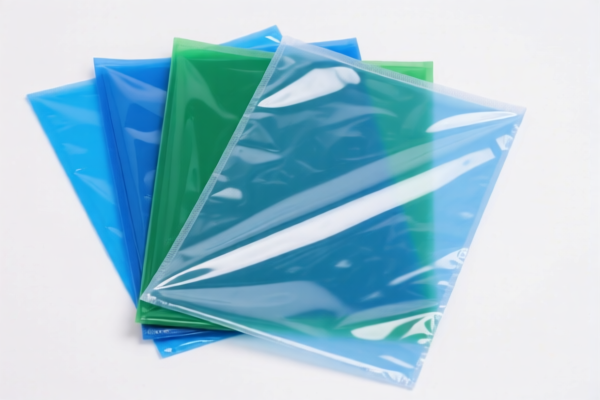
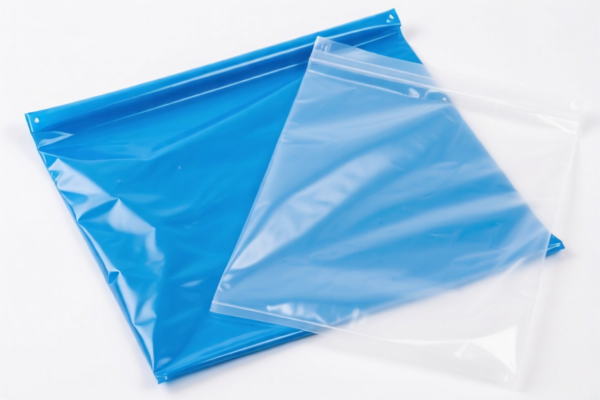
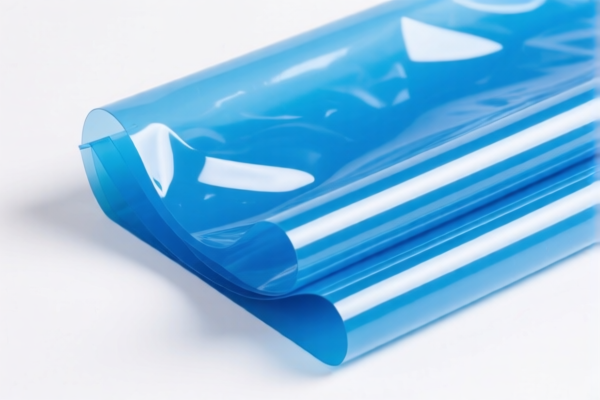

AI Analysis
🧪 Polyamide Plastic Foil (Nylon Film)
🌐 HS Code Reference & Customs Clearance Guide | 2024/2025 Latest Tariff Analysis | Professional Clearance Strategy
📌 I. Product Definition & Classification: Do You Really Understand "Polyamide Foil"?
Polyamide plastic foil (commonly known as Nylon Film or PA Film) is a high-performance flexible packaging material known for its excellent mechanical strength, gas barrier properties, and heat resistance. In international trade, it is primarily classified under Chapter 39 (Plastics and Articles Thereof) or potentially Chapter 54 (Synthetic Filaments/Fabrics) depending on its specific manufacturing process and physical state.
Key Distinctions in Classification:
- Polyamide Resin Films (Ch 39): Foils made directly from polyamide resins, often treated or treated as plastic sheets/films. These are the most common categories for standard industrial and packaging films.
- Woven/Textile-like Films (Ch 54): Foils that have been processed into a woven or fabric-like structure, or those specifically categorized under synthetic filament products. This carries a significantly higher tariff risk due to the "fabric" classification logic.
⚠️ Critical Differentiation Point:
- If the product is a continuous plastic sheet/film (even if textured), it generally falls under HS 3908 or 3920.
- If the product is explicitly described as a woven fabric or textile sheet derived from synthetic filaments, it may fall under HS 5407.
- Misclassification Risk: Declaring a standard plastic film as "Fabric" to try to fit another category can lead to severe penalties, as HS 5407 attracts the highest tariffs (48.6%) in the provided dataset.
📦 II. HS Code Classification Details (Based on Provided Data)
| HS Code | Product Description | Key Characteristics | Total Tax Rate |
|---|---|---|---|
3908.10.00.00 |
Polyamide Films (Primary Form) | Material: Polyamide; Form: Film; Meets primary shape requirements. | 41.3% |
3908.90.70.00 |
Other Polyamide Films | Material: Polyamide; Form: Film; Classified under "Other" subheadings. | 41.5% |
3920.92.00.00 |
Polyamide Films (Specific Code) | Material: Polyamide; Form: Film; Fits specific encoding requirements for plastic sheets. | 39.2% |
3920.99.10.00 |
Polyamide Plastic Films (Plastic Definition) | Material: Polyamide (Plastic); Form: Film; Fits definition of plastic plate/sheet/film. | 41.0% |
5407.41.00.30 |
Polyamide Films (Woven/Fabric Category) | Material: Polyamide (Nylon); Form: Fabric/Sheet; Reasonably inferred as textile-like. | 48.6% |
🔍 Important Note:
- The lowest tax rate available in this dataset is 39.2% (3920.92.00.00).
- The highest tax rate is 48.6% (5407.41.00.30), which results from classifying the film under a "fabric/woven" category rather than a "plastic film" category.
- All listed codes include Section 301 (25%) and Section 122 (10%) tariffs on top of the base duty, making the total burden extremely high for Chinese-origin goods.
💰 III. 2024/2025 Latest Tariff Rate Breakdown (Including Additional Taxes)
✅ Applicable Country: United States (US)
✅ Origin: China (CN)
✅ Effective Date: Post-2025 (Based on Section 301 and Section 122 regulations)
🎯 1. 3908.10.00.00 – Polyamide Films (Primary Form)
| Item | Detail |
|---|---|
| Base Duty Rate | 6.3% (ad valorem) |
| Section 301 Additional Duty | +25.0% |
| Section 122 Duty | +10.0% |
| Total Effective Tax Rate | 41.3% |
| Tax Calculation | CIF Value × 41.3% |
| De Minimis Exemption? | ❌ No (Denied) |
| Legal Basis | HTSUS 3908.10.00.00 → 301 Footnote → 122 Footnote |
📌 Explanation:
- This code represents polyamide films in their primary form.
- The 25% is the standard Section 301 tariff on Chinese plastics.
- The 10% is the additional Section 122 tariff (often related to national security or specific trade remedies).
- Total 41.3% is a heavy cost burden.
🎯 2. 3908.90.70.00 – Other Polyamide Films
| Item | Detail |
|---|---|
| Base Duty Rate | 6.5% |
| Section 301 Additional Duty | +25.0% |
| Section 122 Duty | +10.0% |
| Total Effective Tax Rate | 41.5% |
| Tax Calculation | CIF Value × 41.5% |
| De Minimis Exemption? | ❌ No |
| Legal Basis | HTSUS 3908.90.70.00 → 301 Footnote → 122 Footnote |
📌 Note:
- Slightly higher than3908.10.00.00due to a 0.2% higher base duty.
- Used for polyamide films that do not fit the "primary form" description of3908.10.
🎯 3. 3920.92.00.00 – Polyamide Films (Specific Encoding)
| Item | Detail |
|---|---|
| Base Duty Rate | 4.2% |
| Section 301 Additional Duty | +25.0% |
| Section 122 Duty | +10.0% |
| Total Effective Tax Rate | 39.2% |
| Tax Calculation | CIF Value × 39.2% |
| De Minimis Exemption? | ❌ No |
| Legal Basis | HTSUS 3920.92.00.00 → 301 Footnote → 122 Footnote |
📌 Key Insight:
- This is the MOST COST-EFFECTIVE option in the provided data.
- The lower base duty (4.2%) results in the lowest total tax (39.2%).
- Ensure your product strictly meets the "encoding requirements" for this specific subheading to avoid misclassification penalties.
🎯 4. 3920.99.10.00 – Polyamide Plastic Films
| Item | Detail |
|---|---|
| Base Duty Rate | 6.0% |
| Section 301 Additional Duty | +25.0% |
| Section 122 Duty | +10.0% |
| Total Effective Tax Rate | 41.0% |
| Tax Calculation | CIF Value × 41.0% |
| De Minimis Exemption? | ❌ No |
| Legal Basis | HTSUS 3920.99.10.00 → 301 Footnote → 122 Footnote |
📌 Note:
- Applies if the film is defined under the broader "Plastic Plate, Sheet, Film" category.
- Taxable rate is slightly higher than3920.92.00.00.
🎯 5. 5407.41.00.30 – Polyamide Films (Fabric/Woven Category)
| Item | Detail |
|---|---|
| Base Duty Rate | 13.6% |
| Section 301 Additional Duty | +25.0% |
| Section 122 Duty | +10.0% |
| Total Effective Tax Rate | 48.6% |
| Tax Calculation | CIF Value × 48.6% |
| De Minimis Exemption? | ❌ No |
| Legal Basis | HTSUS 5407.41.00.30 → 301 Footnote → 122 Footnote |
📌 CRITICAL WARNING:
- This is the HIGHEST TAX RATE in the dataset.
- It applies if the product is classified as a "woven fabric" or "synthetic filament sheet" rather than a standard plastic film.
- Avoid this classification unless the product is physically a woven textile. Misclassifying a plastic film as a textile to force a different code is illegal and risky.
🛠️ IV. Customs Clearance Practical Advice (Actionable Pitfall Guide)
✅ 1. Required Documentation Checklist (Non-Negotiable)
| Document | Must Provide | Purpose |
|---|---|---|
| ✅ Product Specification Sheet | ✔️ | Must clearly state: Material (Polyamide/PA), Form (Film/Foil), Thickness, Width, Usage. |
| ✅ Technical Data Sheet (TDS) | ✔️ | To prove it is a "plastic film" and not a "woven fabric." |
| ✅ Product Photos (Clear) | ✔️ | Show cross-section to prove it is a continuous plastic sheet, not woven threads. |
| ✅ Commercial Invoice | ✔️ | Accurately describe as "Polyamide Plastic Film" or "Nylon Film," NOT "Nylon Fabric." |
| ✅ Packing List | ✔️ | Detail rolls, dimensions, and weight. |
| ✅ Certificate of Origin | ✔️ | To confirm Chinese origin (triggers Section 301/122). |
✅ 2. Declaration Strategy (Key Mantra)
🔥 "Plastic Film, Not Fabric; Base Duty Matters; 3920.92 is Best!"
| Scenario | Correct Declaration | Wrong Declaration | Consequence |
|---|---|---|---|
| Standard Nylon Roll | 3920.92.00.00 (39.2%) |
5407.41.00.30 (48.6%) |
Overpay 9.4% per unit! |
| Textured Plastic Film | 3908.10.00.00 or 3908.90.70.00 |
5407.41.00.30 |
Avoid high tax by proving it's still "plastic." |
| Woven Nylon Tape | 5407.41.00.30 |
3920.92.00.00 |
If truly woven, you MUST use 5407. Misclassifying as plastic is fraud. |
✅ 3. Special Cases Handling
| Situation | Recommendation |
|---|---|
| Dual-Use Films (e.g., coated nylon) | Ensure the primary characteristic is "plastic film." Coatings do not change the HS code to textile. |
| Laminated Films (PA/PE/PP) | Generally classified under the layer that gives essential character. If PA is the outer layer providing strength, 3920 or 3908 may still apply. |
| OEM Custom Films | Provide the customer’s design specs. If the customer defines it as "Film," support that classification with technical data. |
| Sample Shipments | Still subject to the same high tariffs. Do not assume samples get a break. |
🌍 V. Global Market Comparison (Contextual Insight)
| Market | Recommended HS Code (Approx.) | Estimated Total Tax (China Origin) | Notes |
|---|---|---|---|
| 🇺🇸 USA | 3920.92.00.00 or 3908.10.00.00 |
39.2% – 41.3% | Includes 301 (25%) + 122 (10%) + Base. Highest burden. |
| 🇨🇳 China | 3920.92.00.00 |
~6–9% | No additional retaliatory tariffs. |
| 🇪🇺 EU | 3920.92.00 |
~6.5% | No Section 301/122 equivalents. |
| 🇬🇧 UK | 3920.92.00 |
~6.5% | Post-Brexit tariff structure similar to EU. |
| 🇯🇵 Japan | 3920.92.00 |
~6.0% | FTA benefits may apply if eligible. |
📌 Conclusion:
- The US market is uniquely punitive for polyamide films from China due to the combination of Section 301 and Section 122 tariffs.
- Cost Optimization is Critical: Using3920.92.00.00(39.2%) instead of5407.41.00.30(48.6%) saves 9.4% in taxes, which can make or break your profit margin.
📌 VI. Common Mistakes & Pitfall Guide (Lessons Learned)
❌ Mistake 1: Calling "Nylon Film" "Nylon Fabric" in the commercial invoice
👉 Result: Customs may classify under 5407 → Tax jumps to 48.6% unnecessarily.
👉 Fix: Use "Plastic Film" or "Polyamide Sheet" unless it is genuinely woven.
❌ Mistake 2: Assuming all polyamide codes are the same tax rate
👉 Result: Declaring 3908.90.70.00 (41.5%) when 3920.92.00.00 (39.2%) is applicable.
👉 Fix: Always verify the "Primary Form" vs. "Specific Encoding" requirements.
❌ Mistake 3: Ignoring Section 122 (10%)
👉 Result: Underestimating the total landed cost.
👉 Fix: Factor in all tariffs (Base + 301 + 122) in your pricing model.
✅ Correct Practice:
"Polyamide (PA) Plastic Film, 50μm, 1000mm width, for packaging use, Made in China."
HS Code:3920.92.00.00
Total Tax: 39.2%
🎯 VII. Conclusion: Professional Declaration Saves Money!
🎯 Remember the Mantra:
🔹 "Film is Plastic, Not Fabric; 3920.92 is the King!"
🔹 "Base Duty 4.2%, Total 39.2%; Avoid 48.6% or you’ll cry!"
🔹 "HS Code Determines Profit; Misclassification Costs You Thousands!"
📌 Pro Tip:
If your polyamide film is exclusively for military/aerospace use, consult with a customs broker about potential exclusions or special manufacturing certificates, though Section 301/122 rarely applies to exemptions without specific DOE (Department of Energy) or DoD involvement.
📣 Immediate Action:
📞 Contact a Licensed Customs Broker + Provide Product Specs + Apply for Pre-Ruling if unsure.
🚀 Optimize Your HS Code to3920.92.00.00if possible to minimize tax liability!
✨ Professional Clearance Starts with Accurate Classification!
💼 Every Percentage Point of Tax Saved is Pure Profit!
Customer Reviews
About HS Code Classification
The Harmonized System (HS) is an internationally standardized nomenclature developed by the World Customs Organization (WCO) to classify traded products. Over 200 countries use the HS system as the basis for customs tariffs, trade statistics, and import/export regulations.
Each HS code follows a hierarchical structure:
- Chapter (2 digits) — Broad category of goods (e.g., Chapter 84: Machinery and Mechanical Appliances)
- Heading (4 digits) — More specific grouping within the chapter
- Subheading (6 digits) — Internationally standardized breakdown, used by all WCO member countries
- National subdivisions (8-10 digits) — Country-specific extensions for further classification, such as US HTSUS 10-digit codes
Correct HS code classification is essential for smooth customs clearance, accurate duty payment, and compliance with trade regulations. Misclassification can lead to customs delays, overpayment of duties, or penalties.
When importing from CN to US, the applicable tariff rates may include:
- Most-Favored-Nation (MFN) rate — The standard duty rate applied to WTO members
- General rate — Applied to countries without trade agreements
- Trade remedy duties — Additional tariffs such as Section 301 (anti-dumping), Section 232 (national security), or countervailing duties
The information provided on this page is for reference purposes only. For official classification, please consult with your local customs authority or a licensed customs broker.