Polyamide Raw Material for Pipes
CN → USProduct Images

AI Analysis
🏗️ Polyamide Raw Material for Pipes (Nylon Pellets/Resin)
🌐 HS Code Reference & Clearance Guide | 2026 Latest Tariff Analysis | Professional Customs Strategy 📌 I. Product Definition & Classification: What is "Polyamide Raw Material"?
Polyamide (PA), commonly known as Nylon, is a versatile synthetic polymer widely used in the manufacturing of pipes, tubing, and fittings due to its high strength, chemical resistance, and durability.
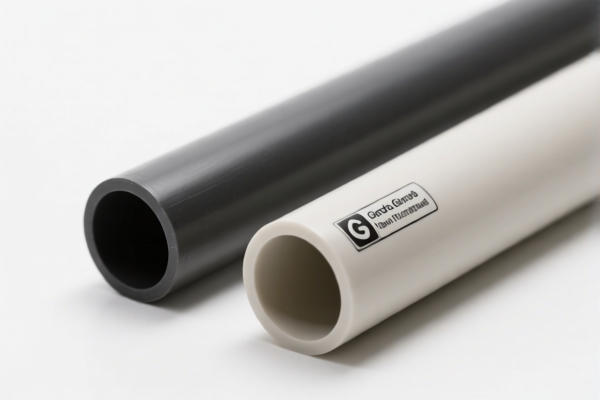
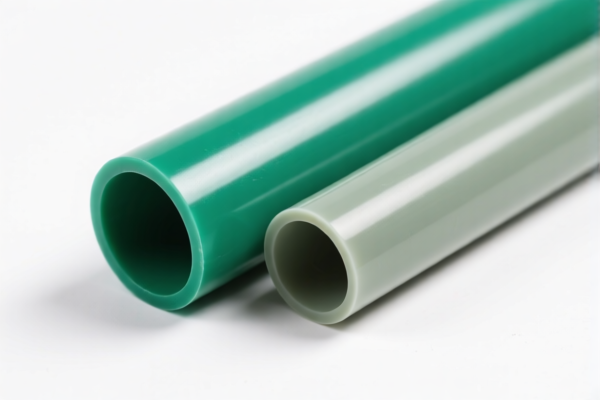
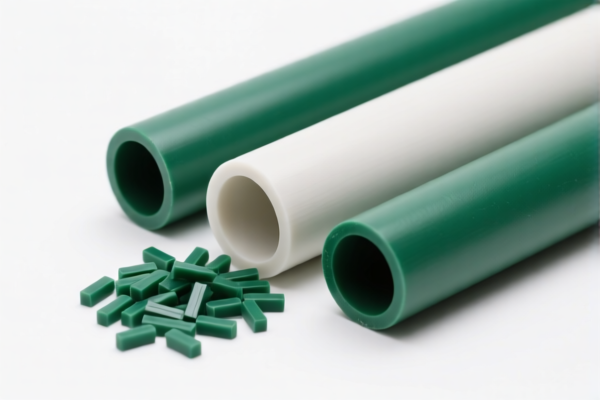
In international trade, the classification depends heavily on the form of the material: 1. Raw Polymer Resin/Pellets: Unmelted, unextruded granules, powders, or flakes used as feedstock for extrusion. 2. Finished Pipes/Tubes: Already extruded into cylindrical shapes.
⚠️ Critical Distinction:
- If the product is in the form of pellets, granules, or powder → It is a Chemical/Plastic Raw Material. - If the product is already shaped into pipes → It is a Plastic Article.This guide focuses on the Raw Material (Pellets/Resin) as requested.
📦 II. HS Code Classification Details (2026 Authoritative对照)
| HS Code | Product Description | Application | Form |
|---|---|---|---|
3908.10.00.00 |
Polyamides in primary forms (Nylon 6, 6.6, etc.) | Raw pellets/resin for extrusion into pipes | ✅ Raw Material |
3917.21.00.00 |
Rigid tubes, pipes & hoses, of Polymers of Ethylene | Not Polyamide | ❌ Wrong |
3917.39.00.00 |
Other rigid tubes, pipes & hoses, of Other Plastics | Finished pipes (not raw material) | ❌ Wrong Form |
3906.90.00.00 |
Acrylic Polymers in primary forms | Not Polyamide | ❌ Wrong Material |
🔍 Key Takeaway:
The correct HS Code for Polyamide Raw Material (pellets/resin) intended for pipe manufacturing is3908.10.00.00.
Do not classify as finished pipes (3917.39), as this triggers different duties and potential misdeclaration penalties.
💰 III. 2026 Latest Tariff Rate Breakdown (Including Surcharges)
✅ Destination Country: United States (US)
✅ Origin: China (CN)
✅ Effective Date: Post-November 2025 (Current Trade Climate)
🎯 1. 3908.10.00.00 – Polyamides in Primary Forms (Nylon Raw Material)
| Item | Details |
|---|---|
| Base MFN Rate | 0% – 5.3% (varies by specific PA type, e.g., PA6 vs PA11) |
| USITC Section 301 Surcharge | +25% (Applied to Chinese-origin chemical plastics) |
| IEEPA Section 232/Other Surcharges | 0% (Generally not applicable to standard nylon pellets, unlike steel/aluminum) |
| Total Effective Rate | ~25% – 30.3% |
| Tax Calculation | (CIF Value) × (Base Rate + 25%) |
| De Minimis Exemption | ❌ Not Eligible (Value > $800 triggers full duty) |
| Legal Basis Path | USITC:3908.10.00.00 → Footnote: 9903.88.01 (Section 301) |
📌 Explanation:
- The 25% Section 301 tariff is the dominant cost driver for Chinese-origin nylon pellets. - While the base duty is low, the additional 25% makes the total landed cost significantly higher. - No IEEPA surcharge typically applies to basic polymer resins unless specific strategic materials lists are updated.
🛠️ IV. Clearance Practical Advice (Pitfall Avoidance Guide)
✅ 1. Required Documentation Checklist
| Document | Required? | Notes |
|---|---|---|
| ✅ Commercial Invoice | ✔️ | Must clearly state "Polyamide 6 Resin Pellets" or similar specific grade. |
| ✅ Packing List | ✔️ | Include net/gross weight, number of bags/pallets. |
| ✅ Certificate of Origin (CO) | ✔️ | Essential for verifying Chinese origin to apply correct 301 duty. |
| ✅ Material Safety Data Sheet (MSDS) | ✔️ | Required for safe handling and customs verification of chemical nature. |
| ✅ Supplier Declaration | ✔️ | Confirming the product is "in primary forms" (pellets/powder) and NOT pre-formed pipes. |
| ✅ FCC/REACH Compliance | ✔️ | Depending on end-use, chemical compliance certs may be requested. |
✅ 2. Declaration Tips (Key Mantras)
🔥 “Say ‘Resin/Pellets’, Not ‘Pipes’; Clarify Origin to Avoid Delays!”
| Scenario | Correct Declaration | Wrong Declaration |
|---|---|---|
| Nylon Pellets for Pipe Making | 3908.10.00.00 – Polyamide Resin |
3917.39.00.00 – Finished Pipes (Misclassification) |
| Import from China | Clearly state "Made in China" | Ambiguous origin → Higher scrutiny |
| Import from Vietnam/Malaysia | State "Made in Vietnam" | Hiding origin → Fraud risk |
✅ 3. Special Circumstances Handling
| Situation | Handling Advice |
|---|---|
| Blended Materials | If PA is blended with glass fiber or other polymers, check if the base material remains PA. If PA >50%, 3908.10 usually still applies. |
| Recycled Nylon | If using recycled pellets, ensure they are chemically similar to virgin PA. Some recycled plastics have different HS codes (3915). |
| Sample Imports | Even small samples of chemical raw materials may require MSDS and proper HS declaration. |
🌍 V. Global Market Comparison (2026 Latest)
| Country/Region | Recommended HS Code | Tariff (China Origin) | Certification Requirements | Notes |
|---|---|---|---|---|
| 🇺🇸 USA | 3908.10.00.00 |
25% + Base Duty | FCC (if electronic contact), MSDS | High Section 301 duty |
| 🇨🇳 China | 3908.10.00.00 |
0% – 5% | CCC (if end-use requires) | Low entry barrier |
| 🇪🇺 EU | 3908.10 |
0% | REACH Registration | Strict chemical regulations |
| 🇬🇧 UK | 3908.10 |
0% – 5% | UK REACH | Post-Brexit compliance |
| 🇦🇺 Australia | 3908.10 |
5% | AICIS | Chemical inventory check |
📌 Conclusion:
- The US market is the most expensive for Chinese Nylon Raw Material due to the 25% Section 301 tariff. - EU and UK offer duty-free or low-duty access but have strict REACH/UK REACH chemical registration requirements. - Consider supply chain diversification (e.g., sourcing from Turkey, India, or Southeast Asia) to mitigate US tariffs.
📌 VI. Common Errors & Pitfalls (Lessons Learned)
❌ Error 1: Declaring Nylon Pellets as "Plastic Pipes" (3917.39)
👉 Consequence: Incorrect HS code, potential duty underpayment (if pipe duty is lower) or overpayment, plus penalties.
❌ Error 2: Failing to specify the Type of Polyamide (e.g., PA6 vs PA12)
👉 Consequence: Customs may request additional info, causing delays. Base duties can vary slightly.
❌ Error 3: Ignoring MSDS Requirements
👉 Consequence: Shipments held at border for safety review; potential fines for improper chemical documentation.
❌ Error 4: Assuming "Plastic" is a generic enough description
👉 Consequence: Customs will classify based on material composition. Vague descriptions lead to automatic high-duty assessments or reclassification.
✅ Correct Practice:
"Polyamide 6 (PA6) Raw Material Resin Pellets, Unfilled, for Extrusion, HS Code 3908.10.00.00, Origin: China"
🎯 VII. Conclusion: Precision Declaration Saves Costs!
🎯 Remember the Mantra:
🔹 “Pellets are Raw, Pipes are Finished; Check 3908, Not 3917.”
🔹 “301 Tariff Hits 25% Hard; Plan Your Supply Chain Early.”
📌 Pro Tip:
If you are importing large volumes into the US, consider applying for a Section 301 Exclusion (if available for your specific PA type) or explore Foreign Trade Zones (FTZs) to defer duty payments.
📣 Immediate Action:
📞 Consult a Customs Broker + Provide MSDS + Verify Specific PA Grade
🚀 Ensure smooth clearance with accurate HS Code3908.10.00.00!
✨ Professional Clearance Starts with Precise Classification!
💼 Every Percent Saved on Duty is Pure Profit!
Customer Reviews
About HS Code Classification
The Harmonized System (HS) is an internationally standardized nomenclature developed by the World Customs Organization (WCO) to classify traded products. Over 200 countries use the HS system as the basis for customs tariffs, trade statistics, and import/export regulations.
Each HS code follows a hierarchical structure:
- Chapter (2 digits) — Broad category of goods (e.g., Chapter 84: Machinery and Mechanical Appliances)
- Heading (4 digits) — More specific grouping within the chapter
- Subheading (6 digits) — Internationally standardized breakdown, used by all WCO member countries
- National subdivisions (8-10 digits) — Country-specific extensions for further classification, such as US HTSUS 10-digit codes
Correct HS code classification is essential for smooth customs clearance, accurate duty payment, and compliance with trade regulations. Misclassification can lead to customs delays, overpayment of duties, or penalties.
When importing from CN to US, the applicable tariff rates may include:
- Most-Favored-Nation (MFN) rate — The standard duty rate applied to WTO members
- General rate — Applied to countries without trade agreements
- Trade remedy duties — Additional tariffs such as Section 301 (anti-dumping), Section 232 (national security), or countervailing duties
The information provided on this page is for reference purposes only. For official classification, please consult with your local customs authority or a licensed customs broker.