Polyarylate Resin
CN → US| HS Code | Tariff Rate | Origin | Destination | Doc |
|---|---|---|---|---|
| 3907300000 | 41.1% | CN | US | Official Doc |
| 3907290000 | 41.5% | CN | US | Official Doc |
| 3911904500 | 40.8% | CN | US | Official Doc |
| 3911902500 | 41.1% | CN | US | Official Doc |
| 3907992000 | 35.0% | CN | US | Official Doc |
Product Images
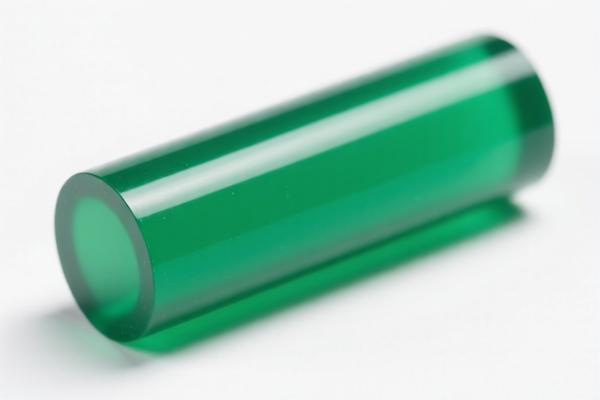

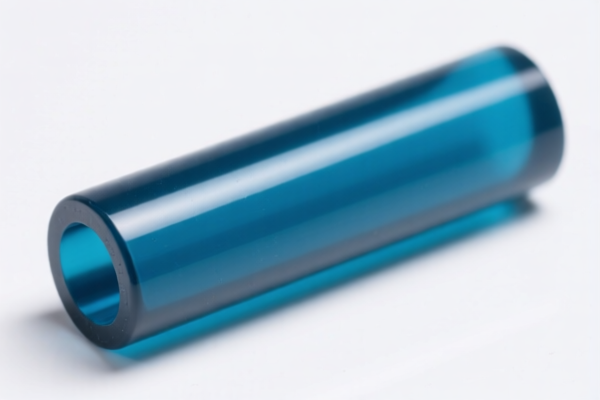

AI Analysis
🧪 Polyarylate Resin (Polyarylate)
🌐 HS Code Reference & Customs Clearance Guide | 2026 Latest Tariff Analysis | Professional Strategy
📌 I. Product Definition & Classification: What is Polyarylate Resin?
Polyarylate (PAR) is a high-performance amorphous thermoplastic polymer. It is characterized by excellent transparency, heat resistance, dimensional stability, and chemical resistance. In international trade, it falls under the broader category of Plastics and Articles Thereof (Chapter 39).
Because Polyarylate has unique chemical structures (aromatic units in the backbone), its classification can be tricky. It is often confused with Epoxy Resins, Polyethers, or generic Aromatic Resins. Below is the precise breakdown of potential HS Codes and their logical justifications based on material characteristics.
⚠️ Key Distinction Point:
- Is it an Epoxy/Ether-type? → Look at 3907.
- Is it a Generic/Modified Aromatic Resin? → Look at 3911.
- Is it treated as a Polyester-like Aromatic Polymer? → Look at 3907.99.
📦 II. HS Code Classification Details (2026 Latest Tariff Authority Comparison)
| HS Code | Product Description | Applicability Logic | Tax Rate (US/CN) |
|---|---|---|---|
| 3907.30.00.00 | Polyarylate Resin classified as Epoxy/Ether-family | Polyarylates share structural similarities with epoxy and polyether resins. It fits the logic of "primary shape resins" in the epoxy/polyether family. | 41.1% |
| 3907.29.00.00 | Polyarylate Resin as "Other Polyethers" | Classified under "Other polyethers" because of the ether linkages in its chemical structure. No conflict with shape or use. | 41.5% |
| 3911.90.45.00 | Aromatic Monomer Unit Resin | Fits the description of "resins containing aromatic or modified aromatic monomer units." PAR is rich in aromatic rings. | 40.8% |
| 3911.90.25.00 | Thermoplastic Product from Aromatic Units | Classified as a thermoplastic product derived from aromatic monomer units (similar to petroleum resin logic). | 41.1% |
| 3907.99.20.00 | Aromatic Polyester/Resin Category | Treated as a "Polyester-type/ Aromatic Polyester" resin in primary shape form due to its aromatic backbone structure. | 35.0% |
🔍 Critical Reminder:
- 3907.99.20.00 offers the lowest total tax burden (35.0%) among the options. This is because it has a 0% Base Tariff, unlike the others which have 5.8%-6.5% base tariffs.
- However, classification must match the exact chemical definition of the specific Polyarylate grade. Misclassification can lead to audits and penalties.
💰 III. 2026 Latest Tariff Rate Breakdown (Including Surtaxes & Policy Add-ons)
✅ Applicable Country: United States (US)
✅ Country of Origin: China (CN)
✅ Effective Date: From November 10, 2025 (and subsequent imports)
🎯 1. 3907.30.00.00 —— Polyarylate as Epoxy/Ether Family Resin
| Item | Detail |
|---|---|
| Base Tariff | 6.1% (ad valorem) |
| Section 301 Surtax | +25.0% |
| Section 122 Tariff | +10.0% |
| Total Tariff | 41.1% |
| Tax Calculation | CIF Value × 41.1% |
| De Minimis Exemption | ❌ Not Eligible (deny_de_minimis) |
| Legal Pathway | Base Tariff → Section 301 → Section 122 |
📌 Explanation:
- This code places Polyarylate in the "Primary Shape of Epoxy Resins" category.
- The 25% Section 301 and 10% Section 122 are applied on top of the base rate.
🎯 2. 3907.29.00.00 —— Polyarylate as "Other Polyethers"
| Item | Detail |
|---|---|
| Base Tariff | 6.5% (ad valorem) |
| Section 301 Surtax | +25.0% |
| Section 122 Tariff | +10.0% |
| Total Tariff | 41.5% |
| Tax Calculation | CIF Value × 41.5% |
| De Minimis Exemption | ❌ Not Eligible (deny_de_minimis) |
| Legal Pathway | Base Tariff → Section 301 → Section 122 |
📌 Note:
- This is the highest total tax rate among the options.
- Suitable only if the specific chemical analysis strongly supports the "Other Polyether" definition over epoxy or generic aromatic resins.
🎯 3. 3911.90.45.00 —— Aromatic Monomer Unit Resin
| Item | Detail |
|---|---|
| Base Tariff | 5.8% (ad valorem) |
| Section 301 Surtax | +25.0% |
| Section 122 Tariff | +10.0% |
| Total Tariff | 40.8% |
| Tax Calculation | CIF Value × 40.8% |
| De Minimis Exemption | ❌ Not Eligible (deny_de_minimis) |
| Legal Pathway | Base Tariff → Section 301 → Section 122 |
📌 Explanation:
- This code falls under "Resins and Plastics in Primary Forms" but specifically for those containing aromatic monomers not elsewhere specified.
- It is 0.3% cheaper than the epoxy classification.
🎯 4. 3911.90.25.00 —— Thermoplastic Aromatic Product
| Item | Detail |
|---|---|
| Base Tariff | 6.1% (ad valorem) |
| Section 301 Surtax | +25.0% |
| Section 122 Tariff | +10.0% |
| Total Tariff | 41.1% |
| Tax Calculation | CIF Value × 41.1% |
| De Minimis Exemption | ❌ Not Eligible (deny_de_minimis) |
| Legal Pathway | Base Tariff → Section 301 → Section 122 |
📌 Note:
- Similar to3911.90.45.00, but specifically framed as a "thermoplastic product" from aromatic units.
- Same tax burden as the epoxy classification (3907.30.00.00).
🎯 5. 3907.99.20.00 —— Aromatic Polyester/Resin Category (🏆 LOWEST TAX)
| Item | Detail |
|---|---|
| Base Tariff | 0.0% (ad valorem) |
| Section 301 Surtax | +25.0% |
| Section 122 Tariff | +10.0% |
| Total Tariff | 35.0% |
| Tax Calculation | CIF Value × 35.0% |
| De Minimis Exemption | ❌ Not Eligible (deny_de_minimis) |
| Legal Pathway | Base Tariff (0%) → Section 301 → Section 122 |
📌 Strategic Advantage:
- Total Tax: 35.0% vs. 40-41% for others.
- This is a 5-6% savings on the total tax burden.
- Condition: You must justify that Polyarylate fits the "Aromatic Polyester" or similar broad aromatic resin category under 3907.99. This requires strong chemical evidence.
🛠️ IV. Customs Clearance Practical Advice (Battle-Tested Guide)
✅ 1. Required Documentation Checklist (Mandatory)
| Document | Required? | Explanation |
|---|---|---|
| ✅ Product Specification Sheet | ✔️ | Must detail chemical structure, Tg, heat resistance, and form (pellets, granules, etc.). |
| ✅ Chemical Analysis Report | ✔️ | Crucial! Prove it is Polyarylate (PAR) and not a generic polyether or polyester. |
| ✅ Product Photos | ✔️ | Clear images of packaging, labels, and material form (e.g., clear pellets). |
| ✅ Commercial Invoice | ✔️ | Must accurately describe the item as "Polyarylate Resin" and include the proposed HS Code. |
| ✅ Certificate of Origin | ✔️ | To verify Country of Origin (China) for Section 301/122 applicability. |
| ✅ Packing List | ✔️ | Detail net/gross weight and carton count. |
✅ 2. Declaration Tips (Key Mantras)
🔥 "Chemical Truth, Tariff Truth! Pick the Lowest Legal Code!"
| Scenario | Correct Declaration | Wrong Approach |
|---|---|---|
| General Polyarylate | 3907.99.20.00 (if justified) |
Using 3907.29 → 41.5% Tax |
| If Chemical Analysis is Unclear | 3907.30.00.00 or 3911.90.45.00 |
Guessing → Audit Risk |
| OEM Custom Resin | Provide Customer PO + Tech Spec | Vague name "Plastic Pellets" → Detention |
| Blends with Fillers | Check if >50% Polymer | If fillers >50%, may fall under Chapter 38/3909! |
✅ 3. Special Handling for High Tariffs
| Situation | Handling Advice |
|---|---|
| Section 301 Exclusion | Check if your specific Polyarylate grade is on the USITC Exclusion List. If yes, you can avoid the 25% surtax! |
| Section 122 Tariff | Currently applies to certain Chinese plastics. Ensure your declaration matches the current enforcement status. |
| Alternative Origins | If sourced from Vietnam, Thailand, or Malaysia, verify Country of Origin rules. You may qualify for 0% Section 301 and 0% Section 122. |
🌍 V. Global Market Clearance Comparison (2026 Latest)
| Country/Region | Recommended HS Code | Est. Tariff (China Origin) | Certification Req. | Notes |
|---|---|---|---|---|
| 🇺🇸 USA | 3907.99.20.00 |
35.0% (Total) | No specific tech cert | Highest risk due to Section 301/122. |
| 🇨🇳 China | 3907.99.20.00 |
5.8% - 6.5% | None | No Section 301/122. |
| 🇪🇺 EU | 3907.99 |
0% - 3% | REACH Registration | Low tariff, but strict chemical compliance. |
| 🇯🇵 Japan | 3907.99 |
0% - 6% | JIS/ISO | Favorable for high-performance plastics. |
📌 Conclusion:
- The USA is the most expensive market for Polyarylate Resin due to dual surtaxes.
- 3907.99.20.00 is the optimal code for US import to minimize cost to 35.0%.
- EU and Japan offer much better tax environments, but require strict chemical registration (REACH).
📌 VI. Common Errors & Pitfall Guide (Lessons from Blood & Tears)
❌ Error 1: Declaring Polyarylate as generic "Plastic Pellets"
👉 Consequence: Customs may assign a random higher code → Unexpected High Tax + Delay.
❌ Error 2: Using 3907.29.00.00 without chemical proof of "Polyether" structure
👉 Consequence: Audit → Back Taxes + Penalty.
👉 Solution: If in doubt, use 3907.99.20.00 (0% base) which is safer and cheaper.
❌ Error 3: Ignoring Section 122 Tariff
👉 Consequence: Underpayment by 10% → Seizure or Demand for Payment.
👉 Solution: Always add 10% to Section 301 calculations for Chinese plastics.
❌ Error 4: Mixing Parcels under De Minimis
👉 Consequence: De Minimis does NOT apply to Section 301/122 goods from China.
👉 Solution: Full formal entry required for all shipments.
✅ Correct Practice:
"Polyarylate Resin (PAR), Amorphous Thermoplastic, Clear Pellets, High Heat Resistance, Model XYZ, Chemically Defined as Aromatic Polymer."
🎯 VII. Conclusion: Professional Declaration, Cost Efficiency!
🎯 Remember the Mantra:
🔹 "Zero Base Tariff Wins! 3907.99 is King!"
🔹 "35% Total Tax vs 41% Total Tax: That's 6% Savings on Every Dollar!"
🔹 "Don't Guess Chemistry. Use Proven Codes."
📌 Pro Tip:
If your Polyarylate Resin is sourced from non-China countries (e.g., Korea, USA, Europe), you may qualify for 0% Section 301 and 0% Section 122, reducing the total tax to just the base rate (0% - 6.5%).
Recommendation:
📞 Consult a Customs Broker + Provide Chemical Structure + Apply for Advance Ruling (Pre-classification)
🚀 Minimize Your Tax Burden, Maximize Your Profit!
✨ Professional Clearance Starts with Precise Classification!
💼 Every Percent of Tax is Money in Your Pocket!
Customer Reviews
About HS Code Classification
The Harmonized System (HS) is an internationally standardized nomenclature developed by the World Customs Organization (WCO) to classify traded products. Over 200 countries use the HS system as the basis for customs tariffs, trade statistics, and import/export regulations.
Each HS code follows a hierarchical structure:
- Chapter (2 digits) — Broad category of goods (e.g., Chapter 84: Machinery and Mechanical Appliances)
- Heading (4 digits) — More specific grouping within the chapter
- Subheading (6 digits) — Internationally standardized breakdown, used by all WCO member countries
- National subdivisions (8-10 digits) — Country-specific extensions for further classification, such as US HTSUS 10-digit codes
Correct HS code classification is essential for smooth customs clearance, accurate duty payment, and compliance with trade regulations. Misclassification can lead to customs delays, overpayment of duties, or penalties.
When importing from CN to US, the applicable tariff rates may include:
- Most-Favored-Nation (MFN) rate — The standard duty rate applied to WTO members
- General rate — Applied to countries without trade agreements
- Trade remedy duties — Additional tariffs such as Section 301 (anti-dumping), Section 232 (national security), or countervailing duties
The information provided on this page is for reference purposes only. For official classification, please consult with your local customs authority or a licensed customs broker.