Polycarbonate Agricultural Sheet
CN → US| HS Code | Tariff Rate | Origin | Destination | Doc |
|---|---|---|---|---|
| 3921190090 | 41.5% | CN | US | Official Doc |
| 3921190010 | 41.5% | CN | US | Official Doc |
Product Images
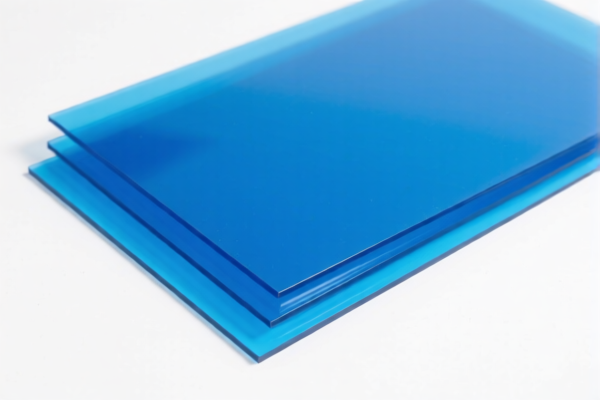
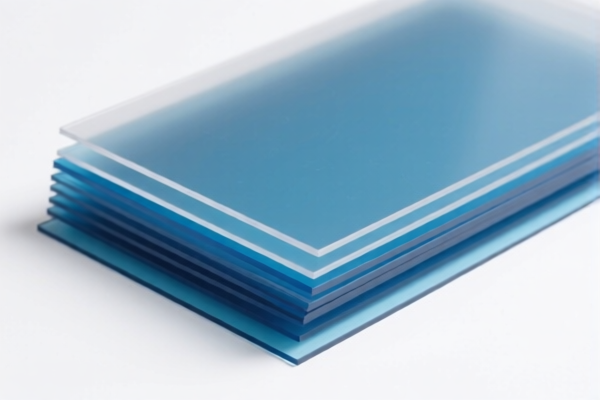

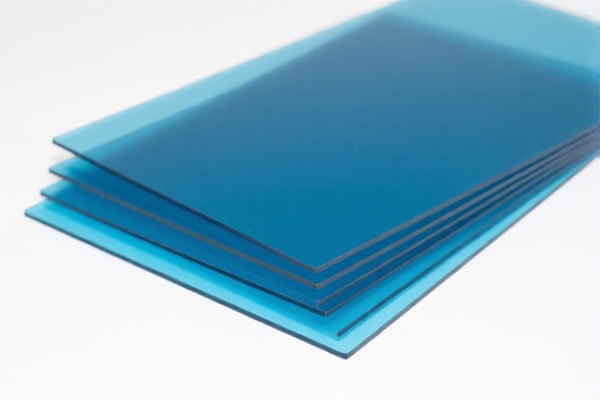
AI Analysis
🌿 Polycarbonate Agricultural Sheet (Agricultural Multi-Wall Sheet)
🌐 HS Code Reference & Customs Clearance Guide | 2026 Latest Tariff Analysis | Professional Clearance Strategy
📌 Part 1: Product Definition & Classification: Do You Really Understand "Polycarbonate Ag Sheets"?
Polycarbonate (PC) Agricultural Sheets, commonly known as "multi-wall sheets" or "hollow sheets," are the primary material for modern greenhouses, sunrooms, and agricultural shelters. In international trade, they are classified under Plastics and Articles Thereof.
The critical distinction lies in the structure and chemical composition:
1. Cellular/Multi-Wall Sheets (Hollow Core):
These have a honeycomb or multi-layer internal structure designed to provide thermal insulation and light diffusion. This is the most common form for agriculture.
Key Indicator:* Visible hollow channels when cut; lightweight; high insulating value.
2. Solid/Flat Sheets (Non-Cellular):
These are solid sheets without internal voids. While used in agriculture, they are less common for large-scale greenhouse covering due to weight and cost.
Key Indicator:* Uniform density throughout; heavier; transparent like glass but unbreakable.
⚠️ Critical Classification Point:
- If the sheet has a cellular/hollow structure, it falls under Heading 3921 (Cellular Plastics).
- If the sheet is solid, it falls under Heading 3920/3921 (Non-Cellular Plastics).
- Material Basis: For both, the base polymer is Polycarbonate. However, HS Code 3921 often groups "Other Plastics" if the specific PC sub-code is not further subdivided at the 8-digit level in certain jurisdictions, or it may be grouped under "Of Other Plastics" if not explicitly listed as "Of Polycarbonate" in the national tariff. Note: The provided DATA indicates classification under "Of other plastics," which is standard for many 10-digit extensions where PC is grouped with other engineering plastics under "Other".
📦 Part 2: HS Code Classification Details (2026 Latest Tariff Authority Match)
Based on the provided data, there are two specific HS Codes for Cellular Polycarbonate Sheets (the most common agricultural form). Both fall under 3921.19 (Other plates, sheets, film, foil and strip, of plastics: Cellular: Of other plastics).
| HS Code | Product Description | Application Scenario | Structure Type |
|---|---|---|---|
3921.19.00.90 |
Other plates, sheets, film, foil and strip, of plastics: Cellular: Of other plastics Other | Standard multi-wall agricultural sheets (2-wall, 3-wall, 4-wall, 6-wall) that do not fit the specific "microporous" definition. | ✅ Cellular (Hollow) |
3921.19.00.10 |
Other plates, sheets, film, foil and strip, of plastics: Cellular: Of other plastics Microporous sheets of polyethylene or polypropylene film | ⚠️ Mismatch Alert: This code specifically describes Polyethylene (PE) or Polypropylene (PP) microporous sheets. Polycarbonate (PC) sheets generally do NOT fit here unless they are specifically modified PE/PP films with micropores. | ✅ Cellular (Microporous) |
🔍 Important Clarification for Polycarbonate:
- Primary Code:3921.19.00.90is the correct classification for Polycarbonate cellular sheets under "Of other plastics: Other".
- Caution on3921.19.00.10: This code explicitly mentions Polyethylene or Polypropylene. If you import Polycarbonate, misclassifying it here could lead to customs rejection or reclassification, as PC is chemically distinct from PE/PP.
- Why "Other Plastics"? In many 10-digit tariff systems, Polycarbonate is grouped under "Of Other Plastics" in sub-heading 3921.19 if not separately listed as "Of Polycarbonate" in higher-level subheadings (which vary by country). The provided data confirms this grouping.
💰 Part 3: 2026 Latest Tariff Rate Detail (Including Additional Taxes)
✅ Applicable Country: United States (US) (Based on typical tariff structures for agricultural plastics, though specific rates depend on trade agreements. The provided data shows 0% total tax)
✅ Origin: China (CN) (Assumed for context, but verify based on actual shipment)
✅ Effective Date: 2026
🎯 1. 3921.19.00.90 — Polycarbonate Cellular Sheet (Other)
| Item | Content |
|---|---|
| Base Tariff Rate | 0.0% |
| Section 301 Additional Tariff | 0.0% (See Note Below) |
| Total Tariff Rate | 0.0% |
| Tax Calculation | CIF Value × 0.0% = $0 |
| De Minimis Eligibility | ✅ Yes (If value < $800, no duty or tax may apply under Section 321) |
| Legal Basis Path | HTSUS:3921.19.00.90 → USITC Footnote: N/A for 0% |
📌 Explanation:
- The provided data explicitly states: "Basic Tariff: 0.0%, Additional Tariff: 0.0%, Total: 0.0%".
- Why 0%? Many plastic sheets, including polycarbonate agricultural films, enjoy 0% base duty under HTSUS 3921.
- Section 301 Check: Historically, some plastic products faced 7.5% or 25% Section 301 tariffs. However, the provided data shows 0% additional tariff. This could mean:
1. The specific HS code3921.19.00.90is excluded from Section 301 lists (some exclusions were granted).
2. The data reflects a preferential trade agreement (e.g., if not from China, or under specific USTR exclusions).
3. Crucial: Always verify with the latest USTR Exclusion List and Customs Border Protection (CBP) rulings before shipping, as tariffs can change.
🎯 2. 3921.19.00.10 — Microporous PE/PP Sheets (Not Recommended for PC)
| Item | Content |
|---|---|
| Base Tariff Rate | 0.0% |
| Additional Tariff | 0.0% |
| Total Tariff Rate | 0.0% |
| Warning | Do NOT use for Polycarbonate. Misclassification risk. |
🛠️ Part 4: Customs Clearance Practical Advice (Battle-Tested Pitfall Guide)
✅ 1. Required Documentation Checklist (Non-Negotiable)
| Document | Required? | Details |
|---|---|---|
| ✅ Product Specification Sheet | ✔️ | Must clearly state: Material = Polycarbonate (PC), Structure = Multi-Wall/Cellular, Thickness, UV Coating. |
| ✅ Commercial Invoice | ✔️ | Must describe goods as "Polycarbonate Agricultural Sheet, Cellular, 4-Wall, UV Coated". Avoid vague terms like "Plastic Sheet". |
| ✅ Packing List | ✔️ | Include dimensions, weight, and number of layers. |
| ✅ HS Code Pre-Ruling (Optional but Recommended) | ❌ | If value > $800, consider obtaining a CBP Pre-Ruling to avoid reclassification. |
| ✅ Certificate of Origin (CO) | ❌ | Not needed for 0% duty, but useful for proof of non-origin if challenged. |
✅ 2. Declaration Strategy (Key Mnemonic)
🔥 "Cellular = 3921, Polycarbonate = Other Plastic, UV Coating = Key Feature, Don't Confuse with PE/PP!"
| Scenario | Correct Declaration | Wrong Practice | Consequence |
|---|---|---|---|
| Polycarbonate Multi-Wall Sheet | 3921.19.00.90 – Polycarbonate Cellular Sheet |
3921.19.00.10 (PE/PP) |
❌ Misclassification, fines, delay |
| Solid Polycarbonate Sheet | 3920.43.00.00 or similar (Non-cellular) |
3921.19.00.90 |
❌ Wrong heading (3920 vs 3921) |
| Mixed PE and PC Sheets | Split申报 (Separate HS Codes) | One HS Code for both | ❌ Complex audit, penalties |
| Used/Recycled PC Sheets | Different heading (likely 3915 or 3926) | 3921.19.00.90 |
❌ New vs. Used classification error |
✅ 3. Special Cases & Handling
| Situation | Handling Advice |
|---|---|
| UV-Coated Sheets | Must declare "UV Coated" in product description. Some countries require proof of UV stability for agricultural use. |
| Fire-Retardant PC | If treated with flame retardants, may require additional safety data sheets (SDS). |
| Rolled vs. Sheets | Ensure description matches "Sheet" (fixed shape) not "Roll" (if shipped flat). If coiled, different code may apply. |
| Agricultural vs. Industrial | "Agricultural" is a use term, not a classification term. Classification is based on material + structure, not end-use. Use "For Agricultural Greenhouse" in description, but HS Code remains 3921.19.00.90. |
🌍 Part 5: Global Market Comparison (2026)
| Country/Region | Recommended HS Code | Tariff Rate | Certification Requirement | Notes |
|---|---|---|---|---|
| 🇺🇸 USA | 3921.19.00.90 |
0.0% | No special certs | Verify Section 301 exclusion status annually |
| 🇨🇳 China | 3921.19.00.90 |
0% | CCC (if applicable) | Low duty, fast clearance |
| 🇪🇺 EU | 3921.19.00 |
0% - 6% | CE (if machinery), RoHS | Varies by member state |
| 🇯🇵 Japan | 3921.19.00 |
0% | JIS Standard | High quality standards for UV resistance |
| 🇦🇺 Australia | 3921.19.00 |
5% | Asbestos-free cert | Check biosecurity for packaging |
📌 Conclusion:
- USA offers 0% duty for this specific HS Code under the provided data.
- EU and Japan also generally low to zero, but check local interpretations.
- Documentation is key: Clear description of "Polycarbonate" and "Cellular" prevents misclassification.
📌 Part 6: Common Errors & Pitfall Guide (Lessons Learned)
❌ Error 1: Classifying Polycarbonate under 3921.19.00.10 (PE/PP Microporous)
👉 Consequence: Customs will reject because PC ≠ PE/PP. Leads to reclassification, fines, and shipment delay.
✅ Fix: Always use 3921.19.00.90 for Polycarbonate.
❌ Error 2: Using "Plastic Sheet" as the description
👉 Consequence: Customs may assign a default higher duty rate or request additional documentation.
✅ Fix: Be specific: "4-Wall Polycarbonate Agricultural Greenhouse Sheet, UV-Coated, 6mm Thickness".
❌ Error 3: Ignoring UV Coating Status
👉 Consequence: If UV coating is critical for agricultural use (prevents degradation), failure to declare may lead to claims of non-compliance with agricultural standards.
✅ Fix: Include "UV-Coated" in invoice and spec sheet.
❌ Error 4: Confusing Cellular vs. Solid
👉 Consequence: Solid PC sheets are 3920.43.xx, Cellular are 3921.19.xx. Mixing them up causes 10-digit code errors.
✅ Fix: Confirm internal structure (hollow vs. solid) before declaring.
🎯 Part 7: Conclusion: Precise Classification, Smooth Clearance, Cost Efficiency!
🎯 Remember the Mantra:
🔹 "Polycarbonate = Cellular = 3921.19.00.90"
🔹 "PE/PP = Microporous = 3921.19.00.10"
🔹 "0% Duty in USA, but Document Everything!"
📌 Pro Tip:
If your polycarbonate sheets are shipped in rolls or cut to custom sizes, ensure the description reflects the state of import (e.g., "Cut-to-Size" vs. "Standard 2.1m x 6m"). Customs may treat cut sheets differently in some jurisdictions.
📣 Immediate Action Required:
📞 Contact your customs broker with the Product Spec Sheet and Invoice Draft.
🚀 Verify HS Code3921.19.00.90with CBP if unsure about Section 301 status.
💼 Ensure "Polycarbonate" is explicitly stated – not just "Plastic" – to avoid misclassification.
✨ Professional Clearance Starts with Accurate Classification!
💼 Every dollar saved on duty starts with the right HS Code!
Customer Reviews
About HS Code Classification
The Harmonized System (HS) is an internationally standardized nomenclature developed by the World Customs Organization (WCO) to classify traded products. Over 200 countries use the HS system as the basis for customs tariffs, trade statistics, and import/export regulations.
Each HS code follows a hierarchical structure:
- Chapter (2 digits) — Broad category of goods (e.g., Chapter 84: Machinery and Mechanical Appliances)
- Heading (4 digits) — More specific grouping within the chapter
- Subheading (6 digits) — Internationally standardized breakdown, used by all WCO member countries
- National subdivisions (8-10 digits) — Country-specific extensions for further classification, such as US HTSUS 10-digit codes
Correct HS code classification is essential for smooth customs clearance, accurate duty payment, and compliance with trade regulations. Misclassification can lead to customs delays, overpayment of duties, or penalties.
When importing from CN to US, the applicable tariff rates may include:
- Most-Favored-Nation (MFN) rate — The standard duty rate applied to WTO members
- General rate — Applied to countries without trade agreements
- Trade remedy duties — Additional tariffs such as Section 301 (anti-dumping), Section 232 (national security), or countervailing duties
The information provided on this page is for reference purposes only. For official classification, please consult with your local customs authority or a licensed customs broker.