Polycarbonate Patterned Board
CN → US| HS Code | Tariff Rate | Origin | Destination | Doc |
|---|---|---|---|---|
| 3921905050 | 39.8% | CN | US | Official Doc |
| 3921190090 | 41.5% | CN | US | Official Doc |
| 3907995050 | 41.5% | CN | US | Official Doc |
| 3920991000 | 41.0% | CN | US | Official Doc |
| 3907400000 | 40.8% | CN | US | Official Doc |
Product Images
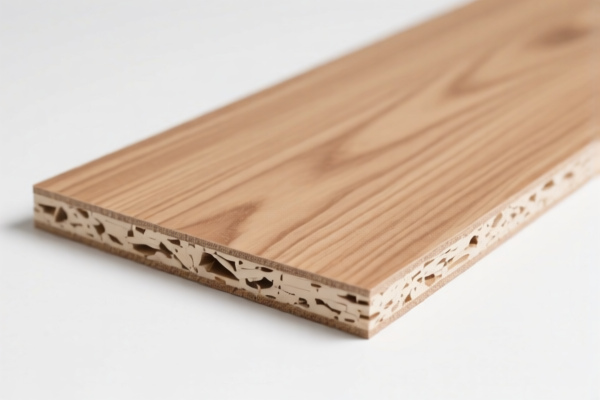
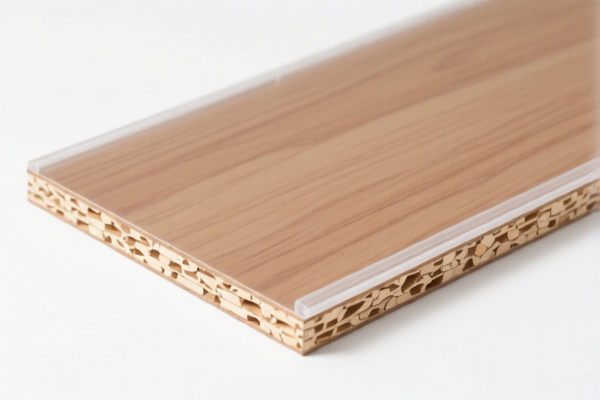
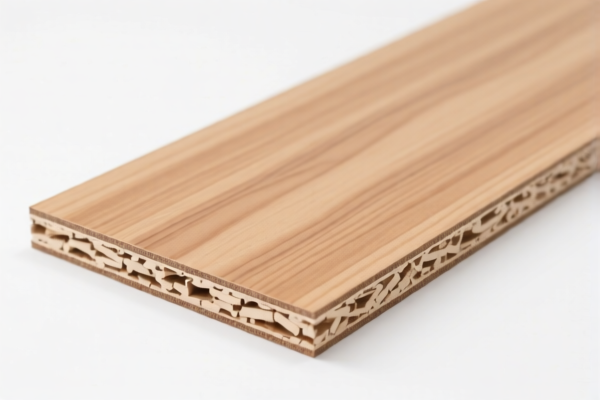
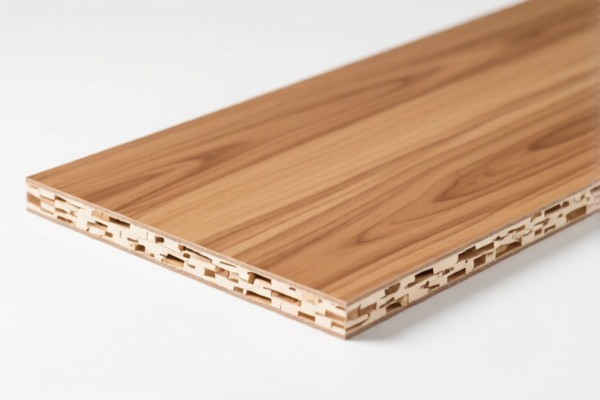
AI Analysis
🛡️ Polycarbonate Patterned Board (聚碳酸酯花纹板/板材)
🌐 HS Code Reference & Customs Clearance Guide | 2026 Latest Tariff Analysis | Strategic Entry Strategy 📌 Part I: Product Definition & Classification: Do You Truly Understand "Polycarbonate Board"?
Polycarbonate (PC) Patterned Board is a high-performance plastic sheet, known for its impact resistance, transparency, and aesthetic surface patterns (embossed, printed, or coated). In international trade, it is often misclassified due to confusion between semi-finished resin products and finished plastic articles.
Key Distinctions for Classification: * Semi-Finished/Resin Products (Headings 3907): Raw polymer chips, granules, or preliminary forms of polycarbonate resins. * Finished Plastic Articles (Headings 3920/3921): Sheets, plates, or strips that have been extruded, calendered, or molded into their final shape for specific use (e.g., construction, signage, protection).
⚠️ Critical Classification Point:
- If the product is a solid sheet/plate made of polycarbonate, regardless of surface pattern, it generally falls under Chapter 39, Heading 3920 or 3921.
- It is NOT a resin (3907) unless it is in granule/chip form.
- Pattern/Design does not change the fundamental material classification but may affect the "Specific vs. General" subheading.
📦 Part II: HS Code Classification Details (2026 Latest Tariff Authority Comparison)
Based on the provided data, here are the four possible HS Codes for Polycarbonate Patterned Board, with detailed tax implications:
| HS Code | Product Description & Logic | Total Tax Rate (US/CN) | Tax Breakdown Details |
|---|---|---|---|
| 3921.90.50.50 | Polycarbonate Board (Specific) Material: Polycarbonate Form: Sheet/Plate Logic: Most accurate fit for finished PC boards with specific applications. No conflict identified. |
39.8% | Base Tariff: 4.8% + Section 301 Tariff: 25.0% + Section 122 Tariff: 10.0% |
| 3921.19.00.90 | Polycarbonate Board (General/Fallback) Material: Matches PC Form: Sheet/Plate class Logic: Belongs to "Other plastics" category under Heading 3921. Used when no more specific subheading applies. |
41.5% | Base Tariff: 6.5% + Section 301 Tariff: 25.0% + Section 122 Tariff: 10.0% |
| 3907.99.50.50 | Polycarbonate Resin/Pre-form (Broad Category) Material: Identical to PC Form: Covered under this heading Logic: Classification based on material consistency. May apply if deemed less "finished" or under different regulatory interpretation. |
41.5% | Base Tariff: 6.5% + Section 301 Tariff: 25.0% + Section 122 Tariff: 10.0% |
| 3920.99.10.00 | Polycarbonate Board (Other Plastic) Material: Plastic (PC) Form: Sheet/Plate Logic: "Other" category under Heading 3920 (Non-cellular plastic sheets). |
41.0% | Base Tariff: 6.0% + Section 301 Tariff: 25.0% + Section 122 Tariff: 10.0% |
| 3907.40.00.00 | Polycarbonate Resin (Primary/Semi-finished) Material: Consistent with PC Form: Sheet/Plate Logic: Classified under primary or semi-finished resin processing. Lower base rate but same surcharges. |
40.8% | Base Tariff: 5.8% + Section 301 Tariff: 25.0% + Section 122 Tariff: 10.0% |
🔍 Key Insight:
- 3921.90.50.50 offers the lowest total tax rate (39.8%) and is described as having "no conflict," making it the preferred classification for finished patterned boards.
- Codes under 3907 (3907.99.50.50 and 3907.40.00.00) may be used if the product is considered closer to raw resin or semi-finished forms, but they carry higher base rates (except 3907.40).
- All codes include Section 301 (25%) and Section 122 (10%) tariffs, reflecting current US trade policies on Chinese-origin goods.
💰 Part III: 2026 Latest Tariff Rate Breakdown (Including Surcharges & Policy Add-ons)
✅ Applicable Country: United States (US)
✅ Country of Origin: China (CN)
✅ Effective Date: 2025/2026 Current Regulations
🎯 1. 3921.90.50.50 — Polycarbonate Board (Preferred)
| Item | Detail |
|---|---|
| Base Tariff | 4.8% |
| Section 301 Tariff | +25.0% |
| Section 122 Tariff | +10.0% |
| Total Effective Rate | 39.8% |
| Tax Calculation | CIF Value × 39.8% |
| De Minimis Exemption | ❌ Not Eligible (Denied for goods from China under these sections) |
| Legal Basis Path | USITC:3921.90.50.50 → Section 301: Footnote 9903.88.01 → Section 122: IEEPA 801 |
📌 Explanation:
- This code represents a finished plastic article (sheet/plate).
- The 4.8% base rate is relatively low for plastic sheets, but the 35% in surcharges (301 + 122) drastically increases the cost.
- Section 122 (often related to national security or specific trade acts) adds a fixed 10%, making this a high-cost entry unless mitigated.
🎯 2. 3921.19.00.90 — Other Plastic Sheets (General)
| Item | Detail |
|---|---|
| Base Tariff | 6.5% |
| Section 301 Tariff | +25.0% |
| Section 122 Tariff | +10.0% |
| Total Effective Rate | 41.5% |
| Tax Calculation | CIF Value × 41.5% |
📌 Note:
- Higher base rate (6.5%) makes this less favorable than 3921.90.50.50.
- Use only if the board’s specific application or form factor doesn’t fit the "other" subheading of 3921.90.
🎯 3. 3907.99.50.50 — Other Polycarbonate Resins (Broad)
| Item | Detail |
|---|---|
| Base Tariff | 6.5% |
| Section 301 Tariff | +25.0% |
| Section 122 Tariff | +10.0% |
| Total Effective Rate | 41.5% |
📌 Caution:
- Classifying a finished board as a resin (3907) may lead to customs disputes if the product is clearly a manufactured sheet.
- Only use if the product is in a form closer to raw polymer (e.g., pre-formed blanks not yet cut/processed).
🎯 4. 3920.99.10.00 — Non-Cellular Plastic Sheets (Other)
| Item | Detail |
|---|---|
| Base Tariff | 6.0% |
| Section 301 Tariff | +25.0% |
| Section 122 Tariff | +10.0% |
| Total Effective Rate | 41.0% |
📌 Note:
- Heading 3920 is for non-cellular plastic sheets. Polycarbonate is typically non-cellular.
- Slightly lower base rate than 3921.19, but still higher than 3921.90.50.50.
🎯 5. 3907.40.00.00 — Polycarbonate Resins (Primary)
| Item | Detail |
|---|---|
| Base Tariff | 5.8% |
| Section 301 Tariff | +25.0% |
| Section 122 Tariff | +10.0% |
| Total Effective Rate | 40.8% |
📌 Note:
- This is the second-lowest total rate (40.8%) but involves classifying a board as a resin.
- Risk of misclassification is high. Only applicable if the "board" is considered a semi-finished resin product.
🛠️ Part IV: Customs Clearance Practical Advice (Real-World Pitfall Avoidance)
✅ 1. Required Documentation Checklist (Non-Negotiable)
| Document | Must Provide | Description |
|---|---|---|
| Product Specifications Sheet | ✔️ | Dimensions, thickness, material composition (100% PC or blend), surface pattern details. |
| Commercial Invoice | ✔️ | Must clearly state "Polycarbonate Patterned Board" and correct HS Code. |
| Packing List | ✔️ | Include net/gross weight, number of sheets, packaging type. |
| Photos of Product & Label | ✔️ | Show the pattern, branding, and any UL/FCC/CE marks. |
| Certificate of Origin (CO) | ✔️ | Essential for verifying Chinese origin and applying correct surcharges. |
| Material Safety Data Sheet (MSDS) | ✔️ | Required for plastic sheets to ensure safe transport and handling. |
| Declaration of Non-Cellular | ✔️ | If claiming 3920, prove it is non-cellular (no foam structure). |
✅ 2. Declaration Tips (Key Mnemonic)
🔥 “Specify Material, Form, and Function; Avoid Generic ‘Plastic Sheet’!”
| Scenario | Correct Declaration | Incorrect Declaration |
|---|---|---|
| Finished PC Board | 3921.90.50.50 - "Polycarbonate Patterned Board for Construction" |
"Plastic Sheet" → Risk of reclassification to higher tax code. |
| PC Resin Chips | 3907.40.00.00 - "Polycarbonate Resin, Granules" |
"Polycarbonate Board" → Misdeclaration. |
| Mixed Packaging | Declare as one item with clear description | Split into "plastic" and "pattern" → Higher audit risk. |
✅ 3. Special Handling
| Situation | Handling Advice |
|---|---|
| OEM Custom Patterns | Provide design approval docs from the buyer to prove it’s a commercial product, not a prototype. |
| High-Value Imports | Consider Advance Ruling from US CBP to confirm the correct HS Code (preferably 3921.90.50.50). |
| Third-Country Transshipment | Ensure origin marks are clear. Transshipment does not waive Section 301/122 tariffs for CN origin. |
| Damaged Goods | Report immediately. Damaged goods may qualify for duty drawbacks, but documentation is critical. |
🌍 Part V: Global Market Comparison (2026 Update)
| Region | Recommended HS Code | Tariff (China Origin) | Certification | Notes |
|---|---|---|---|---|
| 🇺🇸 USA | 3921.90.50.50 |
39.8% | None specific | High surcharges (301+122) apply. |
| 🇨🇳 China | 3921.90.50.50 |
~6-10% | CCC (if applicable) | Lower base tariffs, no US surcharges. |
| 🇪🇺 EU | 3921.90.50.50 |
~6.5% | REACH, RoHS | No Section 301/122. Stable trade. |
| 🇬🇧 UK | 3921.90.50.50 |
~6.5% | UKCA | Post-Brexit rules apply. |
| 🇯🇵 Japan | 3921.90.50.50 |
~6-8% | JIS | Free Trade Agreement benefits may apply. |
📌 Conclusion:
- USA has the highest effective tariff (39.8%) due to punitive surcharges.
- EU, UK, and Japan offer significantly lower costs (~6-8%).
- Strategy: If selling to the US, ensure precise classification to avoid higher penalties. Consider sourcing from non-China origins for US market if volume justifies supply chain shift.
📌 Part VI: Common Errors & Pitfalls (Lessons Learned)
❌ Error 1: Classifying PC Board as 3907 (Resin) to save base tariff
👉 Consequence: Customs may reject it as a finished good, leading to penalties + back taxes + storage fees.
❌ Error 2: Using generic "Plastic Sheet" description
👉 Consequence: Customs assigns highest discretionary rate → Potential 45%+ effective tax.
❌ Error 3: Ignoring Section 122 Tariff
👉 Consequence: Underpayment of 10% → Audit trigger + interest.
❌ Error 4: Not providing MSDS for plastic sheets
👉 Consequence: Holding at port until documents are provided → Demurrage charges.
✅ Correct Practice:
“Polycarbonate Patterned Board, 4ft x 8ft, 0.25” thick, Embossed Surface, 100% Polycarbonate, for Construction Glazing”
🎯 Part VII: Conclusion: Precision Saves Money
🎯 Remember This Mnemonic:
🔹 “Specific Code Wins, Generic Code Loses”
🔹 “3921.90.50.50 is the Sweet Spot (39.8%)”
🔹 “Surcharges are Non-Negotiable: 301+122 = 35%”
🔹 “Pre-Ruling Pays Off”
📌 Pro Tip:
For large volumes, apply for an US CBP Advance Ruling specifically for 3921.90.50.50. This provides legal certainty and prevents future disputes. If possible, explore supply chain diversification to countries with US trade agreements (e.g., Vietnam, Mexico) to avoid Section 301/122 tariffs entirely.
📣 Immediate Action:
📞 Consult with a licensed customs broker.
📄 Prepare detailed product specs and photos.
🚀 Secure the correct HS Code NOW to lock in the 39.8% rate and avoid 41.5%+ pitfalls!
✨ Professional Clearance Starts with Accurate Classification!
💼 Your Profit Margin Depends on Your Tariff Strategy!
Customer Reviews
About HS Code Classification
The Harmonized System (HS) is an internationally standardized nomenclature developed by the World Customs Organization (WCO) to classify traded products. Over 200 countries use the HS system as the basis for customs tariffs, trade statistics, and import/export regulations.
Each HS code follows a hierarchical structure:
- Chapter (2 digits) — Broad category of goods (e.g., Chapter 84: Machinery and Mechanical Appliances)
- Heading (4 digits) — More specific grouping within the chapter
- Subheading (6 digits) — Internationally standardized breakdown, used by all WCO member countries
- National subdivisions (8-10 digits) — Country-specific extensions for further classification, such as US HTSUS 10-digit codes
Correct HS code classification is essential for smooth customs clearance, accurate duty payment, and compliance with trade regulations. Misclassification can lead to customs delays, overpayment of duties, or penalties.
When importing from CN to US, the applicable tariff rates may include:
- Most-Favored-Nation (MFN) rate — The standard duty rate applied to WTO members
- General rate — Applied to countries without trade agreements
- Trade remedy duties — Additional tariffs such as Section 301 (anti-dumping), Section 232 (national security), or countervailing duties
The information provided on this page is for reference purposes only. For official classification, please consult with your local customs authority or a licensed customs broker.