Polycarbonate Protective Film
CN → US| HS Code | Tariff Rate | Origin | Destination | Doc |
|---|---|---|---|---|
| 3919905060 | 40.8% | CN | US | Official Doc |
| 3920690000 | 39.2% | CN | US | Official Doc |
| 3926909989 | 22.8% | CN | US | Official Doc |
| 3926909400 | 35.0% | CN | US | Official Doc |
| 3919102055 | 40.8% | CN | US | Official Doc |
Product Images
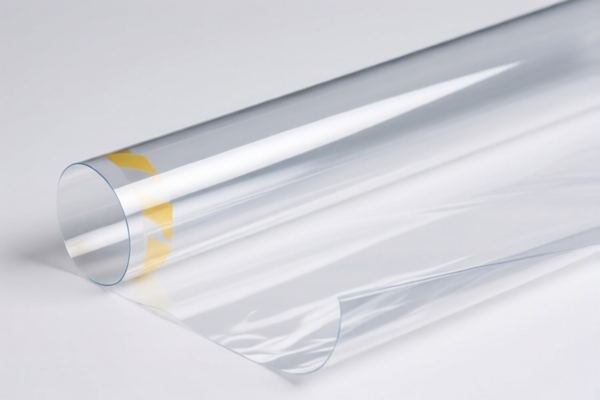
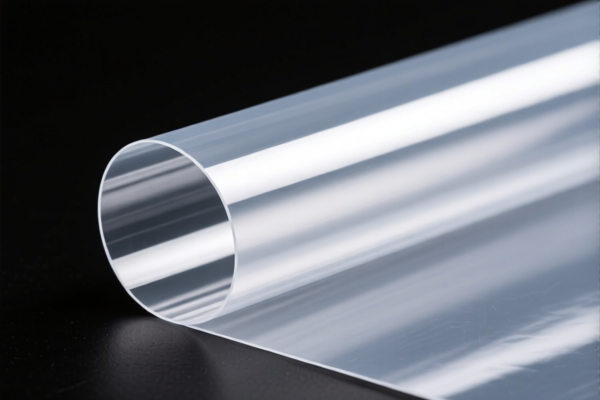
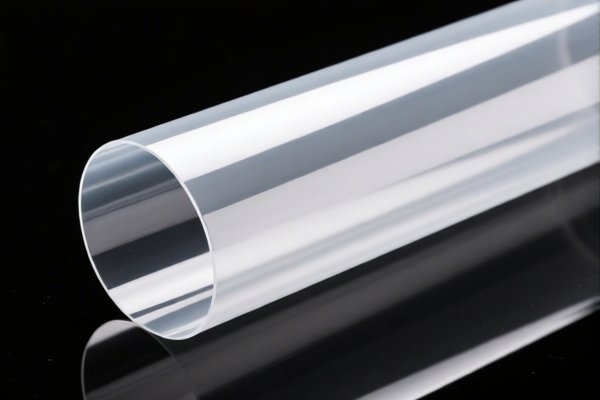

AI Analysis
🛡️ Polycarbonate Protective Film (PC Film)
🌐 HS Code Reference & Customs Clearance Guide | 2024/2025 Latest Tariff Analysis | Strategic Import Strategy
📌 I. Product Definition & Classification: Do You Really Understand "PC Film"?
Polycarbonate (PC) Protective Film is a high-performance plastic sheet used to protect surfaces during manufacturing, transportation, and installation. In international trade, its classification depends heavily on its physical form (roll vs. cut) and specific application.
There are two primary categories for Polycarbonate Film: 1. Self-Adhesive Rolls/Films (3919): Films supplied in rolls, whether or not in squares or rectangles, often with an adhesive backing. 2. Other Plastic Sheets/Films (3920/3926): Non-adhesive sheets, cut shapes, or specific transparent films that don't fit the "self-adhesive roll" definition.
⚠️ Key Distinction Point:
- If the product is supplied in rolls and has an adhesive layer designed for immediate application →归类 to Chapter 3919.
- If it is a non-adhesive sheet, or a finished plastic article not classified elsewhere (e.g., specific transparent protective layers for electronics not considered standard "film") → 归类 to Chapter 3920 or 3926.
📦 II. HS Code Classification Details (Latest Tariff Schedule Alignment)
Based on the provided data, here are the 5 specific HS Codes for Polycarbonate Protective Film, their descriptions, and tax breakdowns.
| HS Code | Product Description (Summary) | Applicable Scenario | Total Tax Rate |
|---|---|---|---|
3919.90.50.60 |
PC Film, classified as self-adhesive plastic plates/films | Rolls with adhesive, standard protective films | 40.8% |
3920.69.00.00 |
PC Film, classified under polycarbonate plastic sheets/films | Non-adhesive PC sheets/films, general purpose | 39.2% |
3926.90.99.89 |
PC Film, classified as "other" plastic articles | Finished PC parts, non-standard shapes, or misc. plastic items | 22.8% |
3926.90.94.00 |
PC Film, categorized as transparent plastic thin sheets | Specialized transparent protective layers, specific thin films | 35.0% |
3919.10.20.55 |
PC Film, defined as plastic film without conflict subdivisions | Standard adhesive rolls, clear classification | 40.8% |
🔍 Key Reminder:
- 3919 codes generally attract higher tariffs (40.8%) because they are often viewed as ready-to-use adhesive products.
- 3926 codes may offer lower tariffs (22.8%) if the product can be classified as a "finished article" rather than raw material/film, but this requires strong justification.
- 3920 is the standard for raw plastic sheets/films.
💰 III. 2024/2025 Latest Tariff Rate Breakdown (Including Surtaxes & Policy Surcharges)
✅ Applicable Country: United States (US)
✅ Origin: China (CN)
✅ Effective Time: Current (Includes Section 301 & IEEPA surcharges)
🎯 1. 3919.90.50.60 & 3919.10.20.55 —— Self-Adhesive PC Film (High Tax Bracket)
| Item | Content |
|---|---|
| Base Tariff | 5.8% (ad valorem) |
| Section 301 Surtax | +25.0% (USITC Footnote 9903.88.01 / 301 Enlistment List 8702) |
| 122 Clause Tariff | +10.0% (Specific policy surcharge for certain Chinese plastic products) |
| Total Tax Rate | 40.8% |
| Tax Calculation | CIF Value × 40.8% |
| De Minimis Eligibility | ❌ No (Deny De Minimis for China-origin goods under this code) |
| Legal Basis Path | IEEPA:9903.01.25 → USITC:3919.90.50.60 → SECTION301:FOOTNOTE:9903.88.01 |
📌 Explanation:
- 5.8% Base: Standard Most Favored Nation (MFN) rate for self-adhesive plastic films.
- 25% Surtax: Part of the Trump-era/Biden-continued Section 301 tariffs on Chinese plastics.
- 10% Surtax: Specific "122 Clause" tariff targeting certain Chinese plastic imports.
- Total 40.8%: This is a very high tax burden. Importers must carefully evaluate if the cost can be absorbed or passed on.
🎯 2. 3920.69.00.00 —— Non-Adhesive PC Sheet/Film (Medium-High Tax)
| Item | Content |
|---|---|
| Base Tariff | 4.2% (ad valorem) |
| Section 301 Surtax | +25.0% |
| 122 Clause Tariff | +10.0% |
| Total Tax Rate | 39.2% |
| Tax Calculation | CIF Value × 39.2% |
| De Minimis Eligibility | ❌ No |
| Legal Basis Path | IEEPA:9903.01.25 → USITC:3920.69.00.00 → SECTION301:FOOTNOTE:9903.88.01 |
📌 Note:
- Slightly lower than 3919 due to a lower base rate (4.2% vs 5.8%).
- Still subject to the full 35% in surcharges.
🎯 3. 3926.90.99.89 —— "Other" Plastic Articles (Lowest Tax Option)
| Item | Content |
|---|---|
| Base Tariff | 5.3% (ad valorem) |
| Section 301 Surtax | +7.5% (Note: Lower surtax rate for this specific subcategory under 3926) |
| 122 Clause Tariff | +10.0% |
| Total Tax Rate | 22.8% |
| Tax Calculation | CIF Value × 22.8% |
| De Minimis Eligibility | ❌ No |
| Legal Basis Path | IEEPA:9903.01.25 → USITC:3926.90.99.89 → SECTION301:FOOTNOTE:9903.88.01 |
📌 Critical Insight:
- This is the most cost-effective code (22.8%).
- However, classification must be rigorous. The product must be justifiable as an "other plastic article" rather than a simple film or sheet.
- The surtax here is significantly lower (7.5% vs 25%), which saves 17.5% on the total tax burden.
- Risk: Customs may challenge this classification if the product is clearly a "film" or "sheet." Proper product description and documentation are vital.
🎯 4. 3926.90.94.00 —— Transparent Plastic Thin Sheets (Medium Tax)
| Item | Content |
|---|---|
| Base Tariff | 0.0% (ad valorem) |
| Section 301 Surtax | +25.0% |
| 122 Clause Tariff | +10.0% |
| Total Tax Rate | 35.0% |
| Tax Calculation | CIF Value × 35.0% |
| De Minimis Eligibility | ❌ No |
| Legal Basis Path | IEEPA:9903.01.25 → USITC:3926.90.94.00 → SECTION301:FOOTNOTE:9903.88.01 |
📌 Note:
- Base tariff is 0%, but the 35% surcharge makes it competitive with 3920.
- Suitable for specialized transparent protective sheets that don't fit other categories.
🛠️ IV. Customs Clearance Practical Advice (Real-World Pitfall Guide)
✅ 1. Document Checklist (Missing One Could Cause Delays)
| Document | Must Provide | Explanation |
|---|---|---|
| ✅ Product Specification Sheet | ✔️ | Detail: Material (Polycarbonate), Thickness, Width, Roll Length, Adhesive Type (if any), Temperature Resistance. |
| ✅ Photos (Clear & Detailed) | ✔️ | Show the product in rolls, labels, and application examples. Crucial for proving "self-adhesive" vs. "non-adhesive." |
| ✅ Commercial Invoice | ✔️ | Clearly state "Polycarbonate Protective Film" and specify HS Code. Avoid vague terms like "Plastic Sheet." |
| ✅ Packing List | ✔️ | Detail gross/net weight, dimensions, and number of rolls/cartons. |
| ✅ Certificate of Origin (CO) | ✔️ | Mandatory for proving Chinese origin. If applicable, check for any eligible exemptions. |
| ✅ Test Reports | ✔️ | ASTM/ISO standards for durability, adhesive strength, and transparency. |
✅ 2. Declaration Tips (Key Mantra)
🔥 “Classify by Form, Adhesive Defines 3919, Structure Defines 3926, Be Precise!”
| Scenario | Correct Declaration | Wrong Practice |
|---|---|---|
| Rolls with Adhesive | 3919.90.50.60 or 3919.10.20.55 (40.8%) |
Calling it "Plastic Sheet" to avoid 3919 → Penalty + Retrospective Tax |
| Non-Adhesive Rolls/Sheets | 3920.69.00.00 (39.2%) |
Misclassifying as 3926 without justification → Audit Risk |
| Finished PC Parts/Cut Shapes | 3926.90.99.89 (22.8%) |
Calling it "Film" when it's a machined part → Misclassification |
| Transparent Protective Layers | 3926.90.94.00 (35.0%) |
Vague description "Protective Material" → Customs Query |
✅ 3. Special Cases & Strategy
| Case | Handling Advice |
|---|---|
| OEM/Custom Films | Provide design drawings and client orders. Prove if it's a standardized film or a custom article to support 3926 classification. |
| Composite Films | If PC is coated with other materials, classification may change. Consult a specialist. |
| Sample Shipments | Even for samples, declare correctly. De Minimis ($800) does not apply to China-origin goods under these HS codes due to surcharges. |
| Supply Chain Diversification | If tariffs are too high, consider sourcing from non-China origins (e.g., Vietnam, Malaysia) to avoid IEEPA/301 surcharges. |
🌍 V. Global Market Comparison (2024/2025)
| Country/Region | Recommended HS Code | Base Tariff | Surcharges | Total Rate (China Origin) | Notes |
|---|---|---|---|---|---|
| 🇺🇸 USA | 3919.90.50.60 / 3926.90.99.89 |
0%-5.8% | 7.5%-25% + 10% | 22.8% - 40.8% | Highest burden. Section 301 + 122 Clause applies. |
| 🇨🇳 China | 3919.90.50.60 / 3920.69.00.00 |
5% | None | ~5% | No surcharges. Low cost for domestic trade. |
| 🇪🇺 EU | 3919.90.99 / 3920.69.00 |
5%-6.5% | None | ~6% | No Section 301 equivalents. CE/RoHS needed. |
| 🇬🇧 UK | 3919.90.99 / 3920.69.00 |
5%-6.5% | None | ~6% | Post-Brexit tariff applies. No US-style surcharges. |
| 🇦🇪 UAE | 3919.90.99 |
5% | None | 5% | Low duty. Good re-export hub. |
📌 Conclusion:
- The US is the most challenging market for Polycarbonate Films from China due to combined Section 301 (25%), IEEPA (10%), and specific 122 Clause (10%) tariffs.
- European and Asian markets offer significantly lower duties (~5-6%).
- Strategic Recommendation: If importing to the US, aggressively pursue3926.90.99.89(22.8%) if product structure allows, as it saves ~18% compared to standard adhesive films.
📌 VI. Common Mistakes & Pitfalls (Lessons Learned)
❌ Mistake 1: Declaring "Adhesive Film" as "Non-Adhesive Sheet" to get 3920 tax.
👉 Consequence: Customs inspection reveals adhesive → Retrospective tax + Penalties.
❌ Mistake 2: Assuming De Minimis ($800) applies to small shipments.
👉 Consequence: Denied. China-origin plastic films are explicitly excluded from de minimis under current IEEPA rules.
❌ Mistake 3: Using vague terms like "Plastic Wrap" or "Protective Sheet."
👉 Consequence: Customs assigns highest possible rate or delays shipment for additional info.
❌ Mistake 4: Ignoring the 122 Clause (10%).
👉 Consequence: Underestimating total landed cost. This is a separate surcharge on top of 301 and IEEPA.
✅ Correct Approach:
"Polycarbonate Self-Adhesive Protective Film, Roll Form, 50 Microns, Clear, Model XYZ, HS Code 3919.90.50.60"
🎯 VII. Conclusion: Professional Classification, Cost Savings!
🎯 Remember the Mantra:
🔹 "Adhesive Rolls = 3919 (40.8%), Non-Adhesive Sheets = 3920 (39.2%), Finished Articles = 3926 (22.8%-35.0%)"
🔹 "Don't fight the surcharge, fight the classification!"
📌 Pro Tip:
If your PC film can be structurally defined as a "finished plastic article" (e.g., pre-cut, specific shape, or complex composite) rather than a simple roll/film, strive for 3926.90.99.89. The 17.5% savings in surtax (7.5% vs 25%) is significant.
Request an Advance Ruling (Pre-classification) from CBP if unsure.
📣 Immediate Action:
📞 Engage a licensed customs broker + Provide Product Specs + Apply for Pre-classification
🚀 Ensure smooth clearance, optimize costs, and stay compliant!
✨ Professional Clearance Starts with Accurate Classification!
💼 Every percent of tax saved is pure profit!
Customer Reviews
About HS Code Classification
The Harmonized System (HS) is an internationally standardized nomenclature developed by the World Customs Organization (WCO) to classify traded products. Over 200 countries use the HS system as the basis for customs tariffs, trade statistics, and import/export regulations.
Each HS code follows a hierarchical structure:
- Chapter (2 digits) — Broad category of goods (e.g., Chapter 84: Machinery and Mechanical Appliances)
- Heading (4 digits) — More specific grouping within the chapter
- Subheading (6 digits) — Internationally standardized breakdown, used by all WCO member countries
- National subdivisions (8-10 digits) — Country-specific extensions for further classification, such as US HTSUS 10-digit codes
Correct HS code classification is essential for smooth customs clearance, accurate duty payment, and compliance with trade regulations. Misclassification can lead to customs delays, overpayment of duties, or penalties.
When importing from CN to US, the applicable tariff rates may include:
- Most-Favored-Nation (MFN) rate — The standard duty rate applied to WTO members
- General rate — Applied to countries without trade agreements
- Trade remedy duties — Additional tariffs such as Section 301 (anti-dumping), Section 232 (national security), or countervailing duties
The information provided on this page is for reference purposes only. For official classification, please consult with your local customs authority or a licensed customs broker.