Polyester Anti theft Bag
CN → US| HS Code | Tariff Rate | Origin | Destination | Doc |
|---|---|---|---|---|
| 4202923131 | 52.6% | CN | US | Official Doc |
| 3923290000 | 38.0% | CN | US | Official Doc |
| 6305330080 | 25.9% | CN | US | Official Doc |
| 4202923120 | 52.6% | CN | US | Official Doc |
| 6305390000 | 25.9% | CN | US | Official Doc |
Product Images
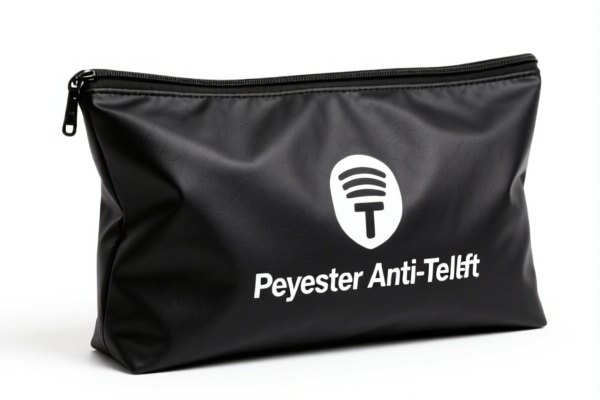
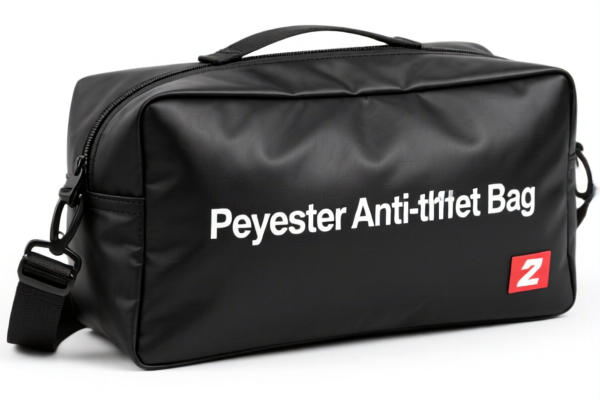


AI Analysis
🛡️ Polyester Anti-Theft Bag (Smart Security Bags & Travel Packs)
🌐 HS Code Reference & Customs Clearance Guide | 2026 Tariff Analysis | Professional Strategies
📌 I. Product Definition: What is a "Polyester Anti-Theft Bag"?
An Anti-Theft Bag is a specialized travel or sports accessory designed to prevent theft via features like hidden zippers, slash-proof mesh, RFID-blocking linings, or cut-resistant straps. While the function is security, under international customs classification (HS Code), it is categorized strictly by Material and Specific Use.
Key Material Insight:
Polyester (Polyethylene Terephthalate - PET) is technically a Synthetic/Fibrous Material.
If it has a distinct shape/structure (Backpack, Sling, Fanny Pack): It falls under Heading 4202 (Travel/Sporting Bags).
If it is a simple sack, drawstring, or soft packaging: It falls under Heading 6305 (Packaging/Sacks).
If it is rigid/plastic-coated or considered a "plastic container": It might fall under Heading 3923* (Plastic packaging), though less common for soft bags.
⚠️ Critical Distinction:
- Bag (Soft/Textile): Contains lining, handles, zippers, and is made of polyester fabric → 4202 or 6305.
- Plastic Packaging: A simple sack or bag without textile structure (e.g., thick plastic garbage bag) → 3923.
- Tax Warning: Bags made of polyester (Textile) face higher tariffs than simple plastic packaging in many trade scenarios due to the "Base Tariff + 301 Tariff" structure.
📦 II. HS Code Classification Matrix (2026 Data)
Based on the specific product attributes provided in your data, here is the authoritative breakdown:
| HS Code | Product Description | Material Composition | Typical Use Case |
|---|---|---|---|
4202.92.31.31 |
Polyester Sports/Travel Bag (Outer surface is synthetic textile) | Polyester (Synthetic Fiber) | Backpacks, Laptop Sacks, Sports Duffels, Security Slings |
3923.29.00.00 |
Plastic Carrying/Packaging Bag (Textile/Plastic Hybrid or Plastic Dominant) | Polyester (as Plastic/Synthetic Fiber) | Thick drawstring bags, heavy-duty plastic sacks, non-textile carry packs |
6305.33.00.80 |
Polyester Packaging Sacks (Textile Packaging) | Polyester (Synthetic Textile) | Soft bags used for packaging goods (e.g., bulk rice/sugar bags made of woven polyester) |
4202.92.31.20 |
Synthetic Fiber Sports Bags (Precise Textile Definition) | Polyester (Synthetic Fiber) | High-end sport bags, gym bags, tactical anti-theft packs |
6305.39.00.00 |
Other Textile Packaging Bags | Polyester (Synthetic Textile) | General purpose sacks, tote bags used for carrying but not strictly "travel" bags |
🔍 Key Insight:
-4202codes are for finished bags intended for personal use (Travel/Sport).
-6305codes are for bags used as packaging or simple sacks.
-3923code is a risky classification for standard textile bags; it is only valid if the bag is primarily viewed as a "plastic container" rather than a "textile bag."
💰 III. 2026 Tariff Rate Analysis (USA Market)
✅ Applicable Market: USA
✅ Origin: China (CN)
✅ Effective Date: 2025/2026 Tariff Regime
✅ Tax Components: Base Tariff + Section 301 (25%) + Section 122 (10%)
🎯 1. The "High Tax" Category (Finished Bags: HS 4202)
Codes: 4202.92.31.31 & 4202.92.31.20
| Tax Component | Rate | Source |
|---|---|---|
| Base Duty | 17.6% | Standard USMF Tariff for Synthetic Bags |
| Section 301 (Add-on) | 25.0% | Trade Action Act (Section 301) |
| Section 122 (Add-on) | 10.0% | Additional China-Specific Measure |
| TOTAL TAX | 52.6% | Extremely High |
📌 Explanation:
- These codes classify the item as a finished textile bag.
- The 52.6% total tax is the sum of17.6 + 25.0 + 10.0.
- Impact: This drastically reduces profit margins. A $10 bag costs $5.26 just in tariffs before shipping.
🎯 2. The "Medium Tax" Category (Packaging Sacks: HS 6305)
Codes: 6305.33.00.80 & 6305.39.00.00
| Tax Component | Rate | Source |
|---|---|---|
| Base Duty | 8.4% | Standard Tariff for Textile Packaging |
| Section 301 (Add-on) | 7.5% | Reduced 301 rate for specific textile packaging items |
| Section 122 (Add-on) | 10.0% | Additional China-Specific Measure |
| TOTAL TAX | 25.9% | Moderate |
📌 Explanation:
- If your "Anti-Theft Bag" is deemed packaging (e.g., used to ship goods inside) or a simple sack rather than a "sports/travel" item, it qualifies for this lower rate.
- Crucial Strategy: If the bag is purely a travel accessory,6305is incorrect (Risk of audit). Only use if the bag is intended for packaging goods.
🎯 3. The "Plastic" Category (Risky/Specific Use: HS 3923)
Code: 3923.29.00.00
| Tax Component | Rate | Source |
|---|---|---|
| Base Duty | 3.0% | Low base for Plastic Packaging |
| Section 301 (Add-on) | 25.0% | Full 301 rate |
| Section 122 (Add-on) | 10.0% | Additional China-Specific Measure |
| TOTAL TAX | 38.0% | Medium-High |
📌 Explanation:
- This applies ONLY if the product is legally defined as a plastic container (e.g., a very thick, non-woven bag treated as plastic).
- Risk: Customs often reclassify polyester bags from3923to4202if the product has textile features (zippers, fabric texture).
🛠️ IV. Customs Clearance Strategy & Recommendations
✅ 1. Strategic Selection (The "Right" Code)
| Scenario | Recommended HS Code | Total Tax | Action |
|---|---|---|---|
| Consumer Travel/Sports Bag | 4202.92.31.31 |
52.6% | Mandatory. Do not try to hide the textile nature. |
| Bag used to Pack Goods | 6305.33.00.80 |
25.9% | Ideal for Bulk. If selling the bag as packaging for other items, use this. |
| Rigid/Plastic-Coated Bag | 3923.29.00.00 |
38.0% | High Risk. Only use if the bag is 100% plastic with no fabric feel. |
✅ 2. Documentation Checklist (Critical for 52.6% Tax Cases)
To clear 4202 bags through US Customs without penalty:
* Product Photo: Must clearly show the polyester fabric, zippers, straps, and anti-theft features (hidden pockets).
* Material Declaration: Explicitly state "100% Polyester (Synthetic Fiber)" in the packing list.
* Usage Description: Clearly label as "Travel/Sporting Goods" (for 4202) OR "Packaging Sack" (for 6305).
* Bill of Materials: List all components (fabric, thread, zipper, lining).
✅ 3. Common Pitfalls to Avoid
| ❌ Mistake | ⚠️ Consequence | ✅ Correct Action |
|---|---|---|
Misclassifying a Sports Bag as 3923 |
Customs reclassifies → Pay 52.6% + Back Taxes | If it's a bag people carry, it's 4202. |
Misclassifying a Packaging Bag as 4202 |
Overpaying Tax (25.9% vs 52.6%) | If the bag is for shipping goods, use 6305. |
| Missing "Anti-Theft" Features in Description | Ambiguity → Customs Audit | Clearly describe "Hidden Zipper," "RFID Liner," "Slash-Proof" in the description. |
| Ignoring Section 122 (10%) | Underpayment → Seizure | Always calculate Base + 25 + 10. |
🌍 V. Pro Tip: How to Optimize (If Possible)
- Verify the "Packaging" Status: If your "Anti-Theft Bag" is being sold as a gift with a product (e.g., "Buy this shirt, get this bag"), argue for
6305(Packaging) to save 26.7% in taxes. - Avoid Plastic-Heavy Descriptions: If the bag is polyester, do not describe it as "Plastic Bag." Use "Textile Bag" or "Synthetic Fabric Bag" to match
4202or6305. - Pre-Classification Ruling: For large shipments, request an Advance Ruling from CBP to confirm if your specific "Anti-Theft" design fits
4202or6305. This prevents surprise audits.
📌 VI. Summary Conclusion
🔥 The "Anti-Theft" Feature does NOT change the Tax Rate!
The tax rate is driven by Material (Polyester) and Category (Bag vs. Packaging).
- Consumer Travel Bag =
4202= 52.6% (High Tax)- Industrial Packaging Sack =
6305= 25.9% (Lower Tax)- Plastic Container =
3923= 38.0% (Risky)
Final Advice:
If you are selling these bags to consumers (travelers, gym-goers), expect the 52.6% tariff. Ensure your pricing model includes this cost. Do not attempt to misclassify to save money, as the risk of customs detention and penalties (including Section 122 fines) far outweighs the tax savings.
✨ Smart Trade Strategy: Classify by Material, Declare by Function, Calculate the Full 52.6%.
💼 Protect your supply chain with precision!
Customer Reviews
About HS Code Classification
The Harmonized System (HS) is an internationally standardized nomenclature developed by the World Customs Organization (WCO) to classify traded products. Over 200 countries use the HS system as the basis for customs tariffs, trade statistics, and import/export regulations.
Each HS code follows a hierarchical structure:
- Chapter (2 digits) — Broad category of goods (e.g., Chapter 84: Machinery and Mechanical Appliances)
- Heading (4 digits) — More specific grouping within the chapter
- Subheading (6 digits) — Internationally standardized breakdown, used by all WCO member countries
- National subdivisions (8-10 digits) — Country-specific extensions for further classification, such as US HTSUS 10-digit codes
Correct HS code classification is essential for smooth customs clearance, accurate duty payment, and compliance with trade regulations. Misclassification can lead to customs delays, overpayment of duties, or penalties.
When importing from CN to US, the applicable tariff rates may include:
- Most-Favored-Nation (MFN) rate — The standard duty rate applied to WTO members
- General rate — Applied to countries without trade agreements
- Trade remedy duties — Additional tariffs such as Section 301 (anti-dumping), Section 232 (national security), or countervailing duties
The information provided on this page is for reference purposes only. For official classification, please consult with your local customs authority or a licensed customs broker.