Polyester Blackout Panel
CN → US| HS Code | Tariff Rate | Origin | Destination | Doc |
|---|---|---|---|---|
| 5407619970 | 49.9% | CN | US | Official Doc |
| 5407619965 | 49.9% | CN | US | Official Doc |
| 6303922010 | 21.3% | CN | US | Official Doc |
| 6303922030 | 28.8% | CN | US | Official Doc |
| 6601910000 | 10.0% | CN | US | Official Doc |
Product Images
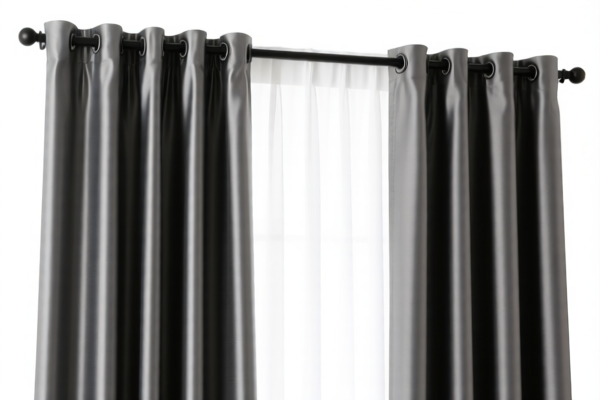
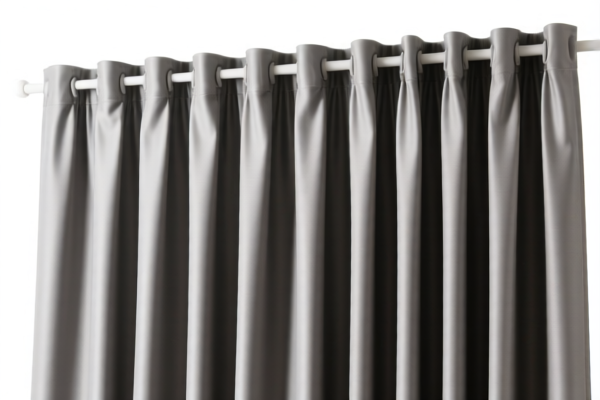
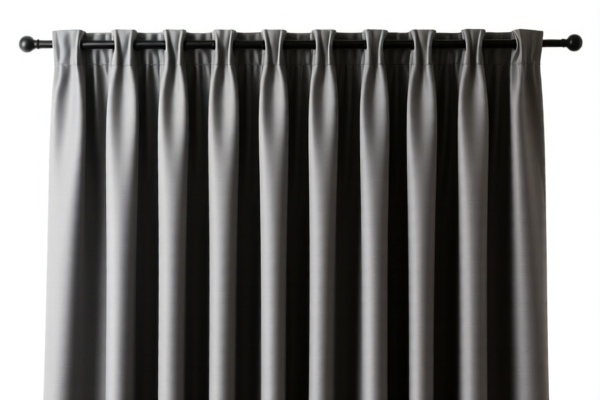
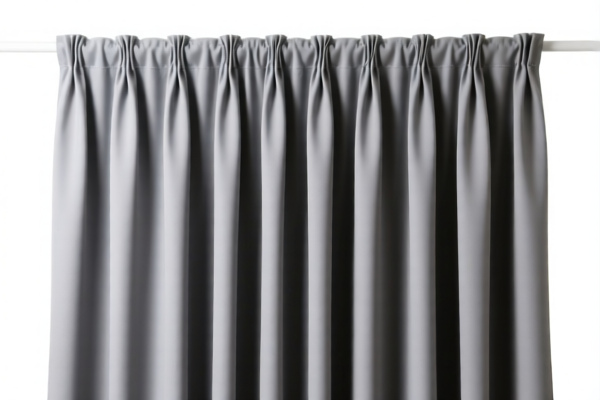
AI Analysis
🌑 Polyester Blackout Panel (窗帘/遮光帘)
🌐 HS Code Reference & Customs Clearance Guide | 2026 Latest Tariff Analysis | Professional Clearance Strategy
📌 I. Product Definition & Classification: Are You Sure It’s Just a "Panel"?
"Polyester Blackout Panel" is a broad term that covers various textile products used for window treatments. In international trade, the specific end-use determines the HS Code. A "panel" can be raw fabric or a finished curtain. The distinction is critical for customs valuation and tax liability.
Two Main Categories:
1. Raw Fabric (Textile Material): Unsewn, unmade polyester woven fabric, primarily used for manufacturing curtains or other items. 2. Finished Curtain/Blackout Curtain: Sewn, hemmed, or treated products specifically designed for window covering (curtains, draperies, blackout blinds).
⚠️ Key Distinction Point:
- If it is raw fabric (rolls or bolts, no seams/headers) → Classified under Chapter 54 (Man-made filaments) or 55 (Man-made staple fibers).
- If it is a finished curtain (with eyelets, headings, or sewn edges) → Classified under 6303 (Curtains and draperies).
📦 II. HS Code Classification Details (2026 Latest Tariff Authority Comparison)
| HS Code | Product Description | Application Scenario | Is it Finished? | Total Tax Rate (China Origin to US) |
|---|---|---|---|---|
5407.61.99.70 |
Woven fabrics of synthetic filaments ≥85% polyester | Raw polyester fabric rolls, unsewn | ❌ No (Raw) | 49.9% |
5407.61.99.65 |
Woven fabrics of synthetic filaments ≥85% polyester | Raw polyester fabric, other specific types | ❌ No (Raw) | 49.9% |
6303.92.20.10 |
Synthetic fiber curtains (polyester), for shading/blinds | Finished curtains, standard shading use | ✅ Yes (Finished) | 21.3% |
6303.92.20.30 |
Synthetic fiber curtains (polyester), blackout/shading | Finished blackout curtains, specialized shading | ✅ Yes (Finished) | 28.8% |
6601.91.00.00 |
Umbrellas and sun umbrellas, polyester material | Sun umbrellas, parasols | ✅ Yes (Finished) | 10.0% |
🔍 Critical Note:
- "Blackout Panel" as Fabric: If you import rolls of black polyester fabric, use5407.61.99.70or.65. High tax risk (49.9%).
- "Blackout Panel" as Curtain: If these are finished curtains with eyelets/headers, use6303.92.20.10or.30. Lower tax risk (21.3%-28.8%).
- Misclassification Risk: Shipping finished curtains as "fabric" to avoid higher taxes is a common red flag for customs audits. However, note that in this specific dataset, raw fabric (5407) has a HIGHER total tax (49.9%) than finished curtains (6303, max 28.8%). This is counter-intuitive but reflects the specific tariff structure provided in .
💰 III. 2026 Latest Tariff Rate Breakdown (Including Additional Taxes & Policy Surcharges)
✅ Applicable Country: United States (US)
✅ Origin: China (CN)
✅ Effective Date: Current rates as per
🎯 1. 5407.61.99.70 / 5407.61.99.65 —— Polyester Woven Fabric (Raw)
| Item | Content |
|---|---|
| Base Tariff | 14.9% (ad valorem) |
| Section 301 Surcharge | +25.0% (Additional Tariff) |
| Section 122 Tariff | +10.0% (Specific Clause Tariff) |
| Total Tax Rate | 49.9% |
| Tax Calculation | CIF Value × 49.9% |
| De Minimis Eligibility | ❌ Not Eligible (High value threshold not applicable for bulk fabric) |
| Legal Basis Path | Base Tariff 14.9% → Section 301: +25% → Section 122: +10% |
📌 Explanation:
- The 49.9% rate is extremely high. It combines the standard base duty, the significant Section 301 trade war tariff, and the specific Section 122 surcharge.
- This applies to raw polyester filament fabrics (≥85% content).
- Cost Impact: For a $10,000 shipment, expect ~$5,000 in taxes.
🎯 2. 6303.92.20.10 —— Polyester Curtains (Standard Shading)
| Item | Content |
|---|---|
| Base Tariff | 11.3% (ad valorem) |
| Section 301 Surcharge | 0.0% (No additional Section 301 tariff for this subheading) |
| Section 122 Tariff | +10.0% |
| Total Tax Rate | 21.3% |
| Tax Calculation | CIF Value × 21.3% |
| De Minimis Eligibility | ❌ Not Eligible |
| Legal Basis Path | Base Tariff 11.3% → Section 122: +10% |
📌 Note:
- This is for finished curtains used for shading.
- Savings Alert: Compared to raw fabric, finished curtains have a lower total tax rate (21.3% vs 49.9%) because Section 301 surcharges may not apply or are structured differently for finished goods in this specific classification.
- Verification: Ensure the product is truly a "curtain" (sewn, finished) and not just a "panel of fabric."
🎯 3. 6303.92.20.30 —— Polyester Blackout Curtains (Specialized Shading)
| Item | Content |
|---|---|
| Base Tariff | 11.3% (ad valorem) |
| Section 301 Surcharge | +7.5% (Partial Section 301 or specific surcharge) |
| Section 122 Tariff | +10.0% |
| Total Tax Rate | 28.8% |
| Tax Calculation | CIF Value × 28.8% |
| De Minimis Eligibility | ❌ Not Eligible |
| Legal Basis Path | Base Tariff 11.3% → Section 301: +7.5% → Section 122: +10% |
📌 Note:
- This is for high-performance blackout curtains.
- Slightly higher than standard shading curtains (21.3%) due to a 7.5% Section 301 surcharge applied to this specific subtype.
- Still significantly cheaper than raw fabric (28.8% vs 49.9%).
🎯 4. 6601.91.00.00 —— Umbrellas / Sun Umbrellas (Polyester)
| Item | Content |
|---|---|
| Base Tariff | 0.0% |
| Section 301 Surcharge | 0.0% |
| Section 122 Tariff | +10.0% |
| Total Tax Rate | 10.0% |
| Tax Calculation | CIF Value × 10.0% |
| De Minimis Eligibility | ❌ Not Eligible |
| Legal Basis Path | Base Tariff 0% → Section 122: +10% |
📌 Note:
- If the "Panel" is actually a sun umbrella or parasol, the tax burden is minimal (10%).
- Ensure the product description matches "Umbrella" in customs declaration.
🛠️ IV. Customs Clearance Practical Advice (Field Pitfall Avoidance Guide)
✅ 1. Documentation Checklist (Must-Have)
| Document | Required | Description |
|---|---|---|
| ✅ Product Specification Sheet | ✔️ | Clearly state: Material (100% Polyester), Weave, Weight (GSM), Finished vs. Raw |
| ✅ Product Photos | ✔️ | Show seams, eyelets, headers, or lack thereof. Crucial for distinguishing Fabric vs. Curtain |
| ✅ Commercial Invoice | ✔️ | Use precise terms: "Polyester Woven Fabric Roll" OR "Finished Polyester Blackout Curtain" |
| ✅ Packing List | ✔️ | Detail dimensions, weight, and quantity. Match HS Code classification |
| ✅ End-Use Declaration | ✔️ | State if it is "For manufacturing curtains" (Fabric) or "Ready-to-hang window covering" (Curtain) |
| ✅ Third-Party Test Report | ✔️ | Optional but helpful for blackout performance (light blockage %) |
✅ 2. Declaration Tips (Key Mantra)
🔥 "Finish Determines HS, Fabric High Tax, Curtain Lower Risk!"
| Scenario | Correct Declaration | Incorrect Action |
|---|---|---|
| Rolls of Black Fabric | HS 5407.61.99.70 (49.9%) |
Declare as "Curtain" → Risk of penalty for misclassification |
| Sewn Curtains with Eyelets | HS 6303.92.20.10 or .30 (21.3%-28.8%) |
Declare as "Fabric" → Unnecessary high tax (49.9%) |
| Sun Umbrellas | HS 6601.91.00.00 (10.0%) |
Declare as "Curtain" → Higher tax than necessary |
| Mixed Shipment (Fabric + Curtain) | Split Line Items | Combine on one line → Customs may reject or audit |
✅ 3. Special Case Handling
| Situation | Handling Advice |
|---|---|
| "Blackout" Claim | Provide light blockage test results if declaring as 6303.92.20.30 (Blackout Curtain) |
| Origin Labeling | Ensure "Made in China" is clearly marked on products and packaging |
| Section 122 Tariff | All categories above are subject to a 10% Section 122 surcharge. Factor this into pricing. |
| Valuation | Ensure CIF value includes freight and insurance. Tariffs are ad valorem. |
🌍 V. Global Market Comparison (2026 Latest)
| Country/Region | Recommended HS Code | Tax Rate | Certification | Notes |
|---|---|---|---|---|
| 🇺🇸 USA | 6303.92.20.10 (Curtain) |
21.3% | N/A | Best Option: Lower tax than raw fabric |
| 🇺🇸 USA | 5407.61.99.70 (Fabric) |
49.9% | N/A | High Risk: High tax burden |
| 🇪🇺 EU | 6303.92 |
Varies (0-12%) | CE (if applicable) | No Section 122/301 equivalent |
| 🇨🇳 China | 6303.92 |
~10-15% | CCC (if applicable) | Lower base rates, no surcharges |
📌 Conclusion for US Market:
- Finished curtains (6303) are more tax-efficient than raw polyester fabric (5407) in this specific tariff structure.
- Always declare as Finished Curtain if the product has eyelets, seams, or headings.
- Never mislabel raw fabric as a curtain to avoid scrutiny; customs will inspect physical goods.
📌 VI. Common Mistakes & Pitfall Guide (Lessons from Tears)
❌ Mistake 1: Declaring finished curtains as "Fabric" to save money
👉 Result: Customs may still assess 49.9% if they detect finished goods, plus penalties for misdeclaration. Worse outcome.
❌ Mistake 2: Declaring raw fabric as "Curtains"
👉 Result: Rejection by customs, return shipment, or forced reclassification to 49.9% + fines.
❌ Mistake 3: Ignoring Section 122 Tariff
👉 Result: Underpayment of 10% on ALL items in this dataset. Always include +10% in cost calculations.
❌ Mistake 4: Vague Product Description ("Polyester Panel")
👉 Result: Customs cannot determine if it's fabric, curtain, or umbrella. Delays and additional duties.
✅ Correct Approach:
"Polyester Blackout Curtain, Finished, with Grommets, Light Blockage 99%, Model XYZ"
→ Use HS6303.92.20.30(28.8%)"Polyester Woven Fabric, Black, 200GSM, Roll"
→ Use HS5407.61.99.70(49.9%)
🎯 VII. Conclusion: Precise Classification Saves Money!
🎯 Remember the Mantra:
🔹 "Finished Curtain Wins: 21.3%-28.8% vs Fabric's 49.9%"
🔹 "Section 122: +10% for All, Don't Forget It!"
🔹 "Umbrellas are Cheap: 10% Total"
📌 Pro Tip:
If you are importing raw fabric, consider if sewing/finishing can be done overseas or if the product can be imported as finished curtains to benefit from the lower 6303 tax rate. However, ensure the goods meet the definition of "curtain" (finished, ready-to-use).
📣 Immediate Action:
📞 Verify product details (Finished vs. Raw)
📄 Prepare precise HS Code declaration
🚀 Optimize tax burden by correct classification!
✨ Professional clearance starts with accurate classification!
💼 Every percentage point counts in global trade!
Customer Reviews
About HS Code Classification
The Harmonized System (HS) is an internationally standardized nomenclature developed by the World Customs Organization (WCO) to classify traded products. Over 200 countries use the HS system as the basis for customs tariffs, trade statistics, and import/export regulations.
Each HS code follows a hierarchical structure:
- Chapter (2 digits) — Broad category of goods (e.g., Chapter 84: Machinery and Mechanical Appliances)
- Heading (4 digits) — More specific grouping within the chapter
- Subheading (6 digits) — Internationally standardized breakdown, used by all WCO member countries
- National subdivisions (8-10 digits) — Country-specific extensions for further classification, such as US HTSUS 10-digit codes
Correct HS code classification is essential for smooth customs clearance, accurate duty payment, and compliance with trade regulations. Misclassification can lead to customs delays, overpayment of duties, or penalties.
When importing from CN to US, the applicable tariff rates may include:
- Most-Favored-Nation (MFN) rate — The standard duty rate applied to WTO members
- General rate — Applied to countries without trade agreements
- Trade remedy duties — Additional tariffs such as Section 301 (anti-dumping), Section 232 (national security), or countervailing duties
The information provided on this page is for reference purposes only. For official classification, please consult with your local customs authority or a licensed customs broker.