Polyester Blend Plain Weave Fabric
CN → US| HS Code | Tariff Rate | Origin | Destination | Doc |
|---|---|---|---|---|
| 5407820090 | 49.9% | CN | US | Official Doc |
| 5407810090 | 49.9% | CN | US | Official Doc |
| 5513110020 | 49.9% | CN | US | Official Doc |
| 5514210020 | 49.9% | CN | US | Official Doc |
| 5513210020 | 24.9% | CN | US | Official Doc |
Product Images
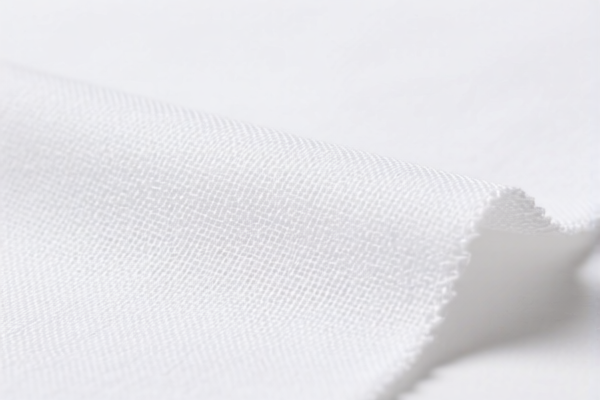
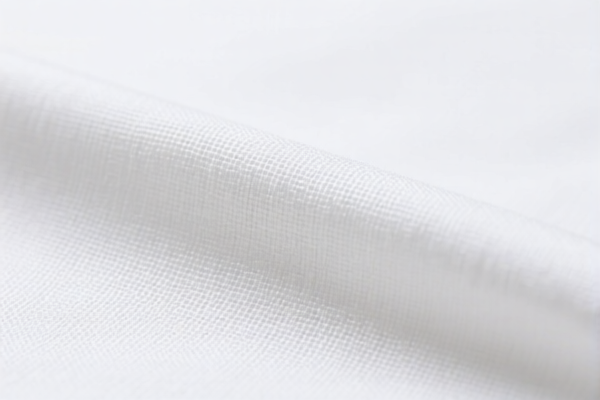
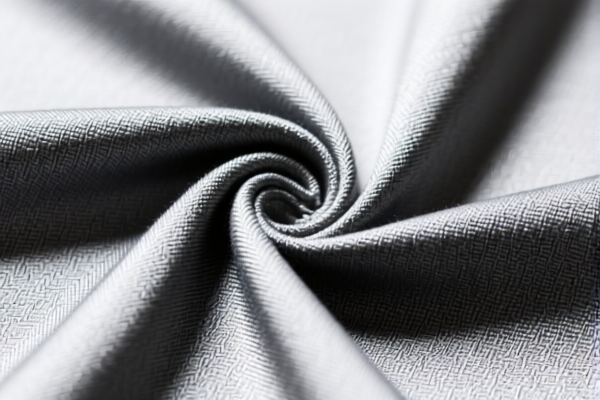
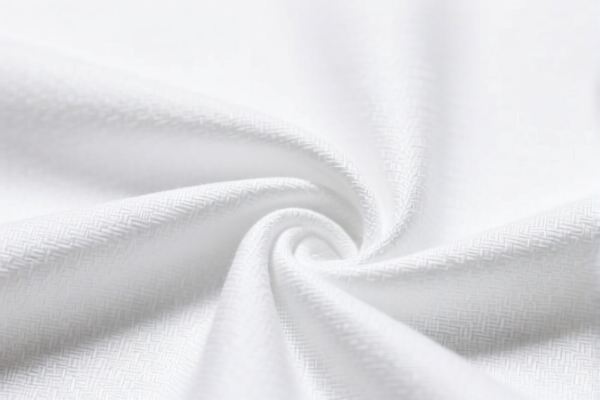
AI Analysis
👕 Polyester-Cotton Blend Plain Weave Fabric (涤纶/棉混纺平纹织物)
🌐 HS Code Reference & Customs Clearance Guide | 2024/2025 Tariff Analysis | Professional Clearance Strategy
📌 I. Product Definition & Classification: Do You Truly Understand "Polyester-Cotton Blend"?
This product refers to woven fabrics made from synthetic fibers (polyester) and natural fibers (cotton). In international trade, these are typically classified under Chapter 54 (Man-made Filaments) or Chapter 55 (Man-made Staple Fibers), depending on the form of the polyester (filament vs. staple fiber) and the blending ratio.
Key Distinction Criteria: * Filament vs. Staple: Is the polyester thread continuous (filament, Ch. 54) or cut into short fibers (staple, Ch. 55)? * Weight/Pattern: Is it a plain weave (most common for general apparel)? * Percentage: Does it contain less than 85% synthetic fiber, or is it mixed mainly/only with cotton?
⚠️ Critical Note:
- If the polyester is in filament form → Look at HS 5407 or 5408.
- If the polyester is in staple fiber form → Look at HS 5513 or 5514.
- All codes below attract high tariffs due to Section 301 and Section 122 duties.
📦 II. HS Code Classification Details (Latest Tariff Schedule)
| HS Code | Product Description | Application Scenario | Synthetic Fiber Content |
|---|---|---|---|
5407.82.00.90 |
Woven fabrics of polyester filament yarn, mixed mainly with cotton | Filament-based blends, plain weave | ✅ Filament |
5407.81.00.90 |
Woven fabrics of polyester filament yarn, mixed mainly with cotton | Same as above, different sub-heading variation | ✅ Filament |
5513.11.00.20 |
Plain weave fabrics, polyester staple fiber <85%, mixed mainly with cotton | Staple fiber blends, weight ≤170g/m² (common for shirts) | ✅ Staple |
5514.21.00.20 |
Polyester staple fiber mixed mainly with cotton | Staple fiber blends, heavier weights or different weave | ✅ Staple |
5513.21.00.20 |
Other woven fabrics of synthetic staple fibers, mixed mainly with cotton | Lower duty scenario (specific blend ratios) | ✅ Staple |
5514.11.00.20 |
Polyester staple fiber mixed mainly with cotton | Standard staple blend classification | ✅ Staple |
🔍 Key Reminder:
- All listed codes involve polyester and cotton blends.
- The distinction between 5407/5408 (Filament) and 5513/5514 (Staple) is critical for correct classification.
- All these products face significant additional tariffs when imported into the US from China.
💰 III. 2024/2025 Latest Tariff Rate Breakdown (Including Surcharges)
✅ Applicable Country: United States (US)
✅ Origin: China (CN)
✅ Effective Date: Current rates apply for imports from China.
🎯 1. High-Tariff Categories (Most Common)
Applicable HS Codes:
- 5407.82.00.90
- 5407.81.00.90
- 5513.11.00.20
- 5514.21.00.20
- 5514.11.00.20
| Item | Content |
|---|---|
| Base Duty Rate | 14.9% (Ad Valorem) |
| Section 301 Surcharge | +25.0% |
| Section 122 Surcharge | +10.0% |
| Total Duty Rate | 49.9% |
| Calculation Basis | CIF Value × 49.9% |
| De Minimis Exemption | ❌ NOT Eligible (Section 321 does not apply) |
| Legal Authority Path | 301 Tariff → Section 122 → Base Duty |
📌 Explanation:
- 14.9%: Standard MFN (Most Favored Nation) base tariff.
- 25.0%: Additional duty under Section 301 (Trade Remedy Act) targeting Chinese goods.
- 10.0%: Additional duty under Section 122 (Emergency Actions).
- Total: 49.9% is a very high barrier. Any misclassification to avoid this is risky and can lead to severe penalties.
🎯 2. Special Lower-Tariff Category
Applicable HS Code:
- 5513.21.00.20
| Item | Content |
|---|---|
| Base Duty Rate | 14.9% |
| Section 301 Surcharge | 0.0% (Exempt or different schedule) |
| Section 122 Surcharge | +10.0% |
| Total Duty Rate | 24.9% |
| Calculation Basis | CIF Value × 24.9% |
| De Minimis Exemption | ❌ NOT Eligible |
| Legal Authority Path | Section 122 → Base Duty |
📌 Note:
- This code applies to specific blend ratios where the synthetic fiber content or structure triggers a different tariff treatment (often lower Section 301 impact).
- Must verify the exact fabric composition to ensure it qualifies for this lower rate. Incorrect classification here can lead to underpayment and audits.
🛠️ IV. Customs Clearance Practical Advice (Pitfall Avoidance Guide)
✅ 1. Required Documentation Checklist (Mandatory)
| Document | Required? | Description |
|---|---|---|
| ✅ Fabric Specifications | ✔️ | Must state: Composition (% Polyester, % Cotton), Weight (gsm), Weave Type (Plain), Width. |
| ✅ Test Reports | ✔️ | Third-party lab report confirming fiber content (e.g., SGS, Intertek). |
| ✅ Commercial Invoice | ✔️ | Clearly state: "Woven Fabric, Polyester/Cotton Blend, Plain Weave". |
| ✅ Packing List | ✔️ | Show net/gross weight, number of rolls, dimensions. |
| ✅ Bill of Lading/Air Waybill | ✔️ | Standard shipping documents. |
| ✅ Certificate of Origin | ❌ Not Required | No preferential tariff applies for China-US trade for these codes. |
✅ 2. Classification Strategy (Key Mantra)
🔥 "Check the Fiber Form: Filament or Staple? Check the %: Is it <85%? Check the Weave: Plain or Other?"
| Scenario | Correct HS Code Category | Risk of Misclassification |
|---|---|---|
| Polyester is Filament (continuous yarn) | 5407.82.00.90 / 5407.81.00.90 |
High → 49.9% Duty |
| Polyester is Staple (short fiber) | 5513.11.00.20 / 5514.21.00.20 / 5514.11.00.20 |
High → 49.9% Duty |
| Specific Blend Ratio Qualifies | 5513.21.00.20 |
Medium → 24.9% Duty (Verify carefully!) |
| Misclassified as "Cotton Only" | 5208.xxxx |
❌ SEVERE PENALTY → 49.9% + Penalties |
| Misclassified as "Other Synthetic" | 5512.xxxx |
❌ Penalty → Incorrect duty rate |
✅ 3. Special Circumstances Handling
| Situation | Recommendation |
|---|---|
| OEM Custom Fabric | Provide customer's tech pack with exact composition percentages. |
| Mixed Orders (Different Fabrics) | Declare each HS code separately. Do not bundle under one code if rates differ. |
| Sample Shipments | Even samples for testing are subject to duty. Declare accurately. |
| Disputed Classification | Apply for HTS Classification Ruling from CBP before shipment to mitigate risk. |
🌍 V. Global Market Comparison (2024/2025)
| Country/Region | Recommended HS Code | Duty Rate (China Origin) | Notes |
|---|---|---|---|
| 🇺🇸 USA | 5407.82.00.90 / 5513.11.00.20 etc. |
49.9% (Most) / 24.9% (Specific) | High Section 301 & 122 duties. |
| 🇨🇳 China | Same HS Codes | ~7.5% - 14.9% | Import duty varies; no Section 301. |
| 🇪🇺 EU | 5513.11 / 5407.82 |
~4.0% - 9.0% | No Section 301 surcharge. |
| 🇬🇧 UK | Similar to EU | ~4.0% - 9.0% | Post-Brexit rates apply. |
📌 Conclusion:
- The US market is the most challenging due to the 49.9% effective duty rate for most polyester-cotton blends.
- Cost Optimization: Consider sourcing from countries not subject to Section 301 (e.g., Vietnam, Bangladesh) if possible, though many still have specific rules of origin.
- Value Engineering: If possible, adjust the fabric composition to qualify for the 24.9% rate (5513.21.00.20), but only if technically feasible and accurately documented.
📌 VI. Common Mistakes & Pitfalls (Lessons Learned)
❌ Mistake 1: Declaring as "100% Cotton" to avoid synthetic fiber tariffs.
👉 Consequence: CBP test reveals polyester → 49.9% Duty + Penalties + Fraud Allegations.
❌ Mistake 2: Ignoring the "Section 122" 10% surcharge.
👉 Consequence: Underpayment of duty → Audit and Back Duties.
❌ Mistake 3: Not distinguishing between Filament (5407) and Staple (5513).
👉 Consequence: Classification error → Delay in Customs Clearance.
❌ Mistake 4: Assuming De Minimis ($800) applies.
👉 Consequence: No De Minimis exemption for Chinese goods under Section 301/122 → Full duty charged even on small shipments.
✅ Correct Practice:
"Woven Fabric, 65% Polyester, 35% Cotton, Plain Weave, 170 GSM, Filament Yarn"
HS Code:5407.82.00.90
Duty: 49.9%
🎯 VII. Conclusion: Professional Clearance, Cost Efficiency
🎯 Remember the Mantra:
🔹 "Filament vs. Staple: Know the Form!"
🔹 "Section 301 & 122: They Add Up to 49.9%!"
🔹 "De Minimis: Does NOT Apply for China!"
🔹 "Verify Composition: One Percent Error Can Cost Thousands!"
📌 Pro Tip:
- Apply for a Pre-Ruling: If the blend ratio is close to the threshold for 5513.21.00.20 (24.9% duty), consult a customs broker to confirm eligibility.
- Supplier Transparency: Ensure your fabric supplier provides accurate and verifiable composition certificates. Do not rely on verbal assurances.
📣 Immediate Action:
📞 Contact a Licensed Customs Broker
📄 Provide Detailed Fabric Specs
🚀 Budget for 49.9% Duty (or verify if 24.9% applies)
Let your fabric clear customs smoothly, profitably, and legally!
✨ Professional Clearance Starts with Accurate Classification!
💼 Every Percent of Duty Saved is Pure Profit!
Customer Reviews
About HS Code Classification
The Harmonized System (HS) is an internationally standardized nomenclature developed by the World Customs Organization (WCO) to classify traded products. Over 200 countries use the HS system as the basis for customs tariffs, trade statistics, and import/export regulations.
Each HS code follows a hierarchical structure:
- Chapter (2 digits) — Broad category of goods (e.g., Chapter 84: Machinery and Mechanical Appliances)
- Heading (4 digits) — More specific grouping within the chapter
- Subheading (6 digits) — Internationally standardized breakdown, used by all WCO member countries
- National subdivisions (8-10 digits) — Country-specific extensions for further classification, such as US HTSUS 10-digit codes
Correct HS code classification is essential for smooth customs clearance, accurate duty payment, and compliance with trade regulations. Misclassification can lead to customs delays, overpayment of duties, or penalties.
When importing from CN to US, the applicable tariff rates may include:
- Most-Favored-Nation (MFN) rate — The standard duty rate applied to WTO members
- General rate — Applied to countries without trade agreements
- Trade remedy duties — Additional tariffs such as Section 301 (anti-dumping), Section 232 (national security), or countervailing duties
The information provided on this page is for reference purposes only. For official classification, please consult with your local customs authority or a licensed customs broker.